Driveway Pavers: The Ultimate Buying Guide
Driveway Paver Guide: Top 2024 Tips for Stunning Results
Why Driveway Pavers Matter
When considering improvements for your home, driveway paver options are key for boosting both curb appeal and property value. A well-crafted driveway not only complements your home’s architecture but adds a layer of durability and functionality that lasts. Choosing the right paver can make your driveway both beautiful and resilient. Here are the quick essentials to know:
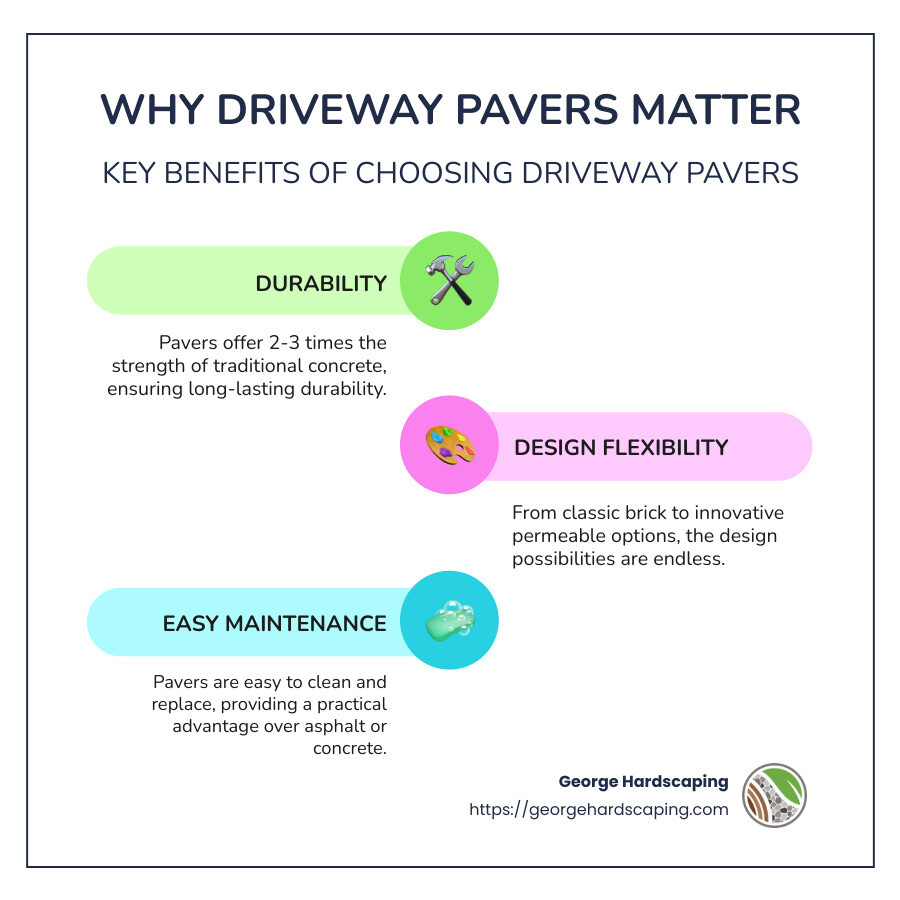
- Durability: Pavers offer two to three times the strength of traditional concrete, ensuring longevity.
- Design Flexibility: Whether it’s a classic brick look or innovative permeable pavers, the design possibilities are endless.
- Easy Maintenance: Easy to clean and replace, pavers offer a practical advantage over asphalt or concrete.
Durability and aesthetic appeal are the focus for homeowners in Essex County, MA, and the North Shore, aiming for a lasting impact. Pavers come in various materials and styles, turning your driveway from a simple utility space into a true showpiece of your home.
Driveway paver vocabulary:
– are concrete pavers good for driveways
– can pavers be installed over concrete driveway
– permeable driveway pavers
Types of Driveway Pavers
Choosing the right driveway paver involves understanding the different types available and how they can improve your home’s curb appeal and functionality. Let’s explore the most popular options:
Brick Pavers
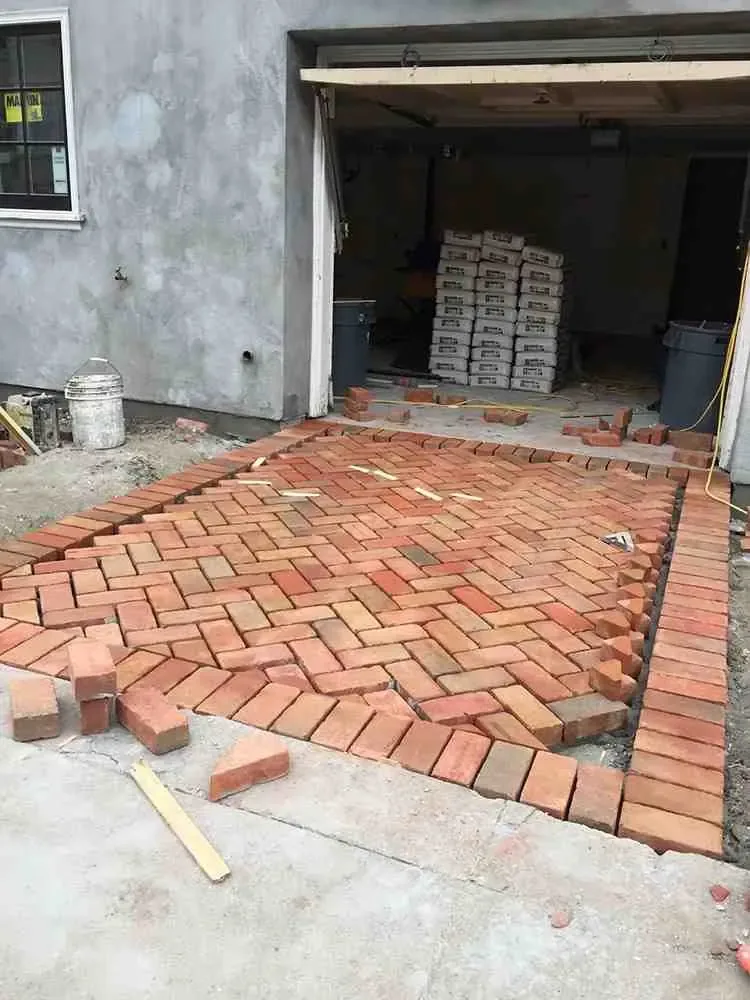
Brick pavers offer a classic, timeless look that can significantly boost your home’s aesthetic. Made from molded and baked clay, they are strong enough to withstand heavy vehicles. However, they can flake and disintegrate over time, especially in areas with extreme weather. Regular maintenance is key to keeping them in top shape.
Concrete Pavers
Concrete pavers are versatile and economical, making them a popular choice. They come in a variety of shapes and patterns, offering flexibility in design. While they are durable, they might fade or crack over time, especially in areas with significant temperature fluctuations.
Stone Pavers
Stone pavers, like cobblestones, are incredibly durable and can last for decades. They offer a unique, upscale look, often made from granite or basalt. However, they can be pricey and might not be ideal for activities like shoveling snow due to their rough surface.
Permeable Pavers
For those focused on sustainability, permeable pavers are an excellent choice. They allow water to drain through, reducing runoff and promoting groundwater recharge. Options like gravel, plastic, and specially designed concrete pavers offer both eco-friendliness and aesthetic appeal.
Rubber Pavers
Rubber pavers are durable and provide a non-slip surface, making them safe for driveways. They are made from recycled materials, promoting eco-friendliness. However, they might not offer the same visual appeal as stone or brick pavers.
Porcelain Pavers
Porcelain pavers boast a sleek, modern look, perfect for those aiming for a contemporary design. While aesthetically pleasing, they are less durable and more prone to damage from heavy vehicles.
Marble and Travertine Pavers
These natural stone pavers add luxury and elegance to any driveway. They are best suited for areas with mild climates, as they can be susceptible to damage from freeze-thaw cycles.
Bluestone and Flagstone Pavers
Bluestone offers a unique blue hue, while flagstone provides a rustic, natural look. Both are durable and slip-resistant, making them great choices for driveways. However, they can be expensive and require careful selection to avoid fake materials.
Plastic Pavers
Plastic pavers are durable and cost-effective. Made from recycled materials, they are eco-friendly and come in various designs. They are particularly useful in areas with occasional vehicular traffic.
Each type of driveway paver has its own set of benefits and considerations. Whether you prioritize durability, aesthetics, or environmental impact, understanding these options will help you make an informed decision for your home.
Pros and Cons of Driveway Pavers
When considering driveway pavers for your home, it’s important to weigh their advantages and disadvantages. Let’s break down the key factors:
Durability
Pros: Driveway pavers are known for their strength and longevity. Many options, like stone and brick, can handle heavy vehicle loads and harsh weather conditions. For example, cobblestones can last over a century if installed properly.
Cons: Some materials, such as porcelain and travertine, may not be as robust, especially in areas with freeze-thaw cycles. Regular maintenance is needed to maintain their structural integrity.
Curb Appeal
Pros: Pavers offer endless design possibilities, enhancing your home’s curb appeal. You can mix colors, shapes, and patterns to create a unique look that complements your home’s architecture.
Cons: High-quality pavers like marble or bluestone can be expensive, which might be a barrier for some homeowners seeking a budget-friendly option.
Eco-Friendly
Pros: Permeable pavers are an eco-conscious choice, allowing rainwater to seep into the ground and reducing runoff. This helps in recharging groundwater and minimizing flooding risks.
Cons: Not all paver types offer the same environmental benefits. Traditional concrete and asphalt pavers do not promote water absorption.
Low Maintenance
Pros: Pavers are relatively low-maintenance. Regular cleaning with a broom or pressure washer can keep them looking fresh. If a paver is damaged, you can replace it without disturbing the entire driveway.
Cons: Weed growth can occur in the joints between pavers, requiring occasional attention to keep your driveway looking pristine.
Weather Resistance
Pros: Many pavers, especially concrete and stone, are resistant to weather extremes. They can handle the weight of vehicles and resist cracking better than poured concrete slabs.
Cons: Some materials, like brick, may flake or disintegrate over time in extreme climates, requiring more frequent upkeep.
Cost
Pros: Concrete pavers are a cost-effective option, offering a good balance between affordability and durability. They are typically cheaper than natural stone options.
Cons: Overall, pavers are more expensive than traditional asphalt or concrete driveways. Prices can range from $10 to $70 per square foot, depending on the material and design.
Installation Time
Pros: Installing pavers can be a straightforward process, especially with professional help. The modular nature allows for quicker adjustments and repairs.
Cons: DIY installation can be time-consuming and requires precise preparation and layering to ensure longevity and stability.
Weed Growth
Pros: The joint sand between pavers can prevent weeds if properly compacted and maintained.
Cons: Over time, weeds may still find their way through the gaps, necessitating occasional herbicide application or manual removal.
Replacement Issues
Pros: Individual pavers can be replaced easily if damaged, without affecting the rest of the driveway.
Cons: Finding a perfect color and texture match for replacement pavers can be challenging, especially if the original pavers have aged or are discontinued.
By considering these pros and cons, you can make an informed decision on the best driveway paver for your needs, balancing aesthetics, functionality, and budget. Next, we’ll explore how to choose the right paver for your project size and requirements.
Choosing the Right Driveway Paver
Selecting the perfect driveway paver involves balancing several factors. Here’s a straightforward guide to help you make the best choice for your home.
Project Size
The size of your driveway project significantly influences your choice of pavers. Larger areas might benefit from cost-effective options like concrete pavers, which offer durability without breaking the bank. For smaller projects, you might consider splurging on premium materials like natural stone or bluestone, which provide a unique aesthetic appeal.
Cost
Driveway pavers vary widely in price. Concrete pavers are among the most economical, ranging from $10 to $25 per square foot. Stone pavers, like cobblestone, can be much pricier, reaching up to $70 per square foot. It’s crucial to balance upfront costs with long-term value. While pavers may have a higher initial cost than asphalt or poured concrete, their durability and low maintenance can offer savings over time.
Maintenance
Consider how much time and effort you’re willing to invest in upkeep. Materials like concrete and brick pavers require periodic sealing to maintain their appearance and prevent staining. Permeable pavers, on the other hand, are relatively low-maintenance and eco-friendly, allowing water to seep through and reducing runoff.
Durability
Durability is a key factor, especially if your driveway experiences heavy traffic. Cobblestones are highly durable, capable of lasting a century, while brick and concrete pavers offer robust performance for several decades. However, materials like porcelain and travertine may not withstand harsh weather as effectively.
Aesthetic
The look of your driveway can significantly impact your home’s curb appeal. Stone pavers offer a timeless, upscale appearance, while brick pavers provide a classic charm with various color options. Concrete pavers are versatile, available in many shapes and patterns to match your home’s style.
Weathering & Erosion
In regions prone to freeze-thaw cycles, choose pavers that resist cracking and erosion. Concrete and stone pavers typically handle these conditions well. Permeable pavers are an excellent choice for areas with heavy rainfall, as they allow water to pass through, reducing erosion and flooding risks.
Environmental Concerns
For eco-conscious homeowners, permeable pavers are ideal. They aid in water management by allowing rainwater to recharge the groundwater system. Additionally, plastic pavers made from recycled materials offer a sustainable option that reduces landfill waste.
By carefully considering these factors, you can select the driveway paver that best suits your needs, balancing functionality, aesthetics, and budget. Up next, we’ll dig into the installation process, whether you choose to DIY or hire a professional.
Installation of Driveway Pavers
Installing driveway pavers can transform your home’s exterior, but it requires careful planning and execution. Whether you’re a DIY enthusiast or hiring a professional, here’s what you need to know.
DIY Installation
For those who enjoy hands-on projects, installing pavers yourself can be rewarding and cost-effective. However, it demands time, physical effort, and precision. You’ll need to prepare the site, lay the base, and ensure the pavers are level. Mistakes can lead to uneven surfaces or drainage issues.
Tools Needed:
- Shovel and rake
- Plate compactor
- Level and string line
- Rubber mallet
- Wheelbarrow
- Paver saw or splitter
Hiring a Professional
If DIY isn’t your style or the project seems too daunting, hiring a professional is a smart choice. Professionals have the expertise to handle complex designs and ensure proper installation. When selecting a contractor, get multiple bids and check references to ensure quality work. The lowest bid isn’t always the best option.
Preparation
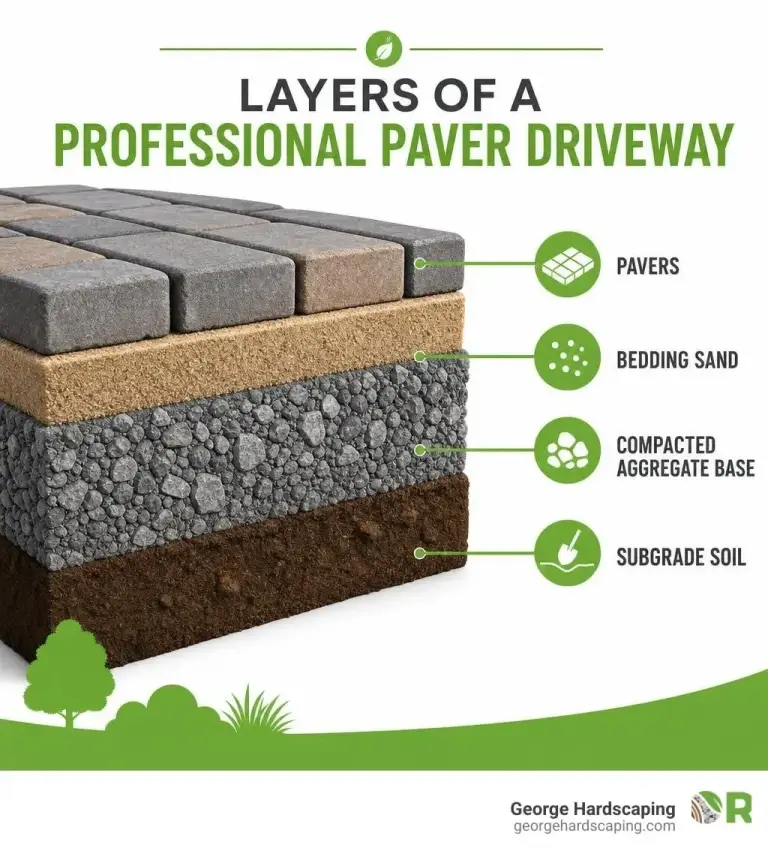
Proper preparation is crucial for a long-lasting driveway. Begin by marking the area and removing existing materials like grass or old pavement. Excavate to a depth that accommodates the base, middle, and surface layers. This is typically around 12 inches, but it varies based on soil type and climate.
Base Layer
The base layer is the foundation of your paver driveway. Use crushed stone or gravel to create a stable, well-draining base. Compact the material thoroughly using a plate compactor, ensuring it’s level and firm. A well-prepared base prevents pavers from shifting and cracking over time.
Middle Layer
The middle layer, also known as the bedding layer, consists of coarse sand. Spread a 1-2 inch layer over the base and level it using a screed board. This layer provides a smooth surface for the pavers to rest on, allowing for slight adjustments during installation.
Surface Layer
Finally, lay the pavers according to your chosen pattern. Use a rubber mallet to tap them into place, ensuring they fit snugly together. Once all pavers are set, spread fine sand over the surface and sweep it into the joints. This locks the pavers in place and prevents movement.
Common Mistakes
Avoid these common pitfalls to ensure a successful installation:
- Inadequate Base Preparation: Skimping on the base can lead to uneven pavers and poor drainage.
- Ignoring Slope and Drainage: Ensure the driveway slopes away from buildings to prevent water pooling.
- Not Allowing for Expansion: Leave small gaps between pavers to accommodate expansion and contraction due to temperature changes.
By following these steps, you can achieve a durable and attractive driveway paver installation. Next, we’ll explore top design patterns to lift your driveway’s look.
Top Driveway Paver Designs
The design of your driveway paver can significantly influence the curb appeal of your home. Let’s explore some popular patterns that can transform your driveway into a stunning entrance.
Herringbone Pattern
The herringbone pattern features a zigzag layout, offering both visual appeal and structural strength. It’s ideal for high-traffic areas because the interlocking design provides excellent stability.

The classic look of herringbone suits both modern and traditional homes. It’s a favorite for those seeking durability without sacrificing style.
Basket Weave Pattern
The basket weave pattern evokes a charming, vintage feel. This design consists of pairs of pavers laid at right angles, creating a woven appearance. It’s perfect for homes with rustic or old-world architecture.
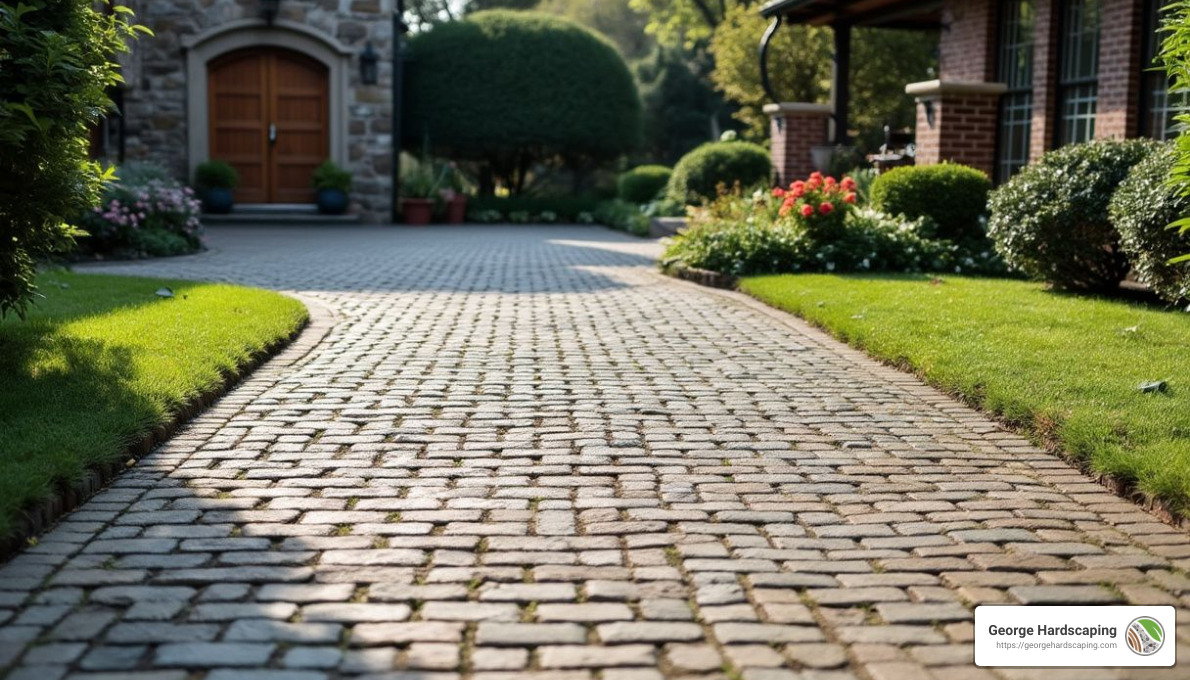
This pattern not only brings a quaint aesthetic but is also relatively simple to install, making it a practical choice for DIY enthusiasts.
Running Bond Pattern
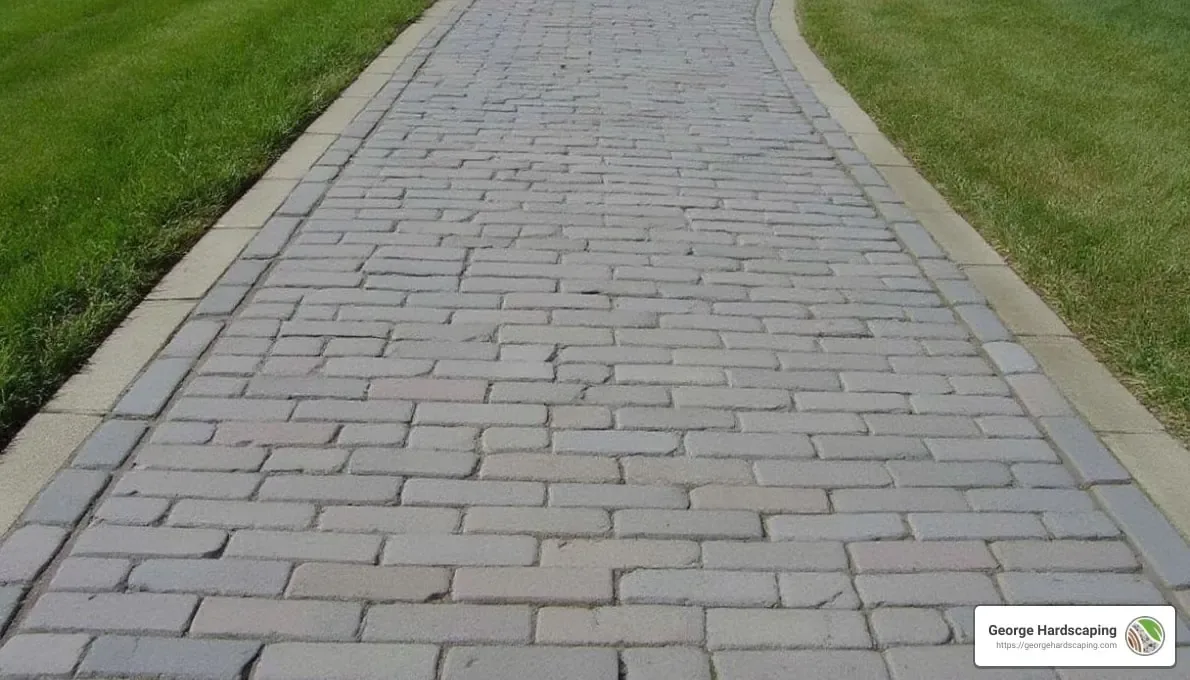
For a clean and straightforward look, the running bond pattern is a go-to option. Pavers are laid in staggered rows, creating a seamless flow. This pattern is excellent for making small areas appear larger.
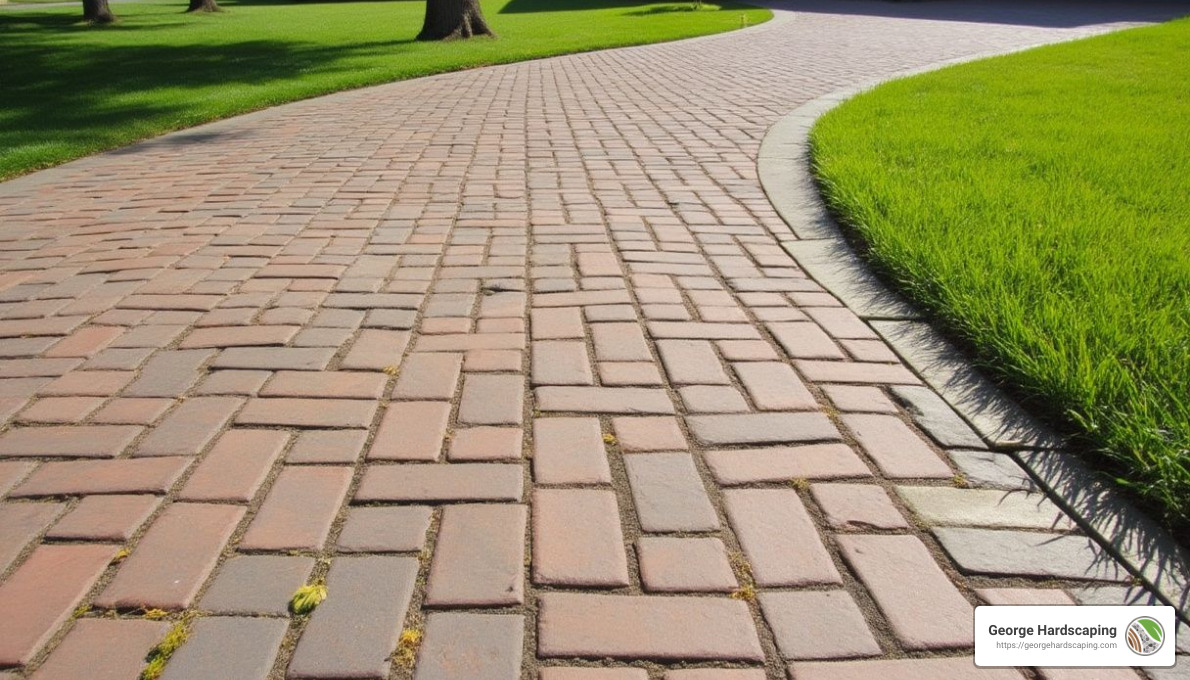
It’s versatile, cost-effective, and works well with various paver types and colors.
Circular Pattern
The circular pattern is a striking choice for homes with circular driveways or curved paths. Pavers are arranged in a spiraling formation, adding elegance and a focal point to your entrance.
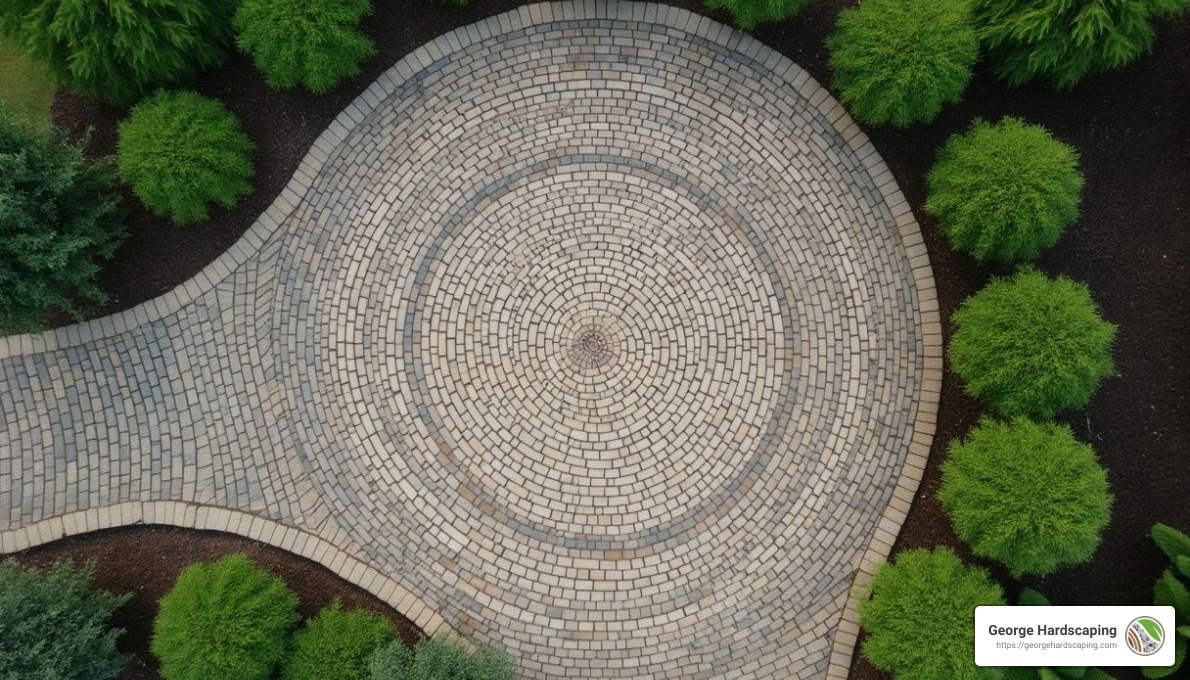
This design is perfect for larger driveways, where its full effect can be appreciated.
Mixed Patterns
For those who love creativity, mixed patterns offer endless possibilities. Combine different patterns like herringbone and basket weave to create a unique design.
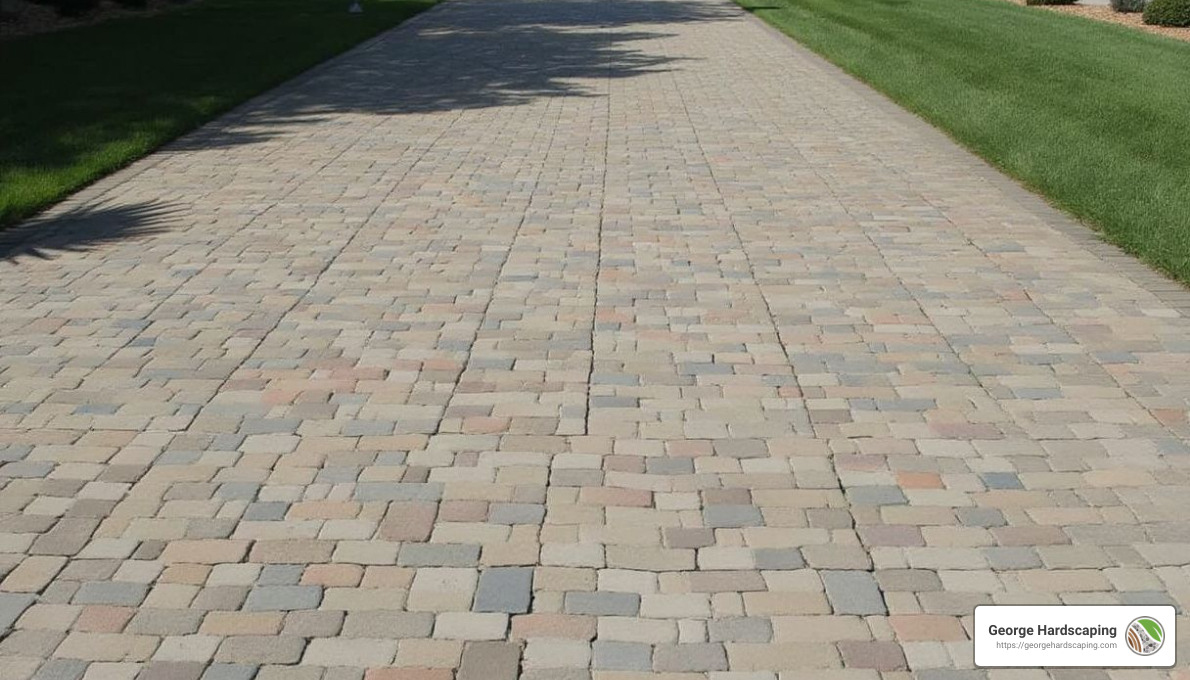
Using mixed patterns can highlight specific areas of your driveway and add a personalized touch.
Color Combinations
Color plays a crucial role in enhancing your driveway’s appeal. Consider blending neutral tones with vibrant accents to create a striking contrast.

Choose colors that complement your home’s exterior. Whether you prefer subtle shades or bold hues, the right color combination can lift your driveway’s overall look.
By selecting the right pattern and color, you can improve both the functionality and beauty of your driveway paver. Next, we’ll address some frequently asked questions about driveway pavers to help guide your decision-making process.
Frequently Asked Questions about Driveway Pavers
What type of paver is best for a driveway?
When choosing the best driveway paver, consider factors like durability, aesthetics, and maintenance.
Split stones offer a natural and rugged look, perfect for rustic or traditional homes. They are strong and weather-resistant, making them ideal for driveways that endure heavy use.
Cobblestones are another durable option. Known for their old-world charm, they can withstand significant weight and weather changes. Their unique texture provides excellent traction, reducing slip hazards.
For a more artistic touch, crazy paving uses irregularly shaped stones to create a mosaic-like appearance. This style is visually striking and works well in gardens or homes seeking a more eclectic look.
Filetti pavers, with their thin and elongated form, lend a sleek and modern aesthetic. They are best suited for contemporary designs and can be arranged in various patterns to improve visual interest.
Is it cheaper to lay concrete or pavers?
Cost is a significant consideration in choosing between concrete and pavers.
Concrete is typically less expensive upfront, with costs ranging from $6 to $12 per square foot. However, it can crack over time, leading to repair costs. Its appearance is also less customizable compared to pavers.
Pavers, while more expensive initially—costing between $15,000 to $25,000 for a medium-sized driveway—offer better long-term value. They are more durable and less prone to cracking. If a paver does get damaged, it can be replaced individually, saving on repair costs.
Are paver driveways worth it?
Investing in a paver driveway can offer numerous benefits:
Durability: Pavers can last over 30 years if installed correctly. They resist cracking and can handle heavy loads, making them a long-term solution for driveways.
Aesthetic Appeal: With a variety of colors, shapes, and patterns available, pavers can improve the curb appeal of any home, potentially increasing property value.
Low Maintenance: Paver driveways require minimal upkeep. A simple wash can keep them looking fresh, and individual pavers can be replaced if damaged.
Environmental Benefits: Many pavers, like permeable options, allow water to seep through, reducing runoff and promoting groundwater recharge.
In conclusion, while the initial cost of driveway pavers may be higher than concrete, the long-term benefits of durability, aesthetics, and maintenance make them a worthwhile investment.
Conclusion
Choosing the right driveway paver is more than just a home improvement decision—it’s an investment in your property’s future. From enhancing curb appeal to ensuring long-lasting durability, the right paver choice can significantly impact both the aesthetic and functional aspects of your home.
At George Hardscaping, we understand the importance of making informed decisions when it comes to your outdoor spaces. Our expertise in designing and installing high-quality paver driveways ensures that your project is handled with the utmost care and precision. We are committed to using the best materials and techniques to create stunning driveways that stand the test of time.
Our team is dedicated to changing your driveway into a space that not only meets your needs but also reflects your personal style. Whether you’re aiming for a classic look with brick pavers or a modern design with permeable pavers, we have the solutions to make your vision a reality.
In the end, investing in a paver driveway with George Hardscaping is about more than just aesthetics—it’s about adding value to your home and creating a welcoming entrance that you’ll be proud of.
For more information on our services and to start your driveway change journey, visit our Driveway Paver Installation page. Let us help you make your property stand out for all the right reasons.