
Transform Your Backyard: The Best Pool Deck Design Ideas for 2026
When it comes to creating a backyard oasis, pool deck design ideas are the foundation of your outdoor living experience. Whether you are envisioning a sleek, modern retreat or a warm, rustic escape, the materials and layout you choose will define the atmosphere of your home for years to come. In 2026, the focus has shifted toward “functional luxury”—spaces that are as durable and safe as they are visually stunning.
For homeowners across the North Shore and Essex County, MA, selecting the right pool deck is about more than just aesthetics. Our unique New England climate, characterized by humid summers and brutal freeze-thaw cycles in the winter, demands materials that can withstand the elements without cracking, fading, or becoming dangerously slippery. From the historic streets of Salem to the coastal cliffs of Gloucester, George Hardscaping has seen how a well-executed pool deck can transform a simple swimming area into the crown jewel of a property.
Here’s a quick overview of the most popular options for 2026:
| Material | Best For | Avg. Cost Range (per sq ft) |
|---|---|---|
| Concrete/Stamped | Budget-friendly, versatile | $8 – $75+ |
| Natural Stone Pavers | Luxury, durability | $15 – $100+ |
| Wood/Composite | Warmth, natural feel | $10 – $80+ |
| Porcelain Tile | Modern, low maintenance | $12 – $90+ |
| Travertine | Non-slip, heat-resistant | $15 – $85+ |
Note: These are average costs based on internet data and do not reflect actual pricing from George Hardscaping.
Your pool deck is the bridge between your home and your water feature. It is where you host summer barbecues, watch the kids play, and enjoy quiet mornings with a cup of coffee. If the design is mismatched with your home’s architecture, it can feel disjointed. If the material is poor, it can become a maintenance nightmare. This guide is designed to help you navigate the vast world of pool paver decks and other surfacing options to find the perfect fit for your lifestyle.
According to Houzz pool decking inspiration, there are thousands of professional photos available to spark your creativity. However, the challenge for Massachusetts residents is narrowing those ideas down to what actually works in our local environment. We need to consider drainage, soil stability, and local building codes like the “3-foot perimeter rule.”
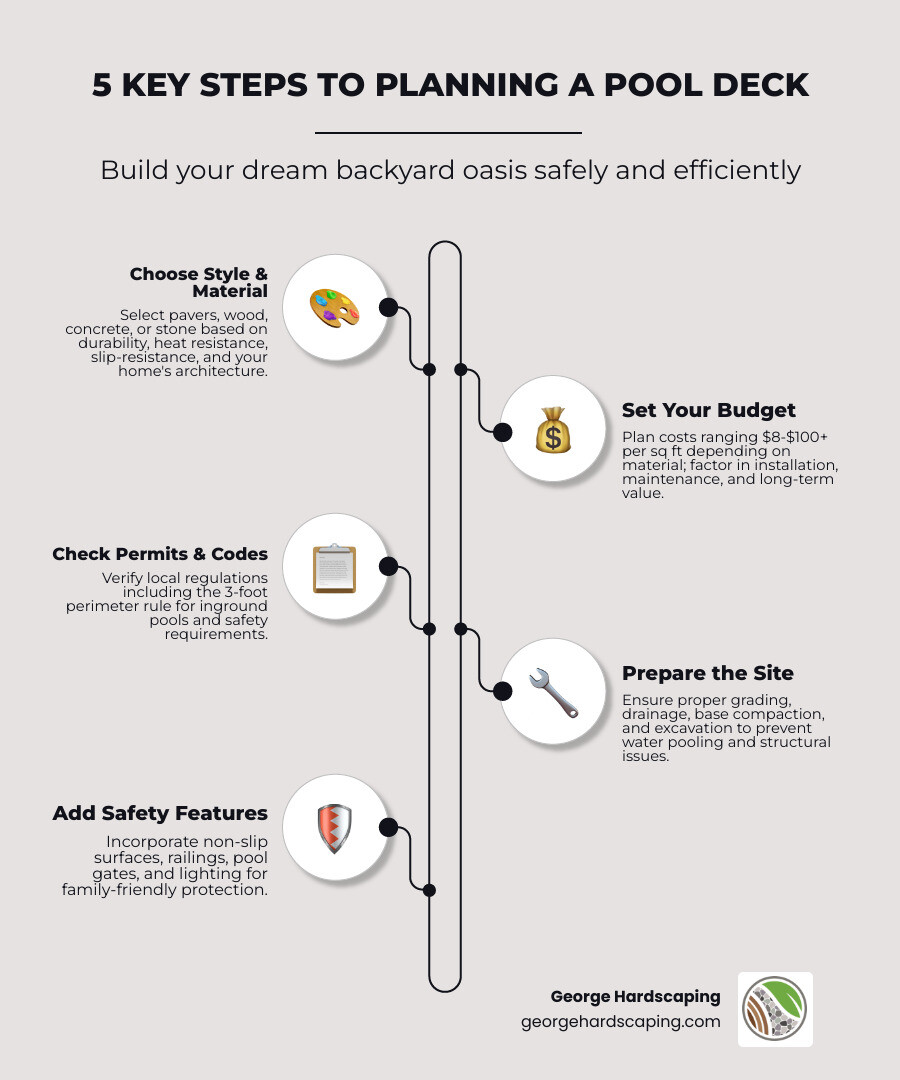
In the following sections, we will dive deep into the materials, styles, and safety features that are trending for 2026, ensuring your backyard transformation is a success. Whether you’re interested in a herringbone brick pool deck or a modern interlocking pool deck, we have the expertise to guide you through the process.
Popular Materials for Modern Pool Deck Design Ideas
When we consult with homeowners in Beverly, Marblehead, or Danvers about their pool deck design ideas, the conversation inevitably starts with material selection. The material you choose dictates the maintenance schedule, the safety of the surface, and how much heat the deck will absorb during a scorching July afternoon. In 2026, the industry has seen a significant shift toward materials that offer high performance without sacrificing the organic beauty of the North Shore landscape.
The Rise of Porcelain and Natural Stone
For a sleek, high-end finish that requires very little effort to keep clean, premium porcelain pavers have become a standout choice for 2026. Unlike traditional ceramic tiles, these pavers are engineered to be incredibly dense and non-porous, often carrying an R11 anti-slip rating which is the gold standard for wet environments. This means they are naturally resistant to frost, pool chemicals, and fading. For North Shore residents, this is a major advantage; porcelain is less likely to crack during deep freezes, and it won’t absorb salt or chlorine, which can degrade other materials over time. Furthermore, porcelain stays remarkably cool underfoot, making it ideal for south-facing backyards that receive constant sun.
If you prefer a more organic, timeless look, exploring various natural stone paver options is the way to go. Granite, for instance, is a local favorite in Massachusetts due to its incredible compressive strength and resistance to the freeze-thaw cycle. It is exceptionally durable and offers a rugged elegance that fits perfectly with the coastal aesthetic of towns like Rockport and Gloucester. Slate and flagstone are also popular for their unique textures and earthy color palettes, though they typically benefit from professional sealing and ongoing care to maintain their integrity and prevent the natural layers from flaking over time.
The Versatility of Pavers and Travertine
Pavers are arguably the most adaptable material for any backyard. One of our most requested pool deck design ideas involves installing travertine around your pool. Travertine is a form of limestone that is naturally cool to the touch, even in direct sunlight, because it lacks the metal content found in many other stones. This makes it a strong choice for families with young children who spend all day running barefoot. When left unpolished, travertine has a naturally slip-resistant surface that provides excellent grip even when soaking wet, thanks to its porous structure that allows water to move away from the surface.
For those who love a classic New England aesthetic, using brick for pool deck surfaces offers a warm, colonial charm that never goes out of style. You can even opt for Old Chicago brick aesthetics to give your pool area a sense of history and “lived-in” comfort. Choosing the right pavers around swimming pool areas isn’t just about the stone itself; it’s also about the patterns. From simple running bonds to intricate circular motifs, the design possibilities are extensive and can be used to direct traffic flow or highlight specific features like a built-in spa.
Wood and Composite Decking Alternatives
While stone and masonry are our specialties at George Hardscaping, we recognize the undeniable warmth that wood brings to a space. An interlocking pool deck built with high-quality hardwoods like Ipe or Cedar can create a resort-like atmosphere. Ipe is extremely dense and naturally resistant to rot and insects, making it a premium choice for luxury builds that require a material with a 25-year+ lifespan.
However, for many families in Essex County, modern composite boards can be a practical option in the splash zone because they’re designed to handle moisture and reduce splintering. If you’re exploring composite, review manufacturer guidance from resources like MoistureShield composite decking options to compare product lines and performance claims. Composite materials also offer a wide range of colors, helping you match your deck to your home’s siding or trim while keeping maintenance simple. These boards are often made from recycled materials, making them an eco-friendly choice for the environmentally conscious homeowner.
Designing for Style: Matching Your Home’s Architecture
A pool deck shouldn’t look like an afterthought; it should feel like a natural extension of your home’s living space. Achieving “architectural harmony” means looking at the textures, colors, and lines already present on your property. If you have a classic shingle-style home in Manchester-by-the-Sea, a stark, ultra-modern concrete deck might feel out of place. Instead, you’d want something with soft edges, natural tones, and perhaps a bit of weathered texture that mimics the driftwood found on our local beaches.
We often suggest browsing Houzz pool decking inspiration to see how different materials interact with specific house styles. Whether you’re aiming for coastal relaxation, a structured farmhouse vibe, or a minimalist urban retreat, the deck is the bridge that connects your home to the water. The goal is to create a seamless transition where the indoor flooring and outdoor decking share a similar visual language.
Modern and Minimalist Pool Deck Design Ideas
For the modernists in Swampscott or Lynnfield, the mantra is “less is more.” This style focuses on concrete pool pavers in large formats. Think 24×24 or even 36×36 slabs that create fewer joint lines and a more expansive, open feel. Monochromatic color schemes—shades of cool gray, charcoal, or crisp white—are hallmarks of this look. These clean lines draw the eye directly to the water, making the pool the undisputed star of the show. Large format pavers also have the added benefit of making a smaller pool area feel significantly larger by reducing visual clutter.
To keep the lines clean, we often use the best pavers for pool area selections that allow for tight joints and minimal sand visibility. If you’re building a raised section using wood or composite, using hidden fasteners is a must to avoid visible screw heads. Pair this with glass railings and an infinity edge pool, and you’ll have a backyard that looks like it belongs in a high-end design magazine. This aesthetic is particularly effective for homes with large floor-to-ceiling windows, as it creates an uninterrupted view from the interior to the exterior.
Farmhouse and Tropical Aesthetics
If your home leans toward the “Modern Farmhouse” trend, a herringbone brick pool deck is a showstopper. It provides that rustic, geometric interest that pairs perfectly with white shiplap walls, black metal accents, and reclaimed wood features. The repetitive pattern of the brick adds a sense of craftsmanship and detail that feels both traditional and fresh. We often use tumbled bricks to give the deck an aged, historic feel that complements the heritage of many Essex County properties.
On the other hand, if you want to feel like you’re on a permanent vacation, a tropical oasis design is the way to go. This involves mixing materials—think natural stone pavers paired with bamboo screening, lush oversized planters, and perhaps a small waterfall feature. Using Belgard paver designs that mimic the look of natural stones, combined with strategically placed boulders, can turn a standard backyard in Boxford or Topsfield into a private lagoon. The key to this look is layering textures and incorporating plenty of greenery to soften the hard edges of the stone, creating a sense of enclosure and privacy that makes the space feel like a hidden sanctuary.
Essential Safety Features and Long-Term Maintenance
Safety is the one area where you can never compromise. Every great pool deck design ideas list must include functional safety features that protect your family and guests. This starts with the surface texture. We always recommend non-slip finishes, especially for high-traffic areas near the ladder, diving board, or stairs. Materials like unpolished travertine, textured porcelain, and sand-blasted granite offer superior grip even when the surface is covered in water. In Massachusetts, where humidity can lead to algae growth on shaded surfaces, choosing a material that maintains its grip even when slightly slick is vital.
Beyond the stone itself, the “glue” that holds a paver deck together is the sand. At George Hardscaping, we utilize high-quality polymer sand for paver joints. This specialized sand contains additives that cause it to harden when wet, which prevents weed growth and keeps the pavers from shifting or sinking. This is crucial for maintaining a level, trip-free surface over time, especially in the North Shore where the ground is constantly moving due to temperature changes. The polymer sand creates a flexible but firm bond that can withstand the expansion and contraction of the soil. Additionally, installing safety railing systems and secure pool gates is often a legal requirement and a practical necessity for families with children or pets.
Maintaining Your Investment
In Essex County, our decks take a beating. Between the scorching summer sun and the brutal winter freeze-thaw cycles, your deck needs protection to stay beautiful. Knowing how to seal pool deck pavers is essential for preventing salt damage, chlorine erosion, and fading. A high-quality sealer acts as a barrier, keeping contaminants out of the pores of the stone. For natural stone, we often recommend penetrating sealers that protect from within without changing the natural color or slip-resistance of the material.
A common question we get is, “Should I seal travertine pavers pool deck?” The answer is almost always yes. Sealing protects the stone from the harsh chemicals used in pool maintenance and makes it much easier to power wash away dirt, pollen, and algae. For professional-grade results, we recommend Techniseal professional products, which are specifically designed for joint stabilization and long-term protection. These products are engineered to withstand the specific chemical environment of a pool surround.
Proper winterization is also key. Ensuring your drainage solutions are clear of debris before the first snow will prevent water from pooling and freezing, which is the leading cause of paver heaving. By following a simple maintenance schedule, including an annual inspection of the joint sand and a fresh coat of sealer every 3-5 years, your pool paver decks will look brand new for decades, providing a safe and beautiful space for your family to enjoy every summer.
Maximizing Small Spaces and Budget-Friendly Pool Deck Design Ideas
You don’t need a sprawling estate in Wenham or Hamilton to have a beautiful pool area. Many of our favorite projects involve maximizing tight spaces in historic towns like Salem or Gloucester. When calculating the cost to install pavers around pool areas, being strategic with your layout can save you thousands while still delivering a high-end look. In smaller yards, every square inch must serve a purpose, often requiring multi-functional design elements.
Narrow decks don’t have to feel cramped. By integrating gravel pathways or multi-level designs, you can create distinct “zones” for lounging, dining, and sunbathing without needing a massive footprint. Pool paver decks installation in small yards often utilizes vertical elements like garden walls and built-in seating to free up floor space for traffic. This “built-in” approach reduces the need for bulky patio furniture, making the entire area feel more open and organized. We also recommend using lighter-colored stones in small spaces, as they reflect more light and create an airy, expansive atmosphere.
Creative Solutions for Compact Backyards
If you’re working with a smaller budget or a tiny lot, consider a “plunge pool” or “cocktail pool.” These smaller water features require much less decking and are significantly easier to maintain. A white-washed wood deck or light-colored porcelain pavers can make a small space feel airier and larger, while cable railings provide safety without blocking the view of the rest of your yard. These smaller pools are becoming increasingly popular in urban areas where space is at a premium but the desire for a private cooling-off spot remains high.
For those with above-ground pools, don’t settle for a basic ladder. Check out above-ground pool deck ideas that involve “building up” to the pool level. This creates the illusion of an inground pool and provides a seamless transition from the back door to the water. A professional pool deck installation can bridge the gap between your home and an above-ground pool using clever stairs and tiered platforms, turning a functional item into a beautiful architectural feature. This approach also allows for the integration of storage space beneath the deck for pumps and filters.
Another budget-friendly tip is to use “mixed media.” You can use premium pavers for the immediate pool surround and transition into more affordable materials like pea stone or river rock for the outer lounging areas. This creates a high-end look at a fraction of the cost of a full-stone deck. By using a consistent color palette across different materials, you can maintain a cohesive look while staying within your financial goals.
Planning and Building Your Dream Pool Deck
Planning is the most important phase of any hardscaping project. In Massachusetts, we have to follow strict safety regulations, including the “3-foot perimeter rule,” which typically requires at least three feet of non-combustible decking around the entire edge of an inground pool for safety and emergency access. Before we move a single shovelful of dirt, we ensure all permitting and local building codes in your specific town are addressed, from setback requirements to drainage mandates. This proactive approach prevents costly delays and ensures your project is fully compliant with local laws.
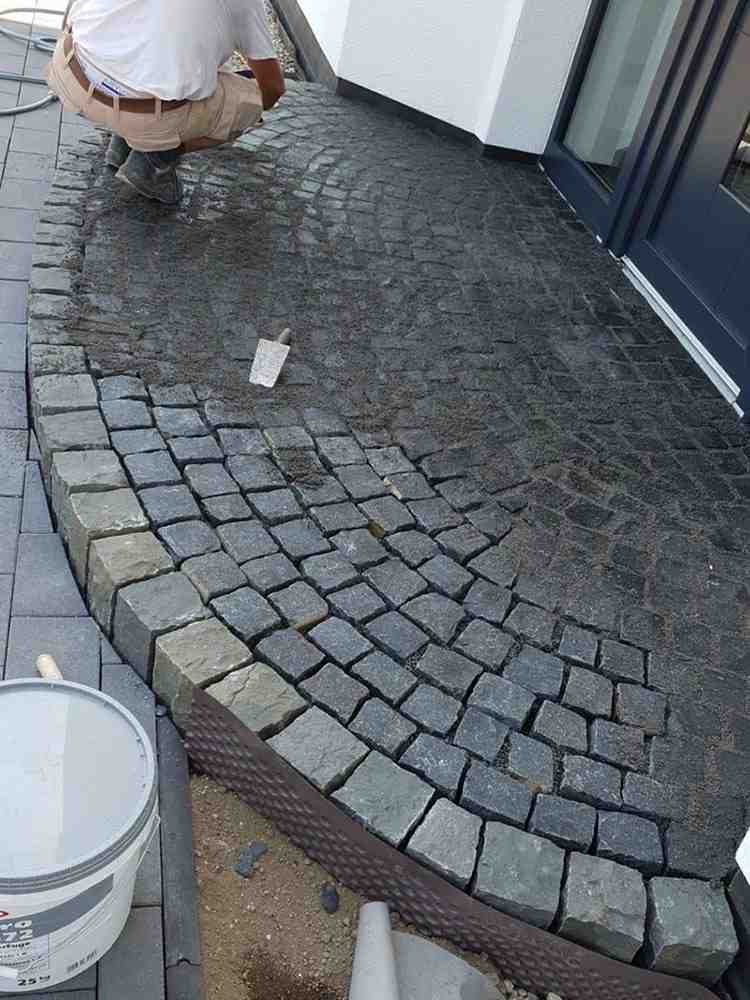
At George Hardscaping, we pride ourselves on our craftsmanship and attention to detail. A professional pool deck installation starts with what you don’t see: the foundation. Proper site preparation, including ground grading and base compaction, is what prevents your beautiful pavers from sagging, shifting, or holding water five years down the road. In the North Shore, where the soil can be heavy with clay or rocky, this step is non-negotiable. We use heavy-duty vibratory plate compactors to ensure the base is as solid as the stone itself.
Step-by-Step Construction Basics
The process of pool paver decks installation follows a strict sequence to ensure longevity:
- Excavation: Removing the soil to the required depth, accounting for the base, bedding sand, and the thickness of the paver. We carefully manage the removal of debris to minimize impact on your lawn.
- Base Compaction: Laying down layers of crushed stone (usually 3/4″ minus) and compacting them in 2-inch lifts until they are rock-hard. This provides the structural integrity for the deck.
- Drainage Layers: Ensuring water flows away from your pool and home foundation. We often install hidden drainage channels or French drains to handle heavy New England rainstorms and prevent hydrostatic pressure from building up behind walls.
- Paver Laying: Hand-setting each stone according to the design pattern, ensuring perfectly straight lines and consistent gaps. This is where the artistry of the project truly comes to life.
- Joint Filling: Sweeping in high-performance polymer sand and vibrating it into the joints to lock everything in place. This final step is what makes the deck a single, unified surface.
For vertical elements like outdoor kitchens, retaining walls, or raised planters, we may use Echelon Masonry adhered veneer to provide a high-end stone look over a structural concrete core. This allows for complex shapes and designs that would be difficult to achieve with full-thickness stone. The final step is always a thorough inspection to ensure every line is straight, every stone is secure, and the site is left cleaner than we found it.
Emerging Trends and 2026 Pool Deck Design Ideas
What’s next for poolside living? In 2026, we’re seeing a massive shift toward “functional entertaining.” Homeowners aren’t just using their pools for a quick dip; they’re living outside for the entire season. This means incorporating custom outdoor firepits right into the deck design, allowing you to dry off by the fire after a night swim. Fire features extend the usability of your pool deck into the cooler autumn months, making it a year-round destination for roasting marshmallows or enjoying a glass of wine under the stars.
Current pool design trends also highlight “watering hole” aesthetics—designs that look like natural springs rather than man-made boxes. This involves integrated planters, smart lighting that changes color based on the time of day, and even swim-up bars for the ultimate backyard party. We are also seeing a rise in “biophilic design,” which seeks to connect the built environment more closely with nature through the use of organic shapes, native plantings, and natural water sounds. Resources like Architectural Digest’s outdoor design coverage offer excellent inspiration for homeowners looking to stay ahead of the curve with high-concept designs.
Functional Additions for Entertaining
To truly elevate your space, consider adding a pergola or gazebo. These structures provide much-needed shade during the peak of the day and create a focal point for your patio design installation. Modern pergolas often feature motorized louvers and integrated sound systems, allowing you to control your environment with a smartphone app. This level of automation is becoming a standard expectation for luxury pool decks in 2026, allowing homeowners to adjust lighting, heat, and music without leaving their lounge chair.
Underwater lighting and fire bowls can add a dramatic flair to your evenings, while walkways and stairs can connect your pool area to other parts of the yard, like a vegetable garden or a kids’ play area. Don’t forget the small details that make a big difference: mosaic tile borders, built-in storage compartments under the deck for pool toys, and even integrated charging stations for your devices. These thoughtful touches turn a simple pool deck into a fully functional outdoor living suite that rivals the comfort of your indoor living room. By planning for these features during the initial design phase, you can ensure all wiring and plumbing are hidden beneath the pavers for a clean, professional finish.
Frequently Asked Questions about Pool Decks
What is the best material for a pool deck in Massachusetts?
Given our specific climate in the North Shore, we highly recommend natural stone pavers (like granite or travertine) or porcelain pavers. These materials handle the freeze-thaw cycles of Essex County exceptionally well. They are durable, slip-resistant, and won’t crack as easily as poured concrete when the ground shifts during the winter. Porcelain, in particular, is excellent for its low porosity and resistance to salt and chemicals.
How much does it cost to install a paver pool deck?
Based on average data, you can expect to pay anywhere from $15 to over $100 per square foot for a professional paver installation. The wide range accounts for the difference between basic concrete pavers and high-end natural stones like marble or premium travertine. Factors like site accessibility, the need for retaining walls, grading requirements, and the complexity of the laying pattern will also influence the final price. At George Hardscaping, we provide detailed estimates to help you understand exactly where your investment is going.
How do I make my pool deck slip-resistant?
The best way is to choose a material with a naturally textured surface from the start. Unpolished natural stones, brushed concrete, and textured porcelain are excellent choices. If you already have a deck that feels slippery, you can apply specialized non-slip sealers that add grit without changing the look of the stone. Also, ensure your pool deck installation includes proper drainage to prevent standing water, which is a major slip hazard.
Does a pool deck increase home value?
Yes, a professionally installed pool deck can significantly increase your home’s resale value and marketability. In the North Shore market, outdoor living spaces are highly coveted. A well-designed deck made of durable materials like stone or high-end pavers suggests to buyers that the home has been well-maintained and offers a premium lifestyle. It effectively increases the usable square footage of your property.
Conclusion
Creating the perfect poolside retreat is a journey of balancing style, safety, and durability. From the timeless charm of a herringbone brick pool deck to the modern sophistication of porcelain tiles, your pool deck design ideas should reflect how you and your family plan to use the space. A pool is a significant investment, and the deck is what makes that investment truly enjoyable and functional.
Whether you are in Topsfield, Newburyport, or Rockport, the team at George Hardscaping is ready to help you navigate these choices. We combine local Essex County expertise with a commitment to quality and craftsmanship that ensures your new deck isn’t just a summer luxury, but a long-term investment in your home’s value. We understand the local soil, the local weather, and the local aesthetic, making us the premier choice for North Shore hardscaping.
Ready to start your backyard transformation? Don’t wait for the summer rush to begin your project.
Request a pool deck estimate today and let’s build something beautiful together. Explore our pool deck gallery for more inspiration from our recent North Shore projects and see the George Hardscaping difference for yourself!
