The Ultimate Gallery of Backyard Fire Pit Inspiration
Create Your Dream Outdoor Space with a Fire Pit
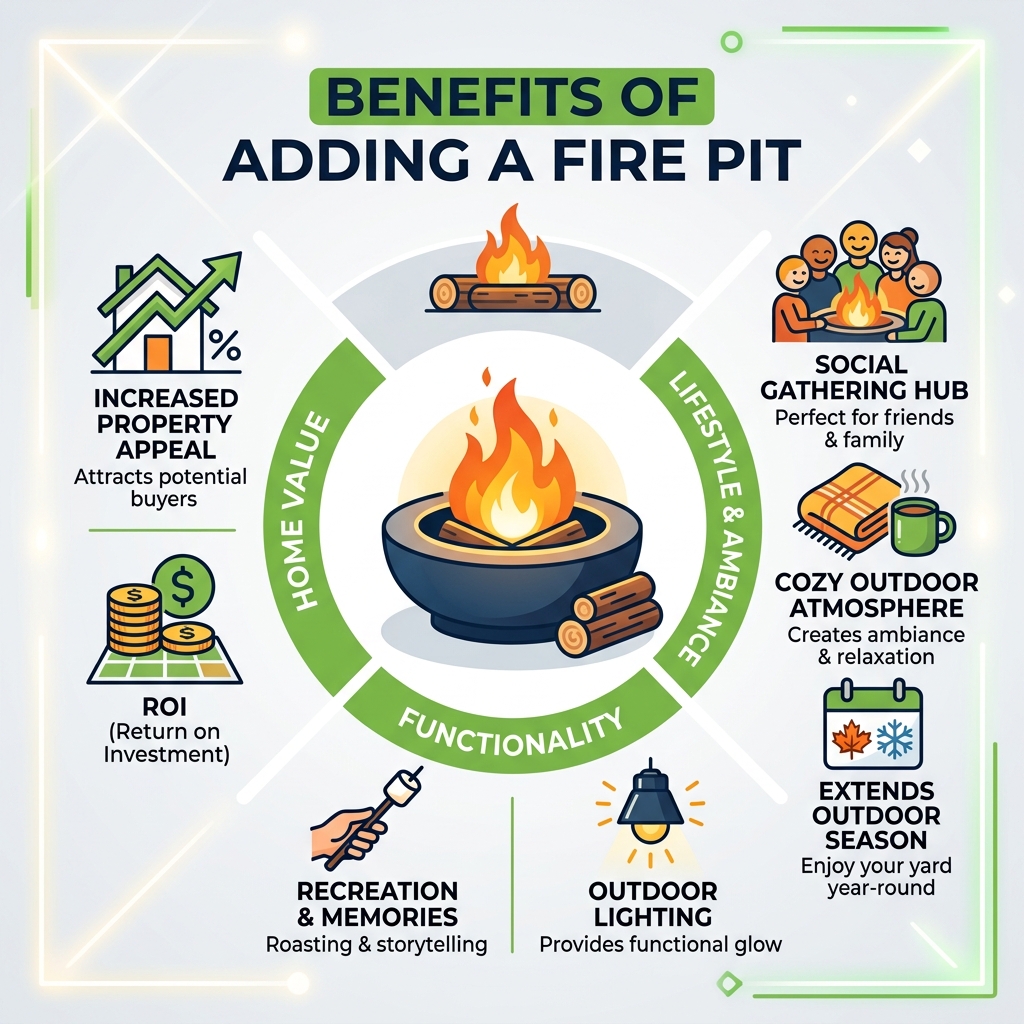
Looking for backyard fire pit ideas? A fire pit is more than just a place to burn wood; it is a gathering spot that extends your outdoor living season, adds value to your home, and creates lasting memories. In the modern era, the fire pit has evolved into a sophisticated architectural element that defines the character of a landscape. Whether you envision a sleek gas feature or a rugged stone hearth, the options available today are more diverse than ever, making it easier to create an outdoor space that feels custom-tailored to your home, climate, and lifestyle.
Here is why a fire pit is a must-have for your backyard:
- Extends Outdoor Season: Enjoy your yard on chilly New England evenings, turning a three-season space into a longer-lasting retreat.
- Adds Home Value: A desirable feature that increases curb appeal and resale potential.
- Creates a Focal Point: Naturally draws people together as a visual anchor for your landscape.
- Boosts Ambiance: Provides warmth and light that no electric heater can truly match.
- Offers a Social Hub: A perfect spot for conversation, entertaining, and unwinding after a long day.
A fire pit transforms your backyard into an inviting outdoor living room. According to the American Society of Landscape Architects, fire pits remain one of the most requested outdoor living features year after year. Whether you are in Essex County, MA, or elsewhere on the North Shore, a well-designed fire pit enhances your property’s functionality while making your backyard feel more intentional and complete. Homeowners in towns like Beverly, Danvers, and Peabody are increasingly looking for ways to maximize their square footage by moving the living room outdoors.
Before choosing a design, think about how you want to use the space. Some homeowners want a simple circular pit for roasting marshmallows with the family. Others want a fully integrated entertainment area with a seating wall, landscape lighting, and a surrounding patio. The best backyard fire pit ideas are the ones that fit the way you actually live. A compact yard may benefit from a clean-burning gas unit with streamlined seating, while a larger property might be ideal for a natural stone installation with room for a full gathering area.
Climate also matters. In coastal Massachusetts, materials need to stand up to moisture, salt air, and repeated freeze-thaw cycles. This is one reason professionally designed installations often outperform off-the-shelf kits over time. Proper drainage, a durable base, and weather-resistant materials all play a role in how well your fire pit ages through the seasons.
When considering your project, work with a professional custom firepit installer who understands the local climate. Our team of expert firepit installers specializes in creating durable features that balance safety, style, and performance. Whether you prefer a traditional wood burning fire pit or a modern gas unit, the right design will revolutionize your outdoor space.
If you want your fire feature to feel like a true extension of your home, it should be planned alongside the surrounding hardscape. Pairing a fire pit with patio design and installation services creates a more usable and visually unified outdoor area. For sloped properties or projects that need built-in seating and grade changes, landscape retaining walls can help define the space beautifully.
Ready to upgrade your backyard with a custom fire feature? Request an estimate for your project today and start planning a fire pit designed for your home.
Choosing the Right Fuel and Style for Your Backyard Fire Pit Ideas
When browsing backyard fire pit ideas, the first major decision is the fuel. In the North Shore of Massachusetts, the choice of fuel often determines how often you will use your fire pit, how much maintenance is involved, and what kind of experience you want from each gathering. Ready to elevate your property? Contact our expert firepit installers for a consultation today.
The Convenience of Gas and Propane
If you value instant gratification, gas is your best friend. A high-heat 65,000 BTU fire pit provides genuine radiant warmth without smoke or ash. Gas fire pits ignite with the turn of a dial, shut off quickly, and are ideal for smaller yards, structured patios, and homeowners who want low-maintenance performance.
- Natural Gas: A permanent solution requiring a gas line installation. This is often preferred for custom fire pit table installations and for homeowners who plan to use the fire pit frequently.
- Propane: Offers more flexibility in placement with hidden tank compartments, making it useful where a fixed gas line is not practical.
To enhance visual appeal, gas units use fillers like tumbled fire glass or natural black lava rock. You can find design inspiration on Houzz and consult the National Fire Protection Association for safety standards.
Gas fire pits are especially attractive for homeowners who entertain regularly. They light fast, maintain a consistent flame, and keep clothing, cushions, and nearby surfaces free from wood smoke residue. This can make them a better fit near outdoor kitchens, covered patios, or dining spaces where cleanliness and convenience matter. For a polished installation, many homeowners choose a professional custom firepit so the feature matches their patio materials and seating layout.
The Traditional Appeal of Wood-Burning
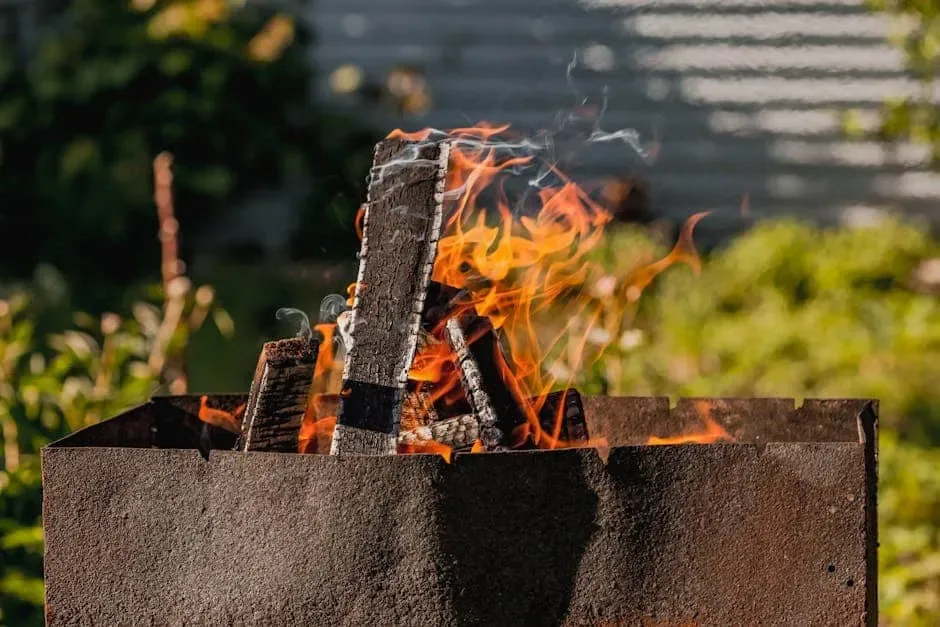
There is something irreplaceable about the crackle of real logs. For many in Essex County, a traditional wood burning fire pit is the only way to go. While traditional fires can be smoky, systems like Breeo or Solo Stove use secondary combustion to burn off smoke. When building these, we follow our outdoor fire pit builders guide to ensure necessary airflow. Always use seasoned hardwoods like oak or hickory for the best burn.
Wood-burning fire pits often create a more rustic, campfire-style atmosphere. They are perfect for homeowners who prioritize sensory experience: the sound of crackling wood, the smell of a real fire, and the process of building and tending flames. They can also produce stronger peak heat than some decorative gas units, making them popular in open seating areas during colder evenings.
That said, wood fire pits do require more upkeep. You will need dry firewood storage, routine ash removal, and greater awareness of sparks and local regulations. If your goal is a low-effort feature you can enjoy for 20 minutes on a weeknight, gas may be the better choice. If your ideal evening includes a longer gathering with a more traditional outdoor feel, wood may be worth the extra maintenance.
How to Choose the Best Fuel for Your Yard
The best fuel type depends on a few practical factors:
- How often you plan to use it: Frequent use often favors gas.
- How much maintenance you want: Gas is easier; wood requires cleanup.
- Your lot size and surroundings: Smaller spaces may benefit from cleaner-burning options.
- Your desired aesthetic: Rustic spaces often pair well with wood; modern patios often suit gas.
- Local code and utility access: Existing gas service can make natural gas more appealing.
If you are unsure, a professional custom firepit installer can help you compare the long-term costs, usage patterns, and design opportunities of each option. A well-planned fire pit should not just look good in photos. It should fit naturally into the way you relax, entertain, and use your backyard throughout the year.
Top Design Styles to Match Your Home’s Aesthetic
Your fire pit should feel like an extension of your home’s architecture. Whether you live in a historic colonial in Salem or a modern waterfront home in Gloucester, there are backyard fire pit ideas that fit your style. Choosing the right look is not only about appearance. It also affects how the fire pit relates to your patio, landscaping, seating, and overall outdoor experience.
Modern and Minimalist Backyard Fire Pit Ideas
Modern design is defined by clean lines, geometric shapes, and restrained materials. Glass Fiber Reinforced Concrete (GFRC) is a popular material for this aesthetic because it withstands the Massachusetts freeze-thaw cycle while offering a sleek, refined look. The PCI GFRC standards help explain why these units are valued for durability and structural performance.
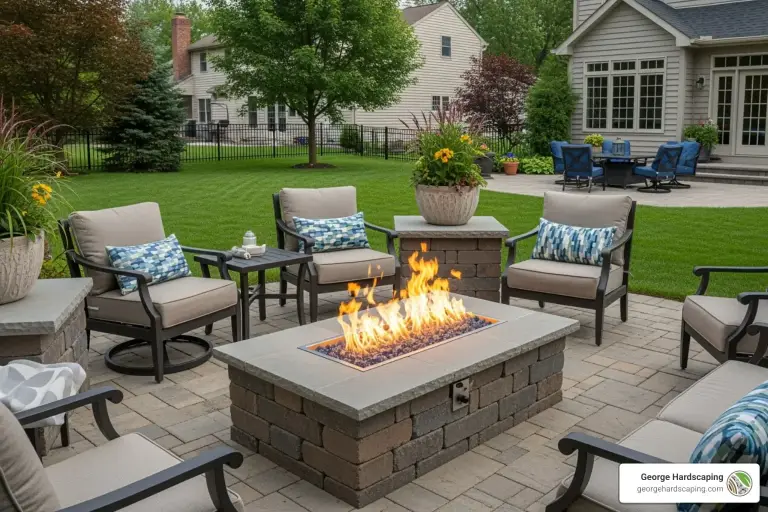
Consider custom fire pit designs using powder-coated metal, smooth concrete finishes, or a linear GFRC fire pit table. Pairing the feature with patio design and installation services ensures the fire pit and seating zones feel cohesive.
Modern fire pits often work best with neutral color palettes, wide-format pavers, and carefully planned lighting. A rectangular or square feature can help define separate lounging and dining zones in a contemporary backyard. If you want a clean, architectural look, this style is ideal for reducing visual clutter while still creating a warm and welcoming focal point.
Rustic and Natural Backyard Fire Pit Ideas
Professional masonry fire pit construction using natural stone is a timeless choice. High-quality fire pit stone and fieldstone create a sense of permanence and blend beautifully with traditional homes, wooded lots, and informal gardens. We love using brick outdoor firepit designs for homes in Newburyport or Marblehead. For a truly tailored solution, a professional custom firepit ensures the dimensions match your property exactly. For more inspiration, see This Old House’s fire pit gallery.
Rustic fire pits tend to feel more relaxed and organic. Round layouts, weathered textures, and natural stone seating walls all contribute to a comfortable, gathered-around-the-fire atmosphere. This style is especially popular for family backyards where the goal is casual entertaining rather than formal outdoor design.
Sunken Conversation Pits and Built-in Seating
For ultimate luxury, consider a sunken fire pit. By recessing the seating area, you create an intimate, wind-protected room. Landscape retaining walls can double as backrests for built-in stone benches. Proper drainage is essential, requiring careful planning and adherence to International Masonry Institute standards. Request an estimate for your project today.
This style works well when you want the fire pit to feel like a destination rather than just an accessory on the patio. Built-in seating improves circulation, reduces the need for movable furniture, and gives the installation a custom, high-end appearance. It is also a smart way to use elevation changes on sloped properties.
Matching Your Fire Pit to the Rest of the Landscape
A fire pit should not feel disconnected from the rest of your yard. The most successful designs repeat materials, colors, and shapes used elsewhere in the landscape. If your home features granite steps, a stone veneer foundation, or a bluestone patio, those cues can guide material selection. If your yard already includes terraces or grade changes, integrating the fire pit into landscape retaining walls can make the final result feel intentional instead of added on later.
You should also think about scale. A large masonry pit may overwhelm a compact patio, while a tiny portable feature can look undersized in a spacious outdoor living area. Custom sizing is often the difference between a fire pit that looks acceptable and one that looks perfectly proportioned.
Popular Layout Ideas to Consider
If you are still narrowing down your favorite backyard fire pit ideas, these layouts are consistently effective:
- Centered round pit with surrounding chairs: Classic, flexible, and ideal for conversation.
- Rectangular fire table on a patio: Great for modern entertaining and multi-use seating areas.
- Stone pit with curved seating wall: Excellent for maximizing seating without clutter.
- Sunken fire lounge: Best for luxury landscapes and wind protection.
- Fire pit off the main patio: Creates a secondary destination space in larger yards.
The right design style will always depend on how your family uses the space, what your house looks like, and how permanent you want the installation to feel. If you want a cohesive result, combining custom fire pit designs with a professionally planned patio layout will deliver the strongest long-term value.
Essential Materials and DIY Construction Basics
Building a fire pit requires durability and safety. Understanding the science of thermal expansion is critical when selecting materials exposed to extreme heat and freezing temperatures. In New England, this matters even more because the same structure may experience summer heat, autumn rain, winter snow, and repeated freeze-thaw cycles within a single year.
Selecting the Best Materials for Longevity
Not all stones are created equal. Porous stones like river rocks can explode when heated, which makes them a risky choice despite their natural appearance. For a safe, long-lasting pit, we recommend:
- Granite and Basalt: Dense stones that handle thermal expansion well and resist the freeze-thaw cycle.
- Corten Steel: Develops a rusted orange patina that protects the metal from corrosion.
- Fire Bricks: Essential for lining the interior of wood-burning masonry pits to withstand direct flame.
Choosing the right durable fire pit stone is the foundation of a successful project. For more on material science, check out The Spruce’s guide to outdoor materials.
Beyond the visible finish materials, the hidden layers are just as important. A strong compacted gravel base improves drainage, reduces movement, and helps prevent seasonal settling. In masonry projects, the interior lining and proper air gap can dramatically improve safety and longevity. For gas installations, burner quality, ventilation, and access to components for service are all essential details that should never be overlooked.
Step-by-Step DIY Installation Overview
If you are considering a DIY approach, follow these steps from The Home Depot:
- Call 811: Have utility lines marked before digging.
- Site Prep: Choose a level spot at least 10-15 feet from your house.
- Excavation: Dig 12 inches deep for a solid foundation.
- The Base: Fill with 6 inches of crushed gravel and compact it for drainage.
- Adhesive: Use high-heat landscape adhesive to bond stone layers.
- Inserts: Use a custom fire pit wind guard or steel fire-ring insert.
For a detailed walkthrough, see our build a fire pit guide. While DIY is possible for basic pits, complex masonry should be handled by outdoor fire pit builders.
When DIY Makes Sense and When It Does Not
A simple, low-profile, wood-burning fire pit in an open yard may be a reasonable DIY project for an experienced homeowner. If the area is level, the design is basic, and local code allows it, a kit or straightforward block build can work well.
However, DIY becomes far less practical when the project includes any of the following:
- Gas lines or ignition systems
- Custom masonry layouts
- Built-in seating walls
- Sloped terrain or drainage challenges
- Large-format stone or premium finishes
- Permit requirements or code-sensitive setbacks
Those situations usually call for expert firepit installers who can ensure the project is safe, durable, and compliant.
Common Material and Construction Mistakes to Avoid
Many fire pit problems are caused by a few predictable errors:
- Using heat-sensitive or porous stone in the burn area
- Skipping the gravel base or inadequate compaction
- Building too close to the house, fence, or trees
- Forgetting drainage in a recessed or low-lying area
- Using the wrong adhesive or non-rated interior materials
- Choosing a style that does not match the patio or available space
Even a beautiful fire pit can fail early if these basics are ignored. This is why professional planning often saves money over time. The right installation reduces repairs, improves comfort, and helps the feature hold up through years of weather exposure.
If you want a fire pit that looks custom and performs reliably season after season, investing in professional masonry fire pit construction or working with a professional custom firepit installer is often the smartest route.
Creating the Perfect Ambiance: Seating, Lighting, and Landscaping
Comfortable Seating Arrangements
When exploring various backyard fire pit ideas, Adirondack chairs remain a classic choice for comfort and style. Ensure at least a 4-foot clearance between the fire pit edge and chairs to allow for safe movement and legroom. For a permanent feel, custom round fire pit caps can double as informal seating for larger groups. An L-shaped wicker sectional paired with a fire table creates a resort-like vibe that is perfect for modern homes. Combining the feature with patio design and installation services ensures traffic flow and seating work together seamlessly.
The best seating plan depends on how you use the space. If your gatherings are casual and flexible, movable chairs work well because they can be rearranged easily. If you entertain larger groups or want a more permanent look, built-in benches or seating walls create structure and reduce furniture clutter. Curved seating is especially effective around a round pit because it encourages conversation and gives every guest a clear view of the fire.
Comfort also depends on distance. Seats placed too far away lose warmth, while seats too close can feel uncomfortable. In general, a layout should allow people to warm up without needing to lean away from the heat. Side tables, integrated caps, or low walls nearby also improve convenience by giving guests a place to set drinks and plates.
Enhancing the Scene with Lighting and Plants
Lighting should support the fire, not compete with it. Use under-cap lights on a stone wall or low-voltage landscape lighting to illuminate paths safely. Use architectural fiberglass planters filled with ornamental grasses for privacy and texture. In Essex County, integrating your fire pit into a professional patio design creates a seamless flow between different outdoor zones. Browse Yardzen’s fire pit landscaping ideas for more inspiration, and consult the UMass Amherst Landscape Extension for plant selection that thrives in the local climate. If your property has a slope, landscape retaining walls can improve drainage and create built-in seating. Request an estimate for your project today.
Soft path lighting, step lights, and subtle wall illumination help guests navigate safely while preserving the warm glow of the flames. Overly bright floodlights can wash out the atmosphere, so layered, low-level lighting usually works best. If the fire pit sits farther from the house, lighting the path between the back door and the patio becomes even more important for safety and accessibility.
Planting design can also transform the experience. Ornamental grasses add movement and softness, evergreen shrubs provide year-round screening, and hardy perennials can frame the seating area without making it feel overplanted. Keep highly flammable or resin-heavy plants away from the immediate fire zone, and leave enough open space for circulation and maintenance.
Finishing Touches That Make the Space Feel Complete
A great fire pit area is about more than the flame itself. Thoughtful finishing touches can elevate the space from functional to memorable:
- Outdoor pillows and weather-resistant cushions for added comfort.
- A nearby storage bench for blankets or fire-tending accessories.
- Defined pathways that connect the fire pit to the home or other garden features.
- Matching paver, stone, or wall materials for visual continuity across the landscape.
- Wind protection through walls, grade changes, or strategic plantings.
When these details are planned together, your fire pit becomes a true outdoor room rather than a single standalone feature. That is why many homeowners see the best results when the fire pit is designed as part of a full patio design and installation services plan.
Safety, Maintenance, and Frequently Asked Questions
Safety Guidelines and Massachusetts Regulations
In Essex County, specific fire codes govern outdoor burning. Maintain a 10 to 15-foot clearance from any structure.
- Check the Weather: Never light a fire on high-wind days.
- Extinguishing: Keep a hose or bucket of sand nearby.
- Spark Screens: Essential for wood-burning pits to prevent floating embers.
- Permits: A permanent custom outdoor fire pit with a gas line often requires a permit. Check 527 CMR 1.00 for the Massachusetts Fire Safety Code.
Our outdoor fire pit builders guide covers local ordinances. You can also review guidance from the NFPA and Better Homes & Gardens.
Safety begins with placement. A fire pit should sit on a stable, noncombustible surface with enough open space around it for seating and movement. Trees, fences, pergolas, and overhanging branches all need to be considered during the planning stage. Gas models should be installed with proper ventilation and according to manufacturer requirements, while wood-burning installations need careful ember control and enough clearance for users to tend the fire safely.
Maintenance Tips
Wood-burning pits should be cleaned regularly of ash. Gas fire pits need seasonal inspection for burner clogs. In Massachusetts, freeze-thaw weather is the biggest threat to masonry. Quality masonry fire pit construction is your best defense.
- Use a cover to keep out rain and snow.
- Burn seasoned hardwoods to reduce smoke and creosote.
- Inspect annually for loose stone or burner corrosion.
Routine maintenance is simple, but consistency matters. Ash left in a wood pit can trap moisture, which accelerates wear. Gas burners can become less efficient if debris, insects, or leaves collect in the system. For masonry features, small cracks should be addressed early before water intrusion leads to more serious deterioration during winter.
Seasonal Care for New England Fire Pits
Because Massachusetts weather can be harsh, a little seasonal care goes a long way:
- In spring, inspect for movement, cracks, or winter damage.
- In summer, keep the surrounding area clear of dry debris and overgrowth.
- In fall, clean out leaves and prepare for heavier use.
- In winter, use a fitted cover and avoid allowing standing water to freeze inside the structure.
For premium installations, a yearly inspection by expert firepit installers can help catch minor issues before they turn into costly repairs.
Frequently Asked Questions
| Feature | Wood-Burning | Natural Gas / Propane |
|---|---|---|
| Maintenance | High (ash removal) | Low (cleaning burner) |
| Heat Output | High, inconsistent | Consistent, adjustable |
| Ambiance | Classic crackle | Clean, modern |
| Installation | DIY-friendly | Professional recommended |
- How far from the house? We recommend 10 to 20 feet. Check with your local fire department in towns like Topsfield or Wenham.
- On a wood deck? Never place a wood-burning pit on a deck. Gas tables may be used if specifically rated and used with a heat-resistant pad.
- Best stone? In the North Shore, we recommend granite or fieldstone. Request an estimate to see which stones fit your layout.
- Professional installation? For gas lines or complex masonry, hiring firepit installers ensures safety and code compliance.
- Do smokeless fire pits eliminate all smoke? No, but they can reduce smoke significantly when used with dry, seasoned wood and proper airflow.
- Are built-in seating walls worth it? Yes, especially if you want a permanent, low-maintenance seating solution that maximizes usable space.
- Can a fire pit be part of a full patio renovation? Absolutely. Coordinating it with patio design and installation services usually leads to a more cohesive result.
Final Planning Advice
The safest and most attractive fire pits are the ones that are planned holistically. Fuel type, setbacks, drainage, seating, materials, and visual style all need to work together. A rushed build may seem cheaper at first, but professional planning often delivers better longevity, better performance, and fewer safety concerns.
If you are ready for a fire pit that is built for beauty, comfort, and code compliance, start your custom outdoor fire pit project today or request an estimate for your project now.
Conclusion
A backyard fire pit is a significant investment in your lifestyle, social life, and property value. At George Hardscaping, we take pride in our Essex County craftsmanship, helping homeowners from Newburyport to Swampscott reclaim their outdoor spaces and enjoy the beauty of the North Shore year-round. We understand that a fire pit is the heart of the backyard, and we are dedicated to building features that are as safe and durable as they are beautiful.
The best results come from designing the fire pit as part of a complete environment, pairing it with patio design and installation services and landscape retaining walls to create a cohesive look. Whether you want a traditional wood burning fire pit for that classic crackle or a custom gas feature for modern convenience, our team is here to guide you through every step of the process.
Start your custom outdoor fire pit project today and let us build the social anchor your backyard deserves. Request an estimate for your project now to take the first step toward your dream outdoor living space.