
How Much Does It Cost to Repair Brick Steps in 2024?
Why Repairing Brick Steps is Crucial for Your Home
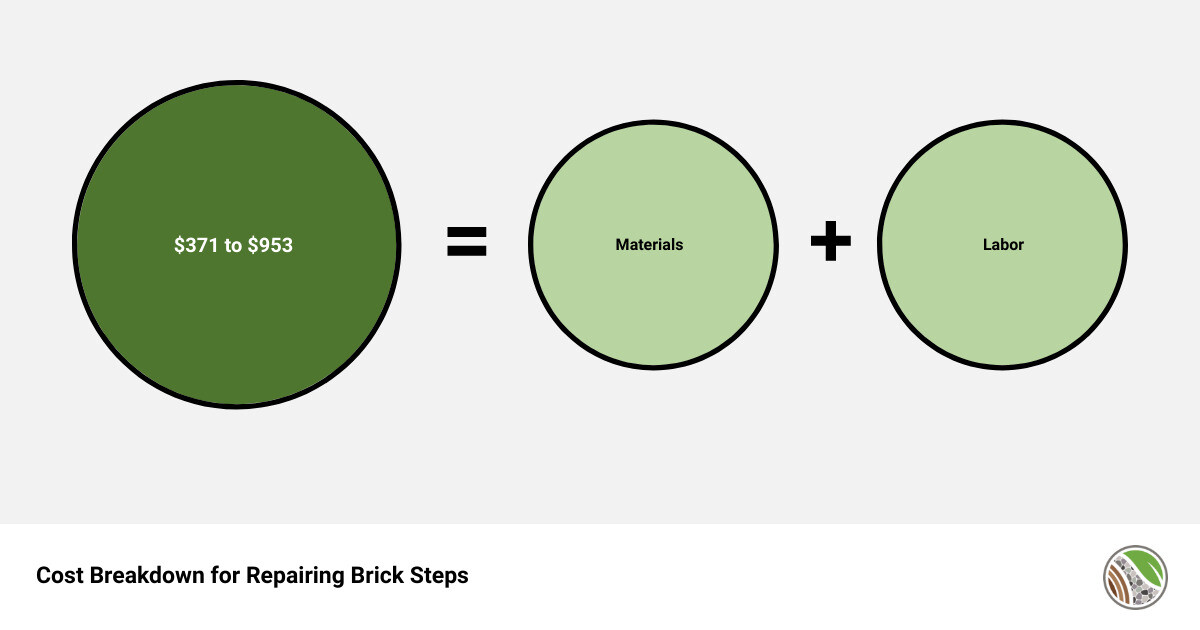
How much does it cost to repair brick steps? On average, repairing brick steps can range from $371 to $953 depending on materials and labor.
Breakdown:
– Brick Cost: $250–$800 per 500-brick pallet
– Concrete Mix (60 lbs): $15
– Mortar Mix (60 lbs): $6
– Other tools and materials: $100–$150
Brick steps add a timeless charm to any home, but they also need proper upkeep. Repairing brick steps is essential for aesthetics and safety. Over time, the harsh elements can cause bricks to crumble or mortar to crack. Ignoring these issues can lead to more extensive damage and higher costs down the line.
Aesthetics
Unrepaired brick steps can diminish your home’s curb appeal. Fresh, solid bricks make your entrance look welcoming and well-kept.
Safety
Cracked or loose bricks pose a serious hazard. Timely repairs ensure that your steps are safe for everyone who uses them.
Repairing brick steps isn’t just about keeping things looking good; it’s a necessary task for maintaining the structural integrity of your home.
Understanding Brick Step Damage and Repair Needs
Types of Damage
Brick steps can suffer from various types of damage over time. Here are the most common ones:
- Cracks: These can appear in both the bricks and the mortar. Cracks are often caused by natural settling, weather changes, or heavy traffic.
- Spalling: This is when the surface of the brick flakes off, often due to moisture entering the brick and freezing.
- Loose Bricks: Bricks can become loose if the mortar holding them in place deteriorates.
- Discoloration: This can be due to water damage, mold, or mildew.
Signs of Wear
Knowing the signs of wear can help you catch problems early. Look for:
- Visible Cracks: Small cracks can become big problems if left untreated.
- Flaking or Peeling: This indicates spalling and should be addressed quickly.
- Loose or Wobbly Bricks: These are safety hazards and need immediate attention.
- Discoloration or Stains: This often means water is getting into places it shouldn’t.
When to Repair
Timely repairs can save you from more extensive (and expensive) damage. Here’s when to take action:
- Immediately: Fix loose bricks or major cracks right away to avoid safety risks.
- Early Signs: Address minor cracks and discoloration as soon as you notice them.
- Regular Maintenance: Schedule regular inspections and maintenance every few years to catch problems early.

If you spot any of these issues, it’s time to think about repairs. Taking care of your brick steps promptly ensures they remain safe and attractive for years to come.
Next, we’ll dive into How Much Does It Cost to Repair Brick Steps? and break down the various factors that influence the cost.
How Much Does It Cost to Repair Brick Steps?
Factors Influencing the Cost of Brick Step Repairs
When it comes to repairing brick steps, several factors can affect the overall cost:
- Type of Brick: Different bricks have different prices. For instance, red bricks cost between $0.40 and $0.90 per brick, while antique bricks can cost between $7 and $10 each. The type of brick you choose will significantly impact your budget.
- Extent of Damage: Minor repairs, like fixing small cracks or repointing mortar, are less expensive than major repairs, such as replacing multiple steps or fixing structural issues.
- Accessibility: If your brick steps are in a hard-to-reach area, labor costs may increase. Easy access means less time and effort for the repair crew, reducing the overall cost.
- Local Rates: Labor costs can vary widely depending on your location. For example, masonry work can cost between $40 and $100 per hour. Local rates will influence the final price of your project.
Average Costs for Common Brick Step Repairs
Here’s a breakdown of average costs for common brick step repairs:
- Mortar Repair: Cracks in mortar may start appearing after 20 to 30 years. Repointing (replacing the old mortar) costs between $3 and $25 per square foot. This is a common and necessary repair to maintain the integrity of your steps.
- Spalling: Spalling bricks, which become crumbly, flaky, or pitted, can cost between $1,000 and $3,500 for up to 100 square feet. This involves replacing damaged bricks and addressing the underlying causes like moisture issues.
- Cracks: Fixing cracks in the bricks themselves can vary. Minor cracks may be filled with mortar for a minimal cost, but significant cracks requiring brick replacement can cost more. On average, expect to pay $300 to $750 per step for extensive repairs.
- Full Step Replacement: If a step is severely damaged or crumbling, replacing it is often the best option. This can cost between $1,500 and $4,400 for a full stoop replacement of 3 to 5 steps.
DIY vs. Professional Repair
- DIY Repair: If you’re considering a DIY approach, be prepared for a challenging task. Basic materials like bricks (around $250 to $800 per 500-brick pallet) and mortar mix ($6 for 60 lbs) are relatively inexpensive. However, the total cost can range from $371 to $953, depending on the tools and additional materials required. That improper repairs can lead to further damage and higher costs down the line.
- Professional Repair: Hiring a professional mason ensures the job is done correctly and safely. Professional repairs can range from $500 to $2,500 on average, depending on the extent of the damage and the complexity of the repair. While it may seem more expensive upfront, professional repairs often save you money in the long run by preventing future issues.
Understanding these factors and average costs will help you make informed decisions about your brick step repairs. Next, we’ll explore various Repair Techniques and Their Costs to give you a clearer picture of what to expect.
Repair Techniques and Their Costs
Choosing the Right Repair Method
When it comes to repairing your brick steps, choosing the right method is crucial. Let’s break down the most common techniques: tuckpointing, repointing, replacement, and structural fixes.
Tuckpointing
Tuckpointing involves removing old, damaged mortar and replacing it with new mortar. This technique is ideal for fixing cracks and gaps in the mortar joints without replacing the bricks themselves.
- Cost: The price ranges from $5 to $25 per square foot. Expect higher costs for intricate or ornate patterns.
- When to Use: Choose tuckpointing if the bricks are in good condition but the mortar is cracked or crumbling.
- Expected Outcome: This method can extend the life of your brick steps by 20 to 30 years.
Repointing
Repointing is similar to tuckpointing but generally used for larger areas. It involves chipping out the old mortar and applying new mortar to the joints.
- Cost: Typically, it costs between $3 and $12 per square foot.
- When to Use: Use repointing for extensive mortar damage but where the bricks are still intact.
- Expected Outcome: Repointing can also last up to 30 years if done correctly.
Replacement
Replacement involves removing and replacing damaged bricks. This is often necessary for bricks that are crumbling or spalling.
- Cost: Replacing bricks can cost between $7 and $10 per brick, depending on the type of brick used.
- When to Use: Opt for replacement when bricks are severely damaged or spalling.
- Expected Outcome: New bricks can last hundreds of years with proper maintenance.
Structural Fixes
Structural fixes address issues that affect the integrity of your brick steps, such as foundation problems or significant shifts in the structure.
- Cost: These fixes can be expensive, ranging from $1,000 to $5,000 or more, depending on the severity.
- When to Use: Use structural fixes for major issues like sinking steps or severe cracks that indicate foundational problems.
- Expected Outcome: Proper structural fixes can stabilize your steps and prevent future issues, making them a long-term solution.
Assessment and Method Selection
Before deciding on a repair method, a thorough assessment is essential. A professional mason can evaluate the extent of the damage and recommend the most suitable technique.
- Assessment: Look for signs of wear like cracks, spalling, and loose bricks. A professional inspection can identify underlying issues.
- Method Selection: Choose the method based on the extent of damage, type of brick, and your budget. For minor cracks, tuckpointing or repointing may suffice. For severe damage, consider replacement or structural fixes.
- Expected Outcomes: Proper assessment and method selection ensure that the repairs are effective and long-lasting, saving you money in the long run.
Understanding these repair techniques and their costs will help you make informed decisions about maintaining your brick steps. Up next, we’ll discuss Preventative Measures and Maintenance to keep your steps in top shape.
Preventative Measures and Maintenance
Keeping your brick steps in great condition is easier than you might think. Here are some simple preventative measures and maintenance tips to help you avoid costly repairs down the line.
Regular Inspections
Inspect your brick steps regularly. Look for signs of wear and tear, like cracks in the mortar, loose bricks, or spalling (flaky or crumbling bricks).
Cracks in brick mortar are normal after 20 to 30 years, but catching them early can save you a lot of trouble. If you spot any issues, get a professional mason to inspect and fix them before they worsen.
Proper Cleaning
Clean your bricks properly to prevent damage. Avoid high-pressure washers, which can erode the brick surface. Instead, use soapy water and a good old-fashioned scrubbing brush.
If your bricks are dirty or growing moss and lichen, give them a good clean before any repair work. This ensures a stronger bond when repointing the mortar.
Immediate Action on Minor Damages
Act quickly on minor damages. Small issues can escalate if left unattended. For example, repointing or tuckpointing a few square feet of wall is much cheaper than fixing foundation damage later.
If you notice crumbling mortar, get it repointed or tuckpointed as soon as possible. This prevents water from seeping in and causing more extensive damage.
Additional Tips
- Grade your property properly to ensure it slopes away from your house. This prevents water from pooling around your brick steps.
- Clean your gutters regularly to avoid water overflow that can damage your bricks.
- Check pipework attached to your brick steps for leaks. Fix any issues promptly to prevent water damage.
- Trim trees near your brick steps. Tree roots can put pressure on the brickwork, causing cracks or displacement.
Following these simple steps will help you maintain your brick steps, extending their lifespan and keeping them safe and beautiful.
Next, we’ll tackle some Frequently Asked Questions about Brick Step Repairs to clear up any lingering doubts you might have.
Frequently Asked Questions about Brick Step Repairs
Can DIY Methods Be Effective for Brick Step Repairs?
DIY methods can be effective for minor repairs, but they come with risks. Simple tasks like repointing mortar or replacing a few bricks can be handled by handy homeowners. For example, using mortar mix to repair minor cracks is a common DIY project.
However, brick step repairs are often complex and require specialized skills. Using the wrong materials or techniques can lead to crumbling and premature wear. If you’re unsure, hiring a professional mason is advisable. As Bob Tschudi, a general contractor, says, “The best choice for a DIYer is to take on the things that you can do, such as removal of railings and demolition of an existing staircase.”
What Are the Signs That Brick Steps Need Immediate Repair?
Look out for these signs to know when your brick steps need immediate attention:
- Crumbling or Spalling Bricks: This refers to a flaky or pitted appearance, often caused by freeze-thaw cycles, non-breathable sealants, or high-pressure water cleaning.
- Cracks in Mortar: Mortar can start cracking after 20 to 30 years. If left unattended, it can lead to more severe damage.
- Loose Bricks: Bricks that are moving or out of place can be a safety hazard.
- Water Damage: Signs of water damage include discoloration, mold, or moss growth.
If you notice any of these issues, it’s crucial to address them promptly to avoid further damage and potential safety risks.
How Long Do Brick Step Repairs Last?
With proper upkeep, brick steps can last hundreds of years. However, repairs like repointing mortar may be needed every 20 to 30 years. The longevity of your repairs depends on several factors:
- Quality of Materials: Using high-quality bricks and mortar can extend the lifespan of your repairs.
- Climate: Harsh weather conditions can accelerate wear and tear.
- Maintenance: Regular inspections and timely repairs help prolong the life of your brick steps.
For professional work that lasts, it’s essential to hire a skilled mason. This investment ensures that your brick steps remain safe and beautiful for decades to come.
Conclusion
In summary, understanding how much it costs to repair brick steps involves considering various factors such as the type of brick, the extent of the damage, and labor costs. Regular maintenance and timely repairs can save you money in the long run and keep your steps safe and visually appealing.
Timely repairs are crucial. Ignoring small issues can lead to bigger problems, costing more in the future. Cracks in the mortar, spalling bricks, and structural issues should be addressed as soon as they appear. This not only maintains the aesthetic of your property but also ensures safety.
If you’re unsure about the condition of your brick steps or need professional advice, don’t hesitate to contact us at George Hardscaping. Our team of experienced masons can provide a thorough inspection and recommend the best course of action for your brick step repairs. We are committed to delivering high-quality craftsmanship that will last for decades.
Reach out today for a free estimate and let us help you keep your brick steps in top condition!
