
Driveway Drivable Grass Pavers: Top 5 Eco-Friendly Benefits
If you’re considering driveway drivable grass pavers, you’re on the right track for an eco-friendly and aesthetically pleasing choice for your home. Grass pavers combine the lush beauty of a green lawn with the practicality of a solid, drivable surface. They’re a smart choice for those who want to improve their property’s curb appeal while making a positive environmental impact.
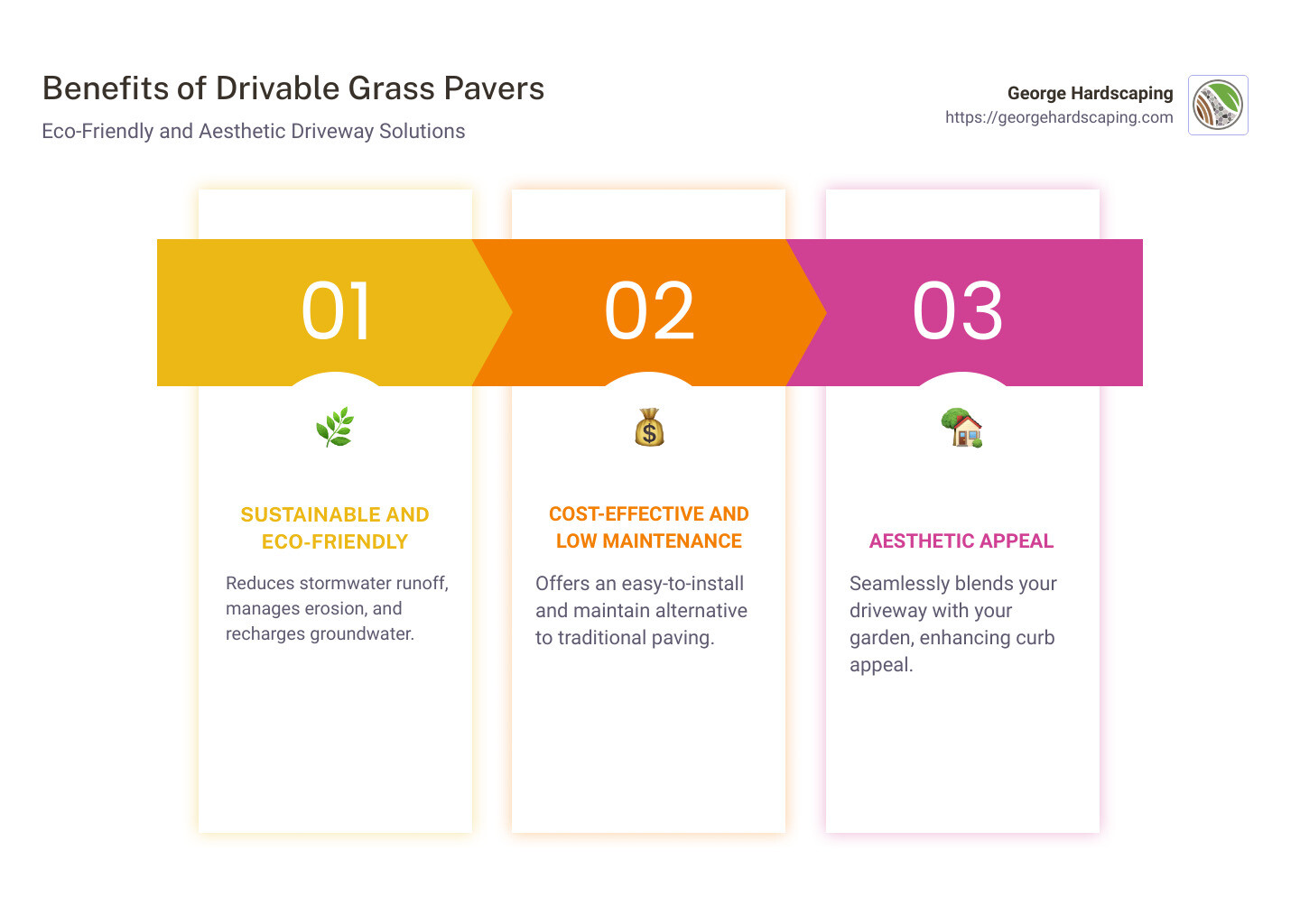
- Sustainable and Environmentally Friendly: These pavers reduce stormwater runoff, help manage erosion, and recharge groundwater.
- Cost-effective and Low Maintenance: Easy to install and maintain, they offer a greener alternative to traditional paving like asphalt or concrete.
- Aesthetic Appeal: They create a seamless blend between your driveway and garden, preserving the natural beauty of your landscape.
Imagine your home with a driveway that’s not just a functional necessity but a statement piece, harmonizing with nature. Grass pavers don’t just pave the way for your vehicle—they pave the way for sustainability and elegance in your outdoor spaces.
Benefits of Drivable Grass Pavers
When it comes to driveway drivable grass pavers, the advantages extend far beyond aesthetics. These innovative systems provide multiple environmental benefits that make them a standout choice for eco-conscious homeowners.
Stormwater Management
One of the primary benefits of grass pavers is their exceptional ability to manage stormwater. Traditional driveways made of concrete or asphalt often contribute to stormwater runoff, which can lead to flooding and erosion. In contrast, grass pavers allow water to seep through the surface and into the ground below, mimicking the natural water cycle.
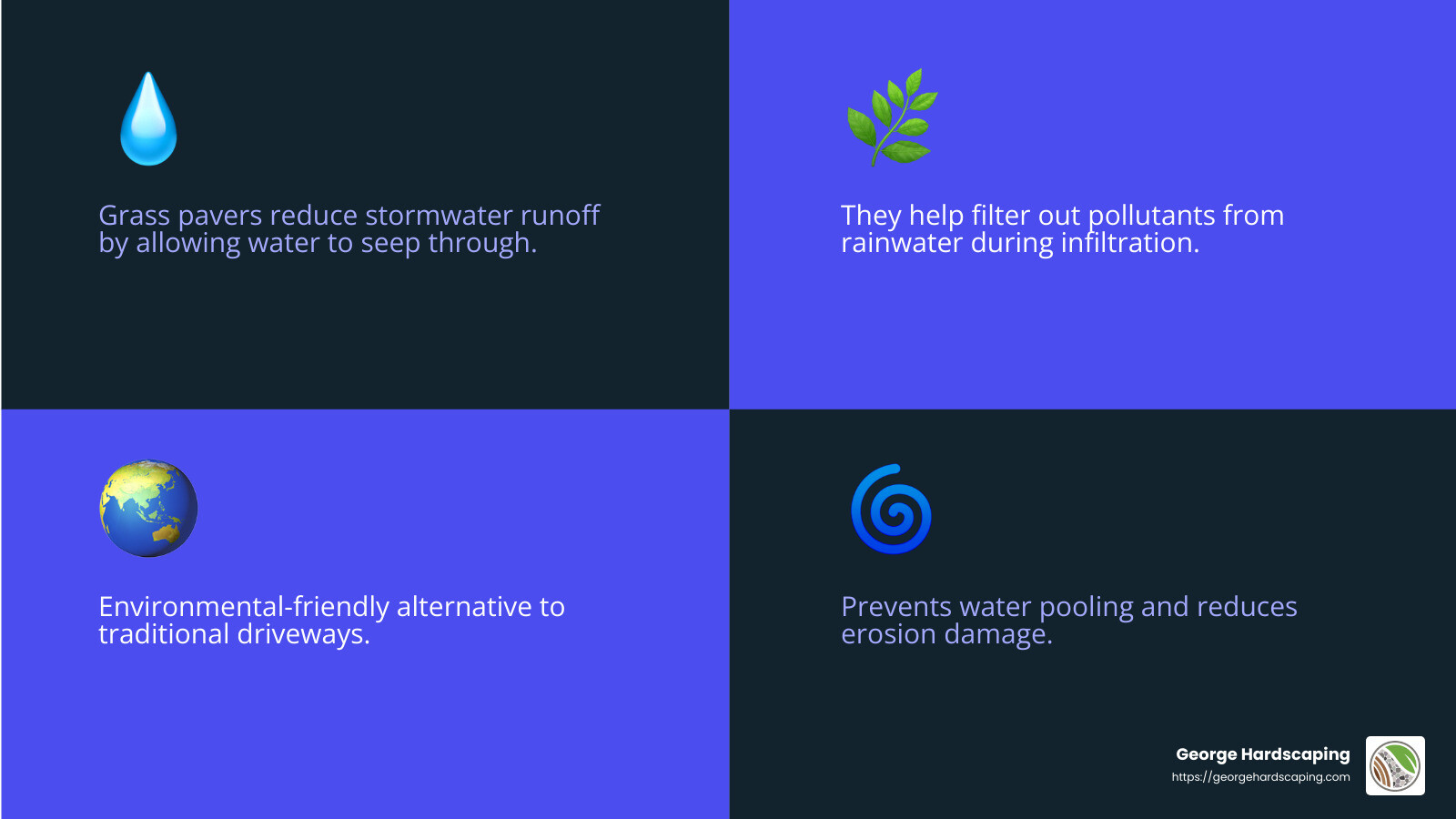
This infiltration process helps to filter out pollutants and prevents water from pooling on the surface. By reducing runoff, grass pavers contribute to healthier waterways and minimize the risk of flooding in urban areas.
Reducing the Heat Island Effect
Urban areas often suffer from the “heat island” effect, where man-made structures like roads and buildings absorb and retain heat. Grass pavers combat this by providing a cooler, more reflective surface compared to traditional paving materials.
The greenery from the grass helps to absorb sunlight, rather than reflecting it back into the atmosphere, which can significantly lower surface temperatures. This cooling effect not only makes your driveway more comfortable to walk on during hot days but also contributes to a cooler overall environment in your neighborhood.
Groundwater Recharge
Grass pavers play a crucial role in groundwater recharge. As water seeps through the paver system, it percolates into the soil and replenishes underground aquifers. This process is vital for maintaining the water table levels, especially in areas where groundwater is a primary source of water for residential and agricultural use.
By facilitating natural water cycles, grass pavers help ensure a sustainable water supply, which is increasingly important in regions facing water scarcity.
In summary, driveway drivable grass pavers offer significant environmental benefits. They reduce stormwater runoff, mitigate the heat island effect, and promote groundwater recharge. These pavers are not just a sustainable choice; they are a practical solution for enhancing the environmental health of your property and community.
Types of Drivable Grass Pavers
When selecting driveway drivable grass pavers, there are three main types to consider: concrete, plastic, and stable grid systems. Each type offers unique benefits and is suited for different needs and preferences.
Concrete Grass Pavers
Concrete grass pavers are robust and offer a stylish look. They are designed with openings that allow grass to grow through, creating a green, permeable surface. This type of paver combines the strength of concrete with the environmental benefits of natural grass.
- Strength and Durability: Concrete is known for its longevity and ability to withstand heavy loads. This makes it ideal for driveways that experience frequent vehicle traffic.
- Aesthetic Appeal: Available in various textures and colors, concrete pavers can mimic natural stone or brick, adding a touch of elegance to your driveway.
- Environmental Benefits: Specially designed permeable options allow water to pass through, reducing runoff and promoting drainage.
Plastic Grass Pavers
Plastic grass pavers offer a blend of durability and flexibility. These pavers consist of a grid system that can be filled with soil and grass or gravel.
- Durability: Made from tough materials, plastic pavers can endure various weather conditions without cracking.
- Economical: They are usually less expensive than some other paver options, providing good value for money.
- Design Flexibility: Available in different designs, plastic pavers can be used to create attractive patterns while supporting occasional vehicular traffic.
Stable Grid Systems
Stable grid systems are interlocking porous paving solutions designed to reinforce the ground. They provide a stable base for grass or gravel to grow through.
- Ground Reinforcement: These systems stabilize the ground, preventing ruts and maintaining a level surface even during heavy rains.
- Eco-Friendly: By allowing water to permeate through the surface, stable grids help recharge groundwater and manage stormwater effectively.
- Easy Installation: Typically, these systems are straightforward to install, requiring minimal tools and effort.
Each type of drivable grass paver offers distinct advantages. Concrete pavers are perfect for those seeking durability and style. Plastic pavers are a cost-effective and versatile option. Stable grids provide excellent ground stabilization and environmental benefits. When choosing pavers, consider the specific needs of your driveway, including traffic load, climate, and desired appearance, to ensure you select the best solution for your home.
Installation Process for Drivable Grass Pavers
Installing driveway drivable grass pavers is a straightforward process that can transform your driveway into an eco-friendly and visually appealing space. Here’s how you can do it:
Base Preparation
The first step is to prepare a solid foundation for your grass pavers. This involves digging down approximately 6 inches from the street grade level. The depth may vary based on the expected load and drainage needs. Once you’ve dug the area, flatten the soil with a tamper to ensure stability.
- Sub-Base Layer: Lay down 3 to 6 inches of ¾ inch crushed stone, such as limestone or granite. This layer acts as a sub-base, providing support and drainage. Tamp it down firmly to create a stable foundation.
- Slope and Drainage: Consider the slope of the ground to manage water flow. A well-thought-out slope will help with stormwater management and prevent pooling.
Soil and Seed
Once the base is ready, it’s time to set up the grid and fill it with soil.
- Grid Placement: Start placing the grid about an inch below street level. Snap the grid pieces together across the entire area. Avoid cutting the grid until it’s fully laid out.
- Fill with Loam: After connecting the grid, fill the hollow spaces with loam. Use a push broom or rake to smooth it out, ensuring an even surface.
- Grass Seed: If you prefer seeding, choose grass types like zoysia, Bermuda, or St. Augustine, which can withstand traffic. Spread the seeds evenly across the grid and water regularly until they sprout.
Sod Installation
For an instant green look, you might choose to install sod instead of seeds.
- Sod Placement: Lay down your choice of sod across the grid. Ensure the sod is in direct contact with the soil below to promote rooting.
- Watering: Keep the sod well-watered until it establishes. This involves frequent watering, especially in the first few weeks, to help the grass roots penetrate the soil.
By following these steps, you can successfully install drivable grass pavers, offering both functionality and a touch of nature to your driveway. This installation not only improves the beauty of your home but also contributes to sustainable living by reducing runoff and supporting groundwater recharge.
Frequently Asked Questions about Drivable Grass Pavers
What are the disadvantages of grass pavers?
While driveway drivable grass pavers provide many benefits, they also come with some drawbacks. One of the primary concerns is their short lifespan compared to traditional paving materials. Grass pavers may require more frequent maintenance and replacement, which can increase long-term costs.
Another disadvantage is their low load-bearing capacity. Grass pavers are not ideal for areas with heavy vehicular traffic or for supporting large vehicles. They are best suited for residential driveways or light-use areas.
Additionally, the high cost of installation can be a deterrent for some homeowners. The initial expense of installing grass pavers is often higher than more conventional options like concrete or asphalt. However, the environmental benefits and aesthetic appeal may outweigh these costs for eco-conscious individuals.
Is there a type of grass you can drive on?
Yes, there are several types of grass that can withstand the occasional drive over them. Zoysia, Bermuda, and St. Augustine are popular choices for driveway drivable grass pavers. These grasses are known for their durability and ability to recover quickly from wear and tear.
- Zoysia: This grass is drought-tolerant and forms a dense turf, making it a great option for high-traffic areas.
- Bermuda: Known for its resilience, Bermuda grass thrives in warm climates and can handle heavy foot and vehicle traffic.
- St. Augustine: This grass is well-suited for humid climates and provides a lush, green appearance. However, it may not be as tolerant of heavy traffic as the other two options.
Choosing the right type of grass is crucial for ensuring the longevity and functionality of your grass paver driveway.
Do I need to remove grass before laying pavers?
Yes, remove existing grass and plant matter before installing grass pavers. This process ensures a stable base and prevents future issues.
Solarization is one method used to kill off existing grass and weeds. This technique involves covering the area with a clear plastic sheet for several weeks, trapping heat and effectively killing the grass beneath.
After solarization, plant matter removal is necessary. This step involves clearing away dead grass, roots, and debris to prepare the ground for the paver installation. Removing all plant matter helps prevent regrowth and ensures a smooth surface for laying the grid and soil.
By addressing these common questions, you can better understand the potential challenges and solutions involved in installing driveway drivable grass pavers. This knowledge will help you make informed decisions and achieve a sustainable, attractive driveway solution.
Conclusion
At George Hardscaping, we believe in marrying aesthetics and functionality to create outdoor spaces that are both beautiful and practical. Our expertise in hardscaping and masonry allows us to transform your driveway into an eco-friendly masterpiece with driveway drivable grass pavers.
Located in Essex County, MA, we serve the North Shore with dedication and craftsmanship. Our focus is on enhancing the natural beauty of your property while ensuring that your driveway is durable and sustainable. By choosing grass pavers, you’re not just opting for a green solution—you’re investing in the future of your landscape.
These pavers offer a unique blend of visual appeal and environmental benefits. They help manage stormwater, reduce the urban heat island effect, and recharge groundwater, making them an excellent choice for those who care about sustainability. Plus, with the right type of grass, your driveway can withstand everyday use while maintaining its lush appearance.
If you’re ready to explore how driveway drivable grass pavers can improve your property, we invite you to learn more about our permeable driveway pavers and how they can fit into your landscape design. At George Hardscaping, we’re here to guide you every step of the way, ensuring your outdoor space is both functional and stunning.
