
Building a Walkway: 5 Easy Steps to Stunning Paths
Building a walkway is one of the simplest ways to upgrade your home and improve its curb appeal. A well-crafted path not only adds beauty to your outdoor space but also connects different areas seamlessly. If you’re dreaming of a cozy backyard or a neat front yard, constructing a walkway yourself might just be the DIY project you’re looking for. It’s not just about saving money; it also allows you to customize the design to match your style.
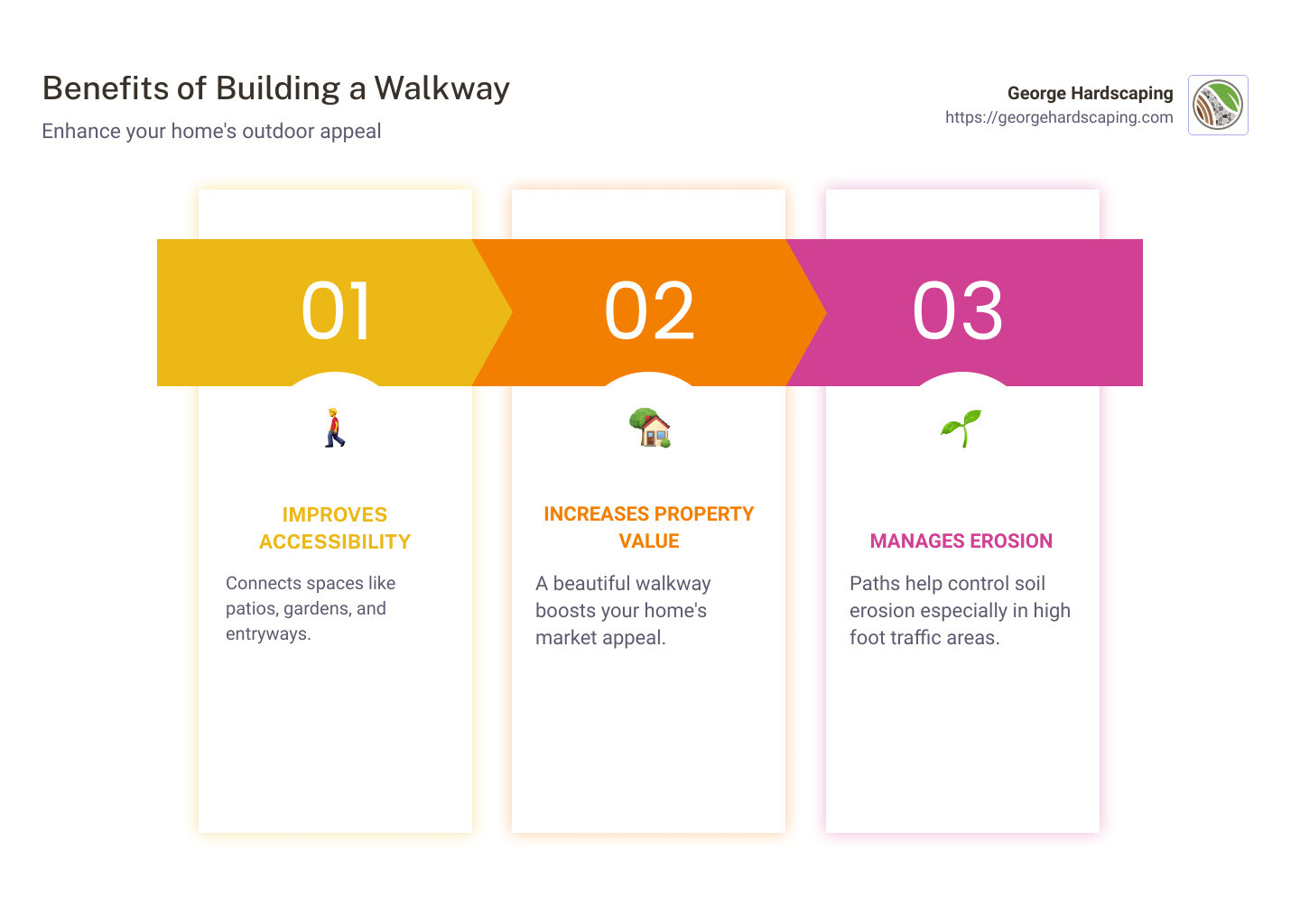
- Benefits of Building a Walkway:
- Improves Accessibility and Flow: Connects spaces like patios, gardens, and entryways.
- Increases Property Value: A lovely walkway can boost your home’s market appeal.
- Manage Erosion: Strategically placed paths help control soil erosion, especially in areas with foot traffic.
Upgrading your home doesn’t always require a big budget or professional help. With DIY renovations, you can achieve a lot, like creating a gorgeous stone pathway. It’s about choosing the right materials, planning your layout, and enjoying the process of building something with your own hands.
Building a walkway terms to know:
– backyard walkway ideas
– how to repair brick walkway and stairs
– stairs and walkways
Planning Your Walkway
Planning is the first crucial step in building a walkway. It sets the stage for a smooth project and ensures your path will be both functional and beautiful. Here’s what to consider:
Distance and Elevation
Start by measuring the distance your walkway will cover. This helps you determine the amount of materials needed and the time it will take to complete the project. Consider any changes in elevation along your path. If your property has slopes, plan to build steps at regular intervals to make the walkway safe and accessible. Steps should be about seven inches high to minimize tripping hazards.
Path Layout
Visualize your path by laying out two long pieces of rope on the ground. This gives you a clear idea of how the walkway will flow and allows you to make adjustments easily. Once satisfied, mark the path with a shovel. This step is crucial as it sets the blueprint for your work.
- Tip: A well-designed path can prevent erosion in high-traffic areas.
Width Considerations
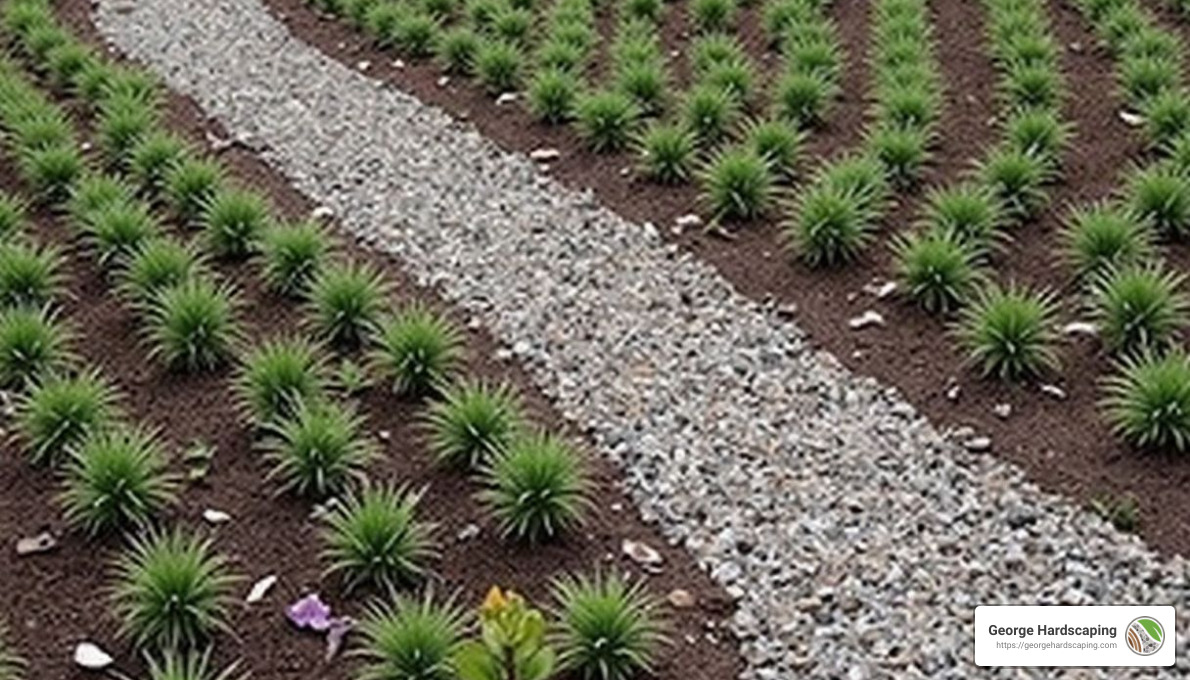
The width of your walkway is more important than you might think. A path that is too narrow can feel cramped, while one that is too wide may look out of place. For a walkway that allows two people to walk comfortably side-by-side, aim for a width of 35 to 40 inches. Use a tape measure to check and adjust the width as you lay out your path.
In summary, careful planning of your walkway’s distance, elevation, layout, and width will make your DIY project more enjoyable and successful. With these basics covered, you’re ready to move on to the next exciting phase: digging and preparing the base.
Building a Walkway: Step-by-Step Guide
Creating a walkway involves several steps, each critical to ensuring a durable and attractive path. Let’s break it down.
Digging and Preparing the Base
The first step in building a walkway is preparing the base. This involves a bit of digging and careful preparation.
- Soil Removal: Start by removing the top layer of soil along your marked path. Dig about 6-8 inches deep, making sure the ground is level. This depth allows for a sturdy base that can handle foot traffic.
- Gravel Layer: Once the soil is removed, add a layer of crushed gravel about 2-3 inches thick. This creates a stable foundation. Use a landscape rake to spread the gravel evenly.
- Compacting: Wet the gravel slightly and compact it using a hand tamper. This step is crucial to prevent shifting and settling over time. Add more gravel if needed to keep the base slightly below ground level.
Laying Pavers and Steps
With the base ready, it’s time to lay the pavers and build any necessary steps.
- Paver Sand: Spread a 1/2-inch layer of paver sand over the compacted gravel. Use a finishing trowel to smooth the sand, ensuring a level surface for the pavers.
- Paver Placement: Begin laying pavers according to your desired pattern. Ensure each paver is level and stable by tapping it down gently. For areas with elevation changes, you may need to cut some pavers to fit.
- Step Construction: If your walkway includes steps, dig back into the slope about 10 inches. Fill the space with crushed gravel up to the level of your base. Place wall blocks side-by-side, checking with a level to ensure alignment. Use construction adhesive to secure the blocks in place.
Finishing Touches
The final steps add durability and polish to your walkway.
- Secure Edges: Install paver edging to keep the pavers from shifting. You can also trench along the outside and fill it with cement for added stability. Cover the cement with mulch or soil for a finished look.
- Polymeric Sand: Sweep polymeric sand into the joints between pavers. This helps lock them in place and prevents weed growth. Make sure there’s no rain forecasted for a few days to allow the sand to set properly.
- Landscape Fabric: To prevent weeds, lay landscape fabric beneath the gravel base. This helps maintain the integrity of your walkway over time.
By following these steps, you’ll create a walkway that’s both functional and visually appealing. Now, let’s explore some cost-effective options to make your project budget-friendly.
Cost-Effective Walkway Options
Creating a beautiful walkway doesn’t have to break the bank. Let’s explore some budget-friendly options that will improve your outdoor space without draining your wallet.
Stepping Stone Path
A stepping stone path is one of the most affordable and charming ways to create a walkway. This option involves placing large stones at intervals along the path. It’s simple and requires minimal materials.
- Materials Needed: Large flat stones, gravel, and sand.
- Installation: Lay out the stones on your desired path. Dig out spaces for each stone, making sure they sit level with the ground. Fill gaps with gravel or sand to stabilize them.
- Benefits: This type of path is low-cost and adds a rustic charm. It’s perfect for gardens or informal settings.
Sandset Path
Another budget-friendly option is the sandset path. This method is great for beginners and involves setting stones directly in sand, which is more forgiving than mortar.
- Materials Needed: Paver stones, sand, and a little patience.
- Installation: Spread a layer of sand over the prepared base. Lay the pavers in your chosen pattern, ensuring each is level. Fill the joints with sand to lock them in place.
- Benefits: Sandset paths are easier to adjust and repair. They also allow for better drainage, reducing the risk of water damage.
Inexpensive Materials
When choosing materials, consider cost-effective options like gravel, concrete pavers, or recycled materials.
- Gravel: At just $1 to $3 per square foot, gravel is one of the cheapest materials. It offers a natural look and is easy to maintain.
- Concrete Pavers: These are affordable and available in various colors and shapes. They range from $2 to $5 per square foot and can mimic the look of more expensive stone.
- Recycled Materials: Look for reclaimed bricks or stones. Not only are they budget-friendly, but they also add a unique character to your walkway.
By choosing one of these cost-effective options, you can create a stylish and durable walkway that fits your budget. Whether you opt for a stepping stone path, a sandset path, or use inexpensive materials, you’ll find a solution that improves your outdoor space without overspending.
Frequently Asked Questions about Building a Walkway
How do you make a simple walkway?
Building a simple walkway is a straightforward process that even beginners can tackle with confidence. Here’s a quick guide to get you started:
- Planning: Begin by deciding where you want your walkway. Consider factors like distance, elevation, and the amount of foot traffic it will receive. Use ropes to outline the path and adjust as needed.
- Digging: Once your path is planned, use a shovel to dig out the soil along the marked area. Aim for a depth of about 5 inches to accommodate the base and pavers.
- Gravel Base: Add a layer of crushed gravel, about 2-3 inches thick. This provides a stable foundation. Compact the gravel with a hand tamper to ensure it’s firm and level.
- Paver Sand: Spread a 1/2-inch layer of paver sand over the gravel. Use a trowel to smooth the surface, creating an even layer for the pavers.
- Lay Pavers: Place the pavers in your desired pattern, ensuring each is level. Use a rubber mallet to tap them into place gently.
What is the cheapest DIY walkway?
If you’re looking for a budget-friendly walkway, a stepping stone path is your best bet. Here’s how you can create one:
- Materials Needed: Large flat stones, gravel, and sand. These materials are often inexpensive and can be found at local garden centers or home improvement stores.
- Installation: Lay out the stones along the path. Dig spaces for each stone so they sit flush with the ground. Fill the gaps with gravel or sand to keep them stable.
- Cost-Effectiveness: This method is not only easy on the wallet but also adds a quaint, rustic charm to your outdoor space.
How to create a walking path?
Creating a walking path involves a few key steps to ensure it meets your needs and improves your landscape:
- Site Assessment: Evaluate the area where you plan to build. Consider the natural landscape, any existing features, and the path’s intended use.
- Path Material Selection: Choose materials based on your budget and aesthetic preferences. Options include gravel, paver stones, or recycled materials like reclaimed bricks.
- Physical Trail Layout: Use markers or string to outline the path. This visual guide helps adjust the design before any digging begins.
By following these steps, you can create a walkway that is both functional and visually appealing. Whether you opt for a simple gravel base or a charming stepping stone path, the key is to plan carefully and choose materials that suit your style and budget.
Conclusion
At George Hardscaping, we believe that a well-crafted walkway is more than just a path—it’s an invitation to explore and enjoy your outdoor space. Our commitment to quality craftsmanship ensures that every project we undertake not only meets but exceeds your expectations. Whether you’re looking to improve the aesthetics of your garden or improve the functionality of your yard, we’re here to help you create a space that you’ll love.
Our team specializes in designing and building custom walkways that blend seamlessly with your environment, combining practicality with visual appeal. We understand that every home is unique, and our personalized approach guarantees that your walkway will reflect your individual style and needs.
By choosing George Hardscaping, you’re investing in a long-lasting solution that adds value and beauty to your property. Our expertise in masonry and hardscaping allows us to craft walkways that stand up to the elements while providing a safe and attractive surface for you and your family to enjoy.
Ready to transform your outdoor space? Visit George Hardscaping to learn more about our walkway and stairs services. Let us help you pave the way to a more beautiful and functional landscape.
