
The Foundation of Your Dream Outdoor Kitchen
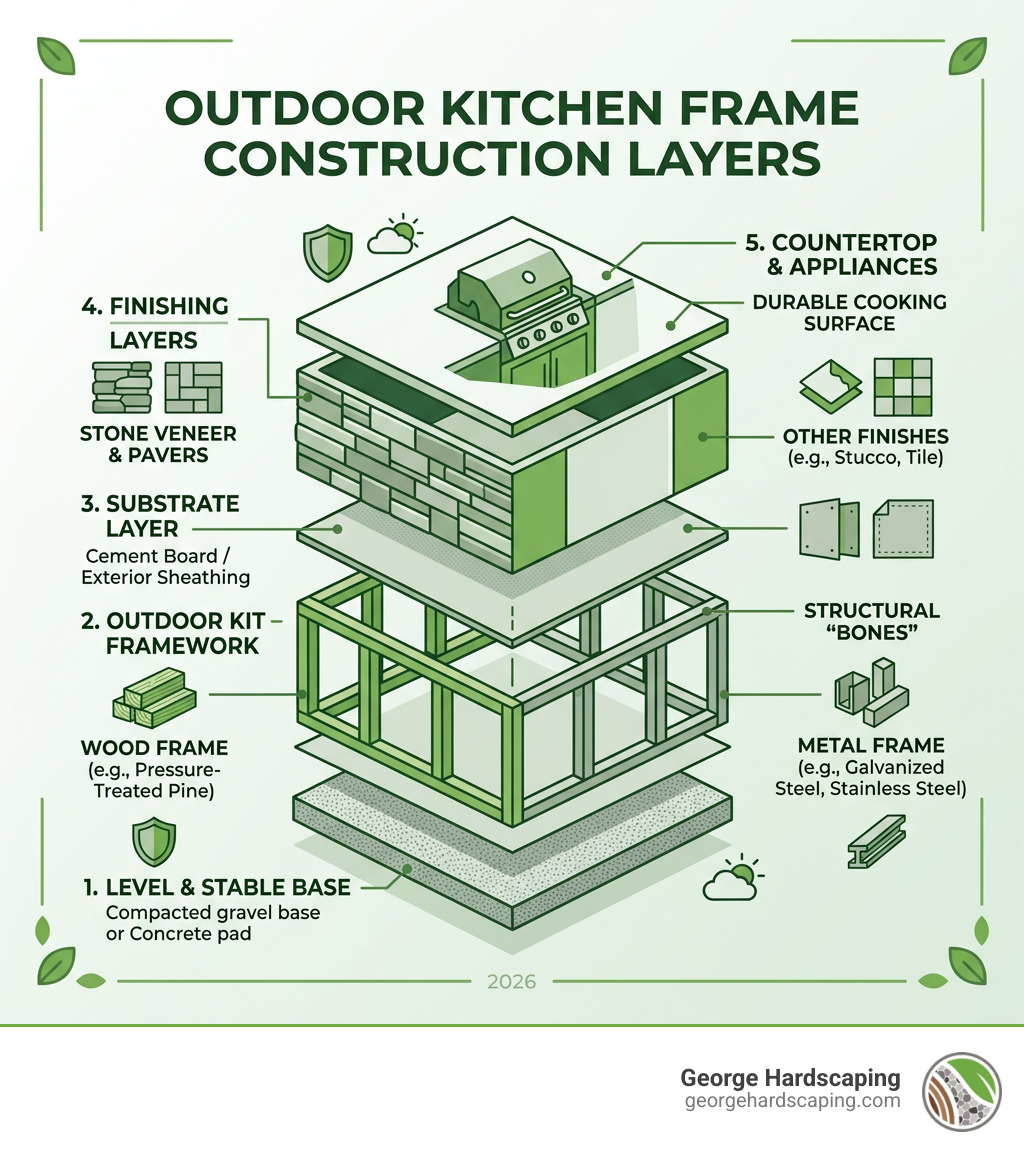
When planning your outdoor cooking oasis, choosing the right structural “bones” is crucial. The debate of outdoor kitchen frame wood vs metal is central to building a durable and long-lasting space. An outdoor kitchen is a significant investment, often serving as the centerpiece of your backyard entertainment area. You want it to stand strong against the elements and heavy use for many years. The frame is the hidden hero, supporting everything from your professional-grade grill to your heavy granite countertop. Making the right choice between wood and metal for this core structure impacts your kitchen’s longevity, maintenance, and safety. This guide will explore the pros and cons of each material, helping you build an outdoor kitchen that won’t rot or fail prematurely.
| Feature | Wood Frames (e.g., Pressure-Treated Pine) | Metal Frames (e.g., Galvanized Steel, Stainless Steel) |
|---|---|---|
| Durability | 15-25 years; prone to rot, warp, pests | 50+ years; highly resistant to rot, pests, and elements |
| Initial Cost | Lower (e.g., $5-$10/sq ft for pressure-treated pine) | Higher (e.g., 25-35% more upfront, or $80-$90/sq ft for studs) |
| Maintenance | High (seal/stain every 1-3 years; pest checks) | Low (minimal upkeep; occasional cleaning) |
| Fire Safety | Flammable; requires insulated jackets near grills, fire-resistant treatments | Non-combustible; safer near cooking appliances |
| Pest Resistance | Susceptible to termites and other insects | Impervious to pests |
| Load Bearing | Good, but shorter joist spans, may require more supports | Excellent, 50% greater joist spans, can support heavy appliances with fewer supports |
| Environment | Affected by humidity, coastal air, freeze-thaw; can expand/contract | Highly resistant to environmental factors, though some metals need protection from corrosion |
Why the Frame is the Most Critical Decision
Many homeowners focus on the aesthetic finishes—the stone veneer, the stainless steel appliances, and the lighting. However, the frame is what holds these expensive components in place. If the frame shifts, warps, or rots, the entire structure is compromised. For those seeking professional outdoor kitchen installation services, understanding the structural requirements is the first step toward a successful project. A failing frame can lead to cracked stone, misaligned cabinet doors, and even dangerous gas line leaks. By comparing wood and metal, we can determine which material provides the best return on investment for your specific climate and usage needs. In the North Shore, where weather can be unpredictable, the structural integrity of your kitchen is the difference between a 10-year lifespan and a 50-year legacy.
Handy outdoor kitchen frame wood vs metal terms:
Core Differences: Outdoor Kitchen Frame Wood vs Metal
When we talk about the “bones” of your kitchen, we are referring to the structural skeleton that supports the weight of heavy granite countertops, professional-grade grills, and storage cabinets. In the context of outdoor kitchen frame wood vs metal, the core differences lie in how these materials react to the environment over time. Wood is a traditional building material that many DIY enthusiasts feel comfortable handling. It is easy to cut, nail, and modify on the fly. However, wood is “organic,” meaning it is inherently susceptible to the cycle of life—and in the North Shore, that often means decay. Metal, specifically engineered steel or aluminum, is an “inorganic” alternative. It offers dimensional stability, meaning it won’t warp, twist, or shrink as the seasons change from a humid July in Gloucester to a freezing January in Boxford.
According to research on Outdoor Kitchen Frame: Should You Do Wood or Metal?, metal frames typically provide up to 50% greater joist spans than wood of the same size. This means we can create larger open spaces for refrigerators or storage without needing a forest of vertical support posts. While wood might be the go-to for a simple deck, the precision required for high-end kitchen appliances often makes metal the superior choice for structural integrity. For homeowners looking for a custom outdoor kitchen design and construction, metal provides the necessary strength to support modern, heavy-duty equipment. The rigidity of metal ensures that heavy stone countertops, which can weigh upwards of 20 pounds per square foot, do not cause the frame to sag over time.
Material Science: Why Metal Wins on Longevity
In metal framing, not all materials are created equal. We generally look at three primary options: G90 galvanized steel, 304-grade stainless steel, and aluminum. G90 galvanized steel is a popular choice because it is coated with a protective layer of zinc that prevents rust. It is engineered to last 50 years or more, providing a “set it and forget it” foundation. The zinc coating acts as a sacrificial anode; even if the steel is scratched, the zinc will corrode first to protect the underlying metal. For those living right on the water in Marblehead or Manchester-by-the-Sea, 304-grade stainless steel is the gold standard. It contains chromium and nickel, making it naturally resistant to the corrosive salt air that eats through lesser materials.
As a professional builder, we prioritize these materials because they don’t just “last”—they remain structurally identical to the day they were installed. Unlike wood, which slowly loses its screw-holding power as it softens from moisture, metal maintains its grip on your expensive appliances for decades. The American Galvanizers Association provides extensive data on how zinc coatings protect steel in various atmospheric conditions, proving that galvanized steel is one of the most durable materials available for outdoor construction. This scientific advantage is why commercial kitchens and high-end residential projects almost exclusively utilize metal skeletons.
The Traditional Appeal of Wood Framing
Despite the technical advantages of metal, wood framing remains popular for its accessibility and lower entry price. If you are building a simple integrated outdoor kitchen and deck combination, you might consider pressure-treated pine, cedar, or redwood. Pressure-treated pine is the most budget-friendly, but it requires the most vigilance. Cedar and redwood offer natural oils that repel some insects and moisture, providing a more “rustic” aesthetic if the frame is partially visible.
However, the USDA Forest Products Laboratory notes that even treated wood is subject to weathering and decay if not properly maintained. For those who want the absolute best in wood, exotic hardwoods like ipe or teak are options, though they come with a price tag that often rivals or exceeds high-end metal. The main appeal of wood is that it feels familiar; however, in a kitchen environment where heat and water are constantly present, that familiarity can lead to a false sense of security. Wood is also prone to “checking,” which are small cracks that develop as the wood dries out, providing an entry point for moisture and rot. Over time, these checks can expand, compromising the structural integrity of the entire island.
Durability and Environmental Factors in Essex County
Living in Essex County means our outdoor structures must endure a “triple threat” of environmental stress: high humidity, coastal salt air, and the brutal freeze-thaw cycles of New England. When comparing an outdoor kitchen frame wood vs metal, these factors are the ultimate deciders of value.
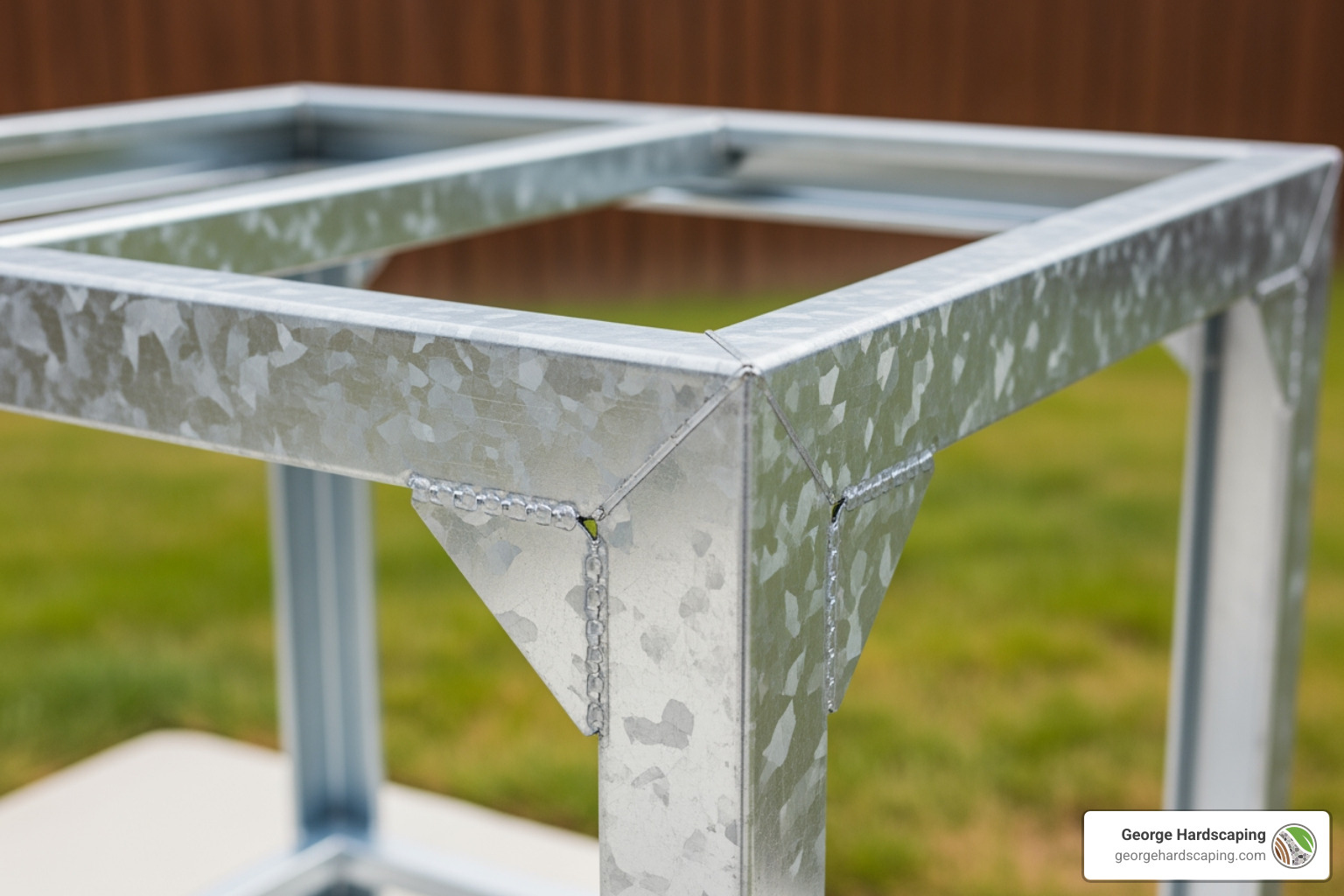
Wood is porous. It breathes, absorbing moisture during a damp spring in Ipswich and drying out during a hot summer. This constant expansion and contraction lead to warping and “checking.” Over time, these cracks allow water to penetrate deeper, leading to internal rot that you might not see until a heavy countertop begins to sag. Metal frames, particularly when powder-coated or galvanized, are essentially immune to these moisture-related shifts. When we perform an outdoor kitchen installation in the North Shore, we ensure the frame is isolated from direct ground contact, but metal’s inherent resistance to humidity makes it the champion of the North Shore climate. The lack of movement in metal also prevents the grout lines in your stone veneer from cracking, a common issue with wood-framed kitchens.
Pest Resistance and Rot Prevention
In our region, termites and carpenter ants are more than just a nuisance—they are structural threats. A wooden frame tucked behind a stone veneer is a “hidden buffet” for these pests. Since the frame is covered by cement board and stone, you likely won’t notice an infestation until the structural integrity is already compromised. As the saying goes in the industry, if termites get into your wood frame, it’s “game over” for your kitchen. Metal frames offer 100% pest resistance. There is no wood for insects to eat and no organic material for fungi to break down. This is a massive advantage for homeowners in wooded areas like Topsfield or Wenham, where pest pressure is high. While pressure-treated wood is designed to resist these issues, the treatment eventually leaches out, leaving the wood vulnerable to the elements and local wildlife.
Load-Bearing Capacity for Heavy Appliances
Modern outdoor kitchens are heavy. A standard 36-inch grill can weigh over 200 pounds, and when you add a 3-centimeter granite countertop, the load on the frame becomes immense. Metal studs, despite being lightweight and easy to move during construction, have a much higher strength-to-weight ratio than wood. This strength allows for “cantilevered” designs—where the countertop overhangs the base to create a seating area—without the need for bulky knee braces.
If you are planning a Blackstone griddle integration, you need a frame that won’t deflect (bend) under the weight. Even a tiny amount of deflection can cause the grout lines in your stone veneer to crack or your cabinet doors to become misaligned. Metal stays straight and true, ensuring your kitchen looks as sharp in year ten as it did on day one. Furthermore, the structural stability of metal ensures that your appliances remain level, which is critical for proper drainage and cooking performance. This precision is especially important for high-end appliances that require exact tolerances for ventilation and fitment.
Fire Safety and Building Codes for Outdoor Kitchens
Safety is the most overlooked aspect of the outdoor kitchen frame wood vs metal debate. Statistics from the National Fire Protection Association show that roughly 49% of all home fires are caused by cooking. When you place a high-BTU gas grill inside a wooden box, you are essentially building a fire pit around your cooking appliance. To make a wood frame safe, you must install an insulated grill jacket. These are stainless steel sleeves that sit between the grill and the wood frame to prevent the wood from reaching its ignition temperature. These jackets can cost anywhere from $400 to $800 extra, which often negates the initial savings of using wood.
With a metal frame, the material itself is non-combustible. While we still recommend proper clearances, the inherent safety of metal provides peace of mind that wood simply cannot offer. When we expert outdoor grill installation, fire safety is our number one priority. The International Residential Code (IRC) provides specific guidelines on clearances to combustible materials, and using a metal frame makes meeting these codes significantly easier and less expensive. Metal frames do not contribute fuel to a fire, which can be a critical factor in preventing a small grill flare-up from becoming a major house fire.
The Risk of Pyrolysis in Wood Frames
The technical difference here is “combustibility.” Metal will not catch fire. Period. Wood, even when treated with fire-retardant chemicals, eventually dries out and becomes a fuel source. Furthermore, metal frames don’t require the same level of heavy insulation that wood does, which can actually save you money on the “hidden” costs of safety accessories. According to a guide on Outdoor Kitchen Frame Wood vs Metal: Choosing the Right Material for You, metal is the standard for any kitchen that involves high-heat appliances like pizza ovens or extra-large grills. The thermal conductivity of metal also means that heat is dissipated more quickly, whereas wood can trap heat in the wall cavity, increasing the risk of “pyrolysis”—a process where wood becomes more flammable over time due to repeated heat exposure. This chemical change in the wood lowers its ignition temperature, making it more dangerous every year it is in use.
Integrating Utilities Safely
An outdoor kitchen isn’t just a grill; it’s a hub for gas, electricity, and water. Managing these utilities requires drilling through the frame. In a wood frame, drilling large holes for a 2-inch drain line can weaken the vertical studs. Metal frames come with pre-punched “knockouts” that allow wires and pipes to pass through without compromising the structure. When you are planning outdoor kitchen sink plumbing, the frame must also handle potential leaks. If a pipe drips inside a wood frame, the wood will soak up that water, leading to mold and rot. A metal frame simply lets the water pass through to the floor, where it can drain away harmlessly. This makes the integration of plumbing and electrical systems much safer and more durable over the long term, protecting your home’s utility lines from environmental degradation.
Cost Analysis: Initial Investment vs. Long-Term Value
Let’s talk numbers. Based on average industry data, the initial investment for these materials varies significantly.
- Wood Frames (Pressure-Treated): $500 – $2,500+ for materials.
- Metal Frames (Galvanized/Stainless): $1,500 – $9,000+ for materials.
As you can see, metal can be significantly more expensive upfront—sometimes up to 10 times the cost per square foot for high-end stainless steel studs. However, the “total cost of ownership” tells a different story. A wood frame typically lasts 15-25 years and requires staining or sealing every 1-3 years. If you factor in the cost of an insulated grill jacket ($600) and the labor for maintenance, the price gap closes quickly. A metal frame is a 50-year investment. When you spread the cost over five decades, metal actually becomes the more economical choice. You avoid the cost of demolition and rebuilding that wood frames inevitably require. For more details on budgeting, check out our outdoor kitchen pricing and investment guide. If you’re ready to invest in a structure that stands the test of time, request a free project estimate to get started.
DIY Installation: Wood vs Metal Tools and Skills
If you’re a weekend warrior in Newburyport or Salem looking to tackle this yourself, your tool kit might dictate your choice. Wood framing requires standard tools: a miter saw, a drill, and a box of galvanized screws. It’s forgiving; if you cut a board too short, you just grab another $10 piece of lumber. Metal framing requires a bit more specialized knowledge. You’ll need a chop saw with a metal-cutting blade, tin snips, and self-tapping screws. While modern modular metal kits make building your dream outdoor kitchen much easier—often snapping together like a giant Lego set—it still requires a level of precision that wood doesn’t always demand. If you aren’t comfortable working with metal, this is where hiring a professional becomes invaluable. Precision in the framing stage ensures that the subsequent stone veneer installation for outdoor kitchens goes smoothly without the need for excessive shimming.
Maintenance Requirements for Outdoor Kitchen Frame Wood vs Metal
The maintenance schedule for wood is relentless. To prevent rot in the North Shore’s humid climate, you must ensure the wood is sealed. This is difficult once the stone veneer is applied, as you can’t reach the “inside” of the frame. This means the interior of your cabinets—the part exposed to spiders, dampness, and spilled grease—is often left unprotected. Metal frames require almost zero structural maintenance. An occasional wipe-down of the interior with soap and water is all that’s needed to keep it looking new. When we are installing stone veneer, we use a cement backer board that creates a secondary moisture barrier, further protecting the metal skeleton. This combination is virtually indestructible compared to the high-maintenance requirements of wood, which can become a breeding ground for mold if moisture gets trapped behind the stone.
Design Flexibility and Aesthetic Options
One of the biggest myths in the outdoor kitchen frame wood vs metal debate is that wood is more “customizable.” While wood is easy to cut, metal is actually more flexible for complex designs. Because metal is stronger, we can create curved islands, long breakfast bars with no visible supports, and sleek, modern industrial looks that wood simply cannot achieve without becoming too bulky. If you are looking for creative outdoor kitchen lighting solutions, metal frames allow for much easier concealment of LED strips and wiring. The hollow nature of metal studs provides a perfect “chase” for wires, keeping your kitchen looking clean and professional. This internal space is also ideal for housing the transformers and controllers needed for modern smart-home integrations.
Combining Wood and Metal for Hybrid Designs
You don’t always have to choose just one! Many of our most beautiful projects in Lynnfield and Peabody use a hybrid approach. We might build the structural skeleton out of galvanized steel for safety and longevity, then use beautiful cedar or ipe for the cabinet doors or a decorative pergola overhead. This gives you the “warmth” of wood where you can see and touch it, but the “strength” of metal where it matters most. A high-performance outdoor grill stations that features a stone-clad metal base and a reclaimed wood bar top is the perfect marriage of form and function. This hybrid method allows homeowners to enjoy the aesthetic of natural timber without worrying about the structural decay that typically plagues all-wood constructions.
Maximizing Space with an Outdoor Kitchen Frame Wood vs Metal
Space is a premium in many North Shore backyards. A wood frame built with 2x4s and covered in cement board ends up being about 4.5 to 5 inches thick. A metal frame using low-gauge studs can be as thin as 2.5 inches while maintaining the same strength. This extra space might not sound like much, but in a 10-foot run of cabinetry, it can be the difference between fitting in a trash pull-out or having to leave it out. When you’re outdoor kitchens with refrigeration, every inch of internal clearance counts. Metal allows for maximum storage and appliance capacity within a smaller exterior footprint. This efficiency is why most high-end designers prefer metal for compact urban outdoor spaces where every square inch must be utilized effectively. Furthermore, the thinner walls of metal framing allow for larger internal cabinet volumes, providing more room for your grilling accessories and outdoor dining sets.
Frequently Asked Questions
Which framing material is best for coastal North Shore homes?
For homes in Gloucester, Rockport, or Marblehead, 304-grade stainless steel or aluminum is the best choice. These materials are non-ferrous (aluminum) or highly alloyed (stainless), meaning they won’t rust when exposed to salt spray. Galvanized steel is excellent for inland areas like Georgetown, but coastal residents should invest in the higher-grade metals to ensure a 50+ year lifespan. Salt air can accelerate the corrosion of standard steel, making the upgrade to stainless steel a wise long-term decision that protects your property value.
Do I need an insulated jacket for a wood frame?
Yes, absolutely. If you are using a wood frame, an insulated grill jacket is a non-negotiable safety requirement. It prevents the wood from catching fire and protects your warranty. When you factor in the cost of the jacket, many homeowners find that switching to a metal frame is actually more cost-effective. Even when performing an outdoor sink installation near a grill, heat management is crucial to prevent damage to surrounding structures and ensure the safety of your family and guests.
How long does a galvanized steel frame last compared to wood?
A G90 galvanized steel frame is engineered to last 50 years or more with zero structural maintenance. In contrast, a wood frame in the New England climate typically begins to show signs of structural decay within 15 to 25 years, even with pressure treatment. If the wood isn’t perfectly maintained, that lifespan can drop to as little as 10 years in high-moisture areas. Metal’s resistance to the freeze-thaw cycle also prevents the shifting that often causes masonry veneers to crack on wooden frames, ensuring your stone work remains pristine for decades.
Can I use standard drywall studs for my outdoor kitchen?
No, you should never use standard interior drywall studs for an outdoor kitchen. These are typically made of thin, 25-gauge steel that is not designed to be load-bearing or weather-resistant. For an outdoor kitchen, you need structural-grade galvanized steel (usually 18 or 20 gauge) that can support the weight of stone and appliances while resisting corrosion. Using the wrong gauge of metal can lead to structural failure under the weight of heavy granite or professional grills.
Conclusion: Making the Right Choice for Your North Shore Home
Choosing between an outdoor kitchen frame wood vs metal comes down to your priorities. If you are looking for the lowest possible upfront cost and are comfortable with a 15-year lifespan and regular maintenance, wood might work for a small, simple project. However, if you view your outdoor kitchen as a permanent extension of your home—one that adds real value and provides a safe, maintenance-free space for entertaining—metal is the clear winner. At George Hardscaping, we believe in building things once and building them right. Our expertise in masonry and hardscaping ensures that your kitchen isn’t just a grill on a patio, but a masterpiece of craftsmanship that will serve your family for generations.
Ready to build a foundation that lasts a lifetime? Request a free project estimate today and let our experts help you design a kitchen that will be the heart of your backyard for decades to come. Don’t settle for a structure that will rot away; choose the durability and safety of metal framing. Our team is dedicated to providing the highest quality materials and construction techniques to ensure your outdoor living space is both beautiful and functional.
Ready to Build Your Dream Kitchen?
Don’t settle for a foundation that will rot away in a decade. Contact our team for premium hardscaping and masonry services to ensure your outdoor kitchen foundation is built to last a lifetime. We serve the entire North Shore with a commitment to quality that you can stand on—literally. Give us a call today and let’s get cooking! Whether you are in Beverly, Danvers, or Newburyport, we are ready to transform your outdoor living space into a professional-grade culinary destination that enhances your lifestyle and your home’s market value.
