
Install Outdoor Grill: 5 Easy Steps to Amazing BBQ
The Ultimate Guide to Installing Your Outdoor Grill
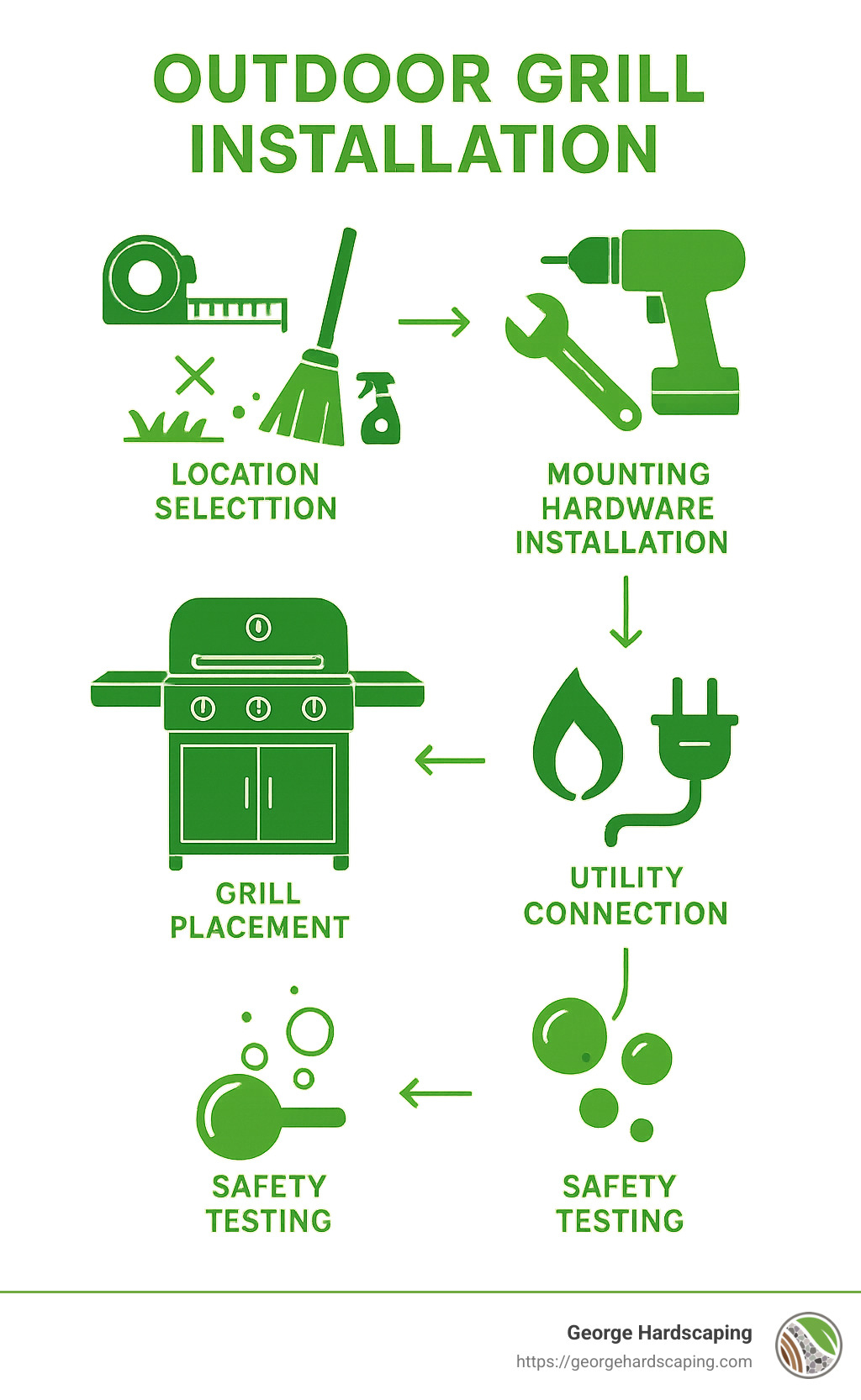
To install outdoor grill properly, follow these key steps:
- Select a safe location with proper clearance (24-36 inches from walls)
- Assess your gas capacity if installing a natural gas grill
- Gather necessary tools including a drill, level, wrench, and safety equipment
- Prepare the installation area by cleaning and marking mounting points
- Install mounting hardware or grill liner according to manufacturer instructions
- Connect utilities (gas line and/or electrical) with professional help if needed
- Test for gas leaks using soapy water before first use
Installing a backyard grill transforms your outdoor space into a cooking haven and entertainment hub. Whether you’re planning to install outdoor grill equipment that’s built-in or freestanding, the process requires careful planning and attention to safety.
Head outdoors, put on some music, grab a drink, and fire up the grill. This simple pleasure becomes even more satisfying when you’ve installed your grill correctly. A properly installed outdoor grill not only provides years of cooking enjoyment but can also increase your home’s value.
Natural gas grills offer convenience by eliminating propane tank refills, while charcoal options provide that classic smoky flavor. Regardless of your preference, safety must come first. This guide will walk you through the entire process to ensure your installation is secure, functional, and ready for your next backyard gathering.
While many homeowners can handle basic installation tasks, gas line work often requires professional expertise. As one expert notes: “This is not a DIY project for most people—it requires the expertise of a licensed gas fitter to ensure proper installation and compliance with local codes.”
Glossary for install outdoor grill:
- installing an outdoor kitchen
- installing blackstone griddle in outdoor kitchen
- outdoor kitchen installation cost
Why Install an Outdoor Grill?
There’s something almost magical about cooking in the open air. When you install outdoor grill equipment in your backyard, you’re not just adding an appliance—you’re creating a whole new way to experience your home. Here at George Hardscaping, we’ve watched countless Essex County homeowners transform their ordinary backyards into extraordinary gathering spaces with the simple addition of an outdoor grill.
The practical benefits start with keeping your home comfortable. On those sweltering July afternoons when the thought of turning on your kitchen stove makes you break into a sweat, your outdoor grill becomes your best friend. Cooking outside means all that heat and those cooking aromas stay outside—and your air conditioning doesn’t have to work overtime. Your utility bills will thank you!
But let’s talk flavor. There’s simply no indoor cooking method that can replicate that distinctive smokiness that comes from grilling. Whether you’re searing steaks, charring vegetables, or slow-cooking ribs, outdoor cooking creates taste profiles that make your meals memorable. Our clients often tell us they find themselves cooking more creatively once they have their outdoor grill installed.
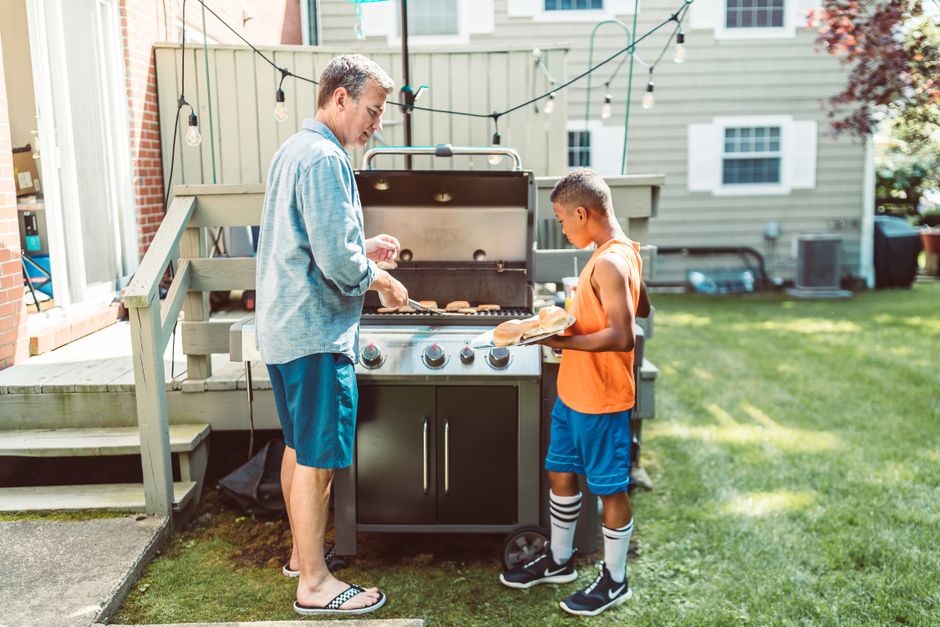
The social aspect might be the most compelling reason of all. An outdoor grill naturally draws people together. There’s something about standing around the grill, drink in hand, watching the chef work their magic that creates an instant party atmosphere. One of our Marblehead clients put it perfectly after we completed their installation: “Our backyard went from a space we rarely used to the heart of our home during summer months.”
From a purely practical standpoint, a properly installed outdoor grill—especially when it’s part of a thoughtfully designed outdoor kitchen—can significantly boost your property’s appeal and market value. Real estate data consistently shows that homeowners can recoup a substantial portion of their outdoor kitchen investment when selling. In neighborhoods across Beverly, Salem, and the North Shore, homes with well-designed outdoor cooking spaces often command premium prices.
The beauty of an outdoor grill is that it bridges the gap between everyday utility and special occasion luxury. Tuesday night burgers become a mini-vacation when you’re cooking them outside. Weekend gatherings transform from ordinary to memorable. And the investment continues paying dividends in enjoyment long after the installation is complete.
Safety Considerations Before Installation
Before you install outdoor grill equipment, safety should be your number one priority. This isn’t just about following rules—it’s about protecting your family and home from potential hazards, especially when working with gas-powered units.
Gas Safety Precautions
When it comes to natural gas grills, there’s no room for guesswork. During our years of installations across Essex County, we’ve seen the importance of proper gas handling firsthand. As one expert bluntly put it: “If you have to ask for help on this one, you probably should just consult a professional.”
Natural gas installations aren’t DIY-friendly projects for most homeowners. You’ll need to verify you’re using the correct gas type (natural gas and propane are NOT interchangeable), confirm proper gas pressure (typically around 11 inches of water column for natural gas), and install appropriate shutoff valves and regulators. In most areas around Beverly and Salem, professional installation isn’t just recommended—it’s required by local building codes.
Proper Ventilation Requirements
Even though your grill will be outside, proper airflow remains crucial when you install outdoor grill units. I’ve visited beautiful outdoor kitchens that became unusable because the owners didn’t consider ventilation properly.
Your grill should never be placed in enclosed areas without adequate air movement. For built-in grills, make sure there’s sufficient clearance above and around the unit. If your grill will sit under any covering—even a partial one—you’ll need proper venting installed. Also consider which way the wind typically blows in your yard; nobody wants a house full of smoke every time they cook!
Clearance Requirements
Most manufacturers specify 24 to 36 inches of clearance from any wall or combustible surface for freestanding grills. Built-in models may allow closer placement since they’re designed with insulation in mind and don’t need the extra space required for rolling units.
When planning your grill location, measure carefully to ensure minimum distances from anything that could catch fire—wood structures, vinyl siding, or decorative elements. Don’t forget about overhead clearance too! Your beautiful maple tree might provide nice shade, but those branches could be a serious fire hazard above your grill. Also consider practical clearances for comfortable operation and maintenance access.
Manufacturer’s Guidelines
Every grill comes with specific installation instructions that should be treated as gospel. These guidelines aren’t suggestions—they’re requirements for maintaining both safety and warranty coverage.
The manufacturer’s manual will detail proper assembly procedures, required clearances specific to your model, venting requirements, and connection specifications. One of our installation experts likes to remind clients: “Even a simple-looking gas hookup is not worth risking your safety or property if you’re not comfortable doing it yourself.” When in doubt, our team at George Hardscaping can help ensure your installation meets all manufacturer specifications.
Fire Hazards
Fire safety concerns don’t end once your grill is properly installed. Throughout our years installing outdoor cooking spaces in Marblehead and across the North Shore, we’ve learned that ongoing fire prevention is just as important as proper setup.
Always install outdoor grill equipment on non-combustible surfaces like concrete, stone pavers, or specially designed grill mats. Never place grills under unprotected wooden structures or vinyl eaves. If you’re installing on a deck, use proper protective materials or insulated grill jackets designed for this purpose.
Keep a fire extinguisher rated specifically for grease fires within easy reach of your cooking area. We even recommend installing a smoke detector in adjacent outdoor living areas for added peace of mind—something many homeowners overlook but appreciate once we suggest it.
A properly installed grill isn’t just about convenience—it’s about creating a safe environment where you can relax and enjoy outdoor cooking without worry.
Planning and Preparing to Install Your Outdoor Grill
Before you break ground or pick up a wrench to install outdoor grill equipment, taking time for proper planning will save you countless headaches down the road. At George Hardscaping, we’ve guided numerous Essex County homeowners through this crucial preparation phase, and we’ve seen how good planning leads to better results.
Think of this preparation stage as the foundation for your outdoor cooking experience. Just like we wouldn’t build a beautiful patio without proper base materials, you shouldn’t rush into grill installation without the right groundwork.
Assessing Your Home’s Gas Capacity
If a natural gas grill is on your wish list, your first step should be verifying whether your home’s gas system can handle the extra demand. This often-overlooked step can prevent disappointing findies later.
Gas Meter Capacity
Your home’s gas meter has a specific capacity, typically measured in cubic feet per hour (CFH). Interestingly, “Gas meters are rated in terms of ‘lights’, a holdover from when houses used gas lighting.” These ratings typically range from 5-light to 15-light meters in most Essex County homes.
Finding your meter’s capacity is relatively straightforward. Look for the meter outside your home, locate its number and CFH rating (often on a metal tag), and convert this to BTU capacity. Each cubic foot of natural gas provides approximately 1,000 BTUs of heating power.
Calculating BTU Usage
Now comes the detective work of determining your current gas usage. Think of your home’s gas supply like a pie – each appliance takes a slice, and you need to know how much is left for your grill.
Start by making a list of all your existing gas appliances. Your furnace might use 75,000-100,000 BTU, a water heater around 40,000 BTU, and your gas range perhaps 65,000 BTU. Add these values to find your total current usage, then compare this to your meter’s capacity.
For example, if you find your meter provides 210,000 BTU capacity and your current appliances consume 175,000 BTU, you’d have about 35,000 BTU available for your new grill.
Ensuring Sufficient Supply
Most quality gas grills demand between 30,000 to 100,000 BTU, depending on size and features. If your calculations show insufficient capacity, don’t worry – you still have options. You might select a smaller grill with more modest BTU requirements, consider upgrading your gas meter (a conversation with your gas company), or pivot to a propane grill instead.
Choosing the Right Grill
Selecting the perfect grill feels a bit like choosing a car – it’s personal, practical, and should match your lifestyle. Each type comes with specific installation requirements that affect your planning process.
Gas grills offer convenience but require proper gas line installation. Charcoal grills provide that classic smoky flavor but need heat-resistant surfaces and ash disposal solutions. Electric grills simplify installation but require outdoor-rated electrical connections. Pellet grills combine convenience with flavor but need both electricity and pellet storage. Combo grills might satisfy your desire for options but come with more complex installation needs.
The built-in versus freestanding decision also significantly impacts your installation approach. Built-in grills serve as permanent fixtures integrated into your outdoor kitchen design. They require more extensive installation but create that seamless, high-end look that many of our North Shore clients desire. Freestanding grills offer flexibility and typically simpler installation, but still need proper placement and appropriate connections.
When considering size and features, think about how you’ll actually use the grill. A cooking surface of 400-500 square inches works well for most families. Multiple burners allow for creating different heat zones – perfect for cooking different foods simultaneously. Additional features like side burners, rotisseries, or smoker boxes might improve your cooking experience but will affect your installation requirements.
Selecting the Perfect Location
The right location balances safety, convenience, and aesthetics. After helping countless Essex County homeowners install outdoor grill setups, we’ve learned that location can make or break the overall experience.
Proper Ventilation
Even though your grill sits outdoors, proper airflow remains essential. Avoid enclosed spaces without adequate ventilation, areas directly under low-hanging trees, or locations where smoke can easily drift into your home through windows or doors. Prevailing winds in our North Shore area often come from the northeast – position your grill accordingly.
Non-Combustible Surfaces
Safety starts from the ground up. The surface beneath and surrounding your grill should be non-combustible. Concrete patios, natural stone, or brick surfaces provide ideal foundations. At George Hardscaping, we specialize in creating custom patios specifically designed for outdoor cooking areas, ensuring both safety and beauty when you install outdoor grill equipment.
Accessibility
Practical considerations matter tremendously for daily use. Position your grill with convenient access to your indoor kitchen to simplify food preparation. Consider protection from strong coastal winds common in our area. Think about shade for comfortable cooking during hot summer days. Ensure easy access to utilities, and plan for comfortable traffic flow around the grill for both cooking and serving.
Compliance with Local Codes
Local building codes in Essex County communities may dictate minimum distances from property lines, clearance requirements from structures, permit requirements for gas line installation, and specific safety features. These regulations vary by town, so checking with your local building department before installation saves potential headaches.
Tools and Materials Needed
Having the right tools and materials at hand makes installation day go smoothly. Think of it as mise en place for your project – everything organized and ready before you begin.
For tools, you’ll want a good drill with appropriate bits, a hole saw if running gas lines through walls, and a jigsaw for built-in installations. Don’t forget measuring tools like a tape measure, level, square, and chalk line. For gas connections, a pipe wrench and adjustable wrench are must-haves. And always prioritize safety with work gloves and safety glasses.
Materials for gas grill installation typically include black steel pipe (usually 1/2-inch for shorter runs), pipe joint compound specifically rated for gas, shutoff valves, flexible gas connectors, and various pipe fittings. You’ll also need a pressure gauge for testing and leak detection solution for safety checks. If installing in combustible surroundings, an insulated grill jacket provides crucial protection, and weather-resistant paint helps protect exposed pipes from our sometimes harsh New England elements.
By taking time to gather these materials before starting your project, you’ll avoid those frustrating mid-project trips to the hardware store that always seem to happen on beautiful grilling days.
Step-by-Step Guide to Installing Your Outdoor Grill
Now that you’ve done all that planning, it’s time to roll up your sleeves and actually install outdoor grill equipment. Don’t worry—we’ll walk through this together, step by step, just like we do with our clients throughout Essex County.
Step 1: Choosing the Right Location to Install Your Outdoor Grill
Finding that sweet spot for your grill is a bit like finding the perfect spot for your favorite chair—it needs to be just right.
Start by grabbing your measuring tape and checking the clearance requirements for your specific grill. Most models need about 24-36 inches of space from any combustible walls, and you’ll want to make sure there’s nothing overhead within about 6-10 feet. Your grill should also sit on a surface that’s both level and strong enough to support its weight.
If you’re creating a built-in grill station (something we love doing at George Hardscaping), think about how the grill fits into your overall outdoor living space. Consider how you’ll move between your indoor kitchen and the grill, where guests will gather, and how smoke will drift when you’re cooking.
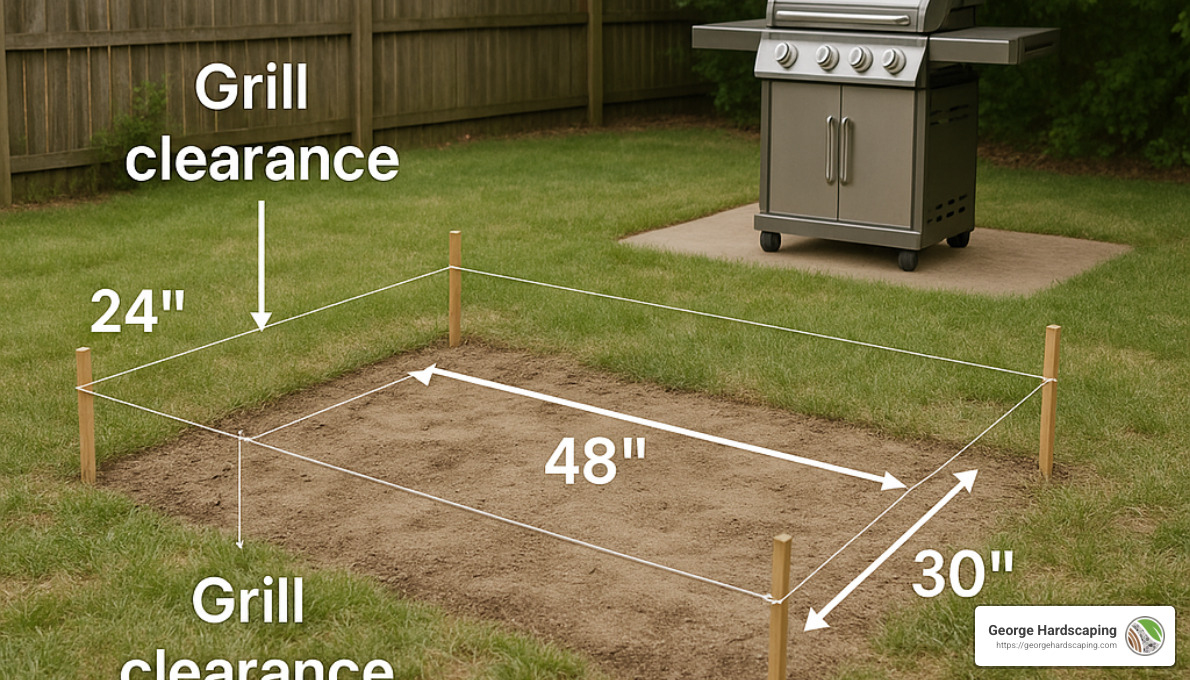
Grab some stakes and string (or chalk for built-ins) and mark out your proposed location. Then step back and ask yourself:
- Can I easily run back to the house for that forgotten spatula?
- Will smoke blow away from seating areas when the wind picks up?
- Is the spot somewhat protected from strong winds?
- Can I easily access gas, electric, or water lines?
- Am I maintaining safe distances from anything that could catch fire?
As one architect we work with often says, “Look around your yard for design inspiration. A well-designed grilling station preserves views and integrates counter space while meeting clearance requirements.” Wise words—and exactly why we take our time with this step at George Hardscaping.
Step 2: Gather Tools and Materials Needed to Install Outdoor Grill
There’s nothing worse than being halfway through your installation only to realize you’re missing something crucial. Trust me, I’ve been there!
Beyond the basic tools we mentioned earlier, your specific installation might require some specialized items. For built-in gas grills, you’ll need mounting brackets or a grill liner, non-combustible building materials, outdoor-rated countertop materials, weather-resistant fasteners, and silicone sealant for those countertop edges.
If you’re installing a freestanding gas grill, gather your grill pad or non-combustible base, quick-connect gas fitting (if applicable), hose and regulator assembly, and a good weatherproof cover to protect your investment.
Charcoal grill enthusiasts will need a heat-resistant barrier, an ash management system, and a weatherproof cover.
Before you start, take one more look at those manufacturer instructions. They might list some specific tools or materials unique to your model. Better to know now than halfway through!
Step 3: Installing the Gas Line Safely
This is the step where even experienced DIYers often call in the pros—and for good reason.
Important safety note: In most areas, gas line installation requires professional certification and permits. As one of our trusted plumbers always says: “If any of these steps seem confusing or intimidating, seek the help of a professional.” That’s not just good advice—it could save your home and your life.
If you’re working with a professional (which we highly recommend), here’s what the process typically involves:
First, they’ll shut off your home’s main gas supply at the meter. Then they’ll identify the best tie-in point from an existing gas pipe, usually inside your home, and carefully measure the route from there to your grill location.
The pipe size matters—typically 1/2-inch black steel pipe works for runs under 20 feet, while 3/4-inch is better for longer distances. After tapping into the existing gas line with a tee fitting, they’ll run the new gas line along the planned route.
Getting the pipe outside requires drilling through your exterior wall with a hole saw slightly larger than the pipe diameter. Once outside, a professional will install a drip leg (to catch any rust or water that could block the pipe) and a shutoff valve near the grill for safety.
The final professional step is pressure testing—capping the new line, attaching a pressure gauge, pressurizing to about 3 psi, and watching for at least 40 minutes to ensure there are no leaks.
For those wanting to learn more about gas line installation, check out this comprehensive guide from This Old House.
Step 4: Installing the Grill Unit
With utilities in place, it’s time to actually install outdoor grill equipment—the moment you’ve been waiting for!
For built-in grills, start by thoroughly cleaning the installation area and marking your mounting points. Use your level, square, and chalk line to ensure everything is perfectly aligned—this attention to detail is what separates a professional-looking installation from an amateur one.
Next, install the grill liner or mounting brackets according to the manufacturer’s specifications. Make sure they’re perfectly level (this is crucial for proper grease drainage), mark and drill your pilot holes, and secure everything with the appropriate fasteners.
Now for the exciting part—carefully position the grill into the liner or onto the brackets. Check again that it’s level and secure, with proper clearance around all sides. Then connect your gas supply line using appropriate fittings and gas-rated pipe compound, along with any electrical components your grill might have.
For freestanding grills, the process is a bit simpler. Assemble your grill according to the manufacturer’s instructions, position it on a level, non-combustible surface, and connect it to your gas supply—either the installed gas line using a flexible connector for natural gas, or the tank for propane. Some manufacturers recommend securing the grill in place, especially in windy areas.
Step 5: Final Checks After You Install Your Outdoor Grill
Before you fire up that beautiful new grill and throw on some steaks, let’s make absolutely sure everything is safe and sound.
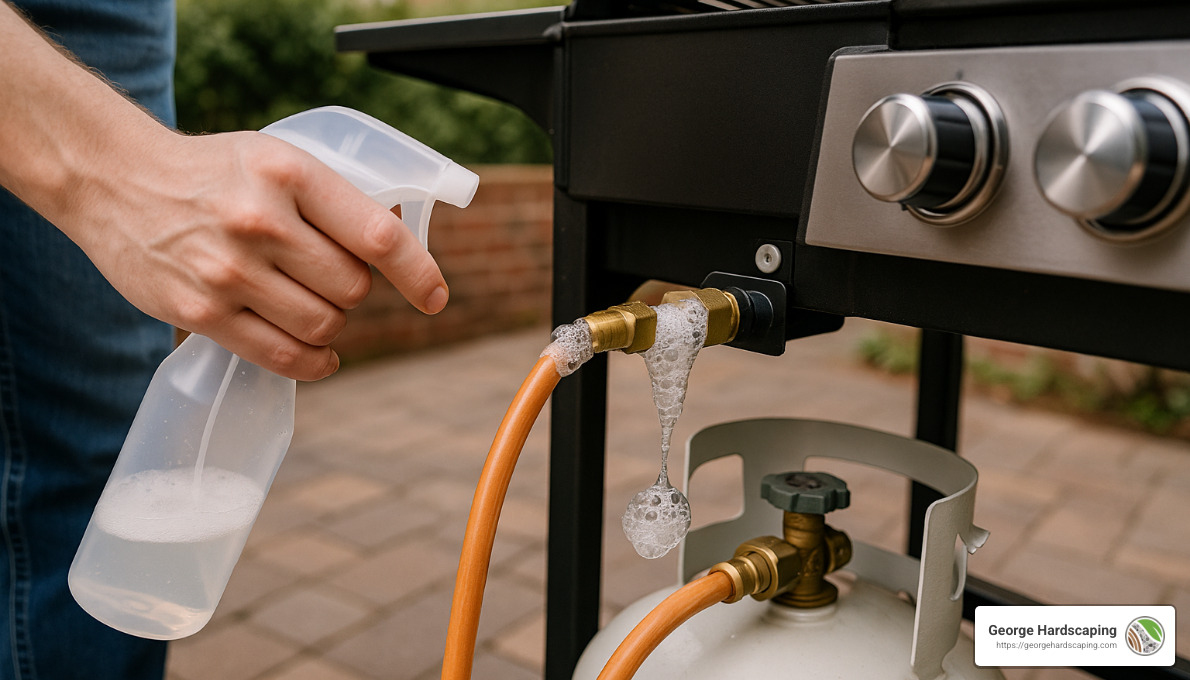
Testing for gas leaks is non-negotiable. Mix up equal parts dish soap and water in a small bowl, turn on the gas supply (but leave the grill burners off), and apply this soapy solution to all your gas connections. This includes pipe joints, hose connections, regulator attachment points, and burner connections.
Watch carefully for bubbles—they’re the telltale sign of a gas leak. If you spot any, immediately turn off the gas, tighten those connections or replace any faulty parts, and test again. Keep repeating until you see no bubbles at all. At George Hardscaping, we often test connections multiple times—safety first, always.
For natural gas installations, it’s worth having a professional verify that the gas pressure meets the manufacturer’s specifications (typically around 11 inches of water column for natural gas) using a special tool called a manometer.
Finally, run through these quick safety checks: Make sure all control knobs turn freely and return to the OFF position, verify that the ignition system works properly, check that all burners light evenly with a nice blue flame (slight yellow tips are okay), test any additional features like side burners or rotisseries, and give the grill a little nudge to ensure it’s stable and doesn’t wobble.
Now you’re ready for the best part—cooking your first meal on your newly installed grill! There’s nothing quite like that first cookout after you install outdoor grill equipment yourself (or with professional help). The food somehow tastes better when you know the setup is safe, secure, and built to last.
Maintaining Your Outdoor Grill for Longevity
Once you’ve put in the effort to install outdoor grill equipment properly, you’ll want to protect your investment. A well-maintained grill doesn’t just work better—it creates more delicious meals and becomes a reliable friend for your outdoor gatherings for years to come.
Regular Cleaning
Think of grill cleaning like brushing your teeth—consistent care prevents bigger problems down the road. After each cookout, while the grates are still warm (but not hot), give them a good brush with a quality grill brush. This simple five-minute habit removes food particles before they become baked-on cement.
Monthly, go a step deeper by removing those grates and heat shields to clean what’s underneath. Those drippings that disappeared through the grates? They didn’t vanish—they’re building up below, potentially causing flare-ups or uneven heating.
When seasons change, particularly before summer begins, treat your grill to a spa day with a thorough cleaning of all components. Pull those burners, clear the venturi tubes, and clean out the grease management system. Your reward will be consistent cooking temperatures and significantly extended grill life.
“On average, a gas grill can last from five to 15 years with proper maintenance,” notes one industry expert. That’s quite a range—and the difference largely comes down to how well you care for it.
Protecting from Elements
New England weather isn’t exactly gentle on outdoor equipment. Rain, snow, humidity, and temperature swings all conspire against your grill’s metal components. A quality grill cover designed specifically for your model is your first line of defense—think of it as your grill’s raincoat.
For those harsh Essex County winters, consider seasonal storage for portable grills. If your grill is built-in, apply rust-resistant paint to exposed metal parts annually, creating a barrier against moisture.
Many of our clients at George Hardscaping choose to install outdoor grill equipment under a pergola or partial roof. These structures not only add architectural interest to your outdoor space but provide practical protection from the elements. A thoughtfully designed pergola can shield your grill from direct rain while still allowing smoke to escape—function and beauty working together.
Replacing Parts
Even the best-maintained grills will eventually need new parts. Being proactive about replacements can prevent bigger issues down the road.
Burners typically need replacement every 2-5 years, depending on use and quality. When you notice uneven flames or see visible rust-through, it’s time for new ones. The cost ranges from $10 for basic burners to $100+ for high-end brands, making this a reasonable maintenance expense compared to full grill replacement.
Don’t forget about the ignition system—replace batteries annually or when you notice it becoming unreliable. Nothing dampens the grilling mood like having to run inside for matches when your ignition fails.
For the cooking surface itself, consider upgrading to cast iron or stainless steel grates if your grill didn’t come with them. They cost more upfront but distribute heat more evenly and last significantly longer than standard grates.
Extending Lifespan
Beyond the basics, a few pro tips can help maximize your grill’s service life. Keep that beautiful stainless steel exterior clean with mild soap and water—avoid harsh chemicals that can damage the finish. Those shiny surfaces aren’t just for looks; they help protect the metal underneath.
Each spring, before the grilling season kicks into high gear, check all gas connections using the soap bubble test we described earlier. This simple precaution takes just minutes but can prevent dangerous gas leaks.
In our New England climate, inspect for insect nests in venturi tubes before spring use. These tiny tubes control gas flow to your burners, and they’re perfect nesting spots for small insects during winter dormancy. A quick cleaning with a venturi brush can prevent blockages that cause poor performance.
Perhaps most importantly, address small issues promptly before they become major problems. That small rust spot? That slightly wobbly handle? Fix them now while they’re manageable. Your future self will thank you when you’re still grilling on the same unit years later while your neighbors are shopping for replacements.
For more information about outdoor kitchen and fireplace services that complement your grill installation, visit our Outdoor Kitchen and Fireplace page.
Conclusion
There’s something truly magical about stepping into your backyard, flipping open the lid of your newly installed outdoor grill, and hearing that first satisfying sizzle as food meets heat. All those hours of planning and installation work suddenly become worth it in that moment.
Successfully completing a project to install outdoor grill equipment transforms your ordinary backyard into a culinary haven where memories are made one meal at a time. Whether you’ve opted for a simple freestanding unit or gone all-in with an elaborate built-in grill as part of a comprehensive outdoor kitchen, your careful installation ensures you’ll enjoy safe, functional outdoor cooking for years to come.
At George Hardscaping, we’ve had the privilege of helping countless homeowners throughout Essex County create stunning outdoor cooking spaces. We’ve seen how the right outdoor cooking area can become the heart of a home’s exterior – a place where family recipes are passed down, where friends linger long after the meal is over, and where everyday dinners become special occasions simply by being cooked outside.
While many aspects of grill installation are DIY-friendly, we’ve learned that certain elements—particularly gas line installation—often benefit from professional expertise. As one expert wisely noted: “If any of these steps seem confusing or intimidating, seek the help of a professional and get ready to enjoy your new built-in grill for years to come.” There’s no shame in calling for backup when needed – your safety and peace of mind are worth it.
The investment in a properly installed outdoor grill pays dividends in countless ways. Beyond the obvious delicious meals, you’re creating a focal point for gatherings, potentially increasing your home’s value, and extending your living space into the great outdoors. Our clients consistently tell us that their outdoor cooking areas quickly become their favorite “rooms” in the house during good weather.

For residents in Beverly, Salem, Marblehead, and throughout the North Shore, George Hardscaping stands ready to help with all aspects of outdoor living spaces. From the foundation of your grilling area to the finishing touches that make it uniquely yours, we bring decades of experience and a passion for creating outdoor spaces that truly improve your lifestyle.
Now that your installation is complete, it’s time for the best part – enjoying the fruits of your labor! Head outdoors, put on some music, grab your favorite beverage, and fire up that grill. The steaks (pun intended) have never been higher, but neither has the potential for outdoor enjoyment. Your culinary trips await – and they’re just steps from your back door.
