
Essex County snow removal: 10 Essential Tips for Safe 2025
Winter in Essex County: Your Snow Removal Guide
Essex County snow removal services are managed through a combination of county operations, municipal efforts, and private contractors. Here’s a quick overview:
| Responsibility | Who Handles It | When Service Begins |
|---|---|---|
| County Roads | Essex County Division of Roads & Bridges | After 2″ of accumulation |
| Municipal Streets | Local Town DPWs | Varies by municipality |
| Private Driveways | Property Owners/Contractors | By arrangement |
| Sidewalks | Adjacent Property Owners | By noon after snowfall |
When winter blankets Essex County with snow, a well-orchestrated system springs into action. The Essex County Division of Roads and Bridges maintains an impressive 450 lane miles of county roadways, deploying approximately 60 snowplows and 20 salt spreaders each winter season.
From November 15th through April 30th, a dedicated 24-hour weather watch monitors conditions that might create hazardous road surfaces. This vigilance ensures that when snowflakes begin to fall, crews are ready to respond.
For homeowners and businesses, understanding who handles what during a snowstorm is crucial. While the county clears major roadways, property owners are responsible for their driveways, parking areas, and adjacent sidewalks. Many residents choose to contract with private snow removal services for reliable clearing throughout the winter months.
Why is this important? Beyond convenience, proper snow removal is a safety issue. Clear roads allow emergency vehicles to reach their destinations, while cleared sidewalks prevent pedestrian falls and potential liability claims.
As a resident of Essex County, knowing your responsibilities and available resources helps everyone steer winter more safely. Whether you’re wondering about county plowing schedules, sidewalk clearing requirements, or how to request service for an unplowed road, this guide will help you understand the complete picture of snow removal in our community.
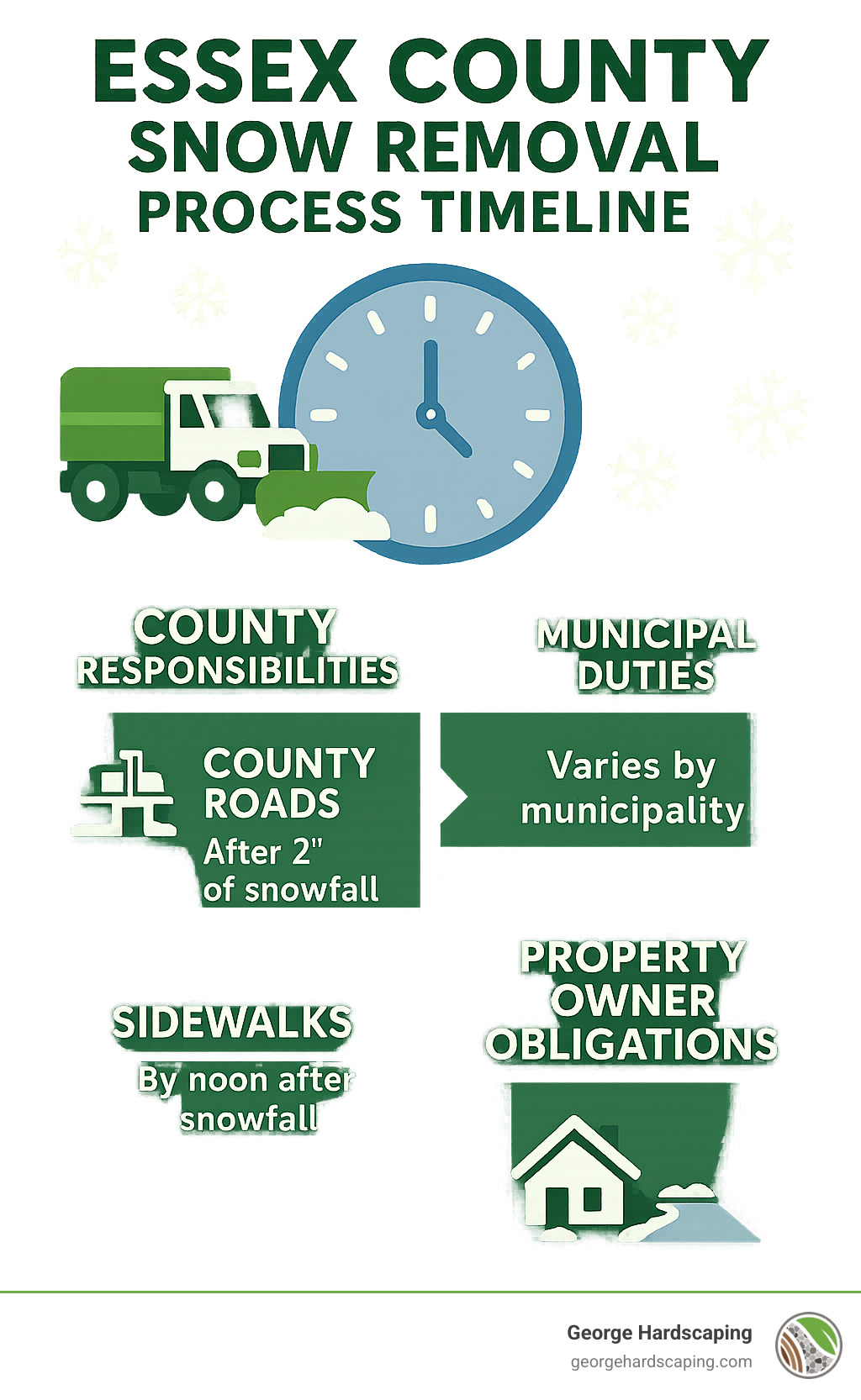
Simple guide to Essex County snow removal terms:
– Commercial snow clearing
– Eco-friendly snow removal
– Residential snow plowing
Understanding Snow Removal Responsibilities in Essex County
Winter in Essex County brings more than just scenic snowscapes—it triggers a carefully orchestrated snow removal dance between public agencies and private property owners. Knowing exactly who handles what can save you hours of frustration and unnecessary phone calls when the snow starts piling up.
The Essex County Division of Roads and Bridges serves as the winter weather command center for county-maintained roadways. These dedicated teams manage an impressive 450 lane miles of county roads, ensuring that residents can travel safely between our communities from Beverly to Salem, Peabody and beyond. Their snowplows become a welcome sight on major arteries during winter storms.
Every town within our county maintains its own unique snow response through local Departments of Public Works. From coastal communities like Gloucester and Marblehead to inland towns like Boxford and Topsfield, these municipal crews handle town-owned streets with their own equipment and teams.
“During major storms, communication becomes everything,” explains a veteran county operations supervisor. “Our teams work hand-in-hand with local DPWs, sharing real-time updates and sometimes even resources to make sure no community gets left behind in the snow.”
For residents living on private roads, the responsibility typically falls to homeowners associations (HOAs), which contract with professional services like George Hardscaping to keep their neighborhoods accessible. These arrangements operate independently from county systems, following their own schedules and service standards.
Who Handles What After a Storm?
When snowflakes start falling, a clear hierarchy of responsibility kicks into action across Essex County:
County Crews tackle the major arteries first—those crucial connector roads that serve as lifelines between communities. Their massive plows focus on clearing lanes that carry the highest traffic volumes and provide access to hospitals, emergency services, and major commercial areas.
Town DPWs concentrate on municipal streets within their boundaries, usually starting with main roads and school zones before moving into residential neighborhoods. Each town follows slightly different prioritization plans based on local needs.
HOAs coordinate snow removal for private communities through contracted services. If you live in a development with a homeowners association, check your HOA guidelines to understand their specific snow removal protocols.
Private Contractors like us at George Hardscaping clear driveways, parking lots, and walkways for individual homeowners and businesses throughout Essex County. Many residents prefer the peace of mind that comes with professional snow removal services rather than tackling the heavy lifting themselves.
During significant storms, you’ll see all these entities working around the clock. The county activates its emergency operations plan ahead of major weather events, strategically positioning equipment and crews to respond the moment accumulation begins.
Property-Owner Obligations & Deadlines
Living in Essex County comes with specific snow-related responsibilities that many newcomers don’t realize until they face their first winter storm.
Sidewalk shoveling isn’t just neighborly—it’s typically required by local ordinances. Most municipalities require property owners to clear sidewalks adjacent to their properties by noon the day after snowfall ends. This timeline ensures safe passage for pedestrians and reduces your potential liability if someone slips and falls.
Those frustrating snow piles at the end of your driveway (affectionately called “windrows” by public works crews) are unfortunately your responsibility to clear. While it’s tempting to wait for “someone official” to remove them, county and municipal plows must focus on keeping roads passable.
“I spent my first Essex County winter waiting angrily for someone to clear the end of my driveway,” laughs a Danvers resident. “Now I know to hold off on clearing that final section until the street plows have made their last pass.”
The consequences for ignoring snow removal duties can hit your wallet. Many towns issue tickets with fines starting at $50-$75 for uncleared sidewalks, with penalties increasing for repeat offenders. Beyond fines, property owners may face liability claims if someone is injured due to neglected snow or ice removal.
Understanding these responsibilities helps everyone steer winter more safely while protecting yourself from unexpected fines or liability issues. When in doubt about local requirements, check your town’s website for specific snow removal ordinances—they vary slightly from one community to another across Essex County.
| Responsibility | Who Handles It | When Service Begins |
|---|---|---|
| County Roads | Essex County Division of Roads & Bridges | After 2″ of accumulation |
| Municipal Streets | Local Town DPWs | Varies by municipality |
| Private Driveways | Property Owners/Contractors | By arrangement |
| Sidewalks | Adjacent Property Owners | By noon after snowfall |
For homeowners who prefer to leave snow removal to the professionals, our team at George Hardscaping provides reliable Residential Snow Plowing Near Me services throughout Essex County, ensuring your property stays accessible all winter long.
Essex County Snow Removal Operations & Priorities
When winter storms threaten Essex County, a remarkable operation swings into action that most residents never see firsthand. The Essex County snow removal team doesn’t just respond to storms—they prepare for them year-round, maintaining a level of readiness that keeps our community moving even in the harshest conditions.
The Division of Roads and Bridges manages an impressive 450 lane miles of roadway throughout the county. Behind this effort stands a fleet of approximately 60 snowplows and 20 salt spreaders, representing a significant investment in our community’s safety and mobility.
“Most people are still sleeping when our crews hit the roads,” says a veteran plow operator. “There’s something peaceful about clearing those first passes before dawn, knowing you’re helping everyone start their day safely.”
From November 15th through April 30th, a dedicated 24-hour weather watch monitors conditions across the region. This isn’t just about tracking snowfall—it’s a sophisticated operation that analyzes temperature patterns, precipitation types, and wind forecasts to determine the most effective response strategies.
“A wet snow with dropping temperatures requires completely different tactics than a light, fluffy snowfall,” explains a county operations manager. “Our monitoring helps us deploy the right resources at the right time.”
When severe weather approaches, the county may declare a “significant weather event,” triggering special protocols and alerting residents to potential delays. This designation typically applies to storms bringing 3 inches or more of snow within 24 hours, unexpected ice conditions, or blowing snow that reduces visibility.
For more information about county operations, visit the County of Essex : Department of Public Works.
Road Prioritization Strategy
Not all roads receive attention at the same time during a snowstorm. The Essex County snow removal team follows a carefully developed prioritization system that maximizes safety for the greatest number of residents.
Primary routes get first attention when snow begins to accumulate. These major arteries connect communities and provide access to critical infrastructure like hospitals, fire stations, and police headquarters. Secondary routes, including collector roads in residential areas and roads serving schools and business districts, follow next. Finally, tertiary roads and less-traveled routes are addressed once the higher-priority network is secure.
A smart feature of the county’s strategy is rush-hour pre-deployment. When significant snowfall is predicted during peak travel times, crews position equipment strategically before the storm hits. This prevents the gridlock that can happen when snow and commuter traffic collide.
School zones receive special priority, particularly when snowfall occurs on school days. Routes around educational facilities are cleared early to protect our students, teachers, and staff.
Equipment & Resources at Work
The machinery powering Essex County snow removal operations represents cutting-edge winter maintenance technology. This investment allows for efficient response to winter weather events of all sizes.
Brine tanks have revolutionized how the county prepares for storms. These vehicles apply a salt-water solution to roadways before snow begins, preventing ice from bonding to the pavement. This pre-treatment approach significantly reduces the amount of solid salt needed later.
Salt domes scattered throughout the county store thousands of tons of road salt, ensuring adequate supplies all winter. These structures protect the salt while allowing easy access for loading trucks during storms.
Heavy-duty loaders stand ready to address significant accumulations, especially in large areas like county facility parking lots. These machines can move massive amounts of snow quickly when standard plows would struggle.
“The technology in our trucks today would amaze people,” says a veteran operator. “We can adjust salt application rates based on road temperature readings, track exactly where we’ve been, and communicate instantly with supervisors about problem areas.”
GPS tracking technology allows supervisors to monitor the location and progress of each vehicle in real-time. This ensures efficient coverage of all routes and allows for rapid redeployment as conditions change.
Storm-to-Clear Workflow
The Essex County snow removal process follows a methodical workflow refined over decades of winter operations:
- Pre-treat: When forecasts indicate imminent snowfall, brine trucks apply liquid salt solution to priority routes, preventing ice from bonding to the roadway surface.
- Plow: Once snow accumulation reaches approximately 2 inches, plowing operations begin on priority routes, with continuous passes to keep primary roads passable.
- Salt: After plowing has cleared the bulk of snow, salt spreaders treat the surface to prevent ice formation, with application rates carefully calibrated to conditions.
- Final Inspection: When active snowfall ends, inspectors assess all county routes to identify areas needing additional attention and address any trouble spots.
- Post-Storm Sweep: In the days following a significant snow event, street sweepers may clear excess salt and sand from roadways, reducing environmental impact.
“There’s incredible satisfaction in seeing the change from impassable to clear,” shares one longtime county employee. “After a big storm, when you can drive the entire county and see safe, clear roads that were buried hours before—that’s when you know you’ve made a difference.”
This comprehensive approach represents the county’s commitment to maintaining safe, passable roadways throughout winter while being responsible stewards of environmental and financial resources.
Services Available to Residents & Businesses
When winter arrives in Essex County, residents and businesses have several options beyond the county’s standard road maintenance. These services ensure everyone can steer the snowy season safely, regardless of their circumstances.
The county’s service request system is your direct line to report problems during winter weather. Through the PubWorks portal, you can submit concerns about unplowed roads or hazardous conditions, creating a trackable record that ensures proper follow-up. Think of it as your virtual snow removal hotline!
“We rely on residents to be our eyes and ears during major storms,” explains a county dispatcher. “When you report specific issues through PubWorks, we can respond much more efficiently.”
For our more vulnerable neighbors, emergency walkway clearing provides a crucial lifeline. Several municipal and non-profit programs focus specifically on ensuring seniors, people with disabilities, and those with medical needs maintain safe access to their homes when snow falls.
The heartwarming Snow Buddies program available in some Essex County communities exemplifies our region’s community spirit. This initiative connects volunteers with residents who need assistance clearing snow, creating meaningful connections while solving a practical problem.
How to Request Service or Report Issues
When you notice a county road that needs attention after a snowfall, taking action is simple:
The PubWorks portal is your most efficient option for submitting service requests. The system routes your concern directly to the appropriate department and provides updates as your request progresses.
During major snow events, many towns activate special snow emergency hotlines. These dedicated numbers help keep regular emergency lines clear while giving you a direct connection to snow removal coordinators.
If county plowing operations accidentally damage your property—perhaps taking out your mailbox or damaging landscaping—document everything with clear photos. Submit these through the county’s claims process promptly for the best chance of resolution.
“Be as specific as possible when reporting issues,” suggests a county operations manager. “Exact location, nature of the problem, and whether emergency access is needed helps us prioritize effectively.”
Commercial Essex County snow removal solutions
For Essex County businesses, snow removal isn’t just about convenience—it’s about staying open and protecting your bottom line. Essex County snow removal services for commercial properties address the unique challenges businesses face during winter weather.
Retail centers require special attention to ensure customers can access stores safely. From clearing parking lots to maintaining clear walkways and entrances, professional services keep businesses accessible even during the heaviest snowfalls.
Office parks and commercial complexes benefit from customized snow management plans that align with their specific operational needs. These plans typically designate snow storage areas away from prime parking, establish priority zones for early clearing, and create detailed protocols for ice management.
Bulk salting and de-icing services provide preventative protection between snowfalls, particularly important for properties with evening operations when refreezing is common. These services reduce liability concerns while maintaining safe conditions for employees and visitors.
At George Hardscaping, we understand that each commercial property has unique needs. Our Commercial Snow Removal Services create custom plans that minimize business disruption while maximizing safety.
Residential Essex County snow removal tips
Homeowners throughout Essex County face their own winter challenges, whether they handle snow removal themselves or hire professionals.
Essex County snow removal for homes typically includes clearing driveways, shoveling walkways, and maintaining safe entrances and steps. These services provide peace of mind and eliminate the physical strain of winter maintenance, particularly valuable for older residents or those with health concerns.
Sidewalk safety demands special attention, both for legal compliance and neighborhood goodwill. Most towns require adjacent property owners to clear sidewalks by noon the day after snowfall ends—and failing to do so could result in fines.
“The best approach is to clear snow before it gets packed down,” advises a snow removal professional. “Fresh snow is so much easier to remove than snow that’s been walked on or has started to melt and refreeze.”
For those looking for reliable residential services, Residential Snow Plowing Near Me connects you with local professionals who understand our region’s unique winter challenges.
Emergency & Priority Assistance Programs
Essex County recognizes that winter presents unique challenges for vulnerable residents. Several thoughtful programs ensure everyone stays safe during snowy weather.
Seniors and residents with disabilities may qualify for priority snow removal through municipal or non-profit programs. These vital services ensure vulnerable individuals maintain safe home access and can receive necessary medical care despite winter conditions.
The heartwarming Snow Buddies program matches volunteers with neighbors who need help with snow clearing. More than just practical assistance, these connections strengthen community bonds during challenging winter months.
Medical access routes receive top priority from both county and municipal snow teams. Residents with ongoing medical needs like dialysis or home healthcare can register with local emergency management offices to ensure their streets receive prompt attention during snow events.
“These programs represent the best of our community,” notes a social services coordinator. “For many vulnerable residents, reliable snow removal is what allows them to remain independent in their homes throughout winter.”
How to Support Safe & Sustainable Snow Removal
Winter in Essex County isn’t just a challenge for road crews—it’s a community effort that requires cooperation between government agencies and residents. When we all work together, snow removal becomes more efficient, safer, and better for our environment.
Have you ever wondered why those parking bans matter so much? When cars remain on streets during snow clearing operations, they create significant obstacles for plow operators. These obstacles slow down the entire process and often result in partially cleared roads that refreeze into dangerous conditions. Most Essex County municipalities enforce these bans seriously, with $75 fines that hit your wallet hard. During major storms, vehicles might even be towed at the owner’s expense.
“The difference between plowing a street with no parked cars versus even just a few is night and day,” explains a veteran Essex County plow operator. “We can clear a car-free street in a single pass, but working around parked vehicles might take three times as long and leave dangerous snow piles.”
Giving plows plenty of space on roadways is another crucial safety practice everyone should follow. These massive vehicles have significant blind spots and limited maneuverability. Safety experts recommend maintaining at least 200 feet between your vehicle and any working plow—about the length of two-thirds of a football field. This distance gives operators the room they need to work safely and effectively.
Essex County snow removal has evolved significantly in recent years, especially regarding environmental impact. Traditional road salt, while effective, can damage waterways, harm vegetation, and corrode vehicles and infrastructure. In response, the county and many municipalities have shifted toward brine solutions—salt water mixtures applied before storms that prevent ice from bonding to pavement in the first place.
“The environmental benefits of our pre-treatment approach are substantial,” notes an environmental engineer working with the county. “We’ve reduced our overall salt usage by nearly 30% while maintaining the same level of winter safety on our roads. That means less chloride making its way into our local streams and wetlands.”
Parking & Travel Rules During Storms
When snow starts falling, understanding parking regulations becomes essential for every Essex County resident. These rules aren’t created to inconvenience you—they’re designed to ensure everyone’s streets get cleared efficiently.
Overnight street parking prohibitions kick in during most snow emergencies across Essex County communities. These restrictions typically activate when accumulation reaches 2-3 inches and remain in effect until streets have been completely cleared. The exact rules vary by municipality, so it’s worth checking your town’s specific regulations before winter arrives.
Enforcement gets particularly serious during major snow events. Vehicles left on streets during active parking bans may be towed at the owner’s expense—an unwelcome surprise that often costs over $200 when you combine towing fees and tickets. Some towns even post these violations on their websites or social media pages as cautionary tales.
In densely populated areas where off-street parking is limited, many communities implement alternate-side parking rules. These clever regulations require vehicles to park on designated sides of the street on alternating days, allowing plows to clear each side completely over a 48-hour period. While this system requires more attention from residents, it ensures thorough snow removal without requiring everyone to find off-street parking simultaneously.
“When I first moved to Beverly, I learned about alternate-side parking the hard way,” shares one Essex County resident. “Now I set reminders on my phone the night before snow is expected. It’s become just another part of winter life here.”
Eco-Friendly De-Icing & Salt Best Practices
Being smart about ice management isn’t just good for the environment—it’s good for our infrastructure too. Road salt damages vehicles, concrete, and vegetation while eventually making its way into our waterways.
Temperature awareness plays a crucial role in effective de-icing. Did you know traditional rock salt becomes nearly useless below 15°F (-9°C)? Applying it in extremely cold conditions wastes resources and creates false security. At these lower temperatures, sand or specialized ice-melt products provide better traction and safety. Many Essex County snow removal crews now use temperature sensors to determine the most effective treatment for current conditions.
Sand additives have become increasingly common, especially in environmentally sensitive areas near wetlands or water sources. While sand doesn’t melt ice, it immediately improves traction and doesn’t contribute to waterway contamination. The county often uses a salt-sand mix that reduces overall salt usage while maintaining safety.
For homeowners concerned about environmental impact, judicious application is key. A standard 12-ounce cup of ice melt product is typically sufficient to treat a 20-foot driveway or about 10 sidewalk squares. Applying more doesn’t improve effectiveness—it just increases cost and environmental damage. Consider sweeping up excess salt after it has done its job to prevent it from washing into storm drains.
“We’ve seen a real shift in homeowner awareness about salt use,” notes a local hardware store owner. “More people are asking about eco-friendly alternatives and proper application rates instead of just buying the biggest bag available.”
Helping Crews Help You
There are several simple ways Essex County residents can support snow removal efforts in their neighborhoods:
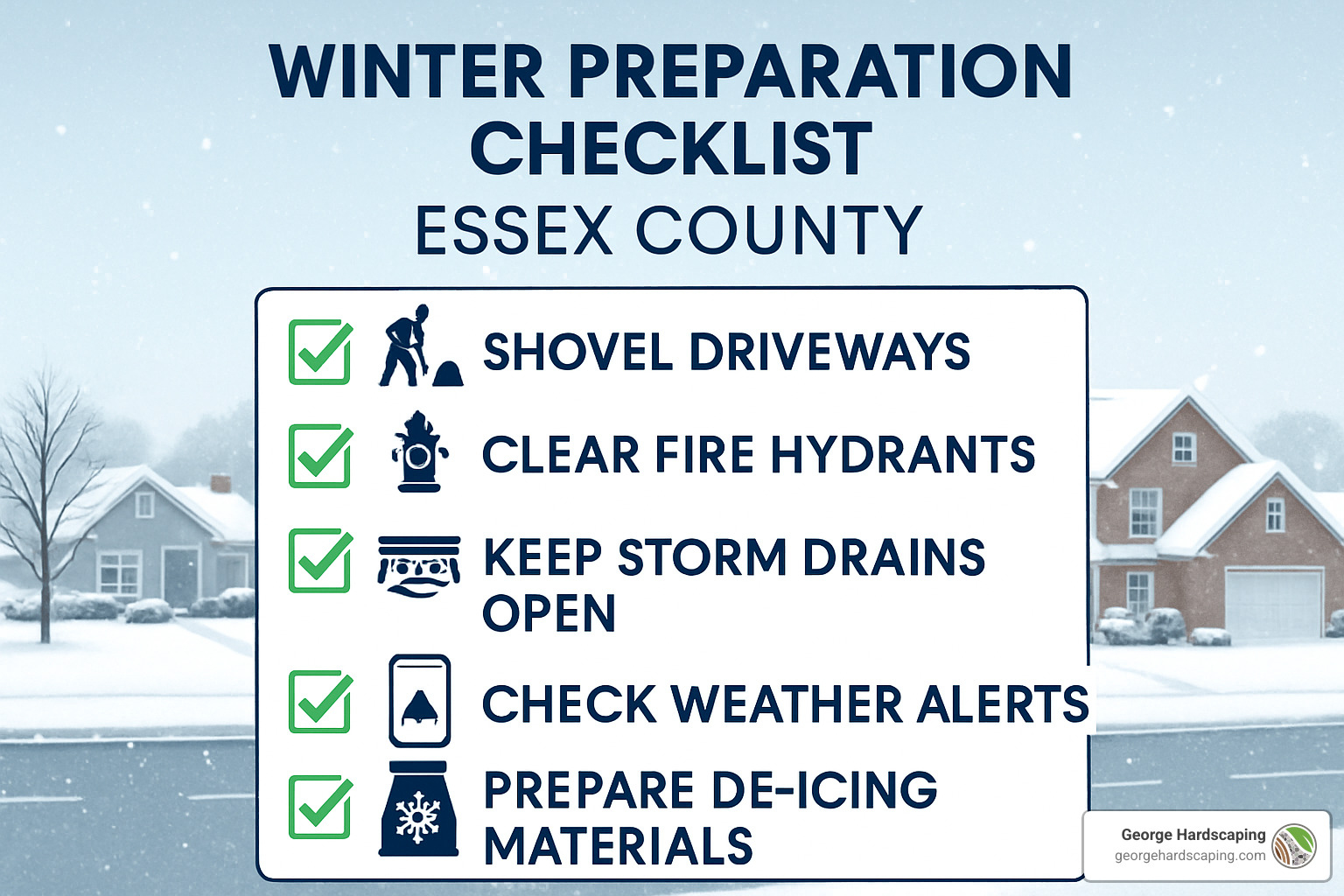
Clear nearby fire hydrants after snowfall. This small act could save precious minutes during an emergency response. Fire departments recommend clearing a 3-foot radius around hydrants to ensure they’re accessible when needed.
Shovel snow to the right side of your driveway when facing the street. This strategic placement reduces the chance that passing plows will push snow back across your freshly cleared driveway entrance—a frustrating experience every homeowner knows too well.
Keep storm drains clear of snow and debris. This prevents flooding during melting periods and helps maintain safe road conditions as temperatures fluctuate between freezing and thawing. Clearing just a small channel to allow water flow can prevent significant ice buildup on streets.
A county road supervisor summed it up perfectly: “When residents partner with us by following these simple practices, we can provide more efficient, effective service to everyone. It truly makes a difference in how quickly we can restore normal conditions after a storm.”
At George Hardscaping, we understand the challenges winter brings to Essex County properties. While we focus on creating beautiful outdoor spaces in warmer months, we know that proper winter maintenance protects your investment. For more information about winter property protection or to learn about our Winter Weather Preparation services, contact our team today.
Costs, Damage Claims & Winter Preparation
When the snow starts falling in Essex County, understanding the financial side of snow removal helps you prepare both your property and your wallet. While county crews handle public roads through your tax dollars, clearing your driveway and walkways remains your responsibility – either through your own labor or hired help.
The cost of professional snow removal varies considerably across Essex County, depending on your property’s size, location, and the level of service you need. At George Hardscaping, we provide customized quotes custom to each property’s unique requirements, but understanding general market rates can help with your winter budgeting.
Sometimes, despite everyone’s best efforts, property damage occurs during snow clearing operations. That pristine mailbox or carefully placed landscape lighting might fall victim to a passing plow, especially during heavy storms when visibility is limited. Knowing how to document and file claims can save you considerable frustration when incidents happen.
“I learned the hard way about documentation after my Belgian block driveway border was damaged during a particularly nasty nor’easter,” shares Salem resident Michael Torres. “Taking photos immediately made all the difference in getting it repaired properly.”
Insurance considerations should be part of your winter preparation strategy too. Many homeowner policies have specific provisions about snow and ice management, and failing to keep walkways reasonably clear could affect your coverage if someone slips and falls on your property.
Average Snow Removal Pricing for Homeowners
What can you expect to pay for professional snow removal in Essex County? While George Hardscaping provides custom quotes based on your specific property needs, understanding the general market helps with budgeting for winter services.
Based on internet data (not our actual pricing), per-visit services for standard residential driveways typically range from $40-$120. The higher end applies to larger properties or those requiring additional services like walkway clearing and de-icing, with premium services potentially costing three times more than basic options.
For peace of mind throughout the winter, many homeowners prefer seasonal contracts, which generally range from $250-$900 for standard residential properties. These contracts provide priority service regardless of how many storms hit, making them particularly valuable during snowier-than-average winters.
Additional services like roof snow removal to prevent ice dams or emergency clearing for special events typically carry costs beyond standard plowing rates. These specialized services can be worth their weight in gold when you’re facing a roof at risk of collapse or need guaranteed access for a critical appointment.
“I switched to a seasonal contract after the winter of 2015 when we got hammered with storm after storm,” explains Beverly homeowner Janet Klein. “Having guaranteed service without worrying about per-visit costs during that record-breaking February made all the difference – I could focus on getting to work safely while my neighbors were scrambling to find available plowing services.”
These figures represent industry averages based on internet research, not George Hardscaping’s specific pricing structure. Our quotes are customized to each property’s unique characteristics and service requirements.
Filing Damage Claims & Getting Repairs
Despite the care taken by snow removal operators, occasional property damage happens during clearing operations. Knowing how to handle these situations can make the difference between a quick resolution and a season-long headache.
Most municipalities and the county provide online forms for reporting snow removal-related damage through their public works portals. These forms typically require detailed information about the damage, when it occurred, and – most importantly – photographic documentation.
Deadlines matter when filing claims, with most local governments requiring reports within 30 to 90 days after the damage occurs. The sooner you file, the better your chances of successful resolution – especially since memories fade and evidence can disappear with subsequent storms.
Photo evidence is absolutely crucial. Clear images showing the damage and its context help officials assess responsibility and determine appropriate repairs. Take pictures from multiple angles, include wide shots showing the location relative to the road, and capture any visible plow marks or other relevant details.
The county review process typically involves an inspection by public works personnel, verification against plow routes and schedules, and a determination of whether the damage resulted from normal plowing operations or operator error. This process can take several weeks, especially following major storms when claim volumes are high.
“Most damage claims involve mailboxes, lawn edges, or decorative features near the road,” explains a claims processor with over 15 years of experience. “Concrete evidence and reasonable expectations are key to a satisfactory resolution.”
Winter Readiness Checklist for Families & Businesses
Being prepared before the first flakes fall can save you time, money, and significant stress during winter weather events. Consider this your essential winter readiness guide:
Stock up early on ice melt and sand before the seasonal rush creates shortages. Proper application matters – a 12-ounce cup of salt is sufficient for about 10 sidewalk squares. Over-application doesn’t improve effectiveness and increases environmental harm.
Prepare emergency kits for both your home and vehicles. Include flashlights, batteries, non-perishable food, water, blankets, and first aid supplies. Power outages often accompany major winter storms, and being prepared means staying comfortable and safe until services are restored.
Download the WeatherCAN app from Environment and Climate Change Canada for location-specific forecasts and emergency alerts. Advance warning gives you time to prepare for incoming storms and understand potential impacts on your daily activities.
Test generators and emergency equipment before winter arrives. That backup power system won’t help during a blizzard if it won’t start or runs out of fuel. Regular maintenance ensures your equipment works when you need it most.
Arrange snow removal services early in the season. Professional services like ours at George Hardscaping often fill our client rosters well before the first snowfall. Securing arrangements early ensures you won’t be left searching for help during a storm when demand peaks and availability plummets.
Mark potential obstacles at the edges of driveways, walkways, and landscaping features to guide plow operators during low-visibility conditions. Simple reflective markers can prevent costly damage to your property and snow removal equipment.
Review your insurance coverage to confirm adequate protection against winter-related risks, including snow load on roofs and slip-and-fall liability. Understanding your policy before problems arise helps avoid unpleasant surprises during claims.
“Winter preparedness isn’t just about convenience—it’s about safety and resilience,” notes Essex County Emergency Management Director Thomas Wilson. “The best time to prepare is when the sun is shining and temperatures are mild, not when forecasters are tracking the next nor’easter headed our way.”
Frequently Asked Questions about Essex County Snow Removal
Who clears my road first?
When snow blankets Essex County, many residents find themselves wondering who’s responsible for clearing their particular stretch of road—and how quickly they can expect to see a plow.
The truth is, Essex County snow removal follows a carefully planned priority system that ensures the most critical roads are cleared first. Think of it as a traffic flow strategy: primary arterial roads (the major thoroughfares carrying thousands of vehicles daily) receive immediate attention. These high-volume routes also serve as crucial emergency response corridors when minutes matter most.
Next in line are collector roads—those important connectors that link neighborhoods to main arteries and provide access to essential facilities like schools, hospitals, and business districts. Once these vital connectors are passable, crews move on to residential streets and local roads that carry lighter traffic volumes.
“We understand everyone wants their street plowed first,” shares a county operations supervisor. “But our systematic approach ensures emergency vehicles can reach anyone who needs help, regardless of where they live in the county.”
The final areas to receive attention are typically cul-de-sacs and dead-end streets, which require specialized clearing techniques and often serve fewer residents.
Not sure who maintains your particular road? A quick call to your local municipal public works department or the Essex County Division of Roads and Bridges can clear up any confusion about whether your street falls under county, town, or private maintenance responsibility.
How do I report an unplowed street?
You’ve been patient, but the plows still haven’t reached your street. What now?
The most efficient way to report an unplowed street is through official online service request systems. Most municipalities and the county maintain user-friendly portals where you can submit detailed information about your situation. These digital systems create trackable tickets that help ensure your report doesn’t fall through the cracks.
During major snow events, many communities activate dedicated snow emergency hotlines staffed by personnel who can provide updates on clearing progress and estimated response times. These numbers are typically promoted on municipal websites and social media channels when activated.
For truly hazardous conditions that present immediate safety concerns, the non-emergency police line can help direct resources appropriately without tying up 911 services.
When making your report, be specific about:
– The exact street name and location (including cross streets if possible)
– How long the condition has existed
– Any special circumstances (residents with medical needs, elderly neighbors, etc.)
– Your contact information for follow-up
“During a major storm, what feels like a forgotten street is usually just lower in the priority sequence,” explains a veteran public works director. “Our crews follow systematic routes designed to restore normal conditions as efficiently as possible for the entire community.”
What are the sidewalk clearing rules?
Sidewalk snow removal might seem like a courtesy, but throughout Essex County, it’s actually a legal responsibility for property owners. While specific requirements vary slightly between municipalities, the core obligations remain consistent.
Property owners must clear sidewalks adjacent to their properties, typically by noon on the day following the end of snowfall. This isn’t just about compliance—it’s about creating safe pathways for everyone in our community, from schoolchildren to seniors.
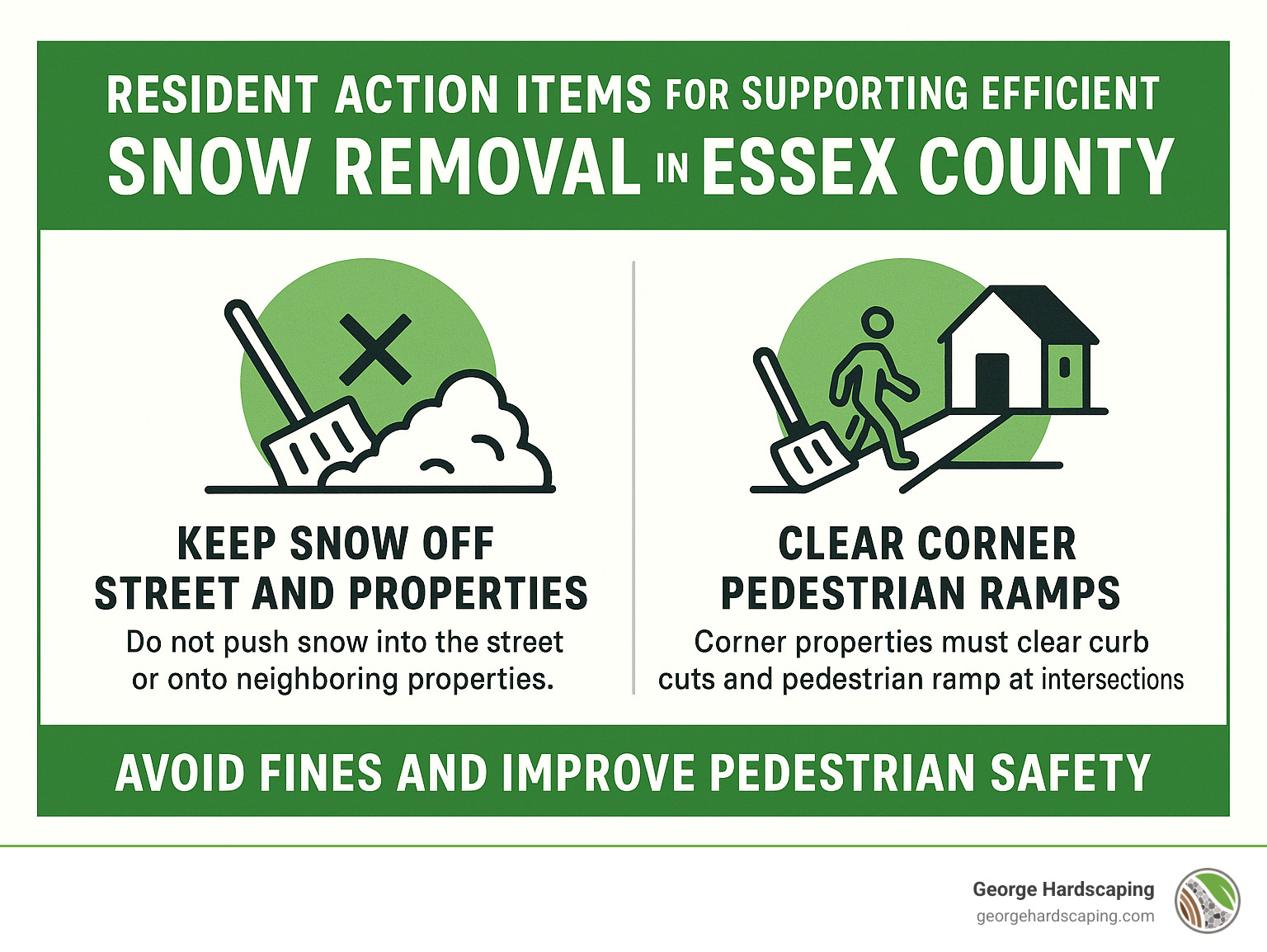
Most ordinances require maintaining a clear path of at least 36-42 inches wide (depending on local regulations). The snow you remove shouldn’t be pushed into the street or onto neighboring properties, as this simply transfers the problem elsewhere. If you own a corner property, you’re also responsible for clearing curb cuts and pedestrian ramps at intersections—crucial access points for people with mobility challenges.
Essex County snow removal requirements come with consequences for non-compliance. Fines typically start around $50 for first offenses and can escalate to $200 for repeat violations. But the real cost of neglected sidewalks isn’t measured in dollars—it’s measured in safety risks to pedestrians who may be forced to walk in busy streets or risk falls on icy surfaces.
“We don’t enjoy issuing citations,” notes a local code enforcement officer. “But clear sidewalks aren’t optional—they’re essential infrastructure for a functioning winter community.”
For residents physically unable to manage snow removal due to age, disability, or health limitations, help is available. Many communities offer assistance programs or can connect residents with volunteer services like Snow Buddies that match those in need with willing helpers.
Properly cleared sidewalks benefit everyone—they allow children to walk safely to school, enable people with mobility challenges to steer our community independently, and prevent injuries that can have lasting consequences.
Conclusion
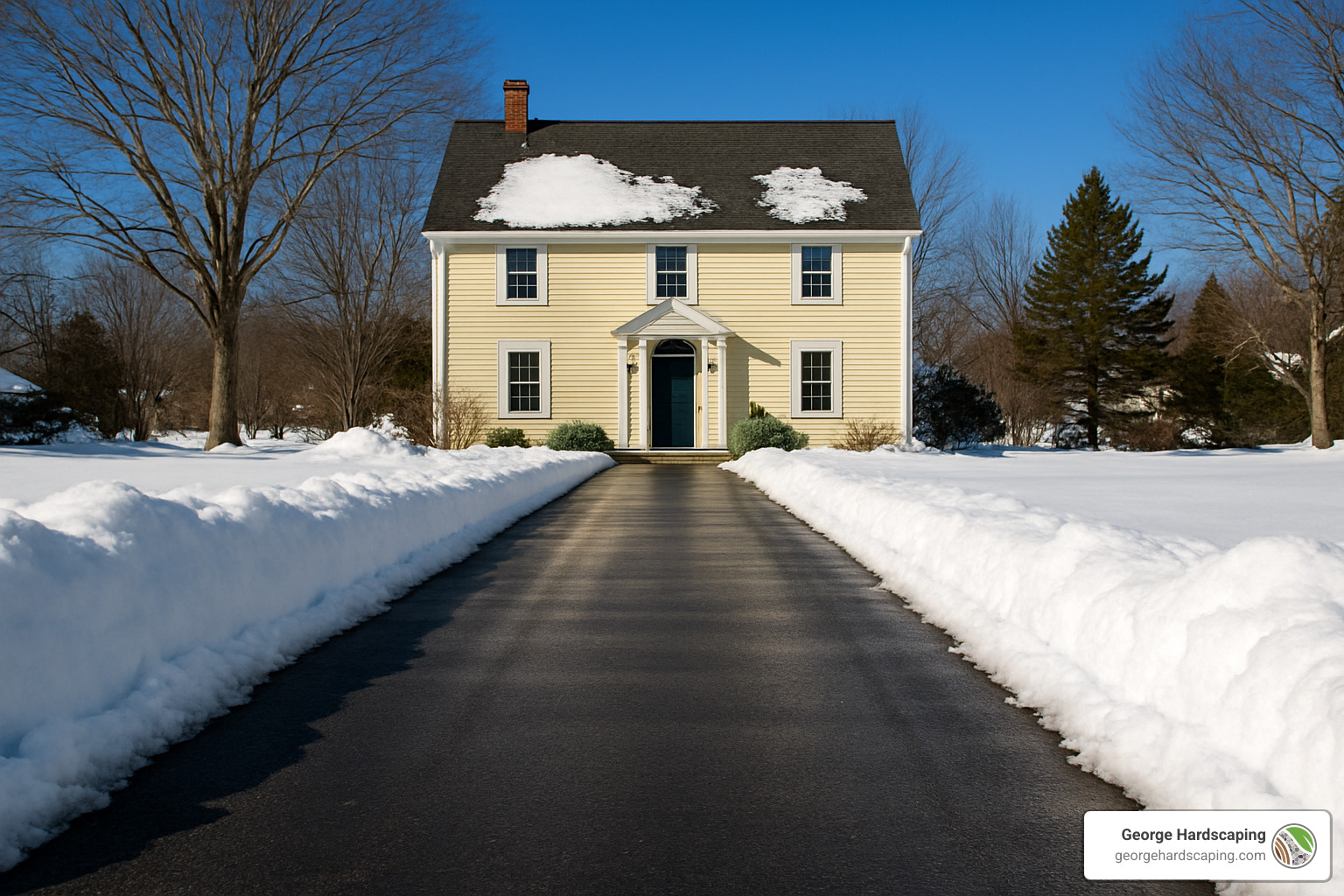
Let’s be honest—nobody really loves shoveling snow at 6 a.m., but in Essex County, it’s all part of the winter trip. Navigating our snowy season takes a true team effort. From the county’s fleet of 60 plows and 20 salt spreaders ready to tackle 450 lane miles of roadway, to families bundling up to clear their sidewalks by noon, everyone pitches in to keep Essex County moving.
The Essex County snow removal system is a big operation, and it works best when everyone understands their role. The county’s round-the-clock weather watch (yep, they really do monitor the forecast 24/7 from November through April!) makes sure roads get priorities straight. When snow starts falling, the main arteries and emergency routes see the first plows, and the work continues until even the smallest cul-de-sac is cleared.
Homeowners and property managers play a crucial part, too. Clearing sidewalks and driveways isn’t just a suggestion—it’s a requirement in most towns, and knocking it out on time helps neighbors, mail carriers, and kids heading to school. Plus, it prevents headaches like fines and liability issues. If you’re not up for the heavy lifting (or just want to sleep late), hiring dependable snow removal pros is always a smart move.
Here at George Hardscaping, we take pride in being Essex County’s go-to for snow removal solutions. Whether you need a basic driveway plow after a dusting, or a full-service plan for a busy commercial lot, our team delivers custom, reliable service—rain, sleet, or, well, a classic North Shore nor’easter. We’ve seen it all, and we’re ready for whatever winter brings.
As you get set for another snowy season, keep these essentials in mind: know who’s responsible for your street and walkways, follow the local plow priority system, respect parking bans (so you don’t end up chasing your car to the impound lot), use salt sparingly to help our local waterways, and don’t hesitate to ask for professional help when you need it.
With a little prep—and a lot of teamwork—Essex County snow removal doesn’t have to be a hassle. Together, we can keep roads, sidewalks, and driveways safe all winter long, no matter what Mother Nature throws our way.
Want to make sure you’re ready for whatever winter brings? Visit our Snow Plowing Services page for more info about how George Hardscaping can help you prepare, stay safe, and enjoy peace of mind all season long.
