
Eco-Friendly Snow Removal: 5 Brilliant Tips for 2025
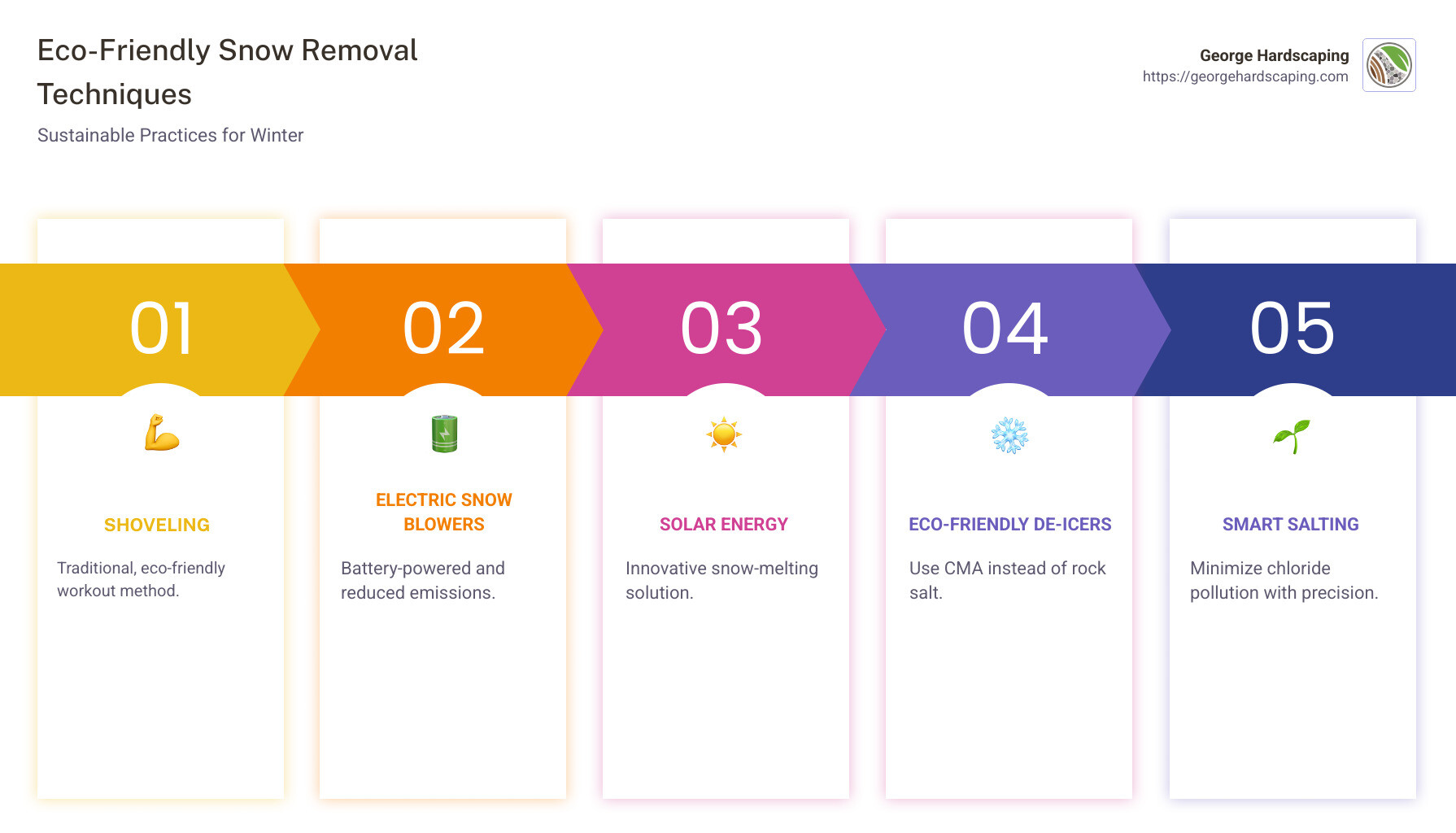
Eco-friendly snow removal is crucial for homeowners facing the winter challenges of icy driveways and snow-covered walkways. These traditional problems demand not only efficient solutions but also sustainable practices that minimize environmental impact. Here’s how you can do it:
- Shovel or use an electric snow blower to physically remove snow without emissions.
- Solar energy and heated driveways offer innovative snow-melting solutions.
- Use eco-friendly de-icing alternatives like Calcium Magnesium Acetate (CMA) instead of rock salt.
- Apply smart salting techniques to minimize chloride pollution with precision.
Winter in Essex County, MA, isn’t just about staying warm indoors; it’s about ensuring that your property remains accessible and safe. While traditional methods can often harm the environment, sustainable practices offer a way to keep your paths clear without compromising on ecological responsibility. Traditional snow management can introduce harmful chemicals and cause water contamination and air pollution. Choose methods that reduce these risks and offer cost savings in the long run.
Accept greener choices like electric snow blowers or eco-friendly de-icers. They’re efficient, safer for the environment, and help maintain the aesthetic of your property while protecting the planet.
Physical Snow Removal Techniques
When winter hits, physical snow removal is often the first line of defense. It’s essential to clear paths while keeping it eco-friendly. Here are two effective methods:
Shoveling
Shoveling is the classic way to tackle snow. It’s the traditional method for many and has several benefits:
- Eco-friendly: No emissions, just pure human power.
- Workout: It’s a great physical exercise, burning calories and building strength. But remember to warm up and use proper techniques to avoid injuries like back strains or heart attacks.
- Cost-effective: All you need is a sturdy shovel, and you’re good to go.

However, it’s crucial to be cautious. The physical strain can be significant, especially if you’re not used to heavy manual labor. Consider hiring local help if it becomes too challenging.
Electric Snow Blowers
For those who prefer a bit of mechanical assistance, electric snow blowers are an excellent choice:
- Battery-powered: These blowers run on electricity, reducing the dependency on fossil fuels.
- Reduced emissions: Unlike gas-powered blowers, electric models minimize harmful emissions.
- Quieter operation: They produce less noise, making them more neighborhood-friendly.
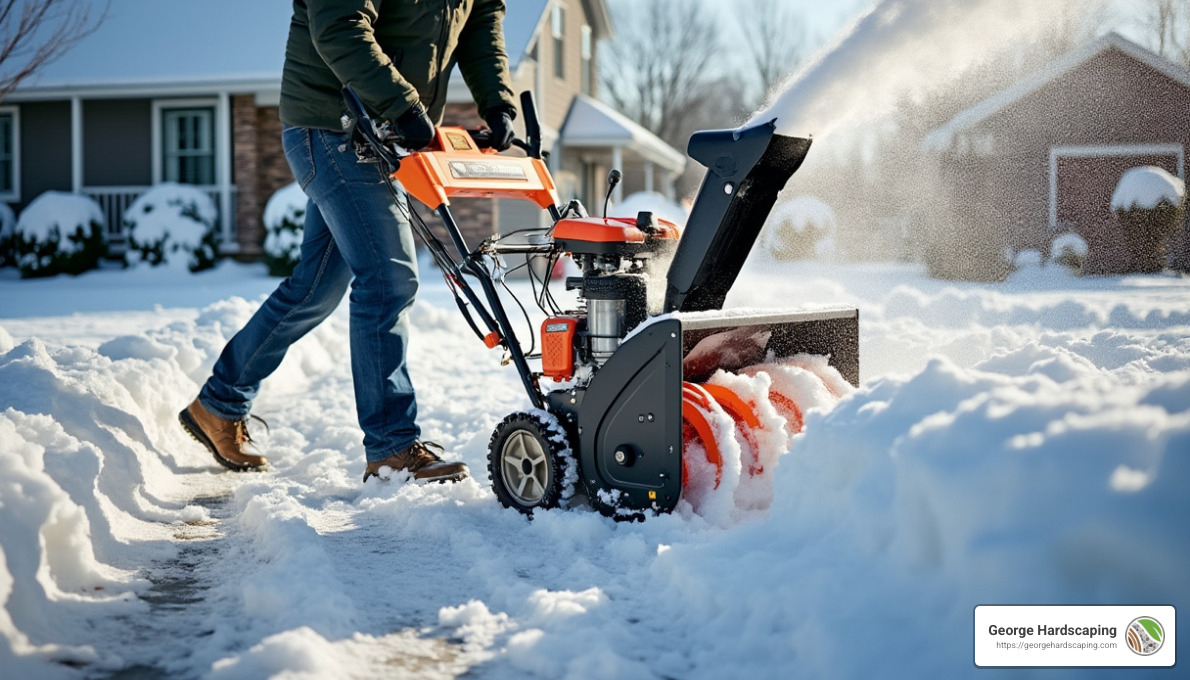
While not as powerful as traditional gas models, electric snow blowers are ideal for small to medium areas. They’re perfect for maintaining eco-friendly snow removal practices without sacrificing efficiency.
Both shoveling and using electric snow blowers are practical, sustainable methods to keep your property snow-free. They ensure safety and accessibility while being gentle on the environment.
Innovative Snow Melting Solutions
When it comes to eco-friendly snow removal, sometimes it’s best to melt the snow before it becomes a problem. Let’s explore two innovative methods: snow-melting mats and heated driveways.
Snow-Melting Mats
Snow-melting mats are a game-changer for those seeking convenience and sustainability. These mats are portable and energy-efficient, making them an excellent choice for quick and easy snow removal.
- Easy Setup: Simply unroll the mats on your driveway or sidewalk and plug them in. It’s that simple!
- Energy Efficiency: Use solar panels to power these mats and further reduce your carbon footprint.
- Portability: You can move these mats wherever you need them, making them versatile for different areas of your property.
These mats prevent snow and ice from forming, saving you time and effort in clearing paths. They are perfect for those who want a hassle-free solution without the need for heavy machinery.
Heated Driveways
For those living in areas with heavy snowfall, heated driveways offer a long-term investment that pays off in convenience and safety.
- Minimal Maintenance: Once installed, these systems require very little upkeep. They automatically melt snow, keeping your driveway clear without the need for manual labor.
- Heavy Snowfall Areas: Ideal for regions that experience frequent and intense snowfall, heated driveways ensure that your paths remain accessible.
- Investment: While the initial cost can be high, the benefits over time—such as reduced manual snow removal and potential damage prevention—make it a worthwhile investment.
These solutions not only improve the safety and accessibility of your property but also align with sustainable practices. By using advanced technology to melt snow, you can maintain a green winter wonderland with ease.
Next, we’ll dive into eco-friendly de-icing alternatives that help keep your pathways safe without harming the environment.
Eco-Friendly De-Icing Alternatives
When it comes to keeping your walkways safe during winter, traditional salt isn’t the only option. Let’s explore some eco-friendly de-icing alternatives that are kinder to the environment.
Calcium Magnesium Acetate (CMA)
Calcium Magnesium Acetate (CMA) is a popular choice for those looking to minimize environmental impact. Unlike sodium chloride, CMA is a non-chloride de-icer that is less harmful to vegetation and wildlife.
- Environmental Impact: CMA quickly breaks down in the soil, and the calcium and magnesium components are much less damaging than sodium and chloride.
- Oxygen Consumption Caution: Be cautious using CMA near water bodies, as it can consume oxygen in water, potentially threatening aquatic life.
While CMA is more expensive and less effective at extremely low temperatures, its environmental benefits make it a strong contender for eco-friendly snow removal.
Traction-Boosting Substrates
If you’re looking for ways to improve traction without using chemicals, consider traction-boosting substrates like sand, clay kitty litter, and mulch chips.
- Sand: Provides excellent traction on icy surfaces. However, be mindful that sand can be a potential pollutant if not swept up after use.
- Clay Kitty Litter: Offers traction and is easy to apply. Just sprinkle it over icy areas to prevent slips.
- Mulch Chips: These can be a natural and biodegradable option for improving grip on icy paths.
Using these substrates can help you maintain safe walkways while reducing your reliance on chemical de-icers. Plus, they can often be swept up and reused, making them an economical choice.
By choosing eco-friendly de-icing alternatives, you can keep your pathways safe and clear while being kind to the environment. Next, let’s look at smart salting techniques that balance safety and sustainability.
Smart Salting Techniques
When winter hits, salting is often necessary to keep paths safe. But did you know that smart salting techniques can minimize environmental damage while still keeping surfaces safe?
Temperature Considerations
Salt is not a one-size-fits-all solution. Different salts work at different temperatures. Sodium chloride (NaCl), for example, stops being effective below 15°F. For colder conditions, options like calcium chloride (CaCl2), which works down to -20°F, might be necessary.
- Check Product Labels: Always check the label for the lowest effective temperature. This ensures you’re using the right product for the conditions.
- Pavement vs. Air Temperature: Pavement is often warmer than the air, so adjust your salt choice accordingly.
Using the correct salt at the right temperature can make a big difference in effectiveness and environmental impact.
Minimal Application
Applying too much salt is not only wasteful but also harmful to the environment. Here’s how to use salt efficiently:
- Appropriate Amount: Use less than 4 pounds of salt per 1,000 square feet. That’s about a heaping 12-ounce coffee mug.
- Spread Pattern: Scatter salt crystals about 3 inches apart. More salt won’t increase melting, but it will increase costs and environmental harm.
- Hand Spreader: Consider using a hand-held spreader for even distribution. This ensures you apply just the right amount without overdoing it.
By applying salt minimally and effectively, you can significantly reduce chloride pollution in local waterways. It’s all about using just enough to get the job done safely.
Smart salting is about being strategic. By considering temperature and using minimal application, you can keep your outdoor spaces safe while protecting the environment. Next, let’s address some common questions about eco-friendly snow removal.
Frequently Asked Questions about Eco-Friendly Snow Removal
What is the most environmentally friendly snow melt?
When it comes to snow melting, traditional rock salt isn’t the best for the environment. Instead, consider Calcium Magnesium Acetate (CMA). It’s a non-chloride de-icer that’s less harmful to plants and animals. CMA works well in temperatures as low as 20°F, making it a safer choice for the environment.
Another innovative option is beet wastewater, a byproduct from sugar beet processing. It’s being tested as a de-icing alternative because it lowers the freezing point of water without the harmful effects of traditional salts.
Looking to the future, solar-powered roads might become a reality. These roads can heat themselves, eliminating the need for de-icers altogether. While still in development, they offer a promising glimpse into eco-friendly snow management.
How do I get rid of snow without shoveling?
If you’re not keen on shoveling, there are several ways to remove snow that are both effective and eco-friendly. Snow-melting mats are a great option. These portable mats are easy to set up and use electricity to prevent snow and ice from accumulating on walkways and driveways.
For larger areas, consider using electric snow blowers. These battery-powered machines are quieter and produce fewer emissions compared to their gas-powered counterparts. They’re perfect for clearing snow without the environmental impact.
Lastly, traction substrates like sand, clay kitty litter, or mulch chips can help provide grip on icy surfaces. While they don’t melt snow, they make it easier to walk or drive without slipping.
Is snow blowing safer than shoveling?
Snow blowing can be a safer option compared to shoveling, especially when considering physical strain. Shoveling is a great workout, but it can be hard on the back and heart. Electric snow blowers reduce the physical effort needed, making snow removal less taxing on the body.
However, there are safety precautions to keep in mind. Always follow the manufacturer’s instructions and wear appropriate gear to protect yourself from flying debris.
From an environmental perspective, electric snow blowers are a better choice than gas-powered ones. They produce fewer emissions, helping to reduce your carbon footprint during winter months.
Conclusion
At George Hardscaping, we’re dedicated to providing top-notch snow removal services while prioritizing environmental stewardship. Our commitment to sustainable practices ensures that we not only keep your pathways clear but also protect the environment.
Eco-friendly snow removal is at the heart of what we do. By using innovative techniques and materials, like electric snow blowers and Calcium Magnesium Acetate (CMA), we minimize environmental impact. These methods reduce harmful emissions and protect local waterways from contamination.
We believe in the power of sustainable solutions. Not only do they safeguard the environment, but they also offer long-term cost savings and improved safety. For example, electric snow blowers are not only quieter and cleaner, but they also help reduce air pollution—a win-win for everyone involved.
Choosing eco-friendly snow removal options reflects our commitment to environmental stewardship. We encourage our clients to join us in these efforts, making the North Shore a greener place, one snowfall at a time.
For more information on our snow removal services and how we can help you maintain a green winter wonderland, visit our snow plowing services page. Let’s work together to create outdoor spaces that are both safe and sustainable.
