
Outdoor Fire Pit Builders: Ultimate Guide 2025
Igniting Your Outdoor Living Space
Outdoor fire pit builders are fundamentally changing backyards across Essex County, changing them into year-round gathering spaces that bring families together and add significant, measurable value to homes. A professionally designed and constructed fire pit becomes the undeniable heart of your outdoor living area. It’s the perfect anchor for cozy winter evenings spent under blankets with hot cocoa, crisp autumn nights sharing stories, or lively summer cookouts making s’mores. It creates a magnetic pull, drawing people away from screens and into meaningful connection.
This trend is backed by hard data. According to the National Association of Realtors, outdoor living features like fire pits are not just amenities; they are investments that can provide substantial returns. A fire pit is a powerful selling feature that creates an emotional connection with potential buyers, allowing them to envision their own family creating memories there. The growing cultural shift toward outdoor entertaining has cemented fire pits as one of the most requested hardscaping features among homeowners seeking to maximize their property’s potential and improve their quality of life.
Key Considerations for Hiring Fire Pit Builders:
- Safety & Compliance: This is non-negotiable. Licensed professionals ensure your fire pit is built to exceed all local building codes and adheres to the stringent safety standards set by the National Fire Protection Association (NFPA). This protects your family and your investment.
- Custom Design: A bespoke build is designed to be an extension of your home. It should match its architectural style, complement the existing landscape, and fit the scale of your yard. A professional builder acts as a design partner to achieve this cohesion.
- Material Expertise: The choices can be overwhelming. Professionals guide you through selecting the right stone, brick, or pavers that not only look beautiful but are also rated to withstand the thermal stress of a fire and the rigors of New England weather.
- Professional Installation: The structural integrity and, most critically, the gas line installation demand certified expertise. Gas lines must be installed by licensed and insured professionals to prevent dangerous leaks and ensure safe operation.
- Timeline & Investment: A quality custom project is not an overnight job. Expect a comprehensive process of 4-8 weeks, which includes design consultations, permit applications, material sourcing, and meticulous construction. Costs will vary based on size, materials, fuel type, and site complexity.
A professionally built fire pit does more than provide warmth; it redefines your home’s footprint. It extends your outdoor season, creates a natural, inviting gathering point, and can increase your home’s value by up to 15%, according to real estate professionals. Unlike a flimsy, store-bought fire bowl that rusts and becomes an eyesore, a custom feature integrates seamlessly with your existing hardscape, such as a paver patio or stone walkway, elevating the entire space.
The difference between a DIY attempt and professional installation is stark and significant. While pre-made kits seem appealing for a weekend project, they often lack the deep foundations, proper drainage, and fire-rated materials required for a safe, long-lasting structure. Gas features, in particular, require certified installation of gas lines—a task that is illegal and dangerously irresponsible to attempt as a DIY project. Professional builders possess a deep understanding of local codes, proper sub-surface drainage to prevent frost heave, and critical safety clearances from structures and overhanging branches, ensuring your investment is both beautiful and fundamentally safe.
Fire pits solve a common problem for Essex County homeowners: they extend the usability of outdoor spaces through the often-unpredictable shoulder seasons. When properly designed, these features provide radiant warmth and captivating ambiance from early spring through late fall, maximizing your investment in outdoor living. The U.S. Fire Administration consistently emphasizes that professional installation by qualified builders is a key factor in significantly reducing fire hazards while ensuring optimal performance and longevity.
Quick look at outdoor fire pit builders:
Understanding Your Fire Pit Options: Types, Styles, and Fuels
Choosing the perfect fire pit is about more than just picking a shape; it’s about shaping how your family will gather, relax, and connect for years to come. As expert outdoor fire pit builders, we know these foundational choices—from the fuel source to the material palette—set the stage for your ideal backyard retreat. A thoughtful decision at this stage ensures the final product aligns perfectly with your lifestyle, aesthetic preferences, and maintenance expectations.
Wood-Burning vs. Gas: The Great Debate
This primary choice comes down to a trade-off between classic ambiance and modern convenience. Neither is universally better; the right choice is deeply personal.
- Wood-Burning Fire Pits: These offer the quintessential campfire experience. The crackling sound of burning logs, the distinct, smoky aroma, and the dancing, unpredictable flames create an unparalleled rustic atmosphere. They produce a significant amount of radiant heat, making them ideal for colder evenings, and are perfect for cooking everything from hot dogs to marshmallows. However, this authenticity comes with effort. You must source and store dry, seasoned firewood, regularly clean out ash, and actively manage the fire and smoke, which can be a nuisance to neighbors if the wind shifts.
- Gas Fire Pits: Gas offers unbeatable convenience and control. With the push of a button or the turn of a key, you get instant, smoke-free flames that can be easily adjusted. A professionally installed natural gas line provides a continuous, uninterrupted fuel supply, eliminating any worry about running out mid-gathering. Propane-fueled pits offer greater placement flexibility as they are fed by a concealable tank, but require monitoring and periodic tank replacement. While the initial installation cost for gas, particularly a natural gas line, can be higher, the ease of use, clean burn, and low maintenance are major advantages for busy families.
Popular Design Styles for Every Aesthetic
Your fire pit’s style should be a deliberate choice that complements your home’s architecture and your landscape’s character.
- Modern: Characterized by clean lines, minimalist forms, and geometric shapes like sharp rectangles or perfect circles. Materials often include smooth-faced architectural concrete, stainless steel accents, or sleek fire tables with a linear burner. This style pairs well with contemporary homes.
- Rustic: This style celebrates natural, unrefined textures. It often features materials like irregular fieldstone, rough-edged natural flagstone, or Corten steel, which develops a stable, rust-like patina over time. It’s the perfect fit for homes with a more traditional, cabin, or craftsman feel.
- Classic: Timeless and versatile, these are typically circular or square designs built from traditional brick or quarried stone blocks. This style is highly adaptable and works with almost any home architecture, from colonial to transitional.
- Contemporary: A sophisticated blend of modern and traditional elements. This style might use classic shapes like a circle but construct it with updated materials like smooth-faced, modular concrete blocks in monochromatic shades of gray or white.
The shape also influences the social dynamic. Circular pits naturally encourage conversation and intimate gatherings where everyone can see each other. Square or rectangular designs are often more space-efficient and can feel more formal, often integrated into seating walls.
In-ground fire pits offer a sleek, minimalist, and integrated look, sitting flush with the patio. In contrast, above-ground structures create a more prominent focal point and can double as a ledge for drinks or feet.
More info about custom firepit design shows how these different styles can be custom to your vision.
A Look at Different Fire Pit Materials
The material you choose dictates the fire pit’s appearance, durability, maintenance requirements, and overall cost.
- Natural Stone: The premium choice, prized for its unique, one-of-a-kind beauty and legendary durability. Each stone has its own character. It develops a beautiful patina over time and, when properly installed, can last for generations. Types include fieldstone for a rustic look or granite for a more refined finish.
- Brick: A classic, versatile, and relatively affordable option. Brick retains heat well and comes in a wide variety of colors, textures, and sizes, allowing for traditional patterns like herringbone or running bond.
- Concrete Pavers/Blocks: This is often the sweet spot between cost and customization. Fire-rated concrete blocks are engineered for safety and durability. They can mimic the look of natural stone at a lower price point and offer endless design possibilities in terms of color, shape, and texture.
- Architectural Poured Concrete: This offers the ultimate design flexibility. Concrete can be formed into any custom shape and finished with various textures or colors, making it ideal for sleek, modern, and completely unique designs.
- Corten & Stainless Steel: Corten steel is a high-design choice that develops a protective, stable rust layer, creating a striking modern or industrial-rustic look. Stainless steel is typically reserved for internal components like the burner pan and ring due to its superior resistance to corrosion and high heat.
An experienced builder is invaluable here, helping you select materials that not only match your home’s architecture but are proven to withstand the harsh freeze-thaw cycles of the New England climate.
View a gallery of different styles to see how these materials look in real-world applications.
Why Hire Professional Outdoor Fire Pit Builders?
While a DIY fire pit project might seem like a straightforward and cost-effective weekend task, creating a safe, beautiful, and long-lasting feature requires a level of professional expertise that cannot be replicated with online tutorials. The potential risks of improper installation—ranging from structural failure to catastrophic fire or gas leaks—far outweigh any perceived savings. The Consumer Product Safety Commission reports thousands of fire-related injuries annually from improperly constructed or misused outdoor fire features, a statistic that underscores the importance of professional oversight.
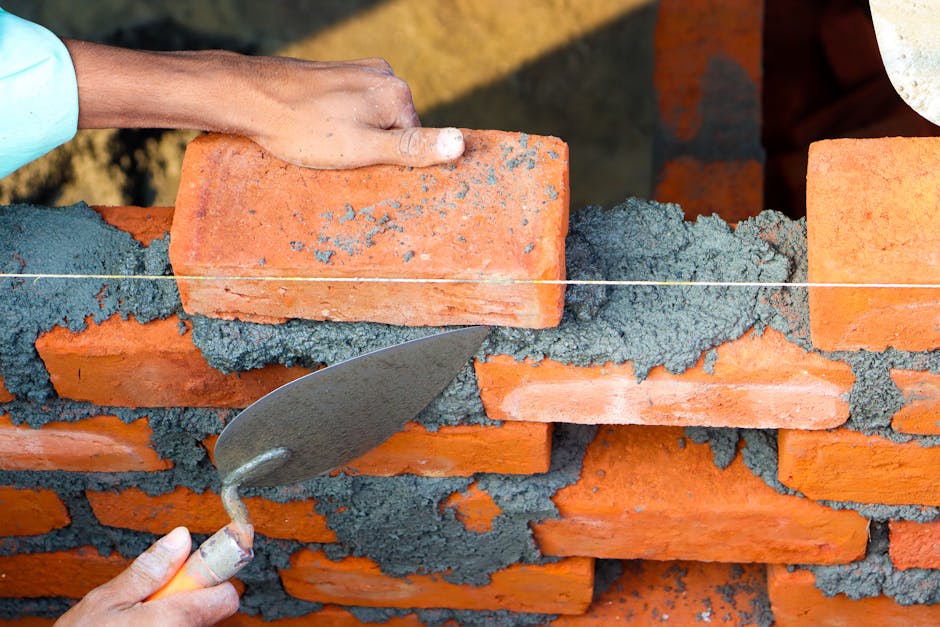
The DIY Dilemma vs. Professional Installation
Attempting a fire pit project yourself can introduce a host of significant problems that extend far beyond the initial construction costs and can have lasting consequences.
- Critical Safety Risks: This is the most important consideration. A DIY build may lack proper ventilation, leading to dangerous smoke accumulation or, in gas pits, pooling of un-ignited gas. Using the wrong materials, like porous river rocks that can trap moisture and explode when heated, is a common and dangerous mistake. Professionals build with fire-rated materials and engineer the structure to withstand extreme temperatures, manage airflow, and prevent hazards. The International Code Council sets strict building standards that only licensed professionals are trained to fully understand and implement.
- Complex Building Codes & Permits: Every town in Essex County has its own specific set of regulations governing fire pit placement, size, materials, and fuel type. Navigating this complex web of local ordinances and state regulations is a daunting task. Professionals have established relationships with local building departments and manage the entire complex permitting process, ensuring your project is fully compliant and avoiding potential fines or orders for removal.
- Gas Line Installation: This is unequivocally not a DIY job. It is often illegal and always extremely dangerous for an unlicensed individual to work with gas lines. Certified professionals are required by law to install gas lines safely, perform pressure tests, and ensure all connections are secure to prevent catastrophic leaks and explosions. This work requires specialized licensing and insurance coverage that protects you, the homeowner.
- Structural Integrity & Drainage: A professional build starts with a proper foundation dug below the frost line. This, combined with an integrated drainage system, is essential to withstand New England’s freeze-thaw cycles and prevent the structure from heaving, shifting, and cracking. DIY kits and shallow-foundation builds often fail within just a few seasons, wasting your time and money.
- Insurance & Liability: Many homeowner’s insurance policies have specific clauses requiring professional installation for permanent structures, especially those involving gas. A DIY installation may void your coverage in the event of an accident, leaving you personally liable for property damage or injuries.
Key Factors for Choosing the Right Builder
Selecting the right contractor is the most critical decision you’ll make for a successful project that meets your vision, budget, and safety requirements.
- Experience & Portfolio: Look for a builder with a deep, proven track record in masonry and hardscaping. Don’t just glance at their portfolio; scrutinize it. Look for high-resolution photos showing clean mortar joints, seamless integration with existing patios, and a wide range of styles and materials. A robust portfolio demonstrates versatility and consistent quality.
- Licensing & Insurance: A State Certified Building Contractor has met rigorous standards of competence and professionalism. Ask to see their license and verify it is current. Crucially, request a certificate of insurance showing both general liability and worker’s compensation coverage. This protects you from any liability for accidents or injuries that occur on your property during construction.
- Reputation & Reviews: Check customer reviews on multiple platforms like Google, Yelp, and the Better Business Bureau. A strong local reputation in communities like Beverly, Danvers, and Ipswich is a powerful indicator of reliability, quality workmanship, and customer service.
- Clear Communication: A good builder is a good listener and a clear communicator. They should take the time to understand your vision, explain the construction process in detail, provide a clear timeline, and offer regular updates. They should be responsive to your questions and concerns throughout the project.
- Material Sourcing: Ask where they get their materials. Quality builders have long-standing relationships with reputable local suppliers. They can explain the origin and performance characteristics of the materials they recommend, ensuring you get durable, high-quality stone, brick, or pavers.
Essential Questions to Ask Your Potential Outdoor Fire Pit Builder
Before you sign any contract, arm yourself with these critical questions to ensure you’re partnering with a true professional:
- What is the detailed project timeline from start to finish? (A custom build typically takes 4-8 weeks, including design, permitting, and construction. This helps set realistic expectations.)
- Can you provide a detailed, itemized quote? (This should break down costs for labor, materials, permits, and site prep to prevent surprise charges.)
- How do you protect my existing lawn and property during construction? (Pros will lay down plywood to protect turf and set up designated staging areas for materials.)
- What kind of warranty do you offer on workmanship and materials? (Reputable builders stand behind their work with comprehensive warranties.)
- Can I see recently completed projects and speak with your last three clients? (This provides unfiltered insight into their process and the customer experience.)
- Who handles the entire permitting process with my town? (The builder should manage all applications and inspections.)
- Are you fully licensed and insured? Can I have a copy of your certificates? (Don’t just take their word for it; verify.)
- How do you handle unforeseen issues or weather delays? (Understanding their contingency plans demonstrates professionalism.)
- Who will be my main point of contact on-site during the build? (Knowing who is in charge ensures clear communication.)
The Investment: Costs, Value, and Long-Term Enjoyment
A custom fire pit is more than an expense; it’s a strategic investment in your property’s value and your family’s lifestyle. When you partner with professional outdoor fire pit builders, you are commissioning a permanent landscape feature that delivers tangible returns in enjoyment, usability, and home equity for decades to come.
Breaking Down the Cost of a Professionally Installed Fire Pit
The cost of a custom fire pit can vary widely based on a few key variables: size, materials, fuel type, and site conditions. We believe in transparent pricing to help you understand and plan your investment effectively.
- Typical Cost Ranges: On average, professionally installed fire pits in our region generally range from $3,000 to $25,000+. The majority of homeowners find their ideal project falls between $6,000 and $12,000 for a high-quality, custom masonry installation that is built to last. Please note: These are average costs based on internet data and industry reporting, not actual quotes for George Hardscaping. We provide detailed, firm quotes for each individual project based on a thorough site assessment.
- Wood-Burning vs. Gas: A wood-burning pit is typically more affordable upfront, with costs often ranging from $3,000 to $15,000. A gas feature represents a higher initial investment, adding approximately $2,000 to $10,000+ to the project cost. This additional expense covers the certified gas line installation, the burner insert and ignition system, and the decorative media (lava rock or fire glass).
- Key Cost Factors: The final price is a function of several elements. The size of the pit is a primary driver. The material choice is another major factor; natural stone is a premium material, while concrete pavers offer a more cost-effective solution. Design complexity, such as integrated seating walls, wood storage boxes, or curved shapes, will increase labor costs. Finally, site preparation, which can include excavation, grading, demolition of an old feature, or building a retaining wall on a slope, will also influence the total investment.
Request a detailed estimate for your project to get an accurate quote custom to your specific vision and property.
How a Fire Pit Improves Home Value and Usability
A professional installation delivers measurable returns that go far beyond personal enjoyment and ambiance.
- Increased Property Value: The National Association of Realtors consistently highlights that quality outdoor living features provide a significant return on investment. A well-designed, permanently installed fire pit is a major differentiator in the real estate market, making a home more attractive to prospective buyers and potentially increasing its final sale price.
- Powerful Focal Point & Curb Appeal: A fire pit does for a backyard what a fireplace does for a living room—it creates a stunning, magnetic focal point. It transforms an ordinary, undefined backyard into a sophisticated outdoor room, dramatically boosting your home’s overall appeal and perceived value.
- Extended Living Space: A fire pit effectively adds a functional outdoor “room” to your home’s square footage. It provides a dedicated zone for relaxation, entertainment, and family connection, improving your quality of life by expanding your usable living area.
- Year-Round Usability: In the variable Essex County climate, a fire pit is a game-changer. It extends your outdoor season, allowing you to comfortably enjoy your yard from the cool evenings of early spring through the crisp nights of late fall, maximizing the value and enjoyment you get from your property.
Learn how fire pits complement patio installations to create a complete, cohesive outdoor living environment.
Warranties, Maintenance, and Must-Have Accessories
Protecting your long-term investment involves understanding the builder’s warranty, performing simple routine maintenance, and choosing the right accessories.
- Warranties: Reputable builders will always offer a warranty on their workmanship, covering issues like settling or loose masonry. Additionally, high-quality materials, such as pavers and gas burner systems, often come with their own manufacturer guarantees against defects.
- Maintenance: Professionally built fire pits are designed for durability and require minimal upkeep. For wood-burning models, this involves regular ash removal and an annual inspection of the masonry for any cracks. For gas pits, maintenance includes keeping the burner assembly clean and clear of debris and having the system professionally inspected every couple of years.
- Essential Accessories: A heavy-duty, waterproof protective cover is the single most important accessory. It shields your pit from rain, snow, and debris, dramatically extending its life and keeping it clean. For wood pits, a spark screen is a critical safety feature to contain embers. For added functionality, consider integrated seating walls for permanent, comfortable seating, and custom cooking grates to turn your fire pit into an outdoor grill.
Safety First: Essential Fire Pit Guidelines
Safety is the non-negotiable foundation of every single fire pit we design and build. As seasoned outdoor fire pit builders, we know that a truly beautiful design is one that is inherently safe. Adhering to essential safety guidelines is not about limiting enjoyment; it’s about ensuring it. Following these protocols protects your family, your home, and your property, guaranteeing years of worry-free memories. The National Fire Protection Association provides comprehensive safety standards that all professional builders must follow to prevent accidents and ensure full code compliance.
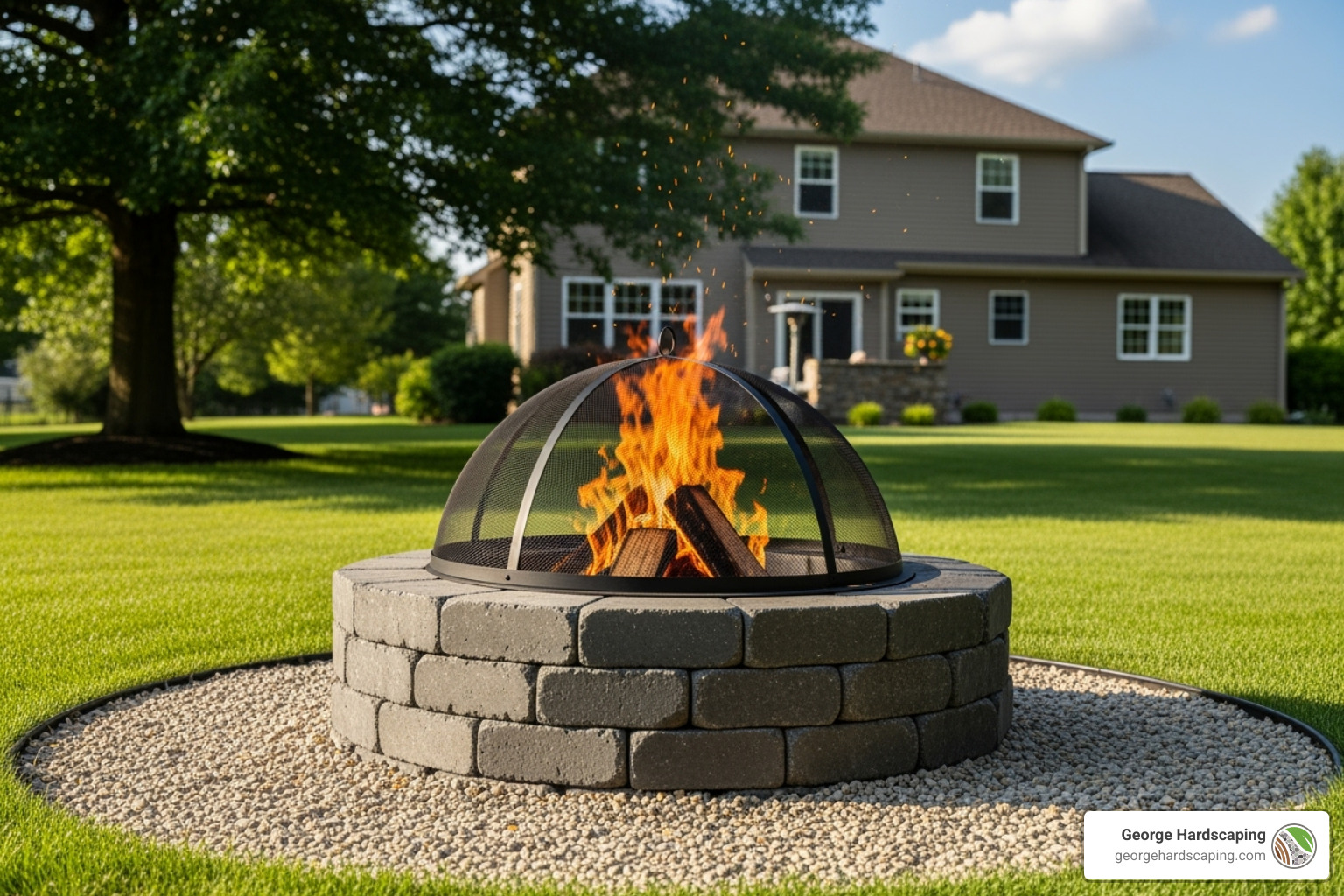
Location, Location, Location: Safe Placement Rules
Choosing the correct location for your fire pit is the single most critical safety decision in the entire project. Professional builders adhere to a strict set of placement guidelines based on national codes and local amendments to prevent accidents.
- Distance from Structures: A fire pit must be placed a safe distance from your home, shed, deck, fences, or any other combustible structure. A minimum of 10 feet is a common rule of thumb, but we always verify local codes, as many municipalities in Essex County require distances of 15, 20, or even 25 feet. Radiant heat alone can damage siding or ignite materials over time.
- Clear of Flammables: The area must be completely clear of any flammable materials. This includes overhanging tree branches (a minimum of 15-20 feet of overhead clearance is recommended), dry leaves, pine needles, mulch beds, and overgrown vegetation. We also consider seasonal changes, like falling autumn leaves, when planning the placement.
- Non-Combustible Surface: The fire pit must be built on a solid, level, non-combustible surface like a concrete slab, stone patio, or paver patio. It should never be placed on a wooden deck, composite decking, or directly on a lawn. The non-combustible surface should extend at least 3-5 feet beyond the fire pit’s edge in all directions to create a safe ember-fall zone.
- Local Ordinances & HOA Rules: We conduct thorough research into all local town ordinances and Homeowner Association (HOA) rules to ensure your installation is fully compliant. Some areas have specific seasonal burn restrictions, time-of-day regulations, or require special permits for any open flame.
- Prevailing Wind Direction: A smart design considers the typical wind patterns on your property. We aim to position the fire pit so that smoke is directed away from primary seating areas and your home’s windows and doors, preventing embers from blowing toward combustible materials.
- Underground Utility Lines: This is a critical safety step. We always call 811 (Dig Safe) before any excavation begins. This service marks the location of all underground utilities like gas, electric, and water lines, ensuring they are clearly identified and avoided during construction.
- Emergency Accessibility: The design must ensure there are clear, unobstructed pathways to and from the fire pit for easy access and, in the unlikely event of an emergency, for quick evacuation and access for first responders.
The International Fire Code provides additional detailed technical specifications that professional installers are mandated to follow to ensure the highest level of safety.
Operation and Fire Safety Best Practices
Once your fire pit is professionally installed, safe operation becomes your responsibility. Following these best practices every time you light a fire is essential for safety.
- Never, Ever Leave a Fire Unattended. This is the golden rule of fire safety. If you need to step away, even for a moment, ensure another responsible adult is watching it or extinguish it completely.
- Actively Supervise Children and Pets. Establish a clear “no-go” safety zone of at least 3-5 feet around the fire pit. Teach children about fire safety from a young age and never allow them to play near the fire, add fuel, or tend to it.
- Use Only Proper Fuel. In a wood pit, only burn dry, seasoned firewood. Never use trash, plastics, construction debris, treated lumber, or accelerants like gasoline or lighter fluid. Green or wet wood creates excessive, unpleasant smoke and can lead to dangerous creosote buildup.
- Keep Extinguishing Equipment Ready. Always have a fire extinguisher (rated Class A for wood fires), a charged garden hose, or a large bucket of water within easy reach. A bucket of sand can also be effective for smothering flames.
- Check Weather Conditions Before Lighting. Avoid using your fire pit during periods of high winds, dry or drought conditions, or when local authorities have issued burn bans.
- Extinguish Fires Completely and Properly. For wood fires, allow the fire to burn down to ash. Then, carefully douse the embers with water, stir them with a shovel to ensure all embers are wet, and check that they are cold to the touch before leaving the area. For gas pits, simply turn off the gas supply at the source and allow the components to cool down.
- Perform Regular Maintenance. Periodically inspect your fire pit for any cracks in the masonry, loose stones, or, in gas pits, any issues with the gas line or burner. Clean out ash and debris regularly to prevent buildup that could become a hazard.
Following these rules, along with guidance from resources like the U.S. Fire Administration, will ensure your fire pit remains a source of joy, not a hazard. Many insurance companies recognize the reduced risk of professionally installed features and may offer discounts on homeowner’s policies.
Frequently Asked Questions about Outdoor Fire Pit Builders
Homeowners in Essex County understandably have many practical questions before starting on a custom fire pit project. As experienced local builders, we’ve compiled clear, straightforward answers to the most common inquiries we receive, helping you plan with confidence.
How long does it take to build a custom fire pit?
The timeline for a custom fire pit project is more involved than for a simple kit installation, as it prioritizes quality, safety, and longevity. While the on-site construction might take one to two weeks, the entire process—from the initial design consultation, material selection and sourcing, to securing municipal permits and final construction—typically spans 4 to 8 weeks. This comprehensive schedule ensures every detail is carefully planned and executed, and it also accounts for potential weather delays common in New England.
Can a fire pit be installed on my existing patio?
Yes, in many cases, a fire pit can be safely installed on an existing patio, provided it meets two critical requirements. First, the patio surface must be level and constructed from a non-combustible material like concrete pavers, natural stone, or poured concrete. It cannot be built on wood or composite decking. Second, a professional builder must conduct a thorough site assessment to verify that the patio’s underlying foundation is structurally sound and capable of supporting the significant additional weight of the masonry fire pit structure without cracking or settling.
What is the best material for an outdoor fire pit?
There isn’t a single “best” material, as the ideal choice depends on a balance of your aesthetic goals, long-term durability needs, and overall project budget. Outdoor fire pit builders can help you steer the options:
- Natural Stone & Brick: These are premium, timeless choices renowned for their classic beauty and exceptional durability. They offer a traditional or rustic look that can last for generations and withstand the elements gracefully.
- Concrete Pavers/Blocks: This is an extremely versatile and value-oriented option. Modern, fire-rated concrete blocks come in a vast array of colors, textures, and styles, making it easy to create a custom look or perfectly match your existing hardscaping at a more accessible price point.
- Poured Concrete & Metal: For a distinctly modern or industrial aesthetic, architectural poured concrete offers unlimited custom shapes. Metals like Corten steel, which develops a unique rust patina, provide a striking, artistic focal point.
Do I need a permit for an outdoor fire pit in Essex County?
It depends on the specifics of the project and your town’s regulations, but the general answer is yes, most likely. While a small, portable fire bowl may not require one, a permanent, custom-built masonry structure almost always does. If your fire pit uses a natural gas or propane line, a permit is mandatory for the gas installation portion. A professional builder will be familiar with the local requirements and will handle the entire permitting process on your behalf.
What is the difference between an outdoor fire pit and an outdoor fireplace?
While both provide warmth and ambiance, they serve different functions. A fire pit is an open, circular or square feature designed for 360-degree enjoyment, making it a natural hub for social gathering and conversation. An outdoor fireplace, by contrast, is a directional feature with a firebox and chimney. It is typically built against a wall and is designed to radiate heat in one direction, creating a cozy, room-like setting. Fireplaces are generally larger and more expensive to build.
How do you choose between natural gas and propane for a gas fire pit?
The choice comes down to convenience versus flexibility. Natural gas is the ultimate in convenience. A dedicated, underground line provides an endless fuel supply at a lower operating cost. You never have to worry about a tank running empty. However, your home must have natural gas service, and the pit’s location is limited by the feasibility of running the line. Propane offers greater placement flexibility since it’s fueled by a portable tank that can be hidden within the structure or nearby. This is ideal for locations far from the house, but it requires you to monitor fuel levels and periodically refill or exchange the tank.
Conclusion: Bring Your Outdoor Vision to Life
Creating the perfect outdoor fire pit is about so much more than just building a feature in your yard; it’s about fundamentally changing your backyard into a captivating, year-round retreat and changing your entire outdoor living experience. When you choose to partner with skilled, professional outdoor fire pit builders, you are making a lasting investment in a centerpiece that adds tangible property value, extends your usable seasons, and, most importantly, brings your family and friends together for years of cherished memories.
The journey begins with making informed choices that align with your lifestyle, from the rustic, sensory charm of a wood-burning fire to the clean, effortless convenience of gas. The materials you select—be it the timeless elegance of natural stone, the classic appeal of traditional brick, or the design versatility of modern pavers—will define the character and longevity of your outdoor space. However, the single most critical decision in this entire process is choosing an experienced, licensed, and insured contractor who truly understands the art and the science of fire pit construction.
Professional installation is your guarantee that the fire pit is not only beautiful but also fundamentally safe, fully compliant with all local codes, and structurally engineered to endure. This is especially critical for any project involving gas line installation, which legally and ethically requires certified expertise. The upfront investment in a professionally built fire pit pays dividends for years, not just in increased property value, but in the priceless, irreplaceable moments you’ll create around the warm glow of the fire.
For homeowners across Essex County, MA, George Hardscaping brings decades of dedicated masonry and hardscaping expertise to every single project. We don’t just build fire pits; we build enduring outdoor spaces that are designed to withstand the rigors of the New England climate while providing year-round beauty, safety, and function.
Our service area proudly spans the entire North Shore, including Beverly, Danvers, Gloucester, Ipswich, Manchester-by-the-Sea, Marblehead, Newburyport, Peabody, Rockport, Salem, and all surrounding communities. We have a proven track record of helping families in each of these towns create the perfect outdoor retreat they’ve always dreamed of.
Your outdoor vision deserves nothing less than professional execution. Are you ready to transform your underused backyard into the magnetic gathering space you’ve always wanted? Let George Hardscaping help you bring your outdoor vision to life with a custom fire pit that perfectly complements your home, your family, and your lifestyle.
