
Landscape Remodeling: Transform Your Yard 2025!
Why Landscape Remodeling Transforms Your Outdoor Space
Landscape remodeling is the art and science of transforming your outdoor area by strategically updating living elements like plants and lawns, and non-living structures such as patios and walkways. A well-planned remodel can dramatically improve your property’s functionality, aesthetic appeal, and market value. This isn’t just about planting a few flowers; it’s about reimagining your yard’s potential, whether you’re refreshing tired garden beds or creating an entirely new outdoor living area from the ground up.
Your yard holds immense, untapped potential. That barren slope could become a stunning terraced garden. An overgrown thicket of shrubs might be hiding your home’s best architectural features. A cracked, undersized patio may no longer serve your family’s needs for gathering and relaxation. These are clear signs that it’s time for a thoughtful remodel. The process doesn’t always mean starting from scratch; strategic renovations can preserve valuable existing elements while addressing specific pain points like poor drainage, a lack of privacy, or the need for more usable, enjoyable space.
Key Benefits of Landscape Remodeling:
- Increased Property Value: Professional landscaping projects can deliver an impressive ROI of 100-200%.
- Improved Curb Appeal: A beautiful, cohesive landscape creates a powerful first impression that attracts potential buyers and wows visitors.
- Enhanced Functionality: Underused yards can be transformed into functional outdoor living spaces for dining, entertaining, and quiet relaxation.
- Better Water Management: Strategic design can address persistent drainage issues, prevent erosion, and reduce long-term maintenance.
According to industry data, project costs vary widely based on scope and materials, ranging from $5,000 for basic updates to over $75,000 for comprehensive remodels with extensive hardscaping. Professional projects typically start around a $20,000 minimum investment. These are average costs based on internet research and not specific to George Hardscaping’s pricing.
This guide will walk you through everything from planning and budgeting to design, construction, and finishing touches. For homeowners in Essex County and the North Shore of Massachusetts, understanding our unique climate challenges—from harsh nor’easters and freeze-thaw cycles to salty coastal air—is crucial for creating a landscape that not only survives but thrives year-round. The right approach, materials, and expertise make all the difference.
The Foundation: Planning Your Landscape Remodeling Project
A solid plan is the foundation of a successful landscape remodeling project, separating a beautiful, functional space from one that requires constant fixes and costly rework. A rushed or incomplete plan is the number one cause of budget overruns and disappointment. Let’s walk through the essential planning steps to ensure your project is a resounding success.
Renovation vs. Complete Remodel: What Does Your Yard Need?
The first major decision is whether to update your existing landscape (renovate) or start fresh (remodel). The answer depends on the condition of your current yard and your long-term goals.
A renovation makes sense when:
- Your yard has a good basic structure—the “bones” are in the right place—but needs targeted improvements.
- Overgrown plants are crowding pathways, obscuring windows, or pressing against your home’s foundation.
- You have outdated features, like a dated rock garden or a tired-looking water feature, that no longer fit your style.
- There are minor functional issues, such as a small area with poor drainage, a narrow or inefficient walkway, or a lack of seasonal color.
As Clemson University’s research highlights, many landscape issues stem from poor plant selection or species unsuited to the environment. These problems can often be solved with a targeted renovation that replaces problematic plants with more appropriate ones. For more details, Clemson’s guide to landscape renovation offers excellent technical advice.
A complete remodel is necessary when:
- The yard suffers from a poor overall layout with disconnected, purposeless areas and awkward flow.
- You face major drainage or grading problems that cause water to pool near your home’s foundation.
- Significant life changes, like a growing family needing a play area or empty nesters wanting a low-maintenance retreat, require a completely new layout.
- Major structural elements like retaining walls are failing, or your patio is severely cracked, uneven, and unsafe.
Regardless of the path you choose, a thorough site analysis is non-negotiable. This professional assessment includes soil testing to understand its pH and nutrient composition, which dictates what will grow well. The UMass Soil & Plant Nutrient Testing Laboratory is an excellent local resource for this. It also involves tracking sunlight patterns throughout the day and seasons to ensure plants and patios are placed correctly, and evaluating the site’s topography to understand how water moves across your property. Ignoring these fundamentals, especially here in Essex County, often leads to recurring problems and wasted investment.
Setting a Realistic Budget and Maximizing ROI
Budgeting for a landscape remodeling project can feel daunting, but it’s one of the best home improvement investments you can make. Your budget will depend on project scope, material costs (e.g., premium natural bluestone vs. basic concrete pavers), and labor costs for design, demolition, grading, and installation.
Professional landscape remodeling projects typically start at a minimum of $20,000, with comprehensive, high-end projects involving extensive hardscaping, lighting, and custom features reaching $75,000 or more. These are average costs based on internet research and not specific to George Hardscaping’s pricing.
The great news is the Return on Investment (ROI). Studies by organizations like the American Society of Landscape Architects consistently show an average ROI of 100% to 200% for well-designed landscaping projects. This means the money you invest often comes back to you—and more—when you sell your property. As the ASLA notes, landscape architecture adds value beyond the monetary by creating spaces that improve quality of life.
To make your budget more manageable, consider phasing your project over a few years. For example, Year 1 could focus on the foundational elements: a new patio and correcting any major drainage issues. Year 2 could involve adding surrounding planting beds and a landscape lighting system. Year 3 could complete the vision with an outdoor kitchen or a fire pit. Protecting your investment through regular upkeep is also crucial; our hardscape maintenance guide explains how to preserve your new space for decades.
DIY vs. Hiring a Professional Contractor
Deciding whether to DIY or hire a pro depends on the project’s complexity, your skill level, and your available time.
The DIY approach saves on labor costs and gives you complete creative control. It can be a rewarding option for small, manageable projects like refreshing a planting bed, installing a simple gravel path, or building a small raised garden.
However, the DIY route has a steep learning curve. The time commitment is almost always underestimated, and the potential for costly errors in grading, drainage, or structural work is high. A poorly built retaining wall can fail, and improper grading can send water directly into your basement. Correcting these mistakes can cost far more than hiring a professional from the start. This is also physically demanding work that often requires renting specialized equipment.
Hiring a professional contractor like George Hardscaping provides expertise, efficiency, quality, and peace of mind. You benefit from years of knowledge in design, material selection, and construction techniques suited to the North Shore climate. Professionals deliver quality craftsmanship backed by warranties and handle all project management, including scheduling subcontractors, sourcing materials, and navigating local permits.
When should you definitely call a professional?
- Any project involving significant structural landscaping, digging, or grading.
- Projects designed to solve drainage issues, which require expert engineering and execution.
- Large-scale masonry work for patios, walkways, and retaining walls.
- Complex projects requiring detailed hardscape design services.
George Hardscaping specializes in complex projects for homeowners throughout Essex County, from custom patios and walkways and stairs to landscape retaining walls and custom outdoor fire pits.
Designing Your Dream: Key Elements and Current Trends
With a solid plan in place, it’s time to move into the creative phase: designing your dream outdoor space. This is where hardscaping, plants, and lighting are blended into a cohesive design that reflects how you want to live outdoors. Whether you envision lively barbecues with friends, quiet mornings with a coffee on a peaceful patio, or a versatile space for family activities, a thoughtful design makes it possible.
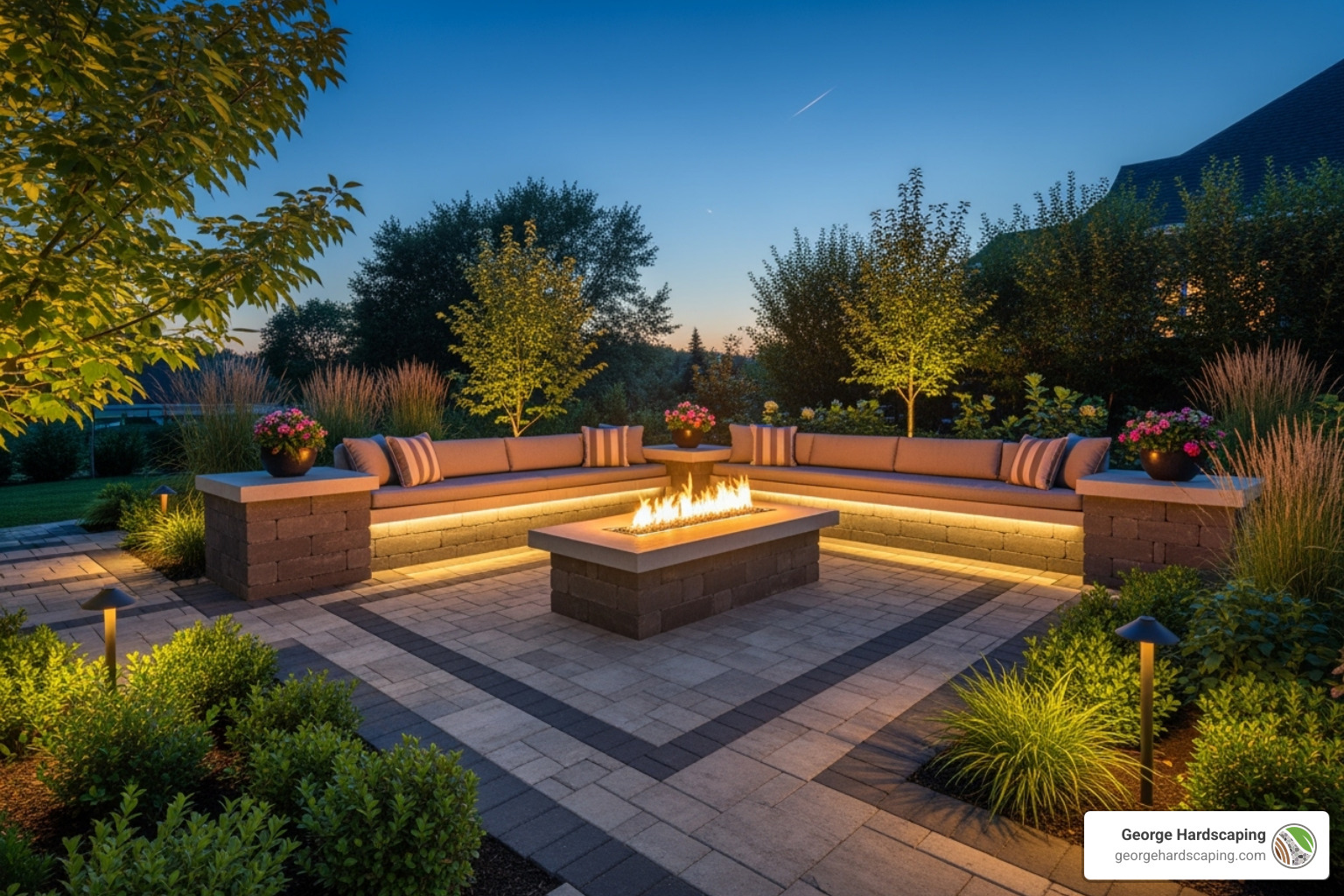
The Role of Hardscaping in a Modern Landscape Remodel
Hardscaping elements are the non-living bones of your landscape. They create structure, define spaces, and provide the essential framework for your plants. More importantly, they transform a simple yard into a series of functional outdoor rooms.
A well-designed custom patio serves as an outdoor dining or living room, the heart of your backyard. Thoughtfully placed walkways and stairs act as hallways, connecting these areas and guiding movement through your property with style and purpose. On sloped yards, landscape retaining walls are essential problem-solvers, expertly managing elevation changes, preventing erosion, and creating usable flat terrain for patios or lawns where none existed before.
Features like outdoor kitchens and custom outdoor fire pits have become incredibly popular because they extend your home’s living area and encourage gatherings that last long after sunset, adding hours of enjoyment to your property.
Material choice is critical for both aesthetics and longevity, especially in our New England climate:
- Natural Stone: Materials like bluestone and granite offer a timeless, high-end look. Pros: Each piece is unique, incredibly durable, and patinas beautifully with age. Cons: Higher material and installation cost due to its weight and irregularity.
- Pavers: Concrete, brick, or stone pavers provide immense design flexibility. Pros: Wide variety of colors, shapes, and patterns; individual units can be replaced if damaged. Cons: Can settle or shift if the base is improperly prepared; joints may require periodic sanding to prevent weeds.
- Concrete: Poured concrete can be a versatile and modern choice. Pros: Often more cost-effective for large areas; can be stamped or stained to mimic other materials. Cons: Prone to cracking over time; repairs can be difficult to blend seamlessly.
A professional installation is vital, as hardscaping requires a complex subsurface infrastructure of drainage, compacted base materials, and sometimes water lines or electrical conduit. Our hardscaping services ensure these critical details are handled correctly from the ground up for a beautiful, lasting result.
Softscaping for Sustainability and Style
Softscaping—the living elements like plants, trees, and flowers—brings warmth, color, texture, and life to your landscape. Successful softscaping is about choosing the right plants for your specific location and climate, creating a garden that is both beautiful and resilient.
- Native Species: Plants native to Massachusetts, such as New England Aster, Joe Pye Weed, and Lowbush Blueberry, are adapted to our soil and weather. They require less water, fertilizer, and maintenance once established and provide vital food and habitat for local wildlife.
- Drought-Tolerant Plants: Once established, hardy plants like Sedum, Russian Sage, and ornamental grasses thrive with minimal water, saving you time, money, and resources. Combining them with features like permeable driveway pavers creates a truly sustainable landscape.
- Low-Maintenance Gardens: Smart plant choices and design strategies—like proper spacing to avoid overcrowding, grouping plants with similar water needs, and applying a thick layer of mulch—mean you can spend more time enjoying your yard and less time working in it.
- Year-Round Interest: Select a variety of plants that offer beauty in every season, from spring bulbs and summer blooms to brilliant fall foliage and interesting winter structure from evergreens and ornamental grasses.
Your plant selections should complement your home’s architecture and hardscaping materials to create a unified, harmonious look. The University of Missouri Extension offers great advice on developing a cohesive landscape plan that ties everything together.
Current Trends in Landscape Remodeling
Today’s landscape trends focus on creating spaces that are more functional, sustainable, and deeply connected to our lifestyles.
- Outdoor Living Spaces: Homeowners want fully equipped outdoor kitchens, comfortable lounging areas with integrated seating walls, and dedicated dining spaces that effectively blur the line between indoors and out.
- Sustainability: This trend emphasizes using recycled or locally sourced materials, planting native and drought-tolerant species, and designing for efficient water management. We offer many eco-friendly patio options that align with these values.
- Technology Integration: Smart technology is making yards more efficient and enjoyable. Automated irrigation systems adjust watering based on real-time weather, while smart landscape lighting can be controlled, dimmed, and color-changed from your phone.
- Naturalistic and Biophilic Design: There’s a strong shift away from rigid, formal gardens toward more relaxed, natural-looking spaces that mimic local ecosystems. This approach, known as biophilic design, focuses on our innate need to connect with nature. It uses natural materials, organic shapes, and views of greenery, which has been shown to reduce stress and improve overall well-being.
Bringing the Vision to Life: The Construction Process
This is the phase where plans become reality. The construction process of a landscape remodeling project is an exciting time, as careful planning meets skilled execution to bring your vision to life, one stone and plant at a time. Understanding the sequence of events helps manage expectations and appreciate the complexity of the work involved.
Key Stages of a Landscape Remodeling Project
A professional landscape remodel is built in layers, and each stage is critical for the structural integrity and long-term success of the final outcome.
- Site Preparation and Demolition: This initial step clears the way for new construction. It involves the careful demolition of old patios or walkways, removal of unwanted plants, and hauling away all debris. This is immediately followed by grading, where we expertly reshape the terrain to ensure proper water flow away from your home’s foundation—a crucial defense against water damage and basement flooding. For sloped properties, this is when a robust retaining wall drainage system is integrated.
- Infrastructure Installation: Before the visible elements are built, we install the hidden systems that make modern outdoor living possible. This includes running underground electrical conduit for lighting, installing gas lines for fire pits or grills, and laying out irrigation pipes and drip lines to keep your new landscape healthy and vibrant with minimal effort.
- Hardscape Construction: This is when your outdoor rooms begin to take physical shape. Our skilled masons construct the permanent features, whether it’s a new patio installation, elegant walkways, or structurally sound retaining walls. The key to longevity is the base preparation; we build a deep, compacted gravel base to prevent the shifting and heaving caused by New England’s freeze-thaw cycles. Quality craftsmanship here ensures your investment will last for decades. You can view our landscape design and build process to see our meticulous approach.
- Softscape Installation: With the hardscaping complete, we introduce the living elements. We bring in high-quality topsoil and compost to amend the soil, giving plants the best possible start. Larger trees and shrubs are planted first to anchor the design, followed by perennials, groundcovers, and any new lawn areas (sod or seed).
- Finishing Touches: The final details complete the transformation. A fresh layer of mulch is added to all planting beds to retain soil moisture, suppress weeds, and provide a clean, finished look. Landscape lighting fixtures are installed and carefully aimed to highlight key features, create ambiance, and ensure safe navigation at night.
The Best Time of Year for Your Project
In Essex County and the North Shore, MA, the best time to start depends on your project’s scope and priorities.
Fall and winter are surprisingly advantageous for planning and for certain types of work. The off-season is the perfect time for the design and material selection process. Fall is also the ideal time for planting trees, shrubs, and perennials, as cooler temperatures and seasonal rain help roots establish before the stress of summer heat. Contractors also tend to have more availability, allowing for a quicker start once the ground thaws.
Spring and summer offer pleasant weather for construction and allow you to enjoy your new space immediately upon completion. However, this is the peak season for landscape professionals, so it’s critical to book your project well in advance—often 6-12 months ahead for larger projects. Concrete work and masonry are also best done in moderate temperatures, not in the extreme heat of summer or freezing cold of winter.
A local professional who understands our region’s climate can help you develop a realistic timeline and schedule your project for the most optimal conditions.
Illuminating Your Space: The Power of Landscape Lighting
Thoughtfully designed landscape lighting is a transformative element of any landscape remodeling project. It shouldn’t be an afterthought; it’s a critical component that enhances beauty, safety, and usability after dark.
- Functionality and Safety: Path lighting ensures safe passage along walkways and prevents tripping hazards. Stair lighting, often integrated directly into the risers, is essential for navigating elevation changes at night. A well-lit property also improves security and deters intruders.
- Aesthetics and Ambiance: Lighting creates magic after dark. Uplighting a mature tree can create dramatic shadows and highlight its structure, while soft downlighting from a pergola can mimic moonlight. You can create different moods for different areas—bright, functional light for an outdoor kitchen and a warm, intimate glow around a fire pit.
- Modern Lighting Options: LED lighting is the industry standard, prized for its energy efficiency, long lifespan, and durability. For ultimate control, smart lighting systems allow you to adjust brightness, change colors, and set automated schedules from your smartphone. For cooking areas, check out our ideas for outdoor kitchen lighting to combine style with function.
Ready to start your landscape transformation? George Hardscaping offers comprehensive hardscaping and landscaping services throughout Essex County. Request your free estimate today and let’s bring your vision to life.
Frequently Asked Questions about Landscape Remodeling
When considering a landscape remodeling project, it’s natural to have questions. Here are answers to some of the most common concerns we hear from homeowners in Essex County and the North Shore.
How much does a landscape remodel increase property value?
A well-executed landscape remodeling project is one of the smartest financial investments you can make in your home. Studies consistently show that professional landscaping delivers an average return on investment (ROI) of 100-200%. In a competitive real estate market, this means you not only recoup your investment but can often profit from it.
Beyond the numbers, a beautiful landscape significantly boosts your home’s curb appeal. This powerful first impression is critical, often helping homes sell faster and for higher prices. When potential buyers see a stunning, functional outdoor space, they don’t just see a patio; they envision themselves hosting barbecues, relaxing by a cozy fire pit, or watching their children play. This emotional connection adds perceived value that goes far beyond a simple appraisal. Most importantly, you get to enjoy the priceless daily return of a beautiful, functional outdoor space for years to come.
What are the biggest challenges to avoid during a remodel?
Most landscape project failures stem from a few common, avoidable mistakes. Steering clear of these pitfalls can save you significant time, money, and frustration.
- Poor Planning: Rushing the design phase or skipping a thorough site analysis is a recipe for disaster. For example, building a beautiful patio in the windiest, most sun-beaten part of the yard will result in a space that’s rarely used. Investing time in professional hardscape design is essential.
- Unrealistic Budgeting: It’s easy to underestimate the full cost of a project. A budget should always include site preparation, materials, labor, and a contingency fund of 10-15% for unexpected issues, like discovering a buried ledge that needs to be removed.
- Ignoring Drainage Issues: Water is relentless and will always find a path. Building a new patio over an area with existing water problems without addressing the root cause will only lead to shifting, cracking, and potentially sending water toward your home’s foundation.
- Wrong Plants or Materials: Choosing plants and materials that can’t withstand the Massachusetts climate will lead to premature failure and replacement costs. Selecting a stone that is too porous, for example, can lead to spalling and deterioration after just a few winters. Local expertise is key to selecting durable, climate-appropriate options.
- Hiring an Inexperienced Contractor: Shoddy workmanship, missed deadlines, and budget overruns are common with contractors who lack the specific expertise for complex projects involving grading, drainage, or structural masonry.
How long does a typical landscape remodeling project take?
This is one of the most common questions, and the answer is: it depends entirely on the scope. A project’s timeline can be broken into three phases: design, permitting, and construction.
- Small Renovations: A project like refreshing front foundation plantings and adding a simple walkway might take 1-3 weeks for construction, following a few weeks of design.
- Mid-Sized Projects: A typical project involving a new paver patio, a seating wall, and some new plantings could take 4-8 weeks for construction.
- Large-Scale Remodels: A comprehensive backyard transformation with a multi-level patio, an outdoor kitchen, extensive retaining walls, lighting, and a full planting plan can take 2-4 months or longer to build.
Remember to factor in the pre-construction phase. A thoughtful design process can take several weeks, and securing permits from your town can add another 4-8 weeks to the timeline before any work begins. A professional contractor will provide a detailed schedule as part of their proposal.
How do I ensure my new landscape is cohesive with my home’s style?
Creating a landscape that feels like a natural extension of your home requires a focus on architectural harmony. The goal is a seamless transition from indoors to outdoors, so the yard feels like it has always been there.
First, analyze your home’s architectural style. A traditional New England colonial might call for classic brick walkways, granite steps, and formal boxwood hedges. A modern home, in contrast, may be better suited to clean-lined concrete patios, sleek metal accents, and minimalist grasses. Use materials and colors that echo your home’s exterior. For example, incorporating a type of stone into a new retaining wall that matches the stone on your foundation creates powerful visual continuity.
The scale and proportion of landscape features should also complement your home. A large, grand house can support an expansive, multi-level patio, while a smaller cottage or cape calls for more intimate, smaller-scale elements that won’t overwhelm it. This is where a professional landscape designer can be invaluable. They have a trained eye for creating a unified design that balances hardscaping and softscaping, ultimately enhancing your home’s beauty and your enjoyment of it.
Conclusion
Your outdoor space holds incredible potential to increase your home’s value, create lasting memories, and fundamentally transform how you experience your property. A landscape remodeling project is more than just an expense; it is an investment in your lifestyle and your home’s future, delivering priceless returns for years to come.
We’ve covered the entire remodeling journey, from the critical importance of planning and budgeting to the creative process of designing with hardscapes and softscapes, and finally, the skilled construction that brings it all to life. We’ve seen how modern trends like functional outdoor living rooms and sustainable design are shaping the yards of today, and how crucial details like professional lighting complete the vision and extend the usability of the space.
A successful project always begins with a clear vision and thoughtful, expert planning. Whether you’re aiming to solve persistent drainage issues, create a gourmet outdoor kitchen, or simply boost your home’s curb appeal, the key is making informed choices about design, materials, and construction methods.
For homeowners in Essex County and the North Shore, MA, our local climate presents unique challenges. Harsh winters, heavy snow loads, and dramatic freeze-thaw cycles require regional expertise. Professional hardscaping and landscaping services ensure your investment is engineered to last and thrive in our specific New England environment.
At George Hardscaping, we specialize in what works in our region. We know which materials withstand our weather, how to design proper drainage systems that protect your home, and how to build structures that endure. Our comprehensive design-and-build approach provides you with a single, trusted partner from the initial concept to the final, beautiful completion.
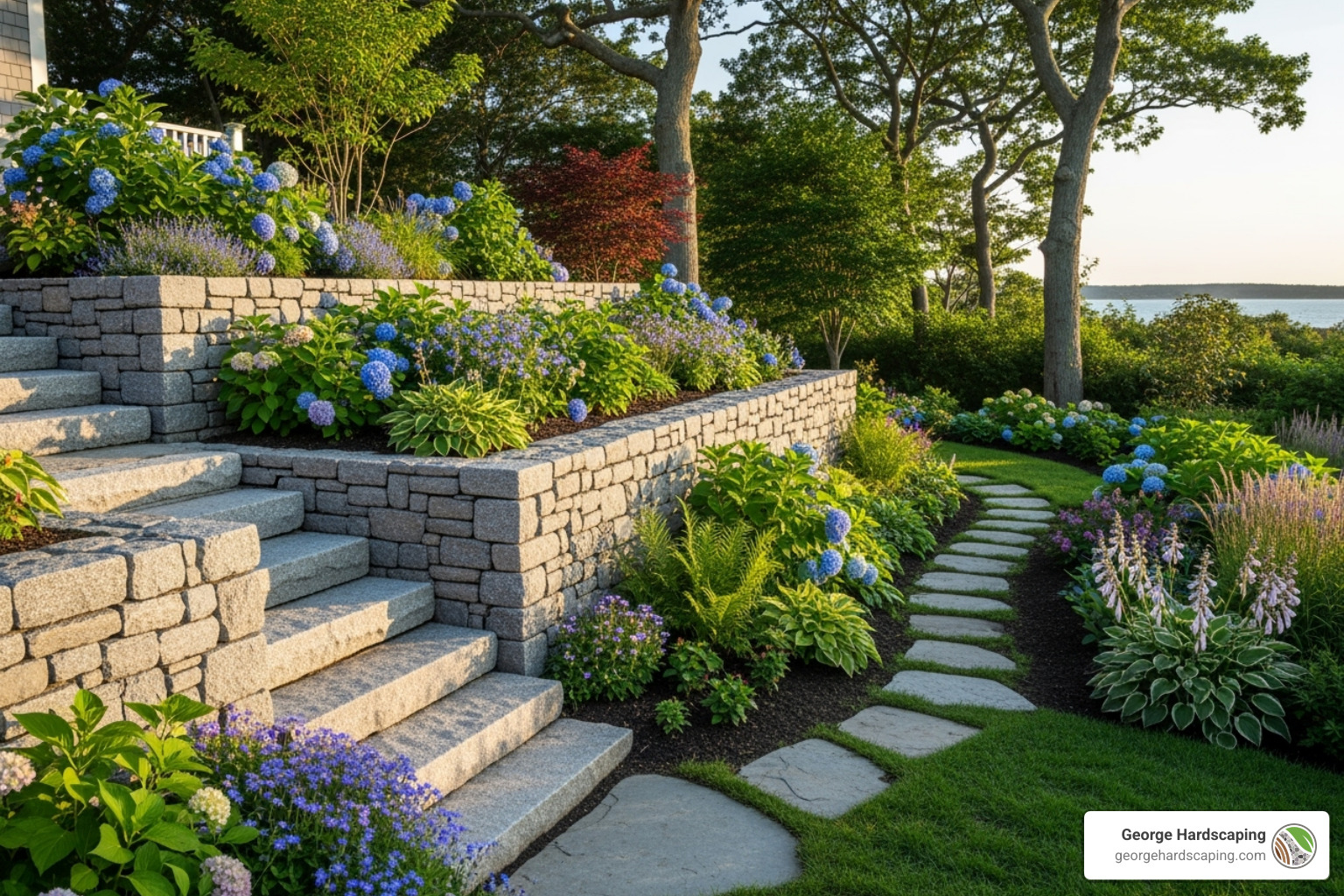
Your dream outdoor space is within reach. Don’t let another season pass by wishing your yard was different. Take the first step toward the outdoor oasis you’ve always imagined. Our team is ready to listen to your ideas and create a custom plan that brings your vision to life—on time, on budget, and built to last for decades of enjoyment.
Request your free estimate today! Let’s work together to unlock your yard’s full potential.
