
Retaining Wall Contractor: 10 Essential Tips for 2024 Success
Improve Your Landscape with a Retaining Wall
Retaining wall contractor services can be the difference between a functional, beautiful yard and one plagued by erosion and unusable slopes. With a retaining wall, you can lift the aesthetic of your property, prevent soil erosion, and create more usable outdoor space.
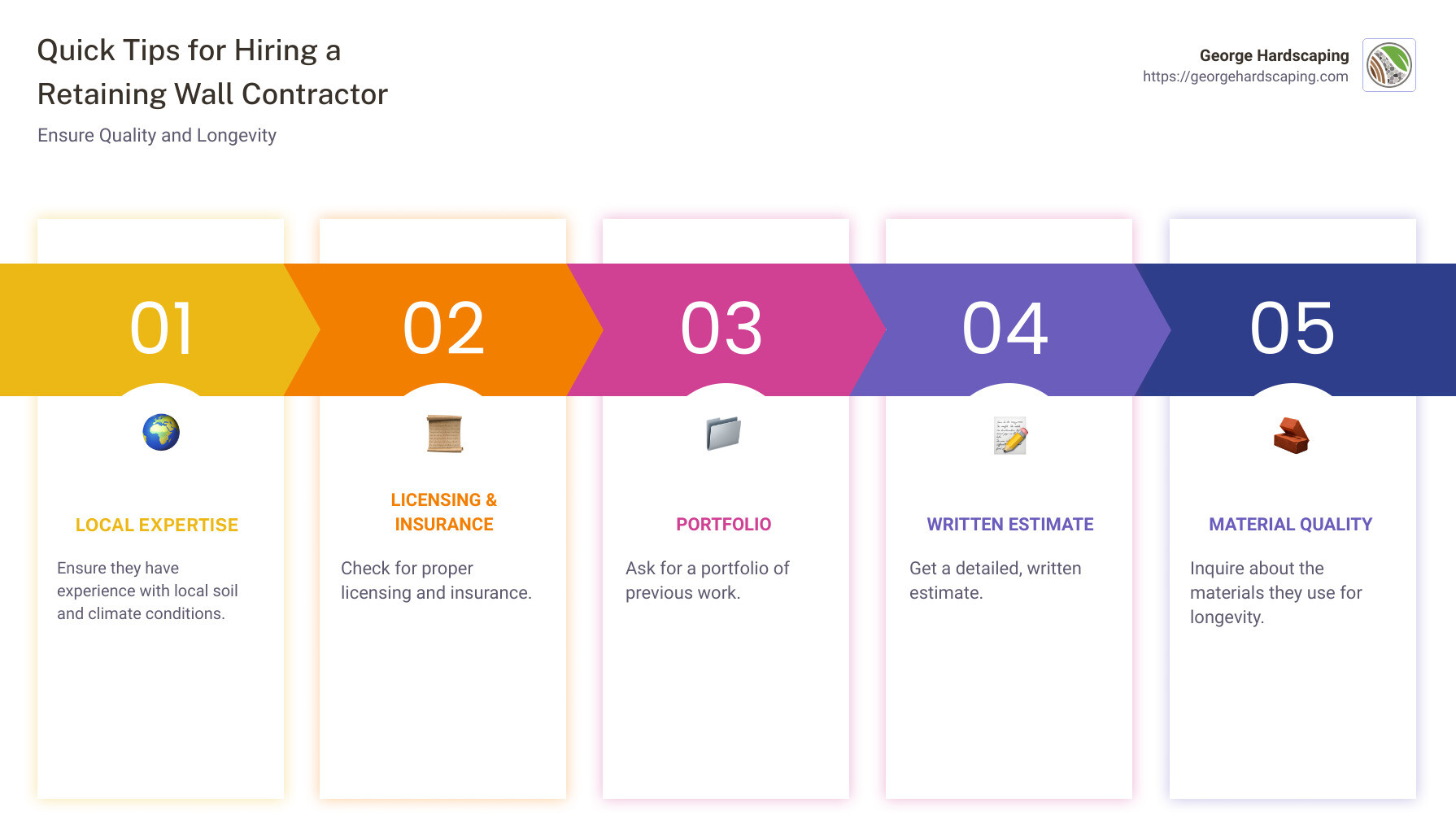
Quick Tips for Hiring a Retaining Wall Contractor:
- Ensure they have experience with local soil and climate conditions.
- Check for proper licensing and insurance.
- Ask for a portfolio of previous work.
- Get a detailed, written estimate.
- Inquire about the materials they use for longevity.
A retaining wall is more than just a structure—it transforms landscapes. Whether you’re dealing with hilly terrain, creating new garden tiers, or simply enhancing curb appeal, a well-built retaining wall offers durability and style. According to George Hardscaping, materials like concrete, stone, and timber can withstand the elements and provide long-lasting solutions.
Imagine a landscape that not only looks amazing but also solves functional issues like soil erosion and water runoff. By choosing the right type of retaining wall and hiring a skilled contractor, you can make those dreams come true.
Terms related to retaining wall contractor:
– Landscape Wall Contractor
– how to find a contractor to build a retaining wall
– retaining wall stones
Understanding Retaining Walls
Retaining walls are essential for changing landscapes, managing soil erosion, and creating usable outdoor spaces. Let’s explore the different types of retaining walls and the materials that can be used to build them.
Types of Retaining Walls
1. Gravity Wall
Gravity walls use their own weight to hold back soil. Made from heavy materials like concrete, stone, or brick, they often lean backward to improve stability. This type of wall is versatile and can be designed to fit various aesthetic preferences.
2. Cantilever Wall
Cantilever walls are constructed from reinforced concrete and shaped like an upside-down “T.” They use a thin stem and a base slab to provide support. These walls are often backfilled for extra stability and can handle significant loads. They are popular in commercial settings but require professional engineering.
3. Anchored Wall
Anchored walls, also known as secured walls, use steel cables or strips anchored into the earth to provide additional support. These walls are ideal for supporting heavy loads in limited spaces and can be used in high or steep areas.
4. Sheet Piling Wall
Sheet piling walls are thin walls driven directly into the soil. They are best suited for tight spaces with soft soil. While they might need reinforcement for larger areas, they are effective when combined with anchored walls.
5. Gabion Mesh Walls
Gabion walls consist of wire mesh filled with heavy materials like rocks. These walls are excellent for areas with water flow issues because they allow water to pass through while preventing soil erosion. Their lifespan depends on the durability of the wire mesh.
Choosing the Right Material
Selecting the right material for your retaining wall is crucial for both functionality and aesthetics. Here are some common materials used:
1. Concrete Blocks
Concrete blocks are durable and versatile. They can be used for gravity walls, cantilever walls, and even anchored walls. Concrete blocks come in various shapes and sizes, allowing for creative designs.
2. Natural Stone
Natural stone offers a timeless and neat look. It’s perfect for gravity walls and gabion walls. While more expensive than other materials, natural stone provides a high-end finish and blends well with natural landscapes.
3. Wood
Wood is a cost-effective option for smaller retaining walls. It’s best suited for low walls in residential settings. However, wood may not last as long as other materials and requires regular maintenance to prevent rot and decay.
4. Poured Concrete
Poured concrete is ideal for cantilever and sheet piling walls. It provides a seamless and modern look. Poured concrete is highly durable and can be customized to fit any design, but it requires professional installation.
By understanding the different types of retaining walls and choosing the right materials, you can create a structure that not only solves practical issues but also improves the beauty of your landscape.
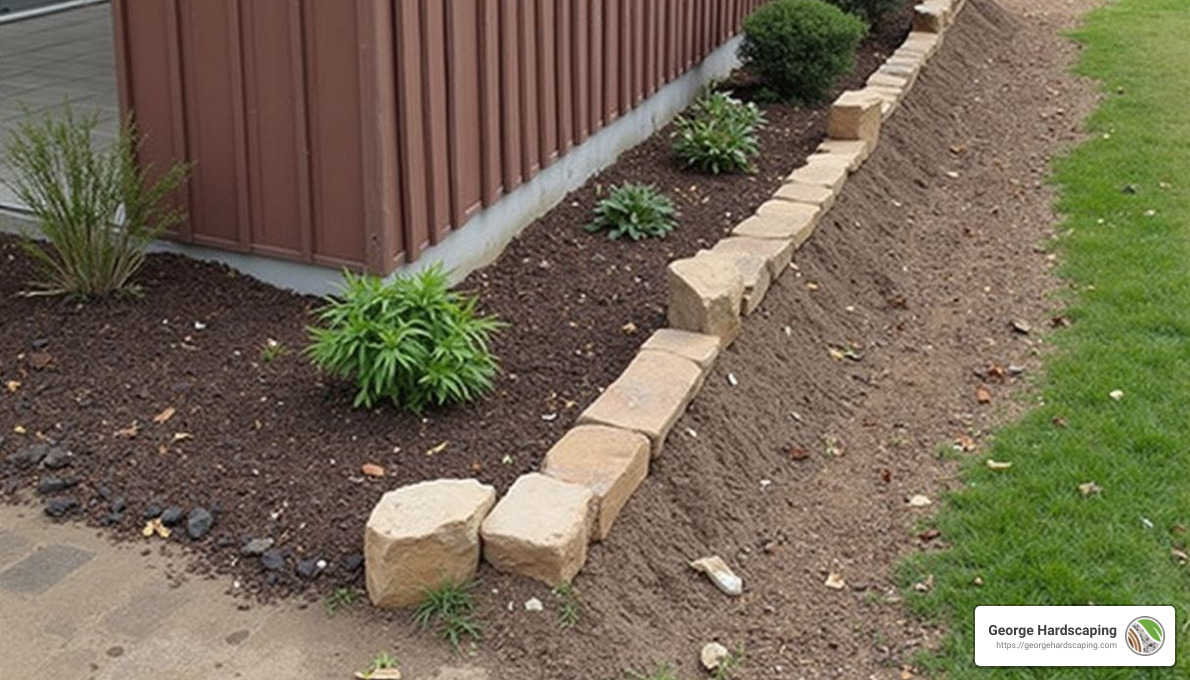
Hiring a Retaining Wall Contractor
When it comes to hiring a retaining wall contractor, you want to ensure you’re choosing the best team for the job. Here are some key factors to consider:
Evaluating Contractor Credentials
Experience: Look for contractors with experience in building retaining walls. An experienced contractor will have the know-how to tackle various challenges and ensure the wall is structurally sound. For instance, a seasoned contractor will emphasize that their walls have a design service life of at least 50 years due to high-quality materials and experienced crews.
Reputation: Check reviews and ask for references. A reputable contractor will have positive feedback from previous clients. They should also provide examples of past projects. This can give you an idea of their workmanship and reliability.
Licenses and Insurance: Always verify that the contractor is licensed and insured. This protects you from potential legal issues and ensures that the contractor meets the necessary professional standards. In many areas, retaining walls over 4 feet require permits, so your contractor should be familiar with local regulations and able to handle the permitting process.
Portfolio: Review the contractor’s portfolio to see their previous work. This can help you gauge their style and expertise. Look for projects similar to yours to ensure they have relevant experience.
Importance of Local Experience
Soil Knowledge: Local contractors will have a better understanding of the soil conditions in your area. This is crucial for designing a retaining wall that can withstand local soil pressures. For example, in regions with specific soil compositions and weather patterns, the lateral earth pressure is a significant factor.
Climate Considerations: A contractor with local experience will also be familiar with the climate and how it affects retaining walls. For instance, in areas with heavy rainfall, proper drainage is essential to prevent hydrostatic pressure from damaging the wall. Experienced contractors understand the importance of incorporating drainage systems into their designs.
Local Regulations: Local expertise means familiarity with local building codes and regulations. This ensures that your retaining wall is compliant and that you avoid any legal issues. For example, retaining walls over 4 feet typically require permits, which can influence the overall cost and design.
By focusing on these key aspects when hiring a retaining wall contractor, you can ensure that your project is in capable hands. This leads directly into the next section, where we’ll discuss cost considerations for retaining walls.
Cost Considerations for Retaining Walls
When planning a retaining wall project, understanding the cost considerations is crucial. This section covers the factors that influence costs and the most cost-effective materials to use.
Factors Influencing Cost
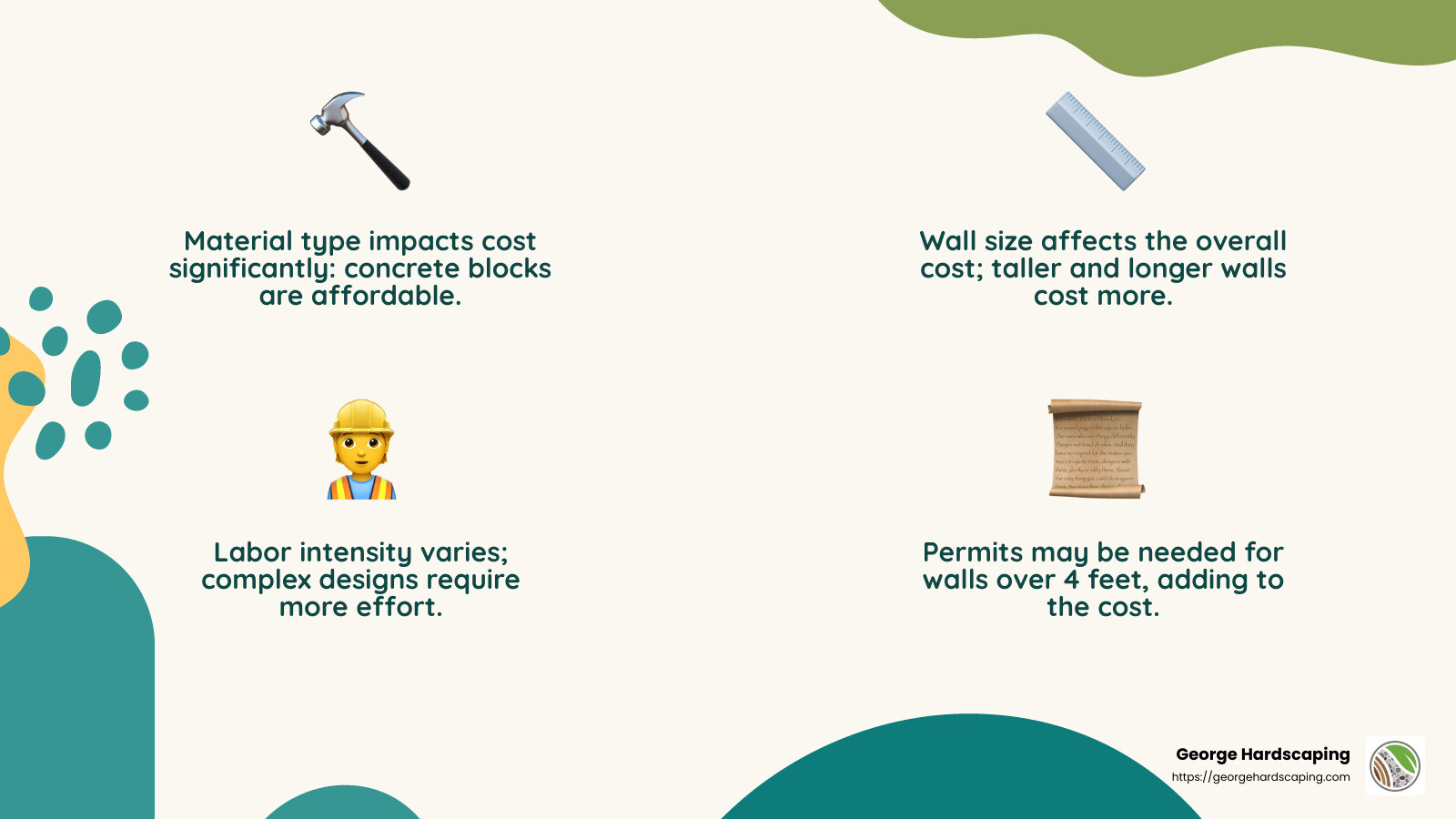
Material Type: The type of material you choose for your retaining wall significantly impacts the cost. Concrete blocks, natural stone, wood, and railroad ties each have different price points and lifespans. For instance, concrete blocks are generally more affordable and durable compared to natural stone.
Wall Size: The size of the wall, including its height and length, directly affects the overall cost. Taller and longer walls require more materials and labor, increasing the expense. For example, a basic retaining wall (3 feet high and 15 feet long) may withstand up to 20 tons of soil pressure, which increases with height.
Labor Intensity: The complexity of the design and the labor required for installation also influence costs. Simple gravity walls might be less labor-intensive compared to more complex cantilever or anchored walls. Professional installation is crucial to ensure longevity and stability.
Permits and Regulations: In many areas, retaining walls over 4 feet require permits. These permits can add to your overall cost. It’s essential to factor in these expenses when budgeting for your project.
Most Cost-Effective Retaining Wall Materials
Concrete Blocks: Concrete blocks are one of the most cost-effective materials for retaining walls. They are durable, versatile, and relatively easy to install. They can also be styled to mimic more expensive materials like natural stone, providing aesthetic appeal without the high cost.
Wood: Wood is another affordable option, especially for smaller projects. However, it’s important to consider the environment where the wall will be installed. Wood is not suitable for damp locations as it can rot and attract termites. In dry areas, it can be a budget-friendly and attractive choice.
Railroad Ties: Recycled railroad ties are a popular and cost-effective material for retaining walls. They are durable and provide a rustic look. However, they may require additional treatment to prevent decay and ensure longevity.
By carefully planning your budget and selecting cost-effective materials, you can create a sturdy and attractive retaining wall without breaking the bank.
This leads directly into the next section, where we’ll discuss planning and building your retaining wall.
Frequently Asked Questions about Retaining Wall Contractors
Why are retaining walls so expensive?
Retaining walls can be costly due to several factors:
- Labor Costs: Building a retaining wall requires skilled labor. Complex designs, like cantilever or anchored walls, need experienced professionals to ensure stability and longevity. Labor costs can be a significant portion of the overall expense.
- Material Costs: The type of material you choose affects the price. Concrete blocks, natural stone, and wood each come with different costs. High-quality materials like natural stone are more expensive but offer greater durability and aesthetic appeal.
- Design Complexity: Simple gravity walls are less expensive than complex designs like cantilever walls. More intricate designs require more labor, materials, and sometimes special equipment, driving up the cost.
What is the most cost-effective retaining wall?
When it comes to cost-effective retaining walls, concrete blocks and wood are popular options:
- Concrete Blocks: These are durable, versatile, and relatively easy to install. They can mimic the look of more expensive materials, providing a high-end appearance without the hefty price tag.
- Wood: Wood is an affordable option, especially for smaller projects. However, it’s best suited for dry areas to prevent rot and termite damage. Treated wood can extend its lifespan, making it a budget-friendly choice for many homeowners.
How to build a retaining wall on a budget?
Building a retaining wall on a budget is possible with some smart strategies:
- DIY Kits: Many home improvement stores offer DIY retaining wall kits. These kits include all the materials needed and are designed for easy assembly, reducing labor costs.
- Recycled Materials: Using recycled materials like railroad ties can save money. They are durable and provide a rustic look. However, they may require treatment to prevent decay.
- Simplified Designs: Opting for a simple design, like a gravity wall, can reduce labor and material costs. These walls rely on their weight to hold back soil, making them easier and cheaper to construct.
By understanding these factors and making informed choices, you can build a cost-effective retaining wall that meets your needs and budget.
This leads directly into the next section, where we’ll discuss planning and building your retaining wall.
Planning and Building Your Retaining Wall
Steps in Building a Retaining Wall
Building a retaining wall requires careful planning and execution. Here are the essential steps:
Planning
Start with a thorough site assessment. Identify the wall’s purpose, the type of soil, and any potential obstacles like underground utilities. Consider the natural water drainage to avoid obstructing water flow.
Next, move to design approval. Work with a professional to create a detailed design that meets your needs and complies with local regulations. This might include getting plans designed by a structural engineer if needed.
Excavation
Begin the excavation process by marking the wall’s location and digging a trench for the foundation. The depth of the trench should be based on the wall’s height and the type of material used.
Material Selection
Choose materials that match your design and budget. Common options include concrete blocks, natural stone, and wood. Each has its pros and cons, so select the one that best fits your project’s requirements.
Construction
Start the construction by laying a strong foundation. For many retaining walls, a base of crushed stone or gravel provides stability and drainage. Build the wall layer by layer, ensuring each layer is level and properly aligned.
Inspection
Once the wall is built, conduct a thorough inspection. Check for any signs of instability, such as leaning or bulging. Ensure that all drainage systems are functional to prevent water buildup behind the wall.
Ensuring Longevity and Stability
The longevity and stability of your retaining wall depend on several key factors:
Proper Drainage
Water is a major cause of retaining wall failure. Ensure proper drainage by incorporating gravel backfill and drainage holes. This helps to prevent water pressure from building up behind the wall.
Quality Materials
Using quality materials is crucial. High-grade concrete, treated wood, or durable natural stone can withstand the elements better and last longer.
Professional Installation
Hiring experienced professionals ensures that the wall is built correctly. They have the expertise to handle complex designs and challenging site conditions, ensuring the wall’s stability and longevity.
By following these steps and focusing on proper drainage, quality materials, and professional installation, you can build a retaining wall that not only improves your landscape but also stands the test of time.
Conclusion
At George Hardscaping, we pride ourselves on our commitment to quality and craftsmanship. Our team specializes in enhancing both the aesthetics and functionality of outdoor spaces across the North Shore. With years of experience in building retaining walls, patios, walkways, steps, and custom firepits, we know how to transform your landscape into something truly special.
Commitment to Quality
Quality is at the heart of everything we do. From the initial site assessment to the final inspection, we ensure every detail is carefully planned and executed. We use only high-grade materials like natural stone, concrete blocks, and treated wood to build retaining walls that last. Our professional team is skilled in various types of retaining walls, including gravity walls, cantilever walls, and anchored walls, ensuring we can meet any design and functionality requirements.
Enhancing Outdoor Spaces
A well-built retaining wall not only prevents soil erosion but also adds a beautiful focal point to your landscape. Whether you need a wall to create terraced garden areas or to support a driveway, we have the expertise to make it happen. Our designs are custom to complement your home’s architecture and the natural features of your property, making your outdoor space more usable and visually appealing.
By choosing George Hardscaping, you’re not just getting a retaining wall; you’re investing in a long-lasting solution that improves the beauty and value of your property.
Ready to transform your landscape? Contact George Hardscaping today for a free estimate and let us bring your vision to life.
Your property will thank you, and you’re sure to love the results.
