
Massachusetts Landscape: Ultimate Guide 2025
Why Understanding the Massachusetts Landscape Matters for Your Property
The Massachusetts landscape is a unique and compelling tapestry woven from threads of ecological diversity, deep historical heritage, and forward-thinking sustainability practices. This complex identity directly impacts how you should approach your property’s outdoor spaces. From the sandy, salt-sprayed coastal plains of Cape Cod and the North Shore to the fertile soils of the Connecticut River Valley and the rocky, rugged terrain of the Berkshire Mountains, our state’s geography dictates what grows naturally and what thrives when homeowners invest in improving their properties. Understanding this context is the first step toward creating a landscape that is not only beautiful but also durable and appropriate for its setting.
The landscape industry in Massachusetts is undergoing a significant transformation. State agencies are leading the charge by converting vast tracts of manicured lawns into vibrant pollinator habitats, a move that dramatically reduces fuel costs while providing critical support for declining wildlife populations. With more than half of Eastern North American bird species in steep decline and seven butterfly species on the Massachusetts Endangered Species list, your personal landscaping choices have a direct and measurable impact on these alarming trends.
This ecological responsibility is particularly relevant for homeowners in Essex County and the North Shore, where properties often blend rich historic character with the demands of modern functionality. Over 90% of Massachusetts lands are privately owned, frequently in parcels smaller than one acre. This distribution means that your yard, your garden, and your hardscape are not isolated islands; they are crucial pieces in the larger ecological fabric of our communities. Professional organizations like the Massachusetts Nursery and Landscape Association (MNLA) champion this perspective, setting high standards for quality work that balances aesthetic appeal with profound environmental responsibility. When you hire certified professionals, you’re tapping into a deep well of expertise specific to our region’s unique challenges and opportunities.
For homeowners focused on the foundational hardscaping elements that define outdoor living—such as custom patios, elegant walkways, functional retaining walls, and cozy fire pits—understanding this broader landscape context is essential. These structural elements must be designed and built to integrate seamlessly with your property’s natural features, soil conditions, and historical significance.
Image metadata: alt=”Massachusetts landscape with stone walls and native plants” | source=”Unsplash” | context=”Illustrates historic stonework and native ecology common to the Massachusetts landscape”
What Makes the Massachusetts Landscape Unique for Homeowners
- Diverse microclimates: Coastal towns enjoy milder winters but face salt spray, while inland communities experience more extreme freeze-thaw cycles. Use the USDA Plant Hardiness Zone Map to select resilient plants and materials. For patios, this means choosing materials specifically rated for freeze-thaw durability.
- Stormwater realities: Potent Northeastern storms can drop heavy rainfall in short periods. Designing walkways and retaining walls with correct pitch, grading, and drainage systems is critical to protect your home’s foundation and prevent erosion. The Massachusetts Stormwater Handbook provides excellent technical guidance for managing water on-site.
- Historic landscapes: Essex County properties often include irreplaceable historic features like stone walls, granite posts, or mature trees. Sensitive integration with modern hardscaping and masonry services is key to preserving this character while improving the property’s function and flow.
- Climate trends: Scientific data shows that heavier rain events, summer heat waves, and periods of drought are becoming more frequent. Smart landscape design anticipates these changes by planning for shade, wind protection, and robust drainage. Explore NOAA U.S. Climate Normals to understand the long-term trends for our region.
Soil, Drainage, and Freeze-Thaw: The Foundations of a Durable Landscape
Massachusetts soils are incredibly varied, ranging from sandy coastal loams to dense, rocky glacial tills. This variability means there is no one-size-fits-all solution for construction. Proper base preparation is the single most important factor in preventing the heaving, cracking, and settlement of hardscapes. For patios, walkways, and driveways, we build to a specified depth, compact aggregate layers methodically, and engineer drainage to handle the punishing cycles of a New England winter.
- Freeze-thaw durability is non-negotiable for pavers, natural stone, and concrete. We select materials rated for severe weather exposures to ensure longevity.
- Controlled water movement is paramount. We use a combination of swales, French drains, and properly graded hardscape surfaces to direct water safely away from structures. Well-built retaining walls with integrated drainage stone are essential for protecting yards from erosion and hydrostatic pressure.
Safety, Permits, and Protecting Utilities
Before any excavation begins, the first and most critical call is to Dig Safe. Massachusetts law requires that all underground utilities be marked out prior to any digging.
- Request utility locates via Dig Safe to avoid dangerous, costly, and disruptive strikes on gas, electric, or communication lines.
- Projects located near wetlands, rivers, or coastal banks may require permits under the Wetlands Protection Act. An experienced contractor can help you navigate this process.
- Larger retaining walls or complex structures may require stamped engineering plans to ensure safety and compliance. Our team handles this documentation as part of our comprehensive hardscaping and masonry services.
Strong CTA: Ready to evaluate your site with a Massachusetts-specific plan? Get a professional site walk and design-custom estimate—request your free estimate now.
The Evolving Massachusetts Landscape: Sustainability and Innovation
A quiet but powerful revolution is changing the Massachusetts landscape. From state highway medians to private residential properties, sustainable practices are replacing outdated, high-maintenance approaches. This shift delivers real financial benefits alongside profound ecological improvements. When state facilities convert manicured lawns to native pollinator habitats, they not only create vibrant ecosystems but also cut fuel and labor costs by thousands of dollars annually. When they switch to battery-powered equipment, they create quieter, healthier public spaces for everyone.
The Massachusetts “Leading by Example” program has firmly established sustainability as a core priority, proving that environmental stewardship and fiscal responsibility are not mutually exclusive but are, in fact, complementary goals. For homeowners planning hardscape projects like patios or retaining walls, understanding these trends is more than just a matter of interest—it’s a roadmap to creating a more valuable, resilient, and enjoyable property. Your yard is part of a larger ecosystem, and choices around your custom firepit or new walkway directly impact local wildlife, water quality, and even the soundscape of your neighborhood.
The Rise of Pollinator Habitats
More than half of Eastern North American bird species are in steep decline, and seven butterfly species in Massachusetts are officially endangered. The primary cause of this crisis is habitat loss, largely driven by the conversion of diverse native plant communities into sterile, monoculture lawns. A lawn offers virtually no food or shelter for the pollinators that form the base of our food web.
State facilities that have transitioned turf areas to pollinator habitats report substantial and immediate savings. A native meadow that is mowed only once or twice a year requires a tiny fraction of the maintenance needed for a weekly-cut lawn. This translates directly to less fuel consumed, improved air quality, and better protection for local water quality by eliminating the need for chemical fertilizers and pesticides. Furthermore, the deep root systems of native meadow plants absorb rainwater far more effectively than shallow-rooted turfgrass, increasing flood resilience during heavy storms.
Homeowners can easily adopt these principles. Consider converting a hard-to-mow slope or a section of lawn around a new patio installation or above a retaining wall into a low-maintenance native planting. The federal government’s Supporting the Health of Honey Bees and Other Pollinators guide provides excellent, actionable recommendations for creating valuable habitat.
Practical Massachusetts-native plants for sun include Little Bluestem, Butterfly Weed, and New England Aster. For shady spots, consider Foamflower, Wild Columbine, and Christmas Fern. For chronically wet sites, Blue Flag Iris and Red Osier Dogwood are beautiful and functional choices. The UMass Extension Landscape Program offers a wealth of regionally specific guidance for homeowners.
The Switch to Battery-Powered Landscape Equipment (BPLE)
The environmental case against gas-powered equipment is staggering. A single commercial gas-powered lawn mower operating for just one hour can emit eleven times the air pollution of a new car driving for the same amount of time. Battery-powered landscape equipment (BPLE) now offers a powerful, clean, and quiet alternative, with performance that meets or exceeds its gas counterparts for most professional applications.
Chris Hoffman, Park Supervisor at the historic Walden Pond State Reservation, highlights benefits that go far beyond emissions. Quieter operation allows visitors to hear birdsong instead of engine roars and protects park staff from debilitating noise and toxic exhaust fumes. The financial case is equally strong: eliminating fuel purchases, drastically reducing maintenance, and removing the need for hazardous gasoline storage lead to significant operational savings. For homeowners and contractors working on hardscaping and masonry services, choosing battery-powered tools is a clear demonstration of environmental stewardship and a commitment to a healthier community. You can watch a presentation on the benefits of battery-powered equipment for real-world performance insights.
Smart Water and Materials: Doing More with Less
- Water efficiency: A sustainable landscape uses water wisely. Consider installing drip irrigation and smart controllers that adjust based on weather. When planning a new driveway, choose driveway pavers designed as a permeable system to allow for natural infiltration. The EPA WaterSense program offers a trove of best practices for residential water conservation.
- Rain gardens: Intentionally shape your yard to slow, spread, and sink rainwater. Rain gardens are beautiful landscape features that also serve as powerful stormwater management tools, filtering pollutants and creating valuable habitat. Use the principles in the Massachusetts Stormwater Handbook to guide your design.
- Materials with lower impact: Durability is a cornerstone of sustainability. Freeze-thaw rated pavers and dense natural stones reduce the need for costly and wasteful replacements. For pool decks, choosing lighter-colored materials can significantly reduce surface temperatures, creating a more comfortable space and mitigating the local heat island effect.
Strong CTA: Want to cut maintenance and boost curb appeal? We’ll design a cleaner, quieter landscape that lasts—request your free estimate today.
Navigating the Professional Landscape Industry in Massachusetts
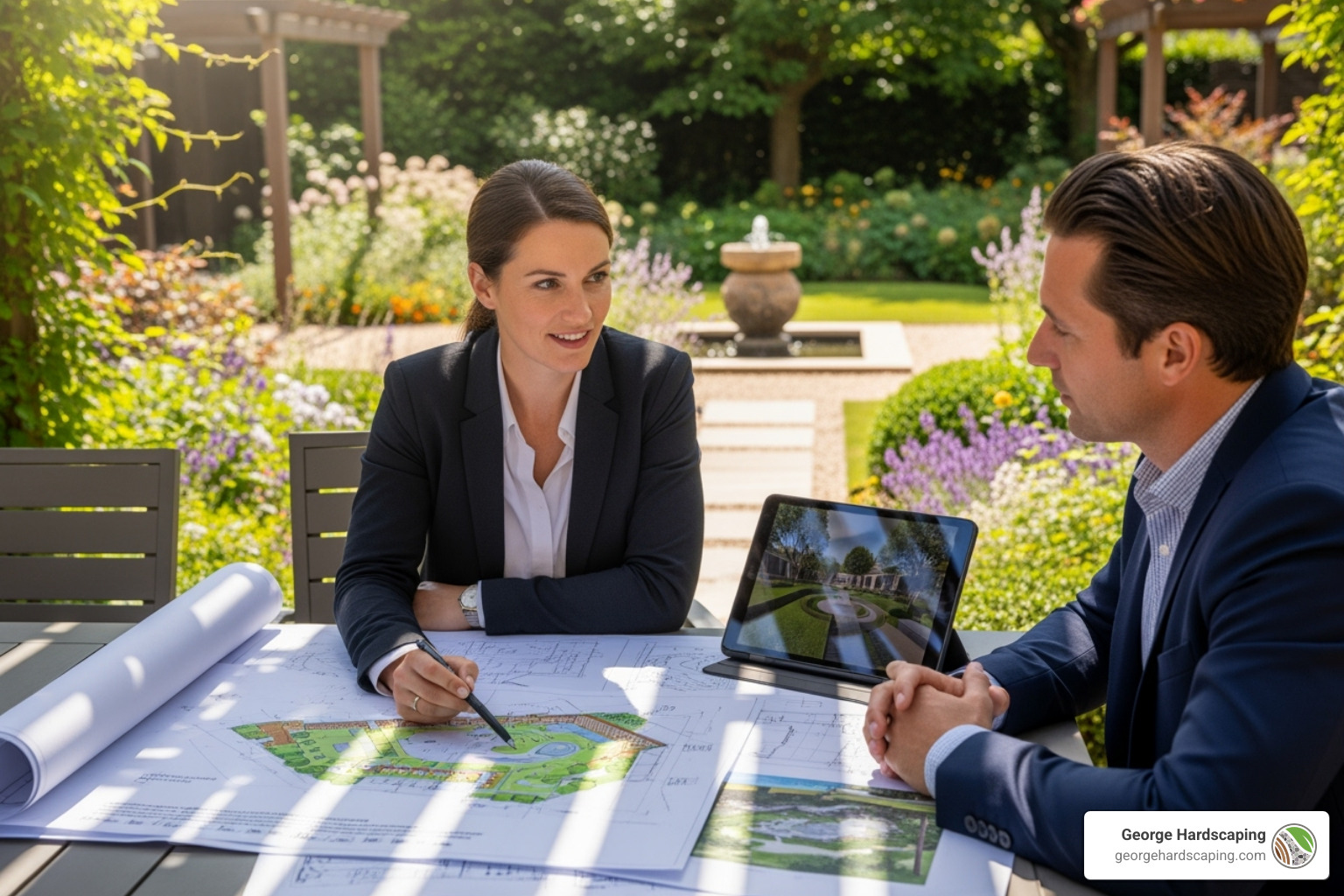
When you’re ready to transform your Massachusetts landscape, you’ll discover that our state boasts one of the most professional, educated, and well-organized green industries in the entire country. Whether you are planning a complete backyard renovation in Essex County or simply adding a stone patio, working with qualified, certified professionals makes all the difference in the outcome and longevity of your project. The industry is a sophisticated network of designers, horticulturists, masons, and craftsmen, all guided by strong professional associations that set rigorous standards and provide essential ongoing education.
Think of these organizations as your built-in quality assurance system. When you hire a contractor who is an active member of these groups and holds their certifications, you’re not just hiring a single person or company. You’re tapping into a community of experts that shares knowledge, stays current with evolving best practices, and commits to a code of ethics that prioritizes quality, safety, and client satisfaction.
Image metadata: alt=”Landscape architect reviewing design plans with client” | source=”Bannerbear” | context=”Highlights collaborative planning and documentation for Massachusetts landscape projects”
Key Industry Associations and Certifications
The Massachusetts Nursery and Landscape Association (MNLA) is the backbone of our state’s green industry. For homeowners, its most valuable asset is the Massachusetts Certified Horticulturist (MCH) program. An MCH professional is a recognized expert in our specific and often challenging growing conditions. They understand our unpredictable weather, our diverse soil types, and know which plants will not just survive but thrive through our harsh winters. The MNLA also champions the Growing Wild native plant initiative, which actively promotes using native plants to support declining pollinator populations—a practical, beautiful approach that reduces maintenance while creating a vibrant, living ecosystem in your yard.
The Boston Society of Landscape Architects (BSLA) represents the design-focused arm of the industry. These professionals are trained to approach your property as a complex, integrated system. They plan not just for today, but for the climate realities of 2030 and beyond. Their focus on contemporary challenges means a BSLA member understands that your retaining wall must do more than just hold back soil; it must manage water properly and be engineered to withstand the more intense weather events our region is experiencing. You can read the BSLA Fieldbook on Climate-resilient design to appreciate the sophisticated, forward-thinking that informs modern landscape architecture.
The Massachusetts Association of Landscape Professionals (MALP) brings together dedicated professionals from all aspects of landscape work. Its flagship Massachusetts Certified Landscape Professional (MCLP) program certifies individuals who have demonstrated comprehensive knowledge of local best practices. Verifying a contractor’s MCLP status is a reliable way to ensure you’re working with a qualified professional who is committed to the highest industry standards and a strict code of ethics.
Licensing, Insurance, and Compliance Homeowners Should Verify
- Registration: For most residential projects, you must verify that your contractor has a current Home Improvement Contractor (HIC) registration. You can check their status via the state’s official database. Learn more about the Massachusetts Home Improvement Contractor registration.
- Insurance: This is non-negotiable. Ask for current certificates for both general liability and workers’ compensation. General liability protects your property from damage, while workers’ comp protects you from being sued if a worker is injured on your property. Without both, you are exposed to significant financial risk.
- Utility locates: Every professional excavation, no matter how small, starts with a call to Dig Safe. It’s required by law and is the only way to safely protect workers and your property from underground utility lines.
- Wetlands and conservation: If your project is near wetlands, a stream, or a coastal area, the local Conservation Commission will likely have jurisdiction. Filings under the Wetlands Protection Act may be required. A professional contractor will identify this issue early and coordinate these steps as needed.
What “Built Right” Means for Hardscapes in Massachusetts
- Subgrade and base: Our notorious freeze–thaw cycles demand uncompromising base preparation. This means proper excavation to remove unstable soil, followed by the installation and methodical compaction of aggregate layers to create a stable, free-draining foundation. We engineer bases specifically for the intended use, whether it’s for patios, walkways, driveways, or pool decks.
- Drainage: We design for water. Every surface has a purpose-designed pitch, combined with durable edge restraints and, where necessary, subsurface drainage systems to move water efficiently away from structures and prevent hazardous icing.
- Retaining walls: A properly built wall is a complex system. It often requires specific drainage stone, filter fabric separation to prevent clogging, and, for taller walls, geogrid reinforcement. Geogrid is a strong, flexible mesh laid in layers back into the slope, effectively tying the wall to the earth it’s holding back. Taller walls will require an engineer’s stamp. Our landscape retaining walls are designed to balance structural function and aesthetic beauty.
- Materials: We only recommend and install freeze–thaw–rated pavers and dense natural stone suitable for New England’s severe conditions. For technical context, you can review industry standards such as ASTM C936 for concrete pavers.
Selecting a Team for the Long Term
Beyond technical skill and certifications, look for clear communication and a pride in craftsmanship. Request a detailed scope of work, a realistic schedule, and a clear warranty in writing. Ask for local references and a portfolio of completed projects. Our project gallery demonstrates the level of detail and finish you should expect. A true professional coordinates all trades, protects your existing trees and plantings, and leaves your property cleaner than they found it—all while delivering value that lasts for decades.
For patios, custom outdoor firepits, walkways and stairs, and comprehensive hardscaping and masonry services, choosing certified, insured professionals is the simplest way to protect your significant investment.
Designing Your Ideal Massachusetts Landscape
Creating your perfect Massachusetts landscape is a thoughtful, collaborative process that weaves together beauty, practicality, and environmental responsibility. The most successful and satisfying outdoor spaces feel like natural, inevitable extensions of your home. They reflect the unique character of Massachusetts—its history, its ecology, its climate—while simultaneously serving your family’s everyday needs for relaxation, entertainment, and connection with nature.
Understanding Your Property: Historic and Ecological Context
Before a single drawing is made or a shovel hits the ground, it’s crucial to understand your property’s unique story. In historic areas like Essex County, your land likely carries echoes of the past, such as weathered stone walls built by early settlers, granite fence posts, or a mature canopy of native trees. The National Park Service recognizes both historic designed landscapes (intentionally planned) and historic vernacular landscapes (evolved through use). Preserving these authentic elements adds irreplaceable character and a sense of place. You can learn to identify heritage landscapes with this state guide.
Equally important is your property’s ecological context. With over 90% of Massachusetts land in private hands, the collective choices of homeowners have a massive impact on the environment. Ecological landscaping, or ‘eco-scaping,’ means working with nature, not against it. This approach focuses on conserving water, minimizing or eliminating chemicals, and creating habitats that support local wildlife. The state’s Ecological Landscaping Tools guide for homeowners provides a wealth of practical, easy-to-implement steps.
A Step-by-Step Design Framework
1) Site Analysis: This is the foundational data-gathering phase. We document sun patterns throughout the day and year, prevailing wind exposure, soil type and drainage, existing vegetation, and significant grade changes. We also consider views (what to screen, what to frame), noise sources, and how people will move through the space. You should also check your property’s FEMA flood map zone via the FEMA Flood Map Service Center. Finally, we define your program: what do you want to do here? This includes zones for dining, lounging, cooking, and play. This helps decide what functions belong on a custom patio versus in lawn or garden areas.
2) Concept Development: Using the site analysis, we begin organizing the space with bubble diagrams to lay out functional zones. This is where we integrate walkways and stairs to navigate grade changes and create a logical flow. We also discuss creating ‘outdoor rooms,’ using elements like seat walls, pergolas, or strategic plantings to define distinct areas. We can plan for future phases—perhaps installing a fire pit and patio now, with an eye toward adding a pool deck in a few years.
3) Materials and Drainage: In Massachusetts, these two elements are inseparable. We select freeze-thaw-durable pavers and natural stone that complement your home’s architecture. We then engineer a comprehensive drainage plan using swales, permeable surfaces, and strategic grading to manage stormwater effectively. For guidance on best practices, we often consult the Massachusetts Stormwater Handbook for infiltration strategies.
4) Planting Design: The final layer is the living, breathing part of the landscape. A great planting plan blends native shrubs and perennials with architectural evergreens for winter interest. We balance bloom times for seasonal color, and mix textures and forms to create a dynamic composition. The UMass guide to Climate-Smart Native Plants is an excellent resource for choosing resilient, beautiful species that are adapted to our changing climate.
Choosing the Right Plants
Native plants are the workhorses of a sustainable Massachusetts garden. They are genetically adapted to our region, requiring less water and no fertilizer once established, while naturally resisting local pests and diseases. Their greatest benefit, however, is supporting the local wildlife that depends on them for food and shelter.
- For sun-drenched, windy coastal sites: Bayberry, Seaside Goldenrod, and Switchgrass are tough, beautiful, and tolerate wind and salt spray.
- For inland clay soils: Red Maple, Inkberry Holly, and New England Aster will thrive with proper soil preparation and amendment.
- For shady areas: Witch Hazel, Foamflower, and Christmas Fern add texture and multi-season interest to darker corners of the yard.
- For rain gardens and wet spots: Blue Flag Iris, Swamp Milkweed, and Joe-Pye Weed are superstars that support pollinators and soak up excess water.
It is also critical to guard against invasive species, which can escape your yard and damage local ecosystems. See the state’s official guidance on invasive plants in Massachusetts.
Integrating Hardscape Elements
While plants provide the soul of your landscape, hardscape elements create its bones—the structure, functionality, and flow. Patios, walkways, and retaining walls define how you use your yard, extending your living space into the outdoors and making it more useful and valuable.
At George Hardscaping, we specialize in achieving this perfect balance. Our services include:
- Custom patios for outdoor dining: The heart of your outdoor living space, sized and shaped for your lifestyle.
- Elegant walkways and stairs: Guiding people through your property safely and beautifully.
- Functional retaining walls: Expertly managing slopes, solving water issues, and creating usable level terraces.
- Cozy custom outdoor firepits: Extending the season and creating a natural gathering spot.
- Durable driveway paver installations: Engineered to handle vehicle loads and designed for superior drainage.
- Stylish pool deck installations: Featuring beautiful, slip-resistant textures custom-fitted to your pool.
Our expert hardscaping and masonry services are available throughout the North Shore, in communities like Beverly, Danvers, Ipswich, and Newburyport.
Strong CTA: Let’s design a Massachusetts-tested plan that looks great and works even better. Share your goals and get a detailed proposal—request your free estimate.
Frequently Asked Questions about Massachusetts Landscaping
Here are detailed answers to some of the most common questions we encounter about designing, building, and maintaining a landscape in the unique environment of the Massachusetts landscape, specifically for homeowners across Essex County and the North Shore.
What are the biggest benefits of using native plants in my MA landscape?
Using native plants provides three powerful, interconnected benefits. First, and most importantly, you create a vital lifeline for local wildlife. Native insects, birds, and other animals have co-evolved with these plants and depend on them for food and habitat. Non-native plants, even beautiful ones, are often unrecognizable to local fauna. Second, you make your own life easier. Native plants are adapted to our specific climate, soils, and rainfall patterns, meaning they require far less water, fertilizer, and pest control once they are established.
This saves you time, money, and reduces chemical inputs into the environment. Finally, they create a landscape with an authentic sense of place that reflects our region’s natural beauty, rather than a generic, ‘anywhere’ look. To explore regionally appropriate choices, the UMass Extension Landscape Program and the Xerces Society offer excellent, detailed pollinator plant lists.
How can I make my traditional lawn more eco-friendly without a full redesign?
You can make a real difference with a few simple changes in your maintenance routine. Start by reducing or completely eliminating chemical fertilizers and pesticides, which can harm local waterways, soil health, and beneficial insects. Mow your grass higher (3 inches or more) to encourage deeper, more drought-resistant roots and to shade out weed seeds. Leave the grass clippings on the lawn (a practice called ‘grasscycling’) to return valuable nitrogen to the soil naturally, acting as a free fertilizer.
For a bigger impact, consider overseeding your lawn with white clover, which fixes nitrogen from the air and provides a food source for pollinators. The next step is to gradually reduce your total lawn area by expanding garden beds with native plants or installing functional hardscapes like beautiful walkways and custom patios. For more water-smart lawn care practices, review the EPA WaterSense guidance.
What should I look for when hiring a landscape or hardscape contractor in Massachusetts?
Choosing the right contractor is the single most important decision for protecting your investment. First, verify they have proper licensing and insurance. This means a valid Home Improvement Contractor (HIC) registration, which you can check on the state’s Home Improvement Contractor portal, plus certificates of general liability and workers’ compensation insurance to protect you from all liability.
Second, ask to see a deep portfolio of local work and speak with past clients; our project gallery shows the level of quality and craftsmanship we deliver.
Third, look for professional certifications like the Massachusetts Certified Landscape Professional (MCLP) or Massachusetts Certified Horticulturist (MCH), which demonstrate a serious commitment to ongoing education and industry best practices. Finally, insist on a detailed, written contract that clearly outlines the full scope of work, specific materials to be used, a project timeline, and a clear payment schedule to prevent any misunderstandings.
When you’re ready to move forward with a cozy outdoor firepit or functional retaining walls, choosing the right contractor makes all the difference. We encourage you to request your free estimate to discuss your vision with our experienced team.
Do I need permits for hardscaping projects like patios, walls, or steps?
It depends on the project’s scope and location. Often, you don’t need a building permit for a simple, ground-level patio. However, local town and city rules vary, so it’s always wise to check. Larger retaining walls, especially those over four feet in height or any wall supporting a critical slope or structure (like a driveway), can require a building permit and stamped plans from a structural engineer.
The most common permitting trigger is proximity to a protected natural resource. If your project is near wetlands, a river, or a coastal bank, you will likely need to file with your local Conservation Commission for approval under the Wetlands Protection Act. A professional contractor will identify these requirements during the site analysis phase and help you navigate the process so your project proceeds smoothly and legally.
How do storms and freeze–thaw cycles affect design choices?
These climate factors are central to every design decision in New England. Freeze–thaw cycles, where water freezes and expands in the ground, exert immense pressure that can heave and destroy improperly built hardscapes. This demands robust base preparation with deep, compacted aggregate, proper drainage to keep water out of the base, and the use of materials specifically rated for our climate. We specify dense pavers or stone, use polymeric sand or high-strength mortar in joints, and install robust edge restraints to resist movement.
For storms, good grading is key. We design surfaces to move water away from foundations and walking areas, using drains and swales to manage runoff and reduce ice formation. For driveway and walkway safety, we balance permeability with snow removal operations to minimize winter damage and salt use.
Are permeable pavers a good idea in Massachusetts?
Yes—they can be an excellent choice, provided your site’s soil conditions are appropriate. Permeable paver systems are designed with larger gaps between the pavers and a special open-graded stone base, allowing stormwater to filter through the surface and soak into the ground. This helps control runoff, reduce icing, and recharge local groundwater. However, they require careful design of the base layers and may need underdrains if the underlying soil drains poorly.
They also require periodic maintenance (sweeping or vacuuming) to keep the gaps free of sediment and functioning properly. We evaluate your property’s slopes, soil type, and contributing drainage areas to determine where permeable driveway paver installations or patio areas make the most sense. For detailed technical guidance, we consult the Massachusetts Stormwater Handbook.
What’s the best way to water new plantings?
Water deeply and less frequently. This encourages plants to develop deep, strong root systems that are more resilient to drought. Most new shrubs and trees need consistent moisture for their first full growing season to get established, after which watering can be tapered off. Drip irrigation is the most efficient method, as it delivers water directly to the root zone and keeps foliage dry, which helps reduce fungal diseases. For site-specific watering schedules and drought survival tips, refer to the excellent resources at UMass Extension and the EPA WaterSense program for water-efficient strategies.
How can I reduce salt damage to plants and hardscapes in winter?
Winter salt is a major challenge. The best strategy is to minimize its use. Use sand for traction or, where feasible, less harmful de-icers like calcium magnesium acetate. When clearing snow, place snow piles in locations where the meltwater won’t refreeze on walking surfaces and where the salt-laden water won’t run directly onto sensitive plantings.
You can also install salt-tolerant native plantings (like certain grasses and shrubs) along roadsides and driveways. MassDEP explains the serious impacts of road salt chlorides on groundwater; you can learn more at MassDEP on road salt. We also help by selecting hardscape materials and finishes that maintain good traction and resist spalling from salt exposure.
What about wildlife pressure, like deer or rabbits, on plantings?
This is a common concern in many parts of Massachusetts. The most effective long-term strategy is to choose plant species with better resistance to browsing. While no plant is truly ‘deer-proof,’ many are less palatable than others. We also use physical protections like fencing or trunk wraps, especially while plants are young and establishing. Designing with diversity and planting in masses, rather than single specimens, can also help minimize the visual impact of any damage. Local guidance from MassWildlife can help you understand seasonal browsing patterns in your specific area. We combine smart plant selection and strategic layout to minimize wildlife damage.
Can you help me plan for climate resilience on my property?
Absolutely. This is a core part of our design philosophy. True landscape resilience starts with expert management of drainage and grading, but it extends to many other areas. This includes strategically placing shade trees for summer cooling, designing windbreaks, selecting drought-tolerant plantings, and choosing materials that can withstand extreme weather events. We integrate the latest best practices from state and professional resources, including the BSLA Fieldbook on Climate-Resilient Design, to ensure your landscape investment is not just beautiful today, but durable and functional for decades to come.
What’s the difference between a landscape architect, a landscape designer, and a hardscape contractor?
These roles often overlap but have key distinctions. A Landscape Architect (LA) is a state-licensed professional with a formal degree, qualified to design and stamp plans for complex projects, especially those involving public safety, significant grading, or environmental regulations. A Landscape Designer typically focuses on the aesthetic and horticultural aspects of a project—planting plans, garden layouts, and material selection.
A Hardscape Contractor (like George Hardscaping) is the builder. We are the hands-on experts who execute the plan, specializing in the technical construction of patios, walls, walkways, and other structural elements. We have deep knowledge of materials, base preparation, and the construction methods required to build durable hardscapes in our climate. We often collaborate with designers and architects or provide design-build services for our clients.
What is the best time of year to install a new landscape or hardscape in Massachusetts?
The primary installation season in Massachusetts runs from spring through fall, typically from April to November, weather permitting. Spring is excellent for planting, giving roots time to establish before summer heat. However, the ground can be wet, and it’s often a contractor’s busiest season. Summer is ideal for hardscape construction as the ground is dry and stable, but it can be stressful for new plantings due to heat and potential drought.
Fall is arguably the best all-around time. Cooler temperatures and reliable rainfall make it the perfect time for planting, and the stable ground is still great for hardscape work. It allows plants to establish roots before winter, giving them a strong start the following spring. We can work in any of these seasons, but planning a fall project often yields the best results for the living parts of your landscape.
Conclusion: Crafting Your Perfect Outdoor Space
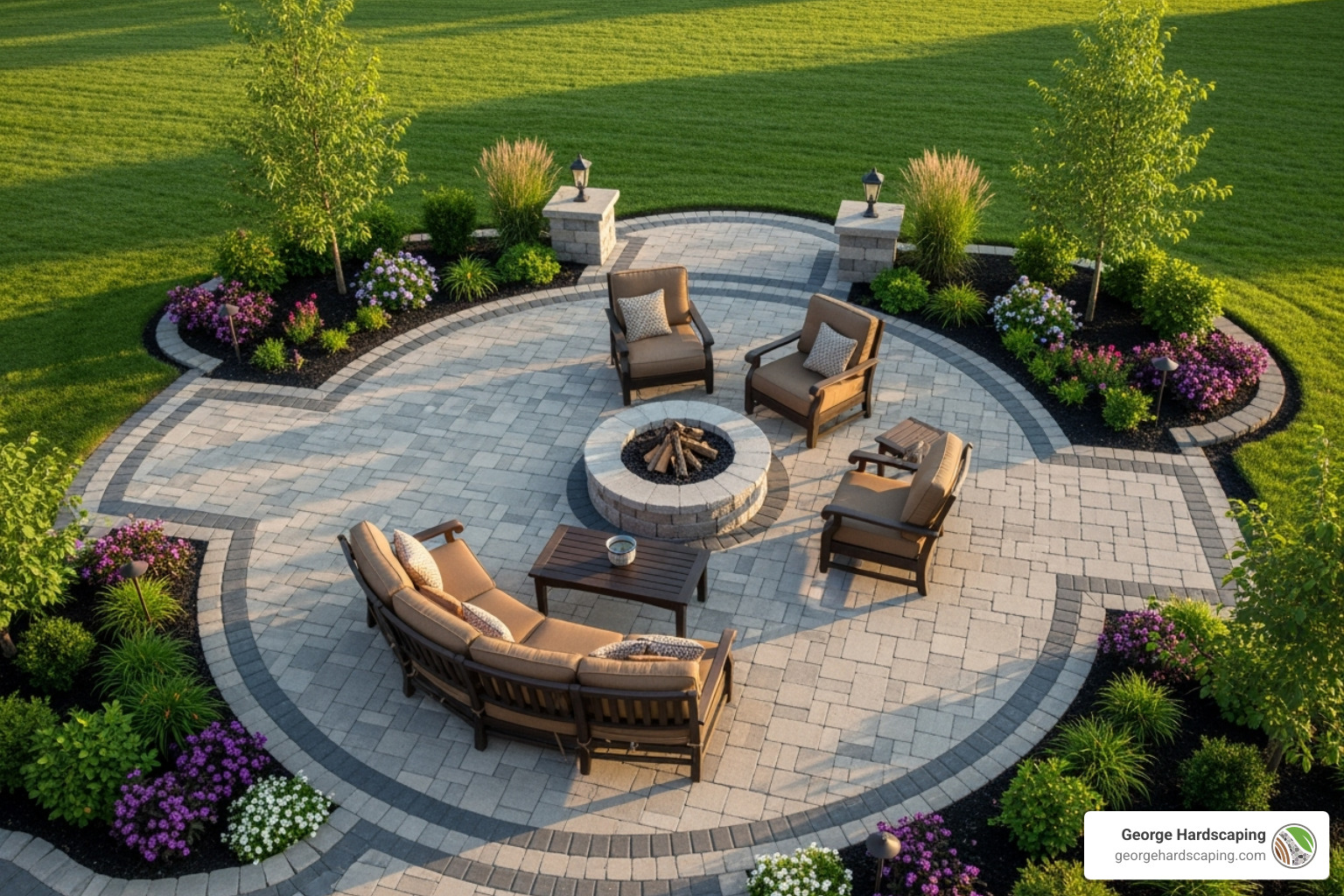
Your Massachusetts landscape is far more than just the land around your house. It is a living extension of your home, a private sanctuary for making memories, and a vital piece of our state’s shared ecological fabric. The choices you make—from planting native species to support declining pollinator populations to choosing professional partners who use cleaner, quieter equipment—ripple outward, improving not only your property’s value and your family’s enjoyment but also the health of your local community and environment.
This guide demonstrates that you never have to choose between a beautiful landscape and a sustainable one. In fact, the most successful and enduring outdoor spaces are those that seamlessly blend low-maintenance native plantings with durable, expertly-built hardscape elements that expand your living area.
A custom patio becomes a summer dining room, well-designed walkways guide guests safely through your garden, and a custom firepit becomes the magnetic gathering spot for conversation deep into the crisp fall evenings. For properties with challenging slopes, professionally engineered retaining walls are the key to unlocking usable space, transforming a difficult grade into beautiful, functional terraces.
Image metadata: alt=”Beautifully designed paver patio with stone fire pit in a backyard” | source=”Bannerbear” | context=”Demonstrates a durable, freeze–thaw-ready hardscape suitable for Massachusetts homes”
Achieving this synthesis of beauty, function, and durability requires expert partners who understand both your personal goals and the unique character of building in our demanding New England climate. At George Hardscaping, we have built our reputation on bringing that vision to life for homeowners across Essex County and the North Shore. Our team combines timeless craftsmanship with modern sustainability principles, creating outdoor spaces that are built to stand the test of time while respecting the environment we all share.
Strong CTA: Ready to transform your yard into a Massachusetts-tested outdoor living space? Get your detailed plan and quote—request your free estimate today. We’re scheduling site walks now, and we’d love to help you build something beautiful, durable, and uniquely yours.
