
How Much Does a Paver Walkway Cost? Top Guide 2024
Why Paver Walkways are a Worthwhile Investment
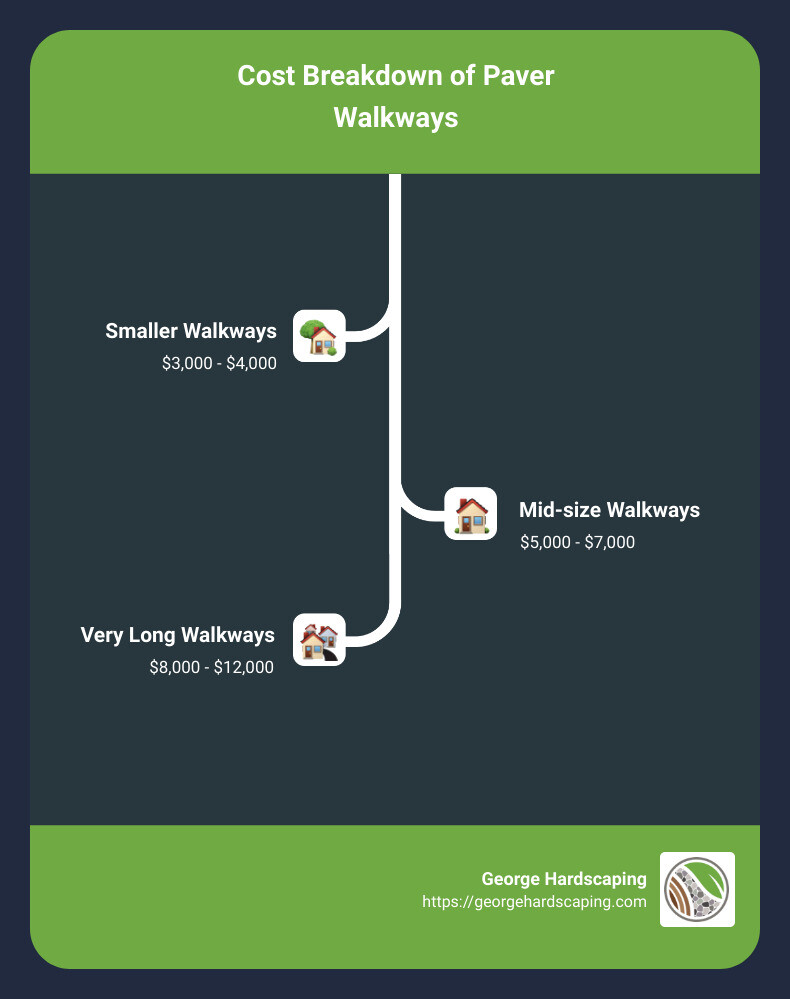
If you’ve ever asked, “how much does a paver walkway cost?”, here’s a quick breakdown:
- Smaller walkways: $3,000 – $4,000
- Mid-size walkways: $5,000 – $7,000
- Very long walkways: $8,000 – $12,000
Paver walkways hold immense value for homeowners looking to improve their property. Not only do they add a touch of elegance, but they also serve practical purposes, such as guiding foot traffic and enhancing safety. Unlike asphalt or concrete, pavers are durable and customizable, allowing you to create beautiful patterns and landscapes that perfectly match your home’s aesthetic.
Moreover, paver walkways are known for their longevity, often lasting between 50 to 100 years with proper maintenance. Their permeability also allows water to drain efficiently, reducing the chances of puddling.
Investing in a paver walkway is not just about adding a path; it’s about boosting your home’s curb appeal and inviting comfort to your outdoor spaces.
How Much Does a Paver Walkway Cost?
When planning to install a paver walkway, understanding the costs involved is crucial. The national average cost to install a paver walkway is $2,665, with most projects ranging between $1,565 and $3,765. However, prices can vary significantly based on several factors.
Factors Influencing Paver Walkway Costs
Materials
The type of paver you choose greatly impacts the cost. Here are some common options:
- Concrete Pavers: Durable and affordable, costing between $8 to $15 per square foot.
- Clay Brick Pavers: Offer a classic look and cost between $10 to $20 per square foot.
- Natural Stone Pavers: Elegant but expensive, ranging from $12 to $50 per square foot.
- Slate Pavers: Strong and visually appealing, priced between $11 to $20 per square foot.
Labor
Labor costs typically average around $55 per hour. This can vary depending on your location and the contractor’s experience.
Design Complexity
More intricate designs or patterns will increase both material and labor costs. Simple designs are less expensive, while complex ones can significantly raise the price.
Preparation Needs
If your project requires extensive prep work, such as removing an old walkway or leveling uneven ground, expect additional costs. This prep work is essential for ensuring a stable and long-lasting walkway.
Cost Estimator by Size
The size of your walkway is a major cost determinant. Here’s a quick cost estimator based on the average cost of $14.50 per square foot:
- Small (20’x4′): Approximately $1,160.
- Medium (35’x4′): Around $2,030.
- Large (70’x4′): About $4,060.
Cost Estimator by Type of Paver
Different paver materials come with varying costs. Here’s a breakdown:
Concrete Pavers
- Cost: $8 to $15 per square foot
- Pros: Durable, low-maintenance, and versatile in design.
Clay Brick Pavers
- Cost: $10 to $20 per square foot
- Pros: Classic look, various patterns and textures, long-lasting with regular maintenance.
Natural Stone Pavers
- Cost: $12 to $50 per square foot
- Pros: Timeless appeal, fits any landscape design, extremely durable.
Slate Pavers
- Cost: $11 to $20 per square foot
- Pros: Sturdy, wide range of colors, combines natural slate’s look with concrete’s strength.
Understanding these cost factors can help you budget for your paver walkway project more accurately. Next, we’ll discuss how to choose the right paver material for your walkway…
Choosing the Right Paver Material for Your Walkway
Selecting the right paver material for your walkway is crucial. It affects everything from durability and maintenance to aesthetic appeal and cost. Let’s break down the options to help you make an informed decision.
Concrete Pavers
Durability: Concrete pavers are very durable and can last for decades with proper maintenance. They are less likely to crack compared to poured concrete.
Maintenance: These pavers require minimal maintenance. Regular cleaning and sealing every few years can keep them looking new.
Aesthetic Appeal: Concrete pavers offer a wide range of design flexibility. You can find them in various shapes, sizes, and colors, making it easy to match your landscape.
Price Range: Concrete pavers typically cost between $6 and $12 per square foot.
Maintenance Tips: Clean them regularly with a mild detergent and water. Seal them every 2-3 years to protect against stains and weathering.
Design Flexibility: You can create intricate patterns and designs, including mimicking the look of natural stone or brick.
Clay Brick Pavers
Durability: Clay brick pavers are incredibly durable and can last for over a century. They are resistant to cracking and fading.
Maintenance: These pavers require regular maintenance to keep them in top shape. This includes cleaning and occasional re-sanding of joints.
Aesthetic Appeal: Brick pavers offer a classic, timeless look that adds charm to any walkway. They come in various colors, primarily in earthy tones like red, brown, and beige.
Cost Factors: The cost of clay brick pavers ranges from $8 to $20 per square foot.
Color Options: While the color range is more limited compared to concrete, the natural, warm tones of brick pavers are highly appealing.
Longevity: With proper care, clay brick pavers can last for generations, making them a long-term investment.
Natural Stone Pavers
Durability: Natural stone pavers, such as flagstone and marble, are extremely durable and can withstand heavy traffic and harsh weather conditions.
Maintenance: These pavers require low maintenance. Regular sweeping and occasional power washing are usually sufficient.
Aesthetic Appeal: Natural stone offers unmatched visual appeal. Each piece is unique, providing a one-of-a-kind look for your walkway.
Types: Common types include flagstone, marble, and bluestone.
Installation Costs: Natural stone pavers are on the higher end, costing between $12 and $50 per square foot.
Visual Appeal: The organic, natural look of stone fits seamlessly into any landscape design, adding a touch of elegance.
Slate Pavers
Strength: Slate pavers are known for their strength and durability. They can handle heavy foot traffic without cracking or chipping.
Color Variety: Slate comes in a wide range of colors, from earthy tones to vibrant shades, allowing for creative design possibilities.
Price Considerations: Slate pavers are moderately priced, ranging from $11 to $20 per square foot.
Durability: Slate is a long-lasting material, making it a good investment for your walkway.
Aesthetic Appeal: The natural texture and color variations in slate create a visually appealing and sophisticated look.
Choosing the right paver material depends on your specific needs and preferences. Consider factors like durability, maintenance, aesthetic appeal, and cost to make the best choice for your walkway.
Installation: Professional vs. DIY
When it comes to installing a paver walkway, you have two main options: doing it yourself (DIY) or hiring a professional. Each approach has its own set of costs, skill requirements, and time investments. Let’s break them down.
Necessary Tools and Materials for DIY
If you’re considering a DIY paver walkway, you’ll need a variety of tools and materials:
- Pavers: Choose the type that fits your design and budget.
- Shovels: For digging and moving dirt.
- Tampers: To compact the soil and sand layers.
- Sand: Used as a base and to fill in the gaps between pavers.
- Measuring tools: Tape measures, levels, and string lines to ensure accuracy.
The average cost of materials for a DIY paver walkway ranges from $1,565 to $3,765. This includes the pavers themselves, which can cost between $8 to $50 per square foot depending on the type.
When to Choose Professional Installation
Cost Comparison: Hiring professionals generally costs more upfront. The national average for professional installation is about $2,665, but this can vary based on the complexity and size of the project.
Skill Level Required: DIY projects require a certain level of skill. If you have experience with similar tasks, you might find it manageable. However, complex designs and large areas are better handled by professionals who have the expertise to ensure a quality finish.
Time Investment: DIY installations can be time-consuming. If you’re working on weekends or in your spare time, it could take several weeks. Professionals can usually complete the job much faster, often in a few days.
Complex Designs: If your walkway has curves, multiple levels, or intricate patterns, professional installation is recommended. Professionals have the tools and experience to handle these complexities without compromising on quality.
Large Areas: For large walkways, the amount of labor and precision required increases. Professionals can handle large projects more efficiently and with better results.
Time Constraints: If you need the walkway completed quickly, hiring a professional is the best option. They have the manpower and equipment to expedite the process, ensuring your project is completed on time.
Next, we’ll explore how to enhance your paver walkway with decorative features and functional improvements…
Enhancing Your Paver Walkway
Adding Value Through Design
Decorative Features: One way to make your paver walkway stand out is by adding decorative elements. You can incorporate stamped patterns, which cost between $8 to $28 per square foot, to give your walkway a unique look. Staining is another option, adding a splash of color for an additional $2 to $4 per square foot.
Landscape Integration: Integrating your walkway with the surrounding landscape can elevate its aesthetic appeal. Consider using plants, shrubs, and flowers along the edges to create a seamless transition between the walkway and your garden.
Lighting Options: Adding lighting to your walkway not only enhances its beauty but also improves safety. Solar-powered lights are an eco-friendly option that can be easily installed along the path.
Functional Enhancements
Patterns and Borders: Using different laying patterns like herringbone or basketweave can add a touch of elegance to your walkway. Adding borders with contrasting colors or materials can further define the space and make it visually appealing.
Color Combinations: Mixing and matching paver colors can create striking visual effects. Choose colors that complement your home’s exterior and the surrounding landscape for a cohesive look.
Drainage Solutions: Proper drainage is crucial to prevent water pooling and damage. Permeable pavers are an excellent choice as they allow water to drain through, reducing erosion and the need for additional drainage systems.
Edging: Installing edging along your walkway can help keep the pavers in place and prevent shifting. Edging materials can range from metal to plastic, each offering different levels of durability and aesthetic appeal.
Sealing: Sealing your paver walkway can protect it from stains, weeds, and weather damage. It also enhances the color and overall appearance. Sealing typically costs between $1 and $3 per square foot but can extend the lifespan of your walkway.
Next, we’ll dive into frequently asked questions about paver walkways…
Frequently Asked Questions about Paver Walkways
How long do pavers last?
Pavers are incredibly durable and can last between 50 and 100 years with minimal routine maintenance. Their longevity is one of their biggest advantages over other materials like concrete or asphalt, which often crack and degrade over time. If a paver does get damaged, it can be easily replaced without affecting the rest of the walkway. This makes pavers a long-term investment for your home.
Does water drain through pavers?
Yes, pavers are permeable, meaning water can drain through them into the ground. This is a significant benefit compared to materials like concrete, which can cause water to pool on the surface. Proper drainage helps prevent water damage and reduces the risk of slipping. It also contributes to better groundwater recharge, making pavers an eco-friendly choice.
How many pavers do I need?
To determine how many pavers you need, follow these simple steps:
- Measure the Area: Calculate the total square footage of the walkway. For example, if your walkway is 60 feet long and 3.5 feet wide, the area is 210 square feet.
- Check Paver Size: Determine the size of each paver. If a paver covers 1 square foot, you’ll need 210 pavers.
- Calculate Total: Divide the total square footage by the coverage area of one paver. This gives you the number of pavers required.
Always buy a few extra pavers to account for cuts and waste. This ensures you have enough to complete the project without delays.
Next, let’s explore how to choose the right paver material for your walkway…
Conclusion
Investing in a paver walkway offers long-term benefits that go beyond just enhancing your home’s curb appeal. Pavers are durable, often lasting between 50 and 100 years with minimal maintenance. Unlike concrete, which can crack and require costly repairs, damaged pavers can be easily replaced, making them a cost-effective option in the long run.
At George Hardscaping, we prioritize quality and customer satisfaction. Our expert team ensures that every paver walkway is installed with precision and care, using the best materials and techniques. Whether you choose concrete, clay brick, natural stone, or slate, we can help you create a walkway that complements your home’s architecture and landscape.
Choosing George Hardscaping for your paver walkway project means you’re investing in a durable, stylish, and functional outdoor space. A well-installed paver walkway not only boosts your home’s aesthetic appeal but also adds significant value to your property. According to Forbes, a well-made patio can have a return on investment of anywhere from 30% to 70%, and the same can be expected for high-quality paver walkways.
Ready to transform your outdoor space? Contact George Hardscaping today to discuss your project and get a free estimate. Let us pave the way to a beautiful and lasting walkway for your home.
