
Can You Make a Driveway Out of Pavers? 7 Proven Tips
Can you make a driveway out of pavers? Absolutely.
- Pavers offer a customizable solution for enhancing your driveway’s aesthetic.
- They add durability to withstand heavy use and extreme weather.
- Pavers boost curb appeal with a variety of styles and colors.
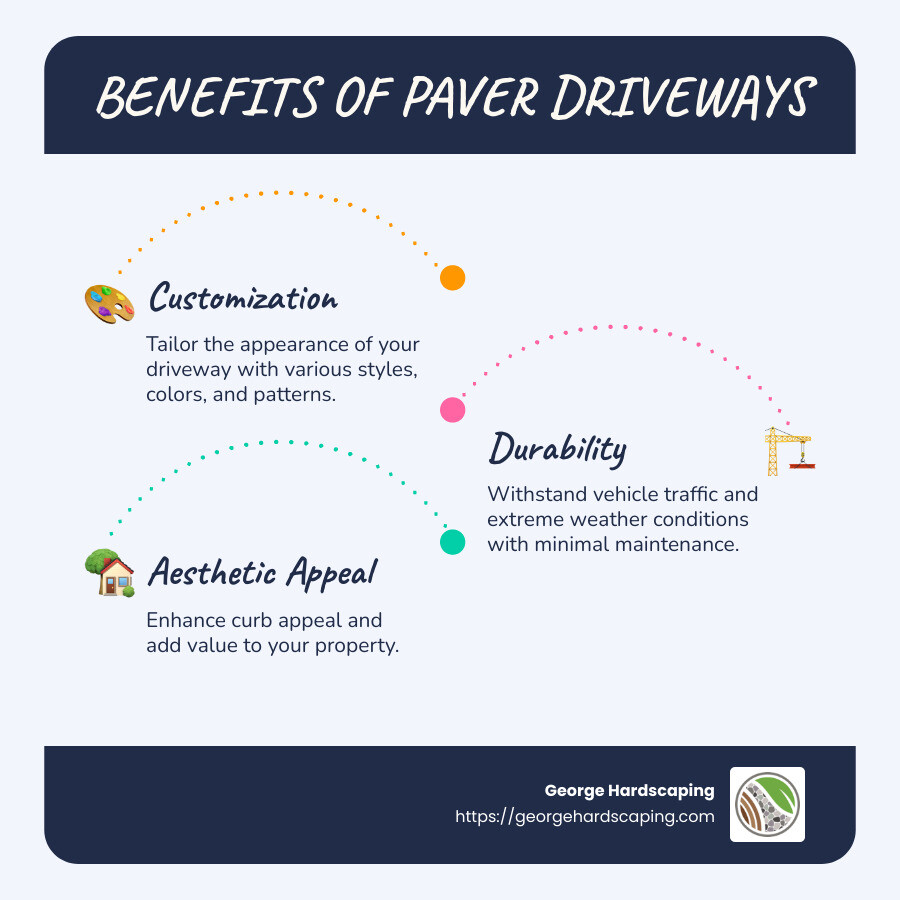
Changing your driveway with pavers is not only possible but highly beneficial. Driveway pavers provide a unique blend of customization, durability, and aesthetics.
Choosing pavers allows you to tailor the look of your driveway to match your home’s architecture. These materials offer various styles, colors, and patterns, giving you flexibility to create an inviting entrance custom to your taste.
In addition, pavers are exceptionally durable. They can withstand vehicle traffic, weather extremes, and require minimal maintenance. This makes them a smart investment for homeowners in Essex County, MA. Enhancing curb appeal while adding value to your property is the key advantage.
Whether you’re looking to make a statement or ensure longevity, pavers offer a practical and stylish solution for your driveway.
Important can you make a driveway out of pavers terms:
– are driveway pavers a good investment
– driveway pavers ideas
– driveway pavers cost
Benefits of Using Pavers for Driveways
Pavers are becoming a popular choice for driveways, and it’s easy to see why. They offer a range of benefits that make them a smart choice for homeowners who want both style and function.
Customization
One of the standout features of using pavers is the customization they offer. You can choose from a variety of shapes, colors, and sizes to create a driveway that matches your home’s style. Whether you want a modern look with sleek, uniform pavers or a more rustic feel with varied, natural stones, the options are endless.
Durability
Pavers are incredibly durable. Unlike traditional asphalt or concrete, they can handle the weight of vehicles without cracking. They’re designed to last through harsh weather conditions, from freezing winters to scorching summers.
Aesthetics
The aesthetic appeal of pavers is best. They can significantly improve your home’s curb appeal, making it more attractive to visitors and potential buyers. With the right design, your driveway can become a focal point of your property.
Flexibility
Another advantage is their flexibility. If you ever need to access underground utilities or make repairs, individual pavers can be removed and replaced without disturbing the rest of the driveway. This makes maintenance much easier compared to other materials.
Longevity
Pavers offer impressive longevity. With proper care, they can last for decades, making them a cost-effective option in the long run. Unlike concrete, which may need frequent repairs, pavers require less maintenance, saving you time and money.
In summary, paver driveways combine customization, durability, aesthetics, flexibility, and longevity. These benefits make them an excellent choice for anyone looking to upgrade their driveway.
Can You Make a Driveway Out of Pavers?
Absolutely, you can make a driveway out of pavers, and it’s a project that combines creativity with practicality. Here’s a step-by-step guide to help you through the process.
Planning Your Paver Driveway
Start with planning. Think about the placement and size of your driveway. Consider the design you want, keeping in mind the drainage and slope. Proper planning ensures that water flows away from your home, preventing damage. Don’t forget to check the location of underground utilities to avoid any surprises during excavation.
Choosing the Right Pavers
Choosing the right pavers is crucial. You can select from brick or concrete, each offering different shapes, colors, and sizes. Consider your budget too. Bricks offer a classic look, while concrete is versatile and often more affordable.
Preparing the Area
Preparation is key. You’ll need to create a slope for drainage. Begin by excavating the area to the necessary depth. This step ensures that your driveway is stable and long-lasting. Leveling the subsoil is crucial for a solid foundation.
Installing the Base Material
The base is the backbone of your driveway. Use crushed stone for the base, ensuring it’s well-compacted. This provides a stable ground for the pavers. Add edge restraints to keep everything in place. Top it with a sand layer to help level the pavers.
Laying the Pavers
Now, for the fun part—laying the pavers. Choose a pattern that suits your style. Start placing the pavers, ensuring even placement. You might need to cut some pavers to fit the edges. Use a masonry saw or splitter for precise cuts.
Finalizing the Installation
Finally, you’ll want to make sure everything is secure. Use a compactor to press the pavers firmly into the sand. Fill the joints with sand to lock the pavers in place. Consider sealing the surface to protect it from stains and wear.
By following these steps, you can create a beautiful, durable driveway that improves your home’s curb appeal.
How to Install a Permeable Paver Driveway
Installing a permeable paver driveway is not only a great way to boost your home’s curb appeal but also an eco-friendly option that helps with stormwater management. Here’s how you can get started:
Assessing Soil Conditions
Before you begin, it’s crucial to understand your soil’s ability to absorb water. Conduct a percolation test to determine the infiltration rate. This test will tell you how quickly water can seep into the ground, which is key for effective drainage. If your soil has poor absorption, you might need additional drainage measures, like a deeper base or underground storage. Consulting with a local expert can ensure you’re meeting local regulations and achieving optimal drainage.
Calculating Materials Needed
Once you know your soil conditions, it’s time to gather your materials. Measure your driveway area carefully to estimate the amount of crushed stone and pavers you’ll need. Remember to account for extra materials to cover cuts and potential waste. For a typical driveway, you will need multiple layers of crushed stone as a base and bedding layer, plus the pavers themselves.
Obtaining Necessary Permits
Check with your local building department to see if you need any permits for your project. Different areas have specific regulations about permeable surfaces and driveway construction. Complete all necessary permit applications and wait for approval before starting your project. This step is vital to avoid any legal issues down the road.
Step-by-Step Installation
- Marking and Excavation: Start by marking the boundaries of your driveway. Use stakes and string to ensure accurate alignment. Then, excavate the area to a depth of at least 15 inches. This depth may vary based on your soil conditions and drainage needs.
- Base Layers: Begin with a 6-inch layer of 3/4-inch to 2-inch washed crushed stone. This layer provides stability and excellent water flow. Follow with a 4-inch layer of 1/4- to 1-1/2-inch crushed stone, compacting each layer thoroughly.
- Screeding: Lay a bedding layer of 1/4-inch stone. This layer should be smooth and even, serving as the foundation for your pavers. Use a screed board to achieve a flat surface.
- Placing Pavers: Start from the lowest corner and work your way up, placing pavers tightly against each other. Ensure they align with your chosen pattern. Use a masonry saw or splitter for any necessary cuts around edges or obstacles.
- Filling Joints: Once all pavers are laid, fill the joints with 1/4-inch stone. Use a broom to sweep the stone into the gaps, ensuring a tight fit.
- Tamping: Finally, use a compactor to press the pavers firmly into the bedding layer. This step ensures the pavers are locked in place. After compacting, refill any joints that have settled and compact again.
By following these steps, you can successfully install a permeable paver driveway that not only looks great but also supports sustainable water management.
Maintenance and Care for Paver Driveways
To keep your paver driveway looking its best and functioning well, regular maintenance is essential. Let’s explore the key tasks involved in maintaining and caring for your paver driveway.
Annual Cleaning
A clean driveway not only improves curb appeal but also extends the life of your pavers. Here’s how to keep it spotless:
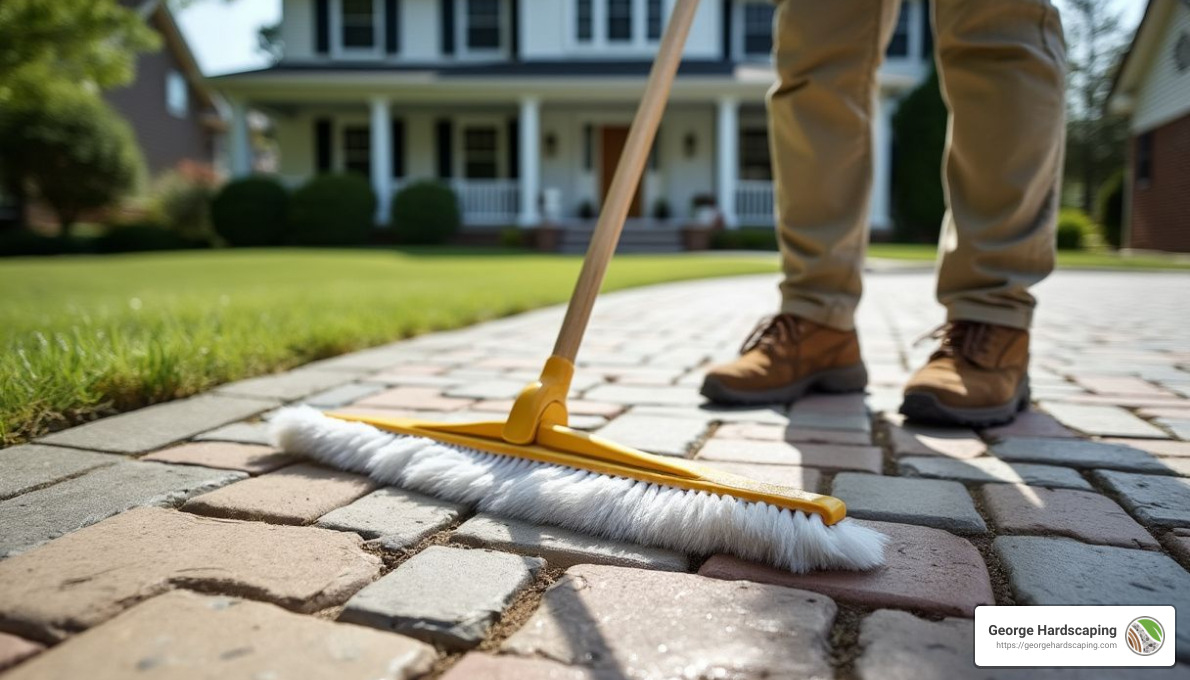
- Sweeping: Regularly sweep your driveway to remove leaves, dirt, and debris. This prevents the buildup of materials that can stain or damage pavers.
- Vacuuming: For a deeper clean, especially in the joints, use a vacuum designed for outdoor use. This helps remove debris that a broom might miss.
- Pressure Washing: Once a year, consider using a pressure washer on a low setting to clean your driveway. Be cautious not to dislodge the joint material. Avoid harsh chemical cleaners as they can harm both the environment and the pavers.
Preventing Weed Growth
Weeds can be a pesky problem in paver joints. Here’s how to keep them at bay:
- Hand Removal: Pull weeds by hand as soon as you see them to prevent spreading.
- Herbicides: Use eco-friendly herbicides if necessary. These are safer for the environment and your family.
- Joint Refilling: Regularly refill the joints with appropriate stone or sand. This not only keeps weeds out but also maintains the stability of the pavers.
Repairing Damaged Pavers
Accidents and wear can lead to damaged pavers. Fortunately, repairs are usually straightforward:
- Individual Paver Replacement: If a paver is cracked or stained, carefully remove it and replace it with a new one. This is a simple way to maintain the overall look of your driveway without a full overhaul.
- Joint Material: After replacing a paver, refill the surrounding joints with sand or stone to ensure stability.
- Compaction: Use a compactor to press the replaced paver into place, ensuring it sits evenly with the surrounding pavers.
Regular maintenance not only keeps your driveway looking great but also extends its lifespan. By following these simple steps, you can ensure your paver driveway remains a beautiful and functional part of your home for years to come.
Frequently Asked Questions about Paver Driveways
How Long Will a Paver Driveway Last?
Paver driveways are known for their durability and longevity. When installed correctly, they can last 30 years or more. This impressive lifespan is due to their ability to withstand heavy loads and harsh weather without cracking, unlike traditional concrete slabs. Regular maintenance, like cleaning and weed prevention, plays a crucial role in extending their life. Plus, if any individual pavers get damaged, they can be easily replaced without disturbing the rest of the driveway.
What Are the Disadvantages of a Paver Driveway?
While paver driveways offer many benefits, there are some drawbacks to consider:
- Cost: Pavers are generally more expensive upfront than other materials like asphalt or poured concrete. The initial investment includes both material costs and the labor-intensive installation process.
- Snow Removal: In snowy climates, paver driveways can be challenging to clear. Snowplows may catch on the edges, and de-icing chemicals can potentially harm the pavers over time.
- Maintenance: Although pavers require less maintenance than some options, they still need regular care. This includes cleaning, refilling joints, and occasional repairs to keep them in top condition.
How Thick Do Pavers Need to Be for a Driveway?
The thickness of pavers is crucial for their performance, especially under the weight of vehicles. For residential driveways, pavers should typically be at least 2 3/8 inches thick. This thickness ensures they can handle regular car traffic without cracking or shifting.
For commercial driveways, where heavier vehicles might be present, pavers should be even thicker, often 3 1/8 inches or more. This added thickness provides the necessary support for the increased load.
Choosing the right thickness is essential for ensuring the longevity and durability of your driveway. Always consider the expected traffic and consult with a professional to select the appropriate paver thickness for your specific needs.
By understanding these aspects, homeowners can make informed decisions about their driveway projects, balancing cost, aesthetics, and longevity to achieve the best value. The right investment in your driveway can improve the overall value and appeal of your property.
Conclusion
At George Hardscaping, we believe that a driveway is more than just a place to park your car—it’s an extension of your home. That’s why we focus on providing professional installation services that ensure your driveway not only looks stunning but also stands the test of time.
Our team is committed to quality and craftsmanship, using only the best materials and the latest techniques. This dedication ensures that every paver is laid with precision, creating a driveway that’s both durable and aesthetically pleasing.
Why Choose Us?
- Expertise: With years of experience in masonry and hardscaping, we have the skills and knowledge to transform your driveway into a work of art.
- Customization: Whether you prefer classic brick, modern concrete, or a unique pattern, we offer a wide range of options to match your style and budget.
- Sustainability: We are committed to eco-friendly practices, offering permeable paver options that manage stormwater effectively and reduce environmental impact.
When you choose George Hardscaping, you’re investing in a driveway that improves your home’s curb appeal and adds value to your property. Let us help you make a wise investment that stands out for all the right reasons.
For more information on how we can transform your driveway, visit our Driveway Paver Installation page.
Your dream driveway is just a call away—let’s make it a reality together!
