
Block Companies Near Me: Top Essential Guide
Finding Your Local Block Supplier: A Quick Guide
Understanding the Building Blocks: Types of Masonry Products Available
When starting a building project, you’ll find a vast world of materials. Block companies near me are the foundation of construction and landscaping, offering a huge variety of products for everything from foundations to garden paths. Suppliers stock everything from standard Concrete Masonry Units (CMUs) to decorative architectural blocks and hardscape products. With some manufacturers producing over 200 block types, there’s a perfect option for any project. Understanding these types is key to making the best choice for a lasting result.
How to Find and Choose Reputable Block Companies Near Me
Finding trustworthy block companies near me is more than a quick Google search—it’s choosing a partner that will keep your project on schedule and built to last. Local suppliers usually understand regional building codes, soil conditions, and climate far better than a national chain, so they’re a logical first stop.
Starting Your Search
- Type “block companies near me” or “masonry supply near me” into your search engine.
- Check online and print business directories for long-established suppliers.
- Ask contractors or neighbors who recently built patios or walls—they often know the hidden gems.
- If possible, visit showrooms to see colors and textures in person and discuss inventory and lead times.
Vetting a Supplier: A 10-Point Checklist
When you have a shortlist of suppliers, use this checklist to find the best fit:
- Years in Business: A long history often indicates stability and a deep understanding of the local market and materials that perform well.
- Online Reviews & Reputation: Check Google, Yelp, and the Better Business Bureau for consistently positive feedback from both DIYers and professional contractors.
- Product Quality & Standards: Quality is non-negotiable. Ensure the blocks you buy meet industry standards for strength and durability, such as those set by ASTM International. Products that meet these specifications guarantee a consistent, reliable material.
- Product Variety & Selection: A good supplier offers a wide range of block types, sizes, colors, and textures from multiple manufacturers, giving you more options to achieve your desired look.
- Staff Knowledge & Customer Service: An expert at the counter is an invaluable resource. They should be able to answer technical questions, help calculate material needs, and guide you to the right product for your project.
- Showroom & Samples: Seeing is believing. A physical showroom with well-lit displays allows you to compare products accurately. Being able to take home samples is a huge plus for matching colors.
- Delivery Services & Fees: Reliable logistics are key. Ask about their delivery schedule, fees, and equipment. Can they place heavy pallets precisely where you need them to minimize extra labor on your part?
- Clear Return Policy: Projects often end with leftover materials. A supplier with a fair, clearly written return policy for full, undamaged pallets or units can save you money.
- Inventory & Lead Times: Ask about stock levels for the products you need. Some specialty blocks may have long lead times, which could delay your project. A good supplier is transparent about availability.
- Contractor Relationships: A supplier that is well-respected by local contractors is a great sign. They often know which installers do quality work and can be a source of recommendations if you decide not to DIY.
Supplier vs. Contractor
A block supplier sells and delivers the materials. A masonry contractor—like George Hardscaping—designs, grades, and installs them. Clarify which role you need:
- DIY material purchase? Call the supplier.
- Design-build installation or complicated grading? Call the contractor.
Attempting a DIY paver patio can be rewarding, but a modest 280-sq-ft build often takes 40–50 hours plus tool rentals and base prep. We frequently redo patios when the base wasn’t compacted or sloped correctly, so weigh labor “savings” against long-term performance.
From Foundations to Fire Pits: Common Block Applications
Blocks are the unsung heroes of both structural builds and outdoor living upgrades. Concrete’s fire resistance and long life make it equally suited to holding up a house or framing a weekend gathering spot.
Structural Uses
- Foundations – CMUs distribute building loads and resist moisture.
- Load-Bearing Walls – Hollow or solid blocks handle serious weight in residential and commercial builds.
- Block Retaining Wall Construction – Holds back soil on sloped lots while creating level planting areas.
- Sound Barriers & Garages – Large-scale projects count on block durability and fire resistance.
Outdoor Living & Landscape Uses
- Patios & Walkways – Interlocking pavers installed by a qualified Paver Patio Contractor offer style plus simple repair.
- Driveways – Our Driveway Paver Installation options, including Permeable Driveway Pavers, add curb appeal and drainage control.
- Raised Garden Beds & Edging – Blocks don’t rot like wood and look tidy for decades.
- Outdoor Kitchens & Fire Pits – Blocks form a rugged, heat-safe shell that’s easy to finish with stone or brick.
- Stone Retaining Walls – Multi-level gardens and seating walls turn slopes into showpieces.
The right block supplier provides the exact color, face texture, and unit size so your project looks cohesive from footing to finishing cap.
Budgeting for Your Project: Cost, Installation, and Maintenance
Smart budgeting keeps surprises to a minimum. Think of costs in three buckets: materials, installation, and long-term care.
Block Material Costs
National averages gathered from publicly available internet sources show standard concrete blocks starting around $1.00–$1.25 each, while premium architectural units or specialty pavers can run $10–$15+ apiece. Delivery for heavy pallets is another line-item to factor in.
All prices above are broad U.S. averages based on third-party internet data—they are NOT quotes from George Hardscaping or any single supplier.
Installation & Labor
DIY can trim labor dollars, but be ready for heavy digging, compaction, and precision grading. Professionally installed 280-sq-ft paver patios currently average about $3,800 nationwide, with internet-sourced ranges from roughly $2,000 on the low end to $12,000+ on the high end (design complexity, base prep, and premium paver choices drive the spread).
Again, these numbers are broad national averages pulled from multiple online cost databases; they are not specific bids or pricing from George Hardscaping.
Maintenance Snapshot
A well-built paver surface can last 20–100 years. Routine sweeping, occasional washing, and weed control between joints keep it looking fresh. Optional sealing preserves color. Adding solid paver edging during installation minimizes shifting and future repairs.
Frequently Asked Questions about Block Companies and Projects
What’s the most common concrete block size?
The go-to nominal size is 8 × 8 × 16 inches. Actual dimensions are roughly 3/8-inch smaller all around to leave room for mortar joints.
Can I buy blocks direct from the manufacturer?
Sometimes. Large producers may sell at their own yards, but many rely on local suppliers. Check the manufacturer’s website or call. A neighborhood masonry yard usually stocks several brands, saving you extra trips.
How many blocks will I need?
- Measure the wall or patio area (length × height or length × width).
- Use an online calculator or ask your supplier to convert square footage to block count.
- Add 5–10 percent for cuts, breakage, and future repairs.
For exact estimates on larger builds, consult a professional Hardscaping Contractor who can evaluate site conditions and minimize waste.
Conclusion: Building Your Vision with the Right Partners
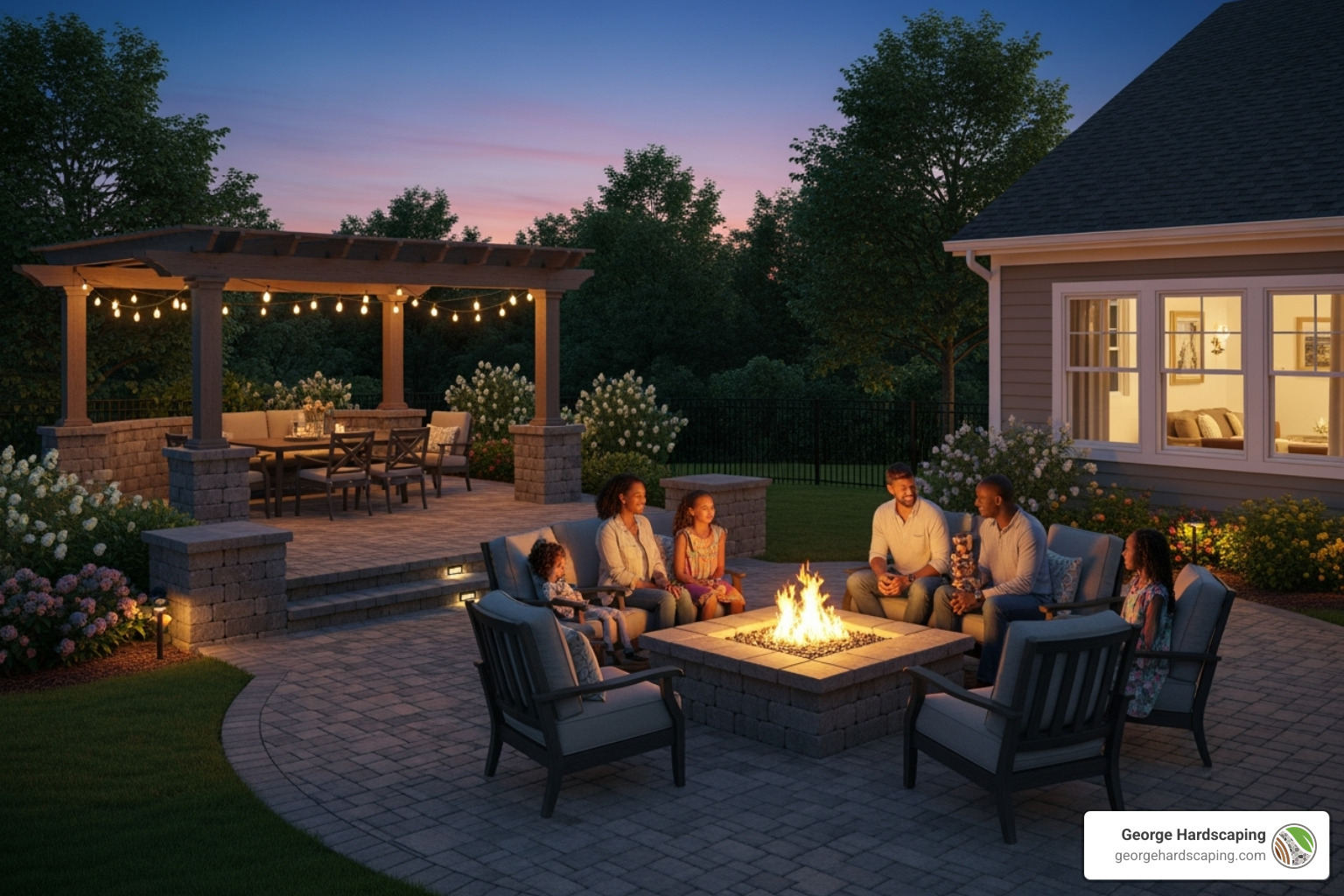
As we’ve explored, finding the right block companies near me isn’t just about picking up materials; it’s a vital step in making sure your project stands strong and looks beautiful for years to come. Think of it this way: the quality of your blocks and pavers isn’t just a detail, it’s the very foundation of your outdoor dream. Whether you’re building a sturdy structural wall or dreaming of a stunning new patio, choosing wisely makes all the difference.
You’re now well-equipped for success! You know the different types of products out there, you’ve learned how to thoroughly check out potential suppliers, and you understand the importance of planning your budget, covering everything from materials to installation and keeping things looking great long-term. With this knowledge, you’re ready to make informed choices for your home.
For our friends and neighbors right here in Essex County, MA—including Beverly, Boxford, Danvers, Essex, Georgetown, Gloucester, Ipswich, Lynnfield, Manchester-by-the-Sea, Marblehead, Newburyport, North Reading, Peabody, Rockport, Rowley, Salem, Swampscott, Topsfield, and Wenham—we’re here to help bring your outdoor vision to life. At George Hardscaping, our expert team specializes in professional design and installation for all kinds of outdoor living spaces.
We pour quality craftsmanship into every project, whether it’s a new patio for family gatherings, inviting walkways, strong retaining walls, safe and stylish steps, or a cozy custom fire pit. Our goal is always to improve both the beauty and the functionality of your outdoor areas. We’re committed to building spaces that aren’t just pretty, but truly built to last, promising you years of enjoyment. To find more about how we can transform your backyard, just explore our Hardscaping Masonry Services.
