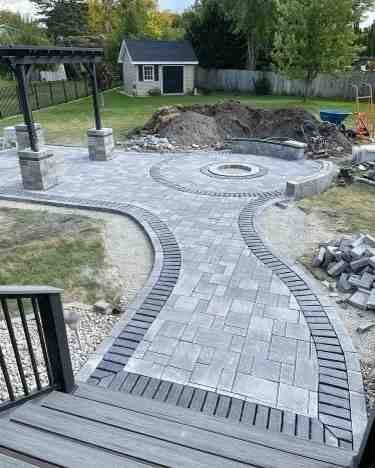
Patio Installation in Peabody MA: Top 1 Expert Service
Why Homeowners in Peabody, MA Are Choosing Professional Patio Installation
Patio Installation in Peabody MA is one of the most impactful exterior upgrades North Shore homeowners can make. A professionally designed and installed patio turns underused lawn into a comfortable, durable living area that hosts everything from quiet mornings with coffee to lively weekend cookouts. In a climate like ours—where freeze-thaw cycles, heavy rains, and humid summers test every outdoor surface—quality materials and expert installation are the difference between a patio that performs for decades and one that fails after a single winter.
A modern patio isn’t just a spot for a grill. It’s a highly functional platform for dining, lounging, outdoor kitchens, and fire features—often connected by walkways and bordered by low walls or planters for definition. For many Peabody homeowners, a patio becomes the most-used “room” from spring through late fall. When done right, it also improves curb appeal and resale potential. Industry reports regularly note that well-executed outdoor living spaces resonate with buyers. According to the National Association of Realtors Remodeling Impact Report, outdoor features can be major differentiators at resale, providing data-driven insights on exterior projects and buyer preferences.
For those considering a new patio in Peabody, here are the key factors:
- Smart Investment: A quality patio can yield a return on investment (ROI) of 10–15% depending on scope, design, and materials, while immediately improving day-to-day enjoyment.
- Durable Materials: For New England, the most resilient choices are concrete pavers, natural stone (like bluestone or granite), and clay brick. These materials withstand freeze-thaw cycles when installed over a proper base.
- Local Experience: The contractor’s local knowledge matters. Teams who build in Peabody and across the North Shore understand soils, drainage, frost heave risks, and municipal expectations.
The path to a long-lasting patio starts with proper design, site preparation, and base construction. An interlocking paver system built to industry standards resists movement, sheds water correctly, and remains easy to maintain. Homeowners across the North Shore increasingly choose professional hardscaping because the upfront precision pays dividends in longevity and lower lifetime costs. To see how a patio can transform your property, explore our professional hardscaping services in Peabody, where you’ll find examples and ideas custom to local homes and conditions.
A successful patio should:
- Complement your home’s architecture and existing landscape
- Fit your lifestyle—whether that’s a quiet reading nook or a full outdoor kitchen
- Stand up to New England’s freeze-thaw cycles and winter maintenance
- Provide safe, comfortable surfaces with good drainage and lighting
This guide gives you a clear roadmap—from material selection and layout planning to the installation process, budgeting, and contractor vetting—so you can move forward with confidence. You’ll also find references to reputable industry resources such as the Interlocking Concrete Pavement Institute for best practices and EPA guidance on permeable pavements if you’re considering eco-friendly options.
Why a New Patio is a Smart Investment for Your Peabody Home
A new patio is one of the few projects that reliably boosts both everyday enjoyment and long-term value. For families across the North Shore, Patio Installation Peabody MA creates a flexible outdoor room that welcomes everything from solo sunrise coffees to neighborhood dinners, graduation parties, and fall fireside nights. It’s a rare upgrade that appeals equally to current and future owners.
Boost Your Home’s Value and Appeal
A professionally installed patio is a tangible asset that can pay off in multiple ways:
- Measurable ROI: Well-designed patios routinely return an estimated 10–15% at resale, especially when they’re sized appropriately and integrated with the landscape.
- Emotional Impact: Listings with inviting outdoor living areas photograph better and help buyers envision a lifestyle. That emotional resonance converts to faster, stronger offers.
- Timeless Appeal: Classic materials—bluestone, brick, and stone-textured pavers—age gracefully and complement New England architecture, from Colonials to Capes.
National research shows outdoor improvements remain a top priority for homeowners. The National Association of Realtors Remodeling Impact Report consistently notes strong buyer interest in attractive, functional exterior features, while Harvard’s Joint Center for Housing Studies has reported sustained investment in outdoor projects as homeowners look to expand usable space. When you plan your project with the right partner, these benefits compound.
In a competitive Massachusetts market, a patio can lift a property out of the pack. Thoughtful lighting, seating walls, and clean transitions to doors or walkways elevate both perceived and actual value. When you work with a local, specialized team, you ensure the patio’s good looks are supported by proper base construction and drainage—essential for longevity in our climate. Review our patio installation services in Peabody to see how we design for both beauty and endurance.
Create Your Ultimate Outdoor Living Space
Your patio should be tailored to how you live:
- Entertaining Hub: Designate a grilling or outdoor kitchen zone, pair it with a roomy dining area, and add low-voltage lighting for evening ambiance.
- Four-Season Enjoyment: Integrate a custom fire feature to extend the season and make cool evenings comfortable; explore outdoor fire pits to spark ideas.
- Everyday Comfort: Include a quiet lounge area, shade structures, or pergolas and plantings for privacy.
- Future-Ready: Plan electrical conduit for speakers or heaters, and add footings where a pergola or pavilion might be added later.
New England patios benefit from design that anticipates winter use and care—straight shovel paths, robust edge restraints, and surfaces that are easy to clear. And because a patio can be the foundation for future upgrades, we encourage a master plan approach: phase 1 might be the core patio; phase 2 could add seat walls, step transitions, or a built-in grill. Whether your goal is a compact stone terrace or a large, multi-zone hardscape, our patio design and installation services in Peabody align layout, materials, and budget with your vision.
Designing Your Perfect Patio: Materials and Styles for New England
Selecting the right materials is crucial to both the look and longevity of your Patio Installation Peabody MA. Our climate demands surfaces that handle freeze-thaw cycles, drain properly, and remain comfortable underfoot in summer heat.
Popular Patio Materials: A Closer Look
For the North Shore climate, three categories stand out:
- Concrete Pavers: Engineered for strength and interlock, modern pavers offer endless shapes, colors, and textures—from rustic cobbles to sleek contemporary slabs. Many meet ASTM C936 for solid concrete interlocking paving units, indicating excellent compressive strength and durability. Pavers can mimic natural stone while providing uniform thickness for smooth installation and easy replacement of individual units.
- Natural Stone: Bluestone (a form of sandstone), granite, and other dense stones bring timeless beauty with inherent color variation and texture. Stone is a premium investment but delivers exceptional curb appeal and longevity when installed over a proper base with good drainage.
- Clay Brick: With classic New England character, brick supports patterns like herringbone and basketweave. Quality brick pavers resist wear and suit historic homes, garden paths, and intimate courtyard patios.
This table compares the most common options:
| Feature | Concrete Pavers | Poured Concrete | Natural Stone |
|---|---|---|---|
| Cost | Moderate to High | Low to Moderate | High |
| Durability | Excellent; handles freeze-thaw well | Moderate; prone to cracking over time | Excellent; very long-lasting |
| Maintenance | Low; sweeping, cleaning, re-sanding joints | Moderate; sealing and crack repair | Low; occasional cleaning |
| Design Flexibility | High; many shapes, colors, patterns | Moderate; can be stamped or stained | Moderate; unique pieces, fewer pattern options |
| Repair | Easy to replace individual units | Difficult; patching/resurfacing | Moderate; may require careful stone matching |
For inspiration, explore premium product lines and colorways from manufacturers like Belgard to see what’s possible across styles and budgets.
Why Pavers Are a Top Choice in Peabody, MA
Concrete pavers are a leading choice in our area because they combine performance and design flexibility:
- Flexibility and Interlock: The small-unit design allows minor movement with freeze-thaw cycles, preventing the large cracks common with monolithic slabs.
- Ease of Repair: A stained or damaged paver can be swapped in minutes without disturbing the surrounding field.
- Pattern and Border Options: Mix textures, sizes, and colors for borders, inlays, and transitions that lift the design.
- Permeable Options: Permeable paver systems allow water to infiltrate, reducing runoff and puddling. If you’re interested in stormwater-friendly designs, review EPA guidance on permeable pavements to understand how they improve on-site drainage and water quality.
For build quality, we adhere to Interlocking Concrete Pavement Institute best practices on base preparation, edge restraint, and jointing, ensuring a patio that performs for decades. Learn how we implement these standards in our patio installation services in Peabody.
Design Considerations for the New England Climate
Engineering a patio for New England requires attention to details that aren’t always visible but are essential for longevity:
- Subgrade and Base Preparation: Soil is excavated to the required depth, then we install a compacted, angular aggregate base (often 6–12 inches depending on soils and loads) separated from native soils by a geotextile fabric where needed. Proper gradation (per aggregate specifications like ASTM D448) and compaction prevent settlement and heaving.
- Slope and Drainage: Finished surfaces are graded—typically 1–2% slope—to move water away from the house and into landscape areas or drains. We avoid trapping water against foundations or hardscape edges.
- Freeze-Thaw Strategy: Frost-heave resistance comes from the right base thickness, free-draining aggregates, and edge restraints that lock the system in place.
- Snow and Ice Management: We design shovel- and snowblower-friendly layouts and advise on de-icers appropriate for pavers and stone to protect finishes.
- Lighting and Safety: Low-voltage LED lighting improves nighttime use and safety; ENERGY STAR certified outdoor lighting can reduce energy use while enhancing ambiance.
We combine these engineering principles with creative layout planning—considering door clearances, furniture footprints, grill safety zones, and step transitions—to deliver patios that look beautiful on day one and remain solid through many winters. For stone steps, seat walls, and other masonry features that pair with patios, explore our masonry services for durable construction.
The Expert Patio Installation Process in Peabody, MA: From Start to Finish
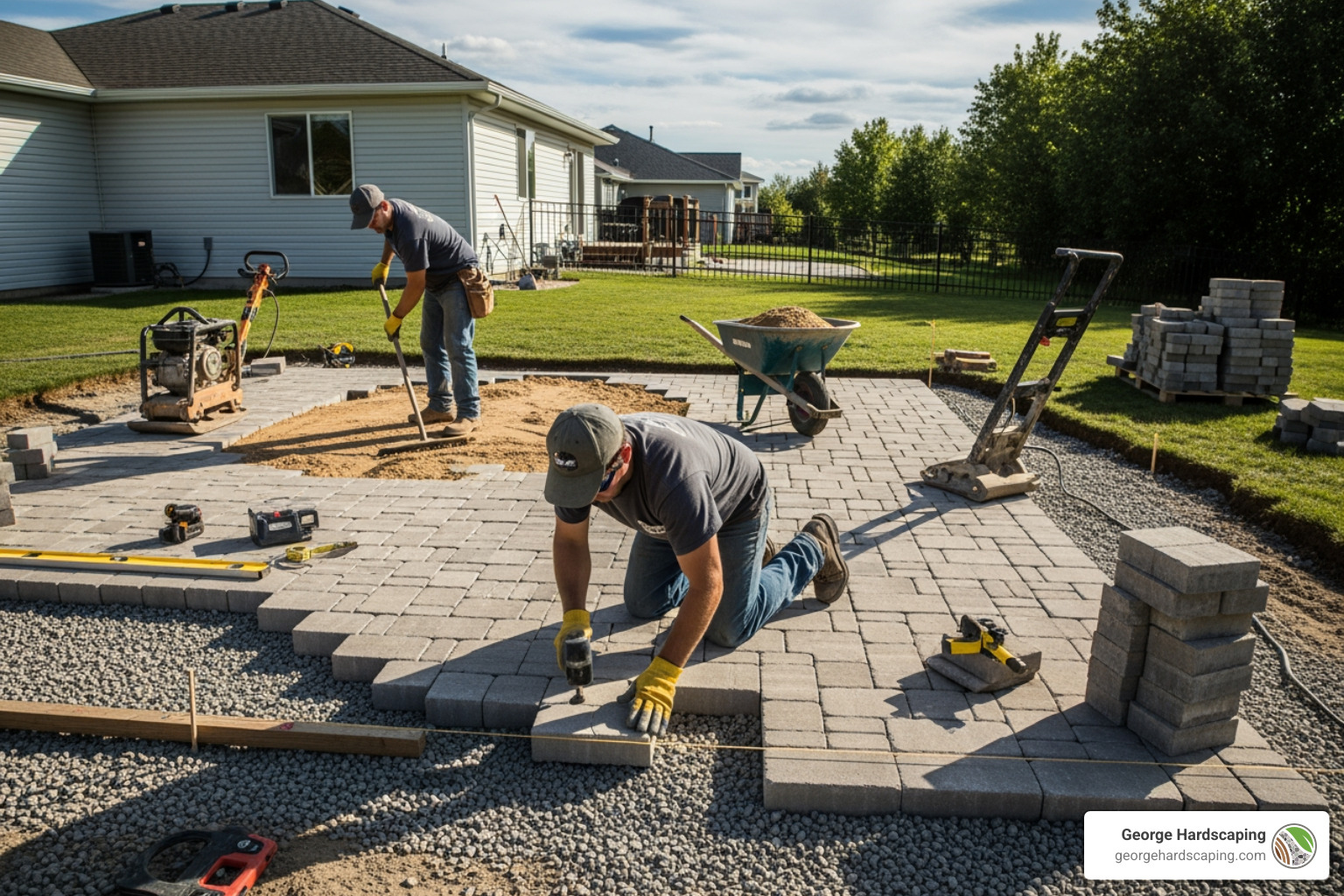
A professional Patio Installation Peabody MA follows a refined, step-by-step process to ensure efficiency, quality, and safety from concept through completion. Clear communication and disciplined site practices are just as important as the craftsmanship you see in the final product.
Step 1: Consultation, Planning, and Custom Design
We start with a site meeting to understand how you’ll use the space, review access and grade conditions, and discuss materials, patterns, and borders. We help you size the patio for real furniture and circulation, consider future phases (like a pergola or outdoor kitchen), and establish a realistic budget. When beneficial, we provide 3D mockups to help you visualize shape, steps, and lighting.
Step 2: Permitting and Utility Locates
Most ground-level patios don’t require a building permit in Peabody, but site-specific details may trigger approvals—setbacks, conservation areas, or structures like pergolas, kitchens, and gas lines. We advise on any requirements and can coordinate with the Peabody Building Department for clarity. Before digging, we request utility locates per state law. In Massachusetts, you must call 811; learn more at the state’s Dig Safe resource so all underground lines are identified and protected.
Step 3: Site Preparation and Excavation
We mark the layout to scale, then excavate to the design depth to accommodate base layers and paver thickness. Good excavation includes managing topsoil, identifying unsuitable soils, and shaping subgrade to promote drainage away from the home. If soils are clayey or disturbed, we often add a geotextile fabric to separate the base from subgrade for stability.
Step 4: Building a Rock-Solid Foundation
Longevity depends on the base. We install and compact layers of angular aggregate—depth varies by soil and expected loads—following industry best practices from the Interlocking Concrete Pavement Institute. Grades are set for a 1–2% surface slope away from structures. A screeded sand setting bed (typically 1 inch) provides a uniform platform for pavers.
Step 5: Laying, Cutting, and Edge Restraints
We place pavers in your chosen pattern, making precise cuts at borders, steps, and around features. Perimeter edge restraints are installed to lock the system and prevent lateral movement. Attention to bond lines and consistent joint spacing ensures a crisp, professional appearance.
Step 6: Jointing, Compaction, and Sealing
Polymeric sand is swept into joints and activated with water to create a stabilized, weed- and insect-resistant joint. We then compact the surface to fully seat the pavers into the bedding layer. Sealing is optional; quality sealers can enrich color and resist staining. We will discuss finish options appropriate for your chosen materials and goals.
Step 7: Final Walkthrough and Care Guidance
We conduct a final walkthrough, confirm quality against plan, review snow and ice care, and discuss ongoing maintenance such as occasional cleaning and joint top-ups as needed. You’ll receive guidance on furniture pads, grill placement, and recommended de-icers to protect finishes.
Project timelines vary with size and complexity. A straightforward patio might take 2–4 days once on site; larger builds with steps, walls, and lighting can take 1–2 weeks. Weather buffers are built into scheduling, especially during early spring and late fall. To see this craftsmanship in action and request a tailored plan, explore our expert patio installation services in Peabody.
Choosing the Right Patio Contractor in Peabody, MA
The success of your Patio Installation Peabody MA depends on the contractor you hire. You want a partner who blends design know-how with meticulous site work, follows industry standards, and stands behind the finished product. Local expertise is critical in New England, where frost, drainage, and soil variability test every outdoor surface.
Key Qualities of a Top-Tier Installer
- Extensive Local Experience: Seek a company with a robust North Shore portfolio and repeat clients. Familiarity with regional soils, slopes, and freeze-thaw behavior translates to better base design and detailing.
- Strong Local Portfolio and References: Reputable contractors readily share addresses, photos, and references for projects similar to yours.
- Positive Customer Feedback: Look for consistent comments on communication, cleanliness, schedule honesty, and punch-list follow-through.
- Proper Licensing and Insurance: In Massachusetts, verify Home Improvement Contractor (HIC) registration and appropriate insurance (liability and workers’ comp). Learn how to verify a Home Improvement Contractor registration through the state’s consumer resources, and confirm any applicable Construction Supervisor License (CSL) via Massachusetts CSL lookup guidance.
- Industry Training and Standards: Membership and training through organizations like the Interlocking Concrete Pavement Institute indicate adherence to proven methods and specs.
Consider additional due diligence:
- Third-Party Standing: Check ratings and complaint history with the Better Business Bureau for a broader view of reputation.
- Detailed Scope and Warranty: Expect a written, itemized proposal with materials, base depth, edge restraint type, drainage approach, and warranty terms clearly stated.
Questions to Ask Before You Hire
- What base depth and aggregate gradation will you use for my soil conditions, and how will you compact it?
- How will you handle drainage and slope away from the house?
- Who is on the crew daily, and who supervises the site?
- What is your communication process for weather delays or surprises underground?
- What does your warranty cover (materials, labor, settlement) and for how long?
A contractor who answers these questions transparently and with technical clarity will likely deliver a patio that looks great and lasts. If you’re ready to compare options and timelines, start with a clear, itemized quote—request a reliable estimate for your patio project from our team of patio contractors in Peabody.
Your New Patio: Budgeting, Maintenance, and FAQs
Understanding the investment and long-term care for your patio sets you up for a smooth project and a surface that looks beautiful for years. Below, we outline realistic budget ranges, cost drivers, and a maintenance routine tuned for New England.
How Much Does Patio Installation Cost in Peabody, MA?
Every patio is unique, but typical Massachusetts ranges (not specific to any one contractor) are:
- Core Patio with Concrete Pavers: Approximately $20–$40 per square foot depending on paver style, border complexity, base depth, and site access.
- Premium Large-Format or Textured Pavers: Approximately $30–$50+ per square foot for specialty products or intricate inlays.
- Natural Stone (e.g., bluestone): Often $45–$75+ per square foot depending on stone type, thickness, patterning, and sourcing.
Common add-ons and variables:
- Steps and Elevation Changes: Stone or paver steps, landings, and risers add materials and masonry time.
- Retaining or Seat Walls: Decorative seat walls, pillars, or retaining elements increase scope but add function and visual interest.
- Subsurface Conditions: Soft or disturbed soils may require thicker base or geotextile separation for stability.
- Drainage Improvements: French drains, catch basins, or grading to redirect runoff protect both patio and foundation.
- Lighting and Electrical: Conduit, low-voltage lighting, and receptacles for future heaters or speakers are best planned at installation.
- Access Constraints: Tight sites or limited equipment access can affect labor time.
A modest patio might total $4,000–$8,000; larger or more custom designs commonly range $12,000–$25,000+. The best way to set a budget is with a detailed site visit and scope discussion—request a precise, line-item estimate so you can tailor size, features, and materials to your goals.
Caring for Your Newly Installed Patio
With today’s materials and polymeric joint sands, paver and stone patios are low-maintenance. A simple routine keeps them looking fresh and performing well:
- Regular Cleaning: Sweep debris as needed. For deeper cleaning, use a mild, pH-neutral soap with water and a soft brush. If using a pressure washer, keep pressure low and the nozzle moving to protect the surface and joints.
- Stain Management: Treat grease or wine spills promptly with a cleaner suited to your material. Many paver manufacturers recommend specific cleaners—follow product guidance for best results.
- Joints and Edge Care: Polymeric sand deters weeds and insects. Over time, high-traffic or plow areas may need a joint top-up; we can advise on timing and products.
- Winter Practices: Use a plastic shovel or a snow blower with a rubber scraper to avoid scratching. If de-icing is necessary, use products approved for concrete pavers or natural stone, and avoid corrosive salts that can damage surfaces and metal accessories.
- Optional Sealing: Sealing can enrich color and resist stains. In high-traffic or heavily shaded areas, reseal every few years as needed based on manufacturer guidance.
Prefer to outsource winter care? We offer seasonal snow removal services for patios in Peabody to protect your investment during storms.
Budget Planning Tips
- Phase Intelligently: If your dream design exceeds today’s budget, build the core patio now and add seat walls, lighting, or a pergola later. Pre-run conduit or footings during the initial phase to save time and money later.
- Choose Versatile Materials: Neutral tones and classic patterns age best, simplify furniture pairing, and appeal to future buyers.
- Align Size to Use: A dining set and grill need clearances; a 12’x16’ patio often fits a table for six with comfortable circulation, while larger lounge sets need more.
When you’re ready to put numbers to ideas, request your free, no-obligation estimate and we’ll build a transparent scope and schedule around your property, style, and budget.
Frequently Asked Questions about Patio Installation
Here are answers to common questions we receive about Patio Installation Peabody MA—covering permits, longevity, slopes, timelines, and winter care.
Do I need a permit for a patio in Peabody, MA?
Most ground-level patios don’t require a building permit, but certain conditions can trigger approvals—like proximity to property lines, conservation jurisdictions, or when your project includes structures (pergolas, roofed covers) or utilities (gas lines for fire features). It’s always smart to verify current rules with the Peabody Building Department on the city’s official website. A professional contractor will confirm requirements and coordinate any necessary permits.
How long does a paver patio last?
With proper installation and routine care, a paver patio can last 25–50 years or more. Longevity depends on a well-compacted base, correct slopes for drainage, quality edge restraints, and maintenance like joint top-ups when needed. Following Interlocking Concrete Pavement Institute standards is key to achieving this lifespan.
Can a patio be installed on a sloped yard?
Yes. Sloped yards often inspire the most dynamic designs. We can incorporate low retaining walls to create level terraces, integrate steps between levels, and manage drainage so water moves safely away from structures. This requires expertise in both masonry and grading—our masonry and hardscaping services deliver the engineering and craftsmanship needed for long-term stability.
How long does installation take?
Once on site, a simple patio might take 2–4 days. Multi-level designs with steps, walls, and lighting may take 1–2 weeks. Lead times vary by season; spring and early summer book quickly, so it’s wise to schedule a design consultation early.
Which de-icers are safe for pavers and natural stone?
Use de-icers approved for concrete pavers or stone and avoid over-application. Sand can add traction without chemical effects. When in doubt, consult manufacturer literature and industry guidance; ENERGY STAR has helpful resources on efficient outdoor lighting and usage that pairs well with winter-safe practices.
What if I want a permeable patio for better drainage?
Permeable interlocking pavers are a great option to reduce runoff, minimize puddling, and promote on-site infiltration. These systems use open-graded stone beneath the pavers to store and slowly release stormwater. Review EPA guidance on permeable pavements to see how they can improve drainage and water quality on your property.
Will you call utility locates before digging?
Yes. In Massachusetts, calling 811 is required before any excavation. Learn more at the state’s Dig Safe resource so that gas, electric, water, and communications lines are located and marked prior to excavation.
Have more questions? Our team is happy to walk you through design options, timelines, and materials—and to build a plan that fits your home and budget.
Conclusion
Transforming your backyard with a professionally installed patio is one of the most rewarding improvements you can make. In Peabody, MA—where durability and drainage are non-negotiable—expert planning and installation yield a beautiful, long-lasting outdoor space that elevates daily living and adds measurable value to your home. When you select climate-ready materials and a contractor who follows industry standards, your patio will look great and perform for decades.
Ready to bring your space to life? Request your free, no-obligation estimate today and we’ll create a tailored plan for your property. Prefer to start with concepts and layout? Schedule your patio design consultation with our local team of patio specialists in Peabody and take the first step toward your perfect outdoor living area.