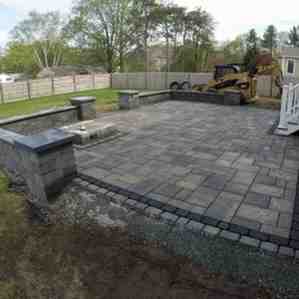
Retaining Wall Cost: Top 5 Factors to Consider in 2024
Why Retaining Wall Costs Matter
When thinking about a retaining wall, understand the retaining wall cost. For homeowners aiming to expand usable yard space, improve curb appeal, or prevent soil erosion, a retaining wall can be a transformative addition. On average, building a retaining wall in 2024 will cost between $3,500 and $9,400, but prices can range from as low as $1,200 to as high as $13,700 depending on several factors.
Here’s a quick rundown of the essentials:
- National Average Cost: $6,300
- Typical Price Range: $3,500 – $9,400
- Extreme Low-End Cost: $1,200
- Extreme High-End Cost: $13,700
Retaining walls aren’t just about utility; they add value to your home, offering both aesthetic beauty and practical benefits. They can act as a protective barrier against erosion, manage water runoff, and create more functional outdoor spaces. For anyone in Essex County or the North Shore, where managing soil erosion and enhancing property aesthetics are key, building a retaining wall is a wise investment.
Understanding Retaining Wall Costs
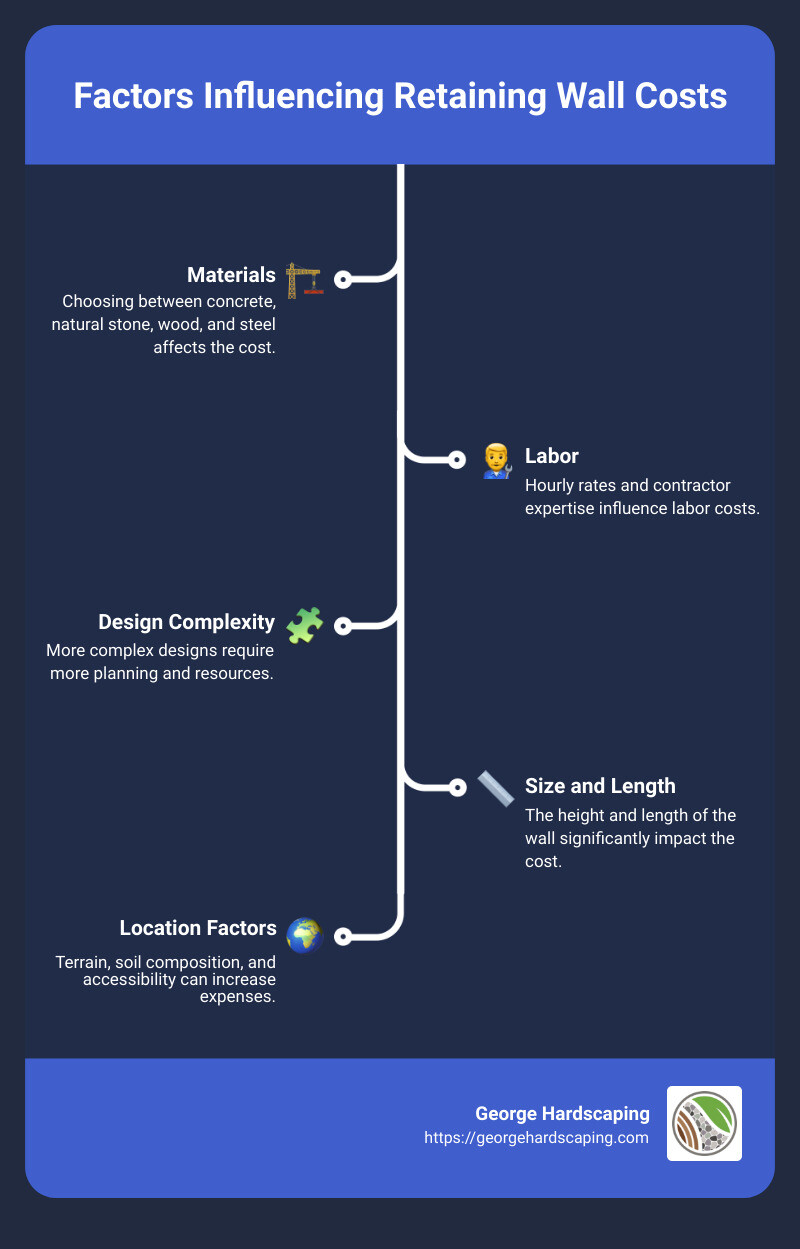
When planning to build a retaining wall, understanding the costs involved is crucial. Let’s dive into the different factors that influence retaining wall costs, focusing on materials, labor, and design complexity.
Types of Materials and Their Costs
The material you choose for your retaining wall significantly impacts the overall cost. Here are some common materials and their price ranges:
- Concrete: $20
- Natural Stone: $25
- Wood: $10
- Steel: $65
Concrete is a popular choice because it’s durable and versatile. Natural stone offers a high-end look but comes with a higher price tag. Wood is an affordable option but may require more maintenance over time. Steel is extremely durable but expensive, especially for large projects.
Labor Costs Explained
Labor costs can vary widely based on several factors, including the project’s complexity and the contractor’s expertise. Here’s a breakdown of what you can expect:
- Hourly Rates: $50
- Project Complexity: Simple walls can be built quickly, but complex designs or challenging terrains can increase labor costs.
- Contractor Expertise: Skilled workers may charge more, but their expertise can result in a more durable and attractive wall.
For example, building a retaining wall with interlocking blocks is generally quicker and cheaper than constructing one with natural stone, which requires more skill and time.
Factors Influencing the Cost of Retaining Walls
When planning a retaining wall, several factors can impact the cost. Here’s a breakdown of what you need to consider to estimate your retaining wall cost accurately.
Impact of Wall Size and Design
Height and Length: The size of your wall is a major factor. Taller and longer walls require more materials and labor. For example, walls over 4 feet often need permits and structural support, which can increase costs.
Structural Demands: Complex designs, like curved walls or those with built-in features (e.g., seating or lighting), will also add to the cost. A simple straight wall is cheaper to build than a multi-tiered structure.
Location and Environmental Factors
Terrain: The location of your wall affects the cost. Sloped or uneven terrain requires more preparation and can complicate construction. For instance, if your yard is hilly, expect higher costs due to additional groundwork.
Soil Composition: The type of soil impacts both design and cost. Sandy soils are easier and cheaper to work with, while clay soils may need extra reinforcement and drainage solutions, increasing the overall expense.
Accessibility: If your site is hard to reach, it will cost more to transport materials and equipment. Urban areas with restricted access can be especially pricey.
Materials: The choice of materials significantly affects your budget. Options like vinyl and gabion are cheaper, ranging from $10 to $40 per sq. ft., while natural stone and steel are more expensive.
Labor: Labor costs vary widely based on location and project complexity. Typically, labor costs range from $50 to $100 per hour. More complex projects take longer and thus cost more.
Drainage: Proper drainage is crucial to prevent water damage. Installing drainage systems can add between $2 and $10 per sq. ft. to your overall cost but is essential for the wall’s longevity.
Permits: Depending on your local regulations, you may need a permit for walls taller than 4 feet. Permit costs range from $40 to $450, adding to the total expense.
Cost Estimation and Planning for Your Retaining Wall
How to Estimate Your Retaining Wall Cost
Estimating the cost of a retaining wall involves several steps:
1. Calculate Square Footage:
Measure the length and height of the wall. Multiply these numbers to get the total square footage. For example, a wall that is 20 feet long and 4 feet high has 80 square feet of surface area.
2. Choose Your Material:
Different materials have different costs. For instance, wood is generally cheaper but may require more maintenance. Concrete and natural stone are more durable but can be pricier.
- Wood: $15 to $25 per sq. ft.
- Concrete Blocks: $20 to $45 per sq. ft.
- Natural Stone: $25 to $75 per sq. ft.
- Steel: $30 to $60 per sq. ft.
3. Include Labor Costs:
Labor costs vary by location and complexity. On average, expect to pay between $50 and $100 per hour for professional installation. For a straightforward project, labor might cost around $1,500 to $4,000.
4. Add Additional Costs:
Don’t forget to factor in permits, drainage solutions, and waterproofing. These can add another $2 to $10 per sq. ft. For permits, expect costs ranging from $50 to $450.
Budgeting Tips for Retaining Wall Installation
Here are some tips to keep your retaining wall project within budget:
1. Cost-Saving Materials:
– Use Recycled Materials: Some contractors offer recycled concrete or stone at reduced prices.
– Mix Materials: Combine cheaper materials like wood with more expensive ones like steel for a balanced look and cost.
2. Seasonal Considerations:
– Plan Your Project in Spring or Fall: Labor costs can be higher in winter due to the difficulty of digging through frozen ground. Scheduling in milder seasons can save you money.
3. DIY Potential:
– Small Projects: If your wall is under 2 feet tall, you might consider a DIY approach using wood or dry-stacked stone. This can save on labor costs but requires careful planning and execution.
4. Get Multiple Quotes:
– Compare Contractors: Get at least three quotes from reputable contractors. This helps ensure you get a fair price and understand what’s included in each quote.
5. Combine Projects:
– Bundle Services: If you have additional landscaping needs, see if you can bundle them with your retaining wall project. Contractors may offer discounts for larger jobs.
By following these steps and tips, you can effectively estimate and budget for your retaining wall, ensuring you get the best value for your investment.
Next, we’ll address some frequently asked questions about retaining wall costs.
Retaining Wall Cost: FAQs
What’s the Cheapest Type of Retaining Wall?
When it comes to affordability, wood and masonry blocks are your best options for building a retaining wall.
- Wood: Using wood, particularly rail ties or six-by-six pressure-treated wood, can be very cost-effective. For a DIY project, 100 square feet of wood can cost as little as $1,000 to $1,200. For professional installation, expect to pay between $2,200 and $4,600.
- Masonry Blocks: Small concrete blocks are another budget-friendly choice. DIY installation for 100 square feet ranges from $1,000 to $2,300. If you hire a professional, the cost increases to $2,200 to $4,000.
How Long Do Retaining Walls Last?
The longevity of your retaining wall depends on the material you choose and how well you maintain it.
- Masonry Materials: Walls made from concrete, stone, or brick can last 50 to 100 years. These materials are highly durable and require minimal maintenance.
- Wood: Wooden retaining walls have a shorter lifespan, generally lasting up to 40 years. Regular maintenance, such as sealing and treating the wood, can help extend its life.
Maintenance Tips:
- Regular Inspections: Check your wall periodically for signs of wear and tear.
- Proper Drainage: Ensure your wall has adequate drainage to prevent water damage.
- Timely Repairs: Address minor issues before they become major problems.
Do I Need a Permit to Build a Retaining Wall?
Permit requirements for retaining walls vary by location and wall height.
- Height Regulations: In many municipalities, walls taller than 4 feet require a permit. Some areas might even require permits for shorter walls.
- Local Laws: Always check with your local building department to understand the specific regulations in your area. Permit costs typically range from $40 to $450.
Key Points to Consider:
- Structural Support: Walls over 4 feet often need additional structural support, making professional installation advisable.
- Safety: Permits ensure that your wall meets safety standards, protecting your property and investment.
By understanding these key cost factors, you can make informed decisions about your retaining wall project. Next, we’ll explore why choosing George Hardscaping is the best decision for your retaining wall needs.
Conclusion
Why Choose George Hardscaping?
Choosing the right company for your retaining wall project is crucial. Here at George Hardscaping, we bring a wealth of experience and local expertise to every job. Let’s summarize why we stand out and how we can make your retaining wall project a success.
Professional Installation Benefits
Hiring professionals like us ensures your retaining wall is built to last. Retaining walls can collapse if not installed correctly, causing damage and additional costs. With our team, you avoid these risks. We understand the complexities of wall height, structural support, and proper drainage, ensuring your wall stands strong for years.
Local Expertise
We know the North Shore area well. This means we understand the soil types, weather conditions, and local regulations. Our local expertise allows us to tailor each project to the specific needs of your property, ensuring optimal performance and durability.
Quality Craftsmanship
Quality is at the heart of what we do. We use durable materials like rock, concrete, stone, and brick, which are designed to withstand harsh weather and require minimal maintenance. Our skilled team pays attention to every detail, from design to installation, ensuring your retaining wall looks great and functions perfectly.
Custom Designs
Every property is unique, and so are our solutions. We work closely with you to understand your vision and preferences. Our landscape architects create custom designs that improve your home’s aesthetic appeal while providing the necessary structural support. Whether you want a rustic stone wall or a sleek concrete barrier, we can bring your vision to life.
Customer Satisfaction
At George Hardscaping, your satisfaction is our priority. We provide transparent cost estimates and keep you informed throughout the project. Our goal is to deliver a retaining wall that meets your needs and exceeds your expectations.
Ready to transform your property with a beautiful and functional retaining wall? Contact George Hardscaping today for a personalized estimate and expert advice.
By choosing George Hardscaping, you’re investing in quality, expertise, and a stunning landscape feature that adds value to your home. Let’s build something great together.