
Permeable Driveway Surface Options: Top 5 Eco-Friendly Picks
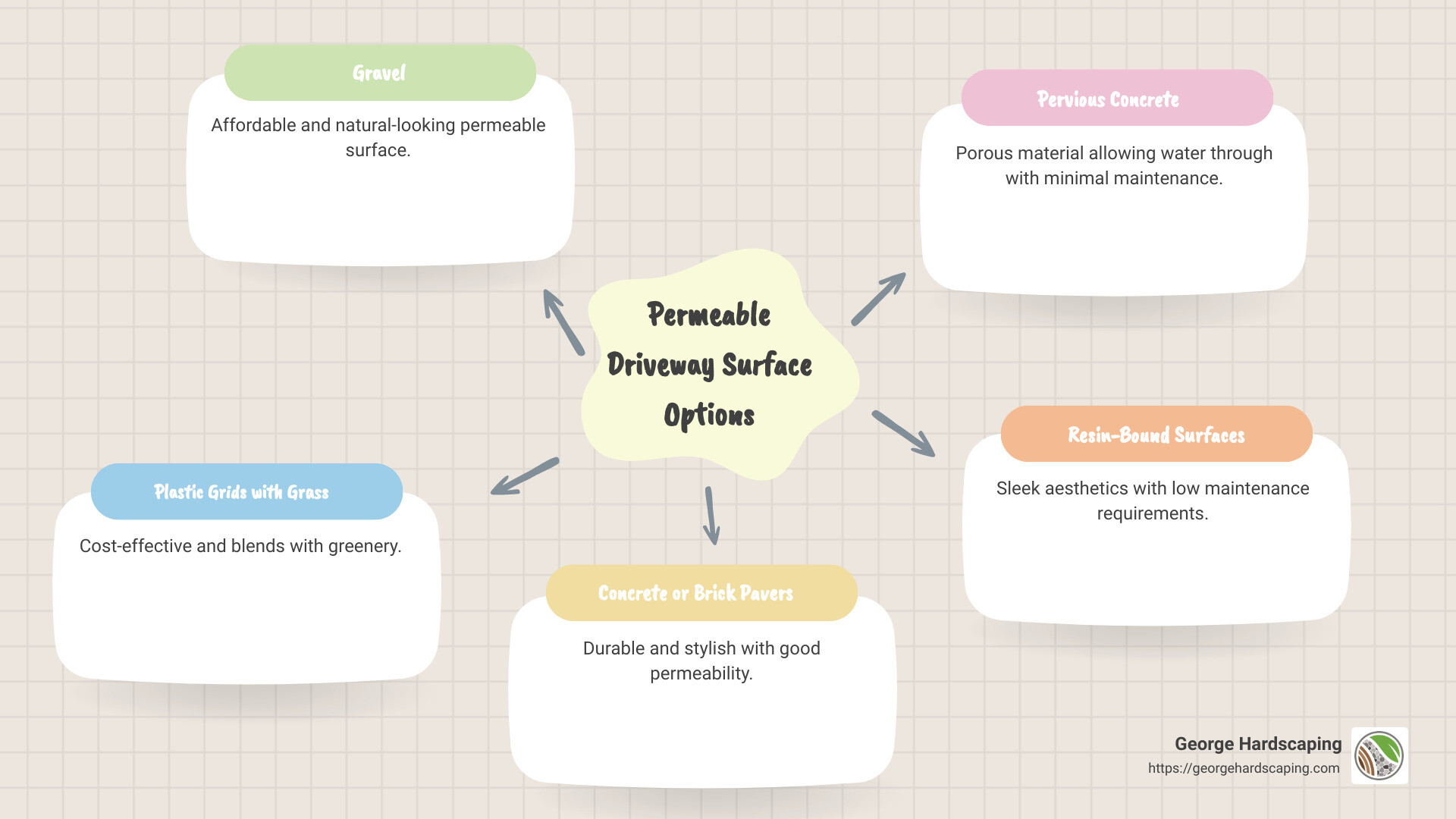
When it comes to eco-friendly home improvements, permeable driveway surface options are a standout choice. They not only boost the appearance of your property but also offer significant environmental benefits. Here’s a quick look at your choices:
- Gravel: Affordable and natural-looking.
- Plastic Grids with Grass: Cost-effective and blends with greenery.
- Concrete or Brick Pavers: Durable and stylish.
- Pervious Concrete: Allows water through with minimal maintenance.
- Resin-Bound Surfaces: Offers sleek aesthetics and low maintenance.
Installing a permeable driveway is about more than just aesthetics. These innovative surfaces help with sustainable drainage and groundwater recharge. By letting water seep through, rather than running off, they reduce flooding and refresh local water supplies.
For homeowners in Essex County, MA, looking to manage soil erosion while elevating their outdoor spaces, these options provide a durable solution that keeps both beauty and sustainability in mind.
Understanding Permeable Driveway Surface Options
When you choose a permeable driveway surface, you’re investing in more than just a pretty front yard. These surfaces allow water to pass through, soaking into the ground rather than running off. This helps to prevent water from pooling and reduces the risk of flooding.
Permeable Surfaces: The Basics
Permeable surfaces are designed with materials that let water pass through. Think of them as a sponge for your driveway. They are different from traditional driveways, which often repel water, causing it to flow into storm drains.
Here’s how it works: when rain falls, it seeps through the gaps in the surface. The water then filters down into the soil, replenishing local groundwater supplies. This process helps maintain the natural water cycle and can prevent issues like soil erosion and flooding.
Water Absorption: A Key Feature
The ability of permeable surfaces to absorb water is crucial. It means less water runs off into streets and drains, which can get overwhelmed during heavy rains. This absorption reduces the burden on municipal drainage systems and lessens the chance of floods.
By soaking up rainwater, these surfaces also trap pollutants, stopping them from reaching our waterways. This helps keep local rivers and lakes cleaner, benefiting both wildlife and people.
Environmental Benefits of Permeable Driveways
Choosing a permeable option is a step towards a more sustainable future. Here’s why:
- Replenishes Groundwater: By allowing rainwater to sink into the ground, permeable surfaces help refill underground water reserves. This is crucial in areas prone to drought.
- Reduces Urban Heat: Traditional driveways can get hot and contribute to the urban heat island effect. Permeable options, especially those with light colors, stay cooler and reflect more sunlight.
- Supports Local Ecosystems: With less stormwater runoff, local plants and animals enjoy a healthier habitat. The water that does reach streams and rivers is cleaner, too.
In conclusion, permeable driveway surface options not only improve your home’s curb appeal but also offer substantial environmental benefits. By choosing these surfaces, you’re making a smart choice for both your property and the planet.
Top Permeable Driveway Materials
When it comes to permeable driveway surface options, there are several materials to consider, each with its own set of benefits and drawbacks. Let’s explore the top choices:
Gravel
Gravel driveways are a popular choice for those looking for affordability and a natural look. Gravel is cost-effective and easy to install, making it an attractive option for many homeowners. However, it does require regular maintenance to manage weeds and refill displaced stones. Despite this, its natural, rustic appearance and excellent water permeability make it a favorite for eco-conscious property owners.
Grass with Plastic Grid
Grass driveways, reinforced with plastic grids, offer an eco-friendly and cost-effective solution. These grids stabilize the ground, allowing grass to grow through while providing a sturdy surface for walking or driving. Installation involves laying the grids on a sub-base and filling them with soil and grass seed. This option not only looks lush and green but also allows for excellent water absorption, reducing runoff and supporting local ecosystems.
Concrete or Brick Pavers
Concrete or brick pavers bring durability and aesthetic appeal to the table. These pavers can be arranged in various patterns and colors, offering a stylish look that complements many home designs. While the pavers themselves are not permeable, the gaps between them allow water to seep through. Regular maintenance, such as cleaning debris from the joints, is necessary to maintain their permeability. Their robust nature ensures a long-lasting surface that can handle significant foot and vehicle traffic.
Pervious Concrete
Pervious concrete is a porous material that provides a solid surface with the added benefit of water permeability. Unlike traditional concrete, it allows water to pass through its structure, reducing runoff and helping to manage stormwater. Installation is similar to regular concrete but requires careful attention to prevent clogging of its pores. Regular maintenance is crucial to keep it functioning effectively, making it a practical yet slightly demanding choice for those committed to sustainability.
Resin-Bound Surfaces
Resin-bound surfaces are a stylish and relatively maintenance-free option. These surfaces are SuDs compliant, meaning they meet sustainable drainage standards. The resin-bound method involves mixing resin with aggregates, creating a smooth and durable surface that allows water to drain through. While the initial cost can be higher, the low maintenance and aesthetic versatility often justify the investment. Homeowners appreciate the variety of colors and finishes available, which can improve the visual appeal of any driveway.
Each of these materials offers unique advantages, from the affordability and natural charm of gravel to the durability and sleek aesthetics of resin-bound surfaces. By considering factors like maintenance needs, installation complexity, and environmental impact, you can select the best permeable driveway material to suit your needs and improve your home’s curb appeal.
Benefits of Permeable Driveways
Permeable driveways offer a host of benefits that go beyond just aesthetics. They play a crucial role in environmental management and can significantly improve the sustainability of your property.
Flood Prevention
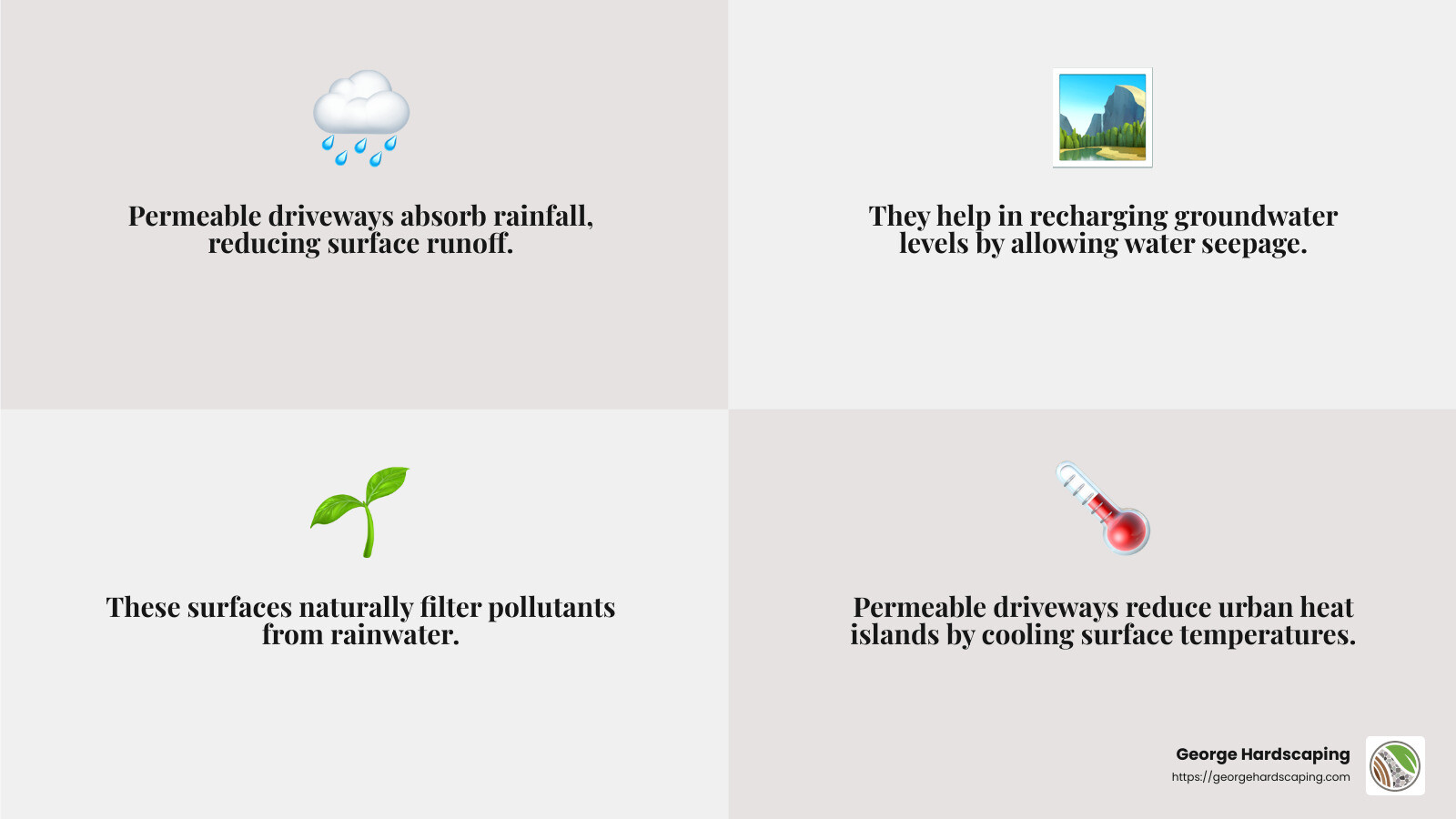
One of the primary advantages of permeable driveways is their ability to prevent flooding. Traditional driveways are impermeable, causing rainwater to flow into storm drains, which can lead to flooding during heavy rainfall. Permeable surfaces, however, allow water to seep through and gradually enter the ground. This reduces the burden on municipal drainage systems and lowers the risk of water pooling in your yard or street.
Pollutant Filtration
Permeable driveways also help filter pollutants from stormwater. As water passes through the layers of a permeable surface, it is naturally filtered by the soil and other materials. This process removes contaminants such as oils, metals, and other chemicals, improving the quality of groundwater. By choosing a permeable driveway, you contribute to cleaner local waterways and a healthier ecosystem.
Heat Reduction
In urban areas, the “heat island” effect is a significant concern. Traditional asphalt and concrete absorb and retain heat, raising temperatures in surrounding areas. Permeable driveways, however, typically use materials that reflect more sunlight and allow air to circulate through the surface. This results in a cooler driveway, which can help lower the overall temperature around your home, providing a more comfortable environment during hot weather.
In summary, permeable driveways not only improve the look of your property but also offer important environmental benefits. They help manage stormwater effectively, filter out pollutants, and reduce heat, making them a smart and sustainable choice for eco-conscious homeowners.
Next, let’s tackle some frequently asked questions about permeable driveways, including the best materials and potential drawbacks.
Frequently Asked Questions about Permeable Driveways
What is the best permeable driveway surface?
Choosing the best permeable driveway surface often depends on your specific needs and preferences. Here are some popular options:
- Gravel: A cost-effective and natural-looking option. Gravel is great for water absorption but may require regular maintenance to manage weeds and refill displaced stones.
- Grass with Plastic Grid: This combines the beauty of grass with the stability of a grid system. It’s eco-friendly and supports water drainage, but may not be as durable under heavy vehicle loads.
- Concrete or Brick Pavers: Known for their durability and aesthetic appeal. These pavers allow water to seep through gaps, but installation can be more expensive.
Each of these materials offers unique benefits, so consider factors like budget, aesthetics, and environmental impact when making your decision.
What is the cheapest permeable driveway option?
If cost is a primary concern, plastic grids and grass pavers are often the most affordable choices.
- Plastic Grid Systems: These are easy to install and support water drainage effectively. They can be filled with gravel or grass, offering flexibility in design.
- Grass Pavers: Typically cheaper than concrete options, they provide a green, natural look while allowing water to drain through.
Both options are budget-friendly and provide excellent permeability, making them ideal for eco-conscious homeowners on a tight budget.
What are the disadvantages of permeable paving?
While permeable driveways offer many benefits, there are some potential drawbacks to consider:
- Maintenance: Some surfaces, like gravel, may require regular upkeep to prevent weed growth and maintain evenness. Pervious concrete can become clogged with sediment, reducing its effectiveness over time.
- Load Capacity: Not all permeable surfaces are suitable for heavy loads. Grass pavers and certain plastic grids might not withstand frequent use by heavy vehicles.
- Sediment Issues: Over time, sediment can accumulate in the pores of materials like pervious concrete or the gaps in pavers. This can lead to reduced permeability unless regularly cleaned.
Understanding these potential challenges can help you choose the right material and plan for any necessary maintenance, ensuring your permeable driveway remains effective and attractive for years to come.
Conclusion
At George Hardscaping, we believe in creating outdoor spaces that are both beautiful and environmentally responsible. Our expertise in the North Shore area allows us to offer custom, eco-friendly solutions that meet the unique needs of our clients.
Permeable driveways are a perfect example of how we can improve property aesthetics while prioritizing sustainability. By integrating materials like gravel, grass with plastic grids, and concrete pavers, we help homeowners manage stormwater effectively, reduce flood risks, and contribute to groundwater recharge.
Our commitment to quality craftsmanship ensures that each project not only meets but exceeds expectations. With a focus on sustainable practices, we transform driveways into functional and attractive features that reflect your personal style and environmental values.
Ready to explore how a permeable driveway can benefit your home? Visit our Permeable Driveway Pavers page to learn more about our services and start your journey towards a greener, more beautiful outdoor space. Let us help you make a lasting impact on your property and the environment.
