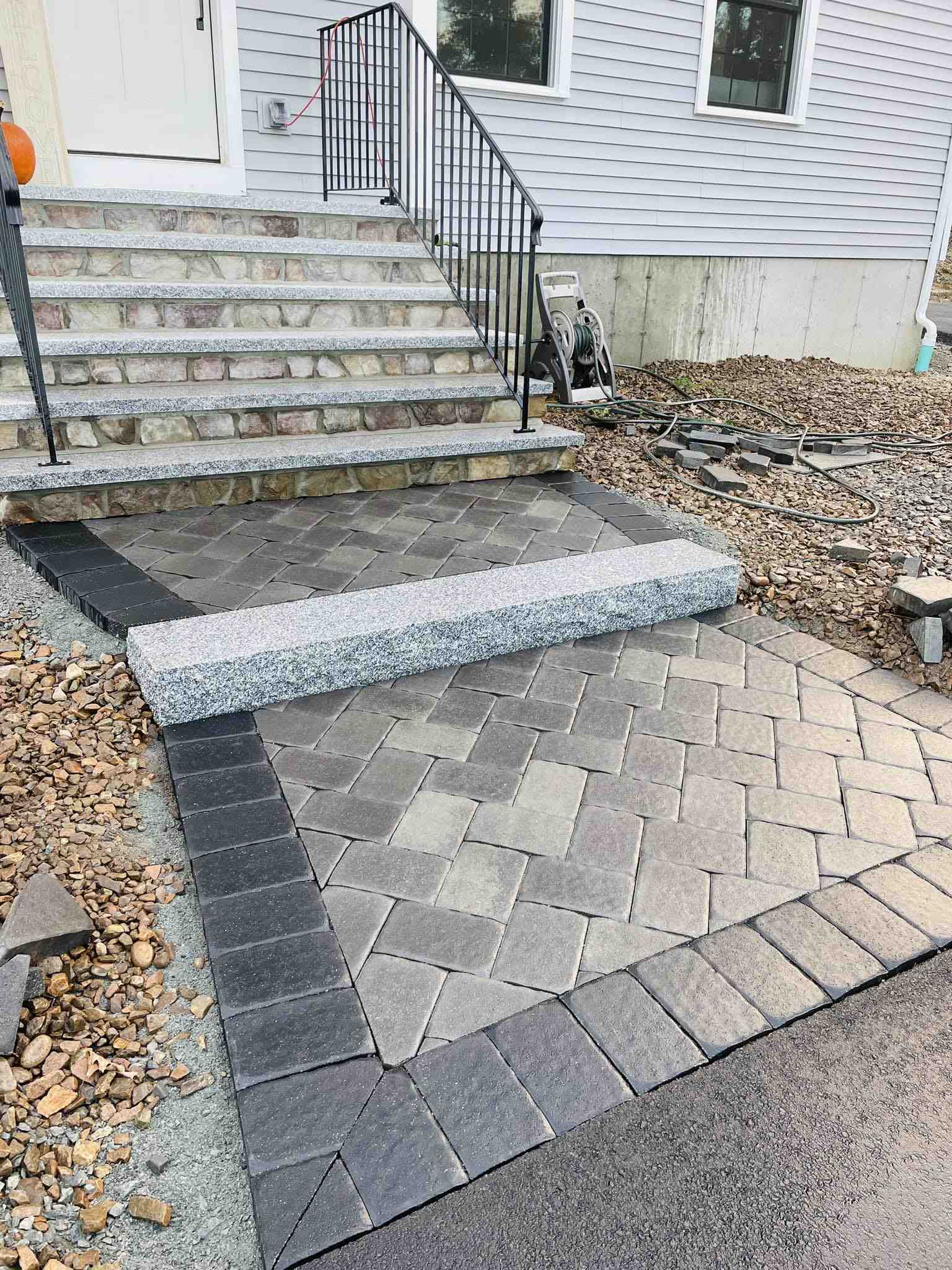
Outdoor Step: 5 Best Picks for 2025
Why Outdoor Steps Matter for Your Home
Outdoor steps are far more than just a functional necessity for navigating different levels of your property; they are a fundamental architectural element that profoundly shapes your home’s safety, accessibility, and overall curb appeal. The right set of steps can elegantly connect your patio to a lush garden, provide safe and inviting access to a raised deck, or create a grand, welcoming entrance that defines your home’s character. They are the transitional pathways of your outdoor living space, guiding movement and influencing the entire look and feel of your landscape.
Conversely, poorly designed, improperly installed, or deteriorating steps represent a significant and often underestimated safety hazard. Falls are a leading cause of home injuries, and according to authoritative sources like the research on home safety from the CDC, a substantial number of these incidents occur on stairs. Many of these accidents are entirely preventable through thoughtful design, correct construction, and diligent maintenance. Well-crafted outdoor steps not only mitigate these risks but also deliver a substantial return on investment by boosting property value, creating seamless transitions between spaces, and adding distinct architectural interest to your landscape.
For homeowners on the North Shore of Massachusetts, from Newburyport to Marblehead, outdoor steps face a unique and relentless barrage of environmental challenges. The region’s harsh freeze-thaw cycles, where water penetrates materials, freezes, expands, and then thaws, can wreak havoc on improperly built structures. Add to this the coastal humidity, salt-laden air from nor’easters, and heavy snow loads, and it becomes clear that durability is paramount.
These conditions demand not only superior materials but also specialized installation methods that can withstand extreme temperature fluctuations and moisture. Therefore, choosing the right type of step and ensuring it is professionally installed is not just an aesthetic upgrade; it’s a critical investment in your family’s long-term safety and your home’s structural integrity and longevity.
This comprehensive guide will walk you through everything you need to know about selecting the best outdoor step options for decks, patios, and gardens. We’ll delve into which materials perform best in our demanding New England climate, explore essential safety features mandated by local codes, and provide insights on how to select steps that perfectly align with your home’s architectural style and your project budget.
Understanding the Main Types of Outdoor Steps
When we discuss outdoor steps, we’re referring to a diverse range of solutions, not a single, one-size-fits-all product. The world of outdoor steps is rich with options tailored to nearly every functional need and aesthetic preference. For clarity, they can be broadly categorized into three main groups: permanent hardscaped steps, which are integrated into the landscape; deck and porch stairs, which are attached to elevated structures; and various specialty or portable options for specific uses.
Each category serves a distinct purpose and comes with its own set of materials, construction methods, and design considerations. At George Hardscaping, we specialize in creating custom stairs and walkways that seamlessly integrate with your property’s overall design, ensuring a perfect marriage of beauty, durability, and function.
Permanent Hardscaped Steps
Permanent hardscaped steps are engineered to be an enduring, integral feature of your landscape, built to withstand the elements, heavy foot traffic, and the test of time. These are the stately steps that might greet you at your front door, create a graceful transition down a sloped yard, or lead you through a terraced garden. Common materials include natural stone (like granite or bluestone), classic brick, versatile poured concrete, and manufactured concrete pavers.
Natural stone offers an unparalleled high-end, organic aesthetic that matures beautifully over time. Brick provides a traditional, timeless appeal that complements many historic homes in our area. Poured concrete can be formed into virtually any shape, including elegant curves and broad landings. Paver steps offer a vast palette of colors, textures, and patterns, allowing for a high degree of customization.
The primary focus for these structures is creating unwavering stability and safety. This requires meticulous planning and expert installation, which is especially critical in Essex County, MA. The secret to longevity lies beneath the surface: proper base preparation is paramount to prevent the shifting, settling, and cracking caused by our notorious freeze-thaw cycles. This process involves excavating to a sufficient depth (often several feet) and laying a multi-layered, compacted gravel base that ensures excellent drainage.
When water can drain away freely, it cannot freeze and expand underneath the steps, a phenomenon known as frost heave. When executed correctly, these steps are a long-term investment that significantly enhances your home’s value and curb appeal for decades. We take immense pride in our ability to craft stunning and durable landscape steps that are built to last a lifetime.
Deck and Porch Stairs
Deck and porch stairs are the vital link providing safe and convenient access to elevated outdoor living spaces. Unlike hardscaped steps built into the ground, these stair systems are structural extensions attached to a deck or porch frame. The most common materials are wood (such as pressure-treated pine, cedar, or exotic hardwoods), low-maintenance composite, and durable vinyl (PVC). Wood offers a classic, natural look that can be stained to match your deck, but it demands regular maintenance to fend off the elements. Composite and vinyl are engineered for superior durability with minimal upkeep, as they resist rot, splintering, and insect damage—a significant advantage in our humid, coastal Massachusetts climate.
Construction often involves pre-fabricated or custom-cut stair stringers—the saw-toothed structural backbone that supports the treads and risers. While DIY kits are widely available, professional installation is crucial to ensure the stairs meet stringent structural requirements and local building codes.
Key safety factors include the secure attachment of the stringers to the deck’s rim joist and a solid footing at the base, typically a concrete pad, to prevent sinking and shifting. Proper rise, run, and handrail placement are also non-negotiable for safety and compliance. We ensure the stairs leading to your deck or porch are not only structurally sound and code-compliant but also beautifully designed, creating an inviting transition to your outdoor oasis. Explore our expertise in creating integrated patio with stairs designs.
Specialty & Portable Outdoor Step Options
Beyond permanent installations, a robust market exists for specialty and portable outdoor step solutions designed to address specific accessibility and convenience needs. These are often ready-made products that enhance safety in particular situations. For instance, hot tub and spa steps, typically molded from durable, non-slip plastics or composites, provide safe entry and exit from wet environments. They are designed to be water-resistant, UV-stable, and lightweight for easy positioning.
Mobility steps are another vital category. These are often single or double steps with a low rise, designed to reduce the height of a high doorstep for individuals with limited mobility or to assist with vehicle access. They are built with an emphasis on stability, wide treads, non-slip surfaces, and high weight capacities.
This category also includes specialized steps for RVs and campers, which must be lightweight for travel, durable for outdoor use, and often adjustable to accommodate uneven ground. From temporary steps for a shed to modular steps for a manufactured home, these ready-made solutions effectively address a wide array of temporary, niche, or specific accessibility challenges around the home.
Choosing the Best Material for Your Outdoor Steps
Selecting the right material for your outdoor steps is a critical decision that involves a careful balancing act between aesthetics, long-term durability, required maintenance, and your budget. The ideal choice is deeply personal and depends on your specific application, the architectural style of your home, and, most importantly, the local climate (hello, Essex County winters!). When we consult with homeowners, we guide them through a comprehensive evaluation of each material, focusing on weather resistance, upfront vs. long-term cost, visual appeal, maintenance commitment, and slip-resistance under wet or icy conditions.
Here’s a detailed comparison of common outdoor step materials to help you make an informed decision:
| Material | Durability | Cost | Maintenance | Slip-Resistance (when wet/icy) |
|---|---|---|---|---|
| Natural Stone | Exceptional | High | Low to Moderate | Moderate to Good (can be sealed) |
| Brick and Pavers | Very Good | Moderate to High | Moderate | Good (textured) |
| Poured Concrete | Very Good | Moderate | Low | Moderate (can be textured) |
| Wood | Moderate | Low to Moderate | High | Moderate (can be grooved) |
| Composite/Vinyl | Good to Very Good | High | Low | Moderate to Good (textured) |
Natural Stone (Granite, Bluestone, Flagstone)
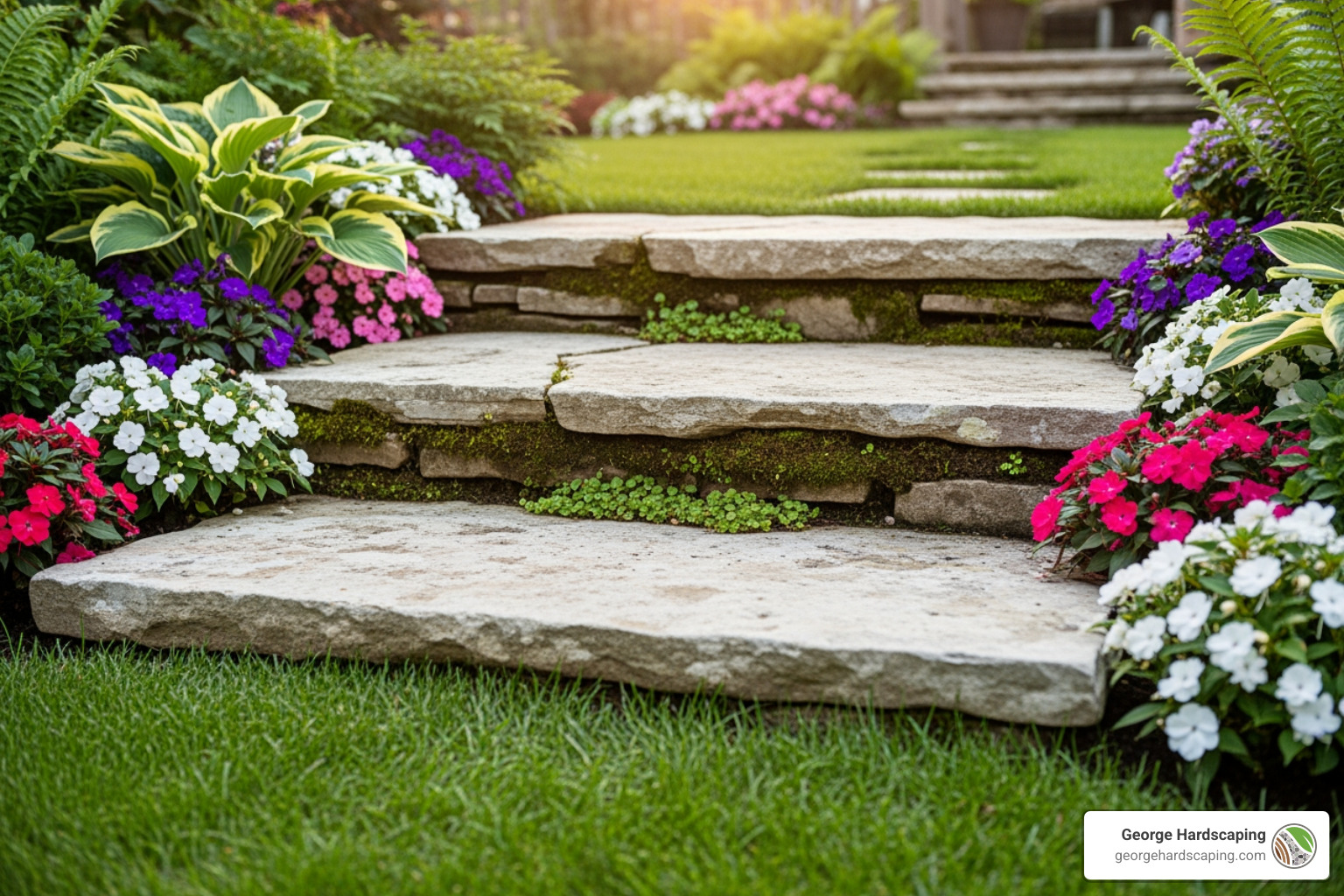
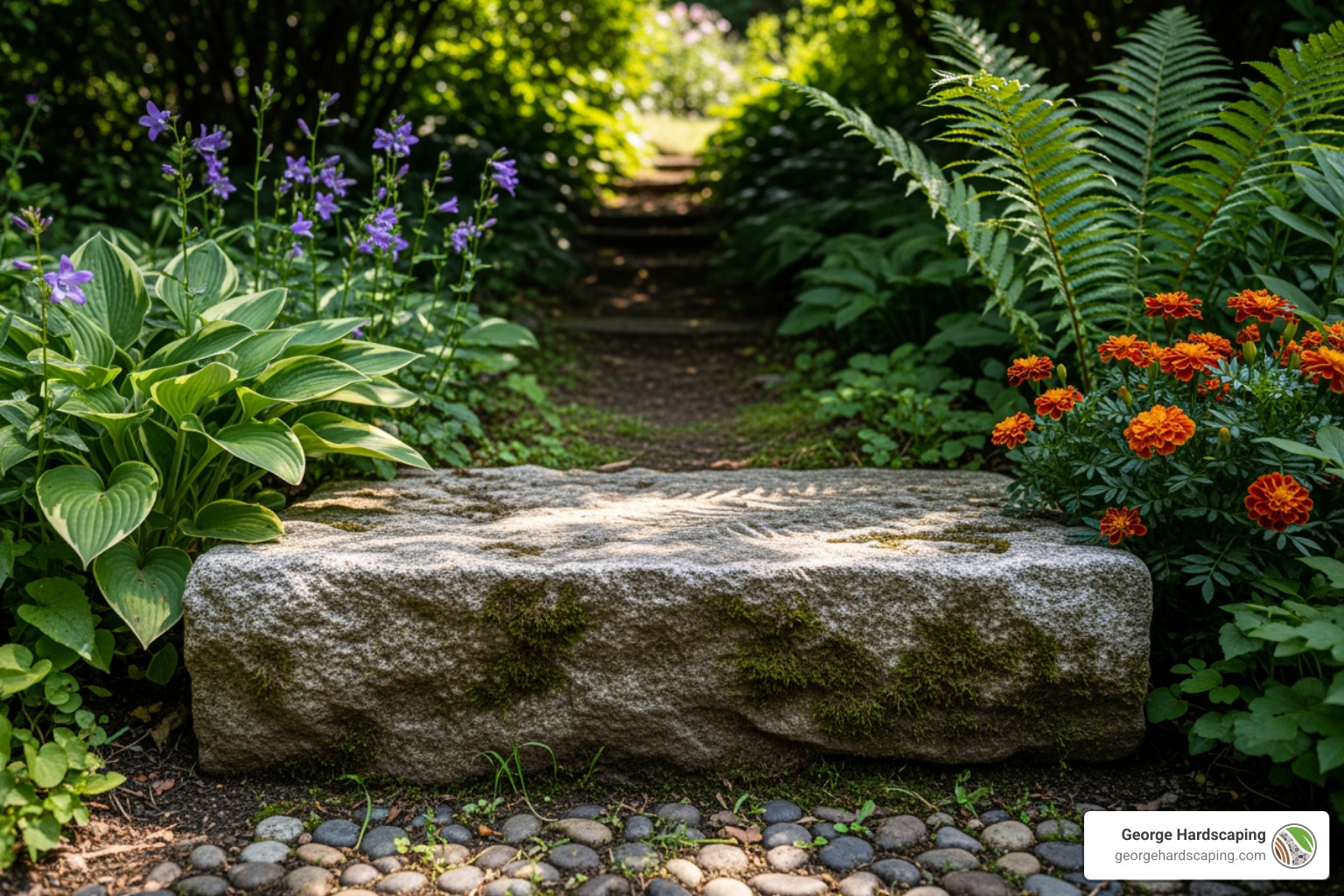
For unparalleled beauty and maximum durability, natural stone stands in a class of its own. Materials like granite and bluestone offer a sophisticated, timeless look that integrates organically into any landscape, adding a sense of permanence and luxury. These steps are incredibly resilient, especially against New England’s punishing freeze-thaw cycles, and can last for generations with minimal care, significantly boosting your property’s value. The main consideration is the higher initial investment, which covers both the premium material and the skilled, labor-intensive installation required for a stable, safe, and long-lasting structure.
However, this upfront cost is often offset by the material’s longevity and low long-term maintenance needs. As a cost-effective alternative, stone veneer can be applied over a structural concrete base to achieve a similar look. We have extensive experience crafting beautiful natural stone step ideas and provide expert stone steps installation services. You can also learn more about our meticulous process for how to install natural stone steps and explore our approach to custom stone steps design.
Brick and Pavers
Brick and pavers offer a classic, charming aesthetic that perfectly complements the many traditional and historic architectural styles found throughout Essex County towns. They are highly durable, hold their color well against UV exposure, and their inherently textured surfaces and joint lines provide good slip-resistance. With pavers, you have a vast selection of shapes, colors, and laying patterns (like running bond or herringbone) to create a unique look.
The key to a lasting installation is a proper base to prevent shifting and settling. The mortar joints in brick may eventually degrade and need repointing, a maintenance service we provide to restore structural integrity. A major advantage of this system is that if an individual brick or paver is damaged, it can be replaced without rebuilding the entire staircase. We are experts in brick stairs services and can advise on all aspects of maintenance, including how to repoint brick steps or how to repair a brick step.
Poured Concrete
Poured concrete is a highly practical, cost-effective, and versatile material for outdoor steps. Its primary advantage is its strength and ability to be formed into nearly any shape, allowing for custom curves, sweeping landings, and integrated cheek walls. While basic, unfinished concrete is a budget-friendly option, modern finishing techniques can elevate it to a high-end material.
These include stamping to mimic the look of stone or brick, acid staining for rich, variegated color, and exposed aggregate finishes for a textured, slip-resistant surface. The main concern with concrete is the potential for cracking over time. However, a professional installation that includes a proper compacted base, steel rebar reinforcement, and strategically placed control joints will drastically minimize this risk, making it a durable and very low-maintenance option. We frequently build robust concrete stairs and walkways designed to withstand decades of use.
Wood (Pressure-Treated, Cedar)
Wood remains a popular and traditional choice for deck and porch steps, largely due to its natural beauty and lower initial cost. Pressure-treated pine is the most budget-friendly option, while woods like cedar offer enhanced natural resistance to rot and insects. However, wood’s primary drawback is its significant maintenance requirement. To prevent deterioration, wood steps need regular cleaning and periodic sealing or staining every 1-3 years. Without this consistent care, wood is susceptible to rot, warping, splintering, and becoming slippery when wet or covered in algae, especially in our humid coastal climate.
Composite and Vinyl (PVC)
For homeowners who love the idea of deck stairs but want to avoid the maintenance of wood, composite and vinyl are outstanding alternatives. These engineered materials are designed to resist rot, insects, moisture, and fading without ever needing to be painted, stained, or sealed. They are exceptionally weather-resistant, making them an ideal choice for our varied New England weather, from hot, humid summers to icy winters.
While the initial cost is higher than pressure-treated wood, the long-term savings in time, effort, and money on maintenance make them an increasingly popular and practical investment for deck and porch stairs. They also come in a wide range of colors and textures, some of which convincingly mimic the look of exotic hardwoods.
Key Factors and Safety Considerations
Building safe, durable, and beautiful outdoor steps requires more than just selecting an attractive material; it demands a deep understanding of structural engineering, local building codes, and environmental factors. When we design and build steps for homes in Georgetown, MA, and across the North Shore, we conduct a holistic assessment, prioritizing slip resistance, structural integrity, climate suitability, and aesthetic harmony, all while respecting your budget. Our philosophy is simple: beautiful hardscaping must always be safe hardscaping, without compromise.
Ensuring Your Outdoor Steps Are Safe
Safety is the paramount concern, especially for steps exposed to New England’s unpredictable weather. Here are the critical safety elements we meticulously incorporate into every project:
- Handrails: For any set of steps with more than a few risers (typically four or more), handrails are a non-negotiable safety feature, not a mere accessory. They provide crucial stability and support, dramatically reducing the risk of falls for everyone, especially children and older adults. Local building codes in towns like Newburyport and Andover, MA, have strict requirements for when handrails must be installed, their height, and their graspability. We ensure every project is fully compliant. Handrails are available in various materials, including low-maintenance aluminum and vinyl, classic wood, or modern cable rail systems.
- Adequate Lighting: Good lighting is essential for nighttime safety, turning a potential hazard into a safe and welcoming feature. This is especially true during our long winter nights. We can integrate low-voltage LED lighting directly into the step design—such as under the treads or into the risers—to cast a warm, downward glow that clearly illuminates the path. Alternatively, strategically placed landscape path lights can achieve the same effect. This not only prevents missteps but also adds a dramatic, high-end ambiance to your landscape after dark.
- Non-Slip Treads: The walking surface of your outdoor steps must provide reliable traction, even when wet or covered in a layer of frost. Many materials are inherently slip-resistant; for example, natural stone with a thermal or natural cleft finish, or pavers with a textured surface. For poured concrete, a simple broom finish creates excellent grip. For smoother materials or for added security, we can incorporate non-slip solutions to ensure a secure footing in all conditions.
- Proper Rise and Run: The geometry of the steps is critical for safety and comfort. The “rise” (the vertical height of each step) and the “run” (the horizontal depth of each tread) must be uniform from top to bottom. Even a small variation can disrupt a person’s rhythm and create a serious tripping hazard. Building codes specify acceptable ranges, and a common guideline for comfortable stairs is that the rise and run should total approximately 18 inches (e.g., a 7-inch rise and an 11-inch run). We measure and build with absolute precision to ensure a safe and natural-feeling cadence.
- Following Local Building Codes: This cannot be overstated. Every town in Essex County has specific, legally-enforceable regulations governing outdoor step construction, from footing depth to railing height and baluster spacing. We are deeply familiar with these local codes and reference best practices like the OSHA stairway safety guidelines. Our commitment is to ensure that all our projects not only pass inspection but exceed the minimum safety standards.
- Proper Drainage: Water is the enemy of outdoor structures. Water pooling on or around steps can lead to slippery algae growth, dangerous ice formation, and long-term material deterioration from freeze-thaw damage. We ensure every step installation is properly graded and that the surrounding landscape is contoured to direct water away from the structure, preserving both safety and longevity.
Maintenance for Longevity
Even the most robustly built outdoor steps require some routine maintenance to ensure they remain safe and beautiful for years to come. Proactive care prevents minor issues from escalating into major, costly repairs.
- Seasonal Cleaning: Regular cleaning is vital. In the spring, wash away winter salt and grime. Throughout the summer and fall, sweep away leaves, dirt, and debris that can hold moisture and become slippery. A stiff brush and an appropriate cleaner are usually sufficient. For specific materials, we can advise on the best methods, such as how to clean brick steps.
- Sealing and Staining: Wood steps require the most attention. Plan to reseal or re-stain them every 1-3 years to protect the wood from moisture, UV damage, and rot.
- Joint and Crack Repair: For brick or paver steps, inspect the joints annually. If the sand or mortar is washing out, it should be replenished to keep the units locked in place. Minor cracks in concrete should be sealed promptly with a flexible sealant to prevent water intrusion and freeze-thaw damage.
- Annual Inspection: At least once a year, perform a thorough check. Vigorously shake handrails to test for looseness. Inspect all step surfaces for signs of wear, cracking, or unevenness. Check for any loose components. Addressing these small issues early is the key to maintaining a safe staircase.
What is the Typical Price Range?
The cost of new outdoor steps varies widely based on material choice, the total number of steps (size), design complexity, and site-specific conditions like slope and access. While small, pre-made portable steps can be found for $50-$200, a professionally installed, custom-built hardscape staircase is a significant and valuable investment in your property.
- Poured Concrete: A simple, small set of concrete steps might start around $500-$1,500.
- Brick or Paver Steps: Professional installation for a standard-sized staircase typically ranges from $1,500 to $4,500. The final price depends on many factors, which you can learn more about in our guide to the cost to build brick steps.
- Natural Stone Steps: As the premium option, these generally start around $2,500 and can range from $8,000 to $15,000+ for elaborate designs.
- Deck or Porch Stairs: A standard set of wood or composite stairs can range from $1,000 to $5,000+.
For a professionally installed, custom project in Essex County, MA, a typical price is between $2,000 and $5,000, though elaborate designs with premium materials can easily exceed $10,000. These are general estimates. Feeling overwhelmed by the options? Contact George Hardscaping for a detailed consultation and a transparent quote tailored to your property.
Frequently Asked Questions about Outdoor Steps
Over the years, we’ve helped countless homeowners in Essex County, MA, navigate the process of designing and building outdoor steps. Here are our expert answers to some of the most common questions we encounter.
What is the best material for an outdoor step in a cold climate?
When selecting materials for outdoor steps in a cold climate like ours—defined by its relentless freeze-thaw cycles, heavy snow, and ice—durability and safety are the top priorities. The best materials are those that are dense, non-porous, and can withstand the powerful forces of water expanding into ice without cracking, flaking, or spalling.
Our top recommendations for the New England climate are:
- Natural Stone: Dense igneous and metamorphic stones like granite are the gold standard. They have extremely low water absorption rates, making them highly resistant to freeze-thaw damage. When finished with a thermal (flamed) texture, granite also provides excellent natural slip-resistance. Bluestone is another popular and durable choice.
- High-Quality Concrete Pavers: Modern, high-density concrete pavers are specifically engineered for durability in cold climates, often exceeding the strength of standard poured concrete. Their interlocking system allows for minuscule, non-destructive movement during freeze-thaw cycles, which prevents the large-scale cracking that can plague rigid slabs. Many pavers also come with factory-textured surfaces for enhanced slip-resistance.
- Professionally Poured Concrete: While susceptible to cracking if installed improperly, professionally poured concrete can be an excellent, long-lasting option. The key is using a proper concrete mix with air-entrainment—the introduction of microscopic air bubbles that give water a place to expand when it freezes, relieving internal pressure. This, combined with proper reinforcement and a deep, well-drained gravel base, creates a highly durable structure. A broom finish is essential for creating a non-slip surface.
For any of these materials, the installation quality is just as important as the material itself. A deep, compacted gravel base that promotes drainage is non-negotiable to prevent frost heave.
How do I make my existing outdoor steps less slippery?
Making existing outdoor steps less slippery is a critical safety measure, especially after a rainstorm or during our icy winters. Fortunately, there are several effective solutions for various materials:
- Anti-Slip Tapes or Treads: These are adhesive-backed strips with a highly abrasive, gritty surface that can be applied directly to clean, dry step treads. They offer immediate, effective traction and are a cost-effective solution for wood, concrete, composite, and metal steps.
- Textured Coatings: There are specialized paints and clear coatings designed for walking surfaces. These products contain aggregates like sand or rubber particles that create a permanent textured, non-slip finish when dry. This is a durable and aesthetically pleasing option for concrete or wood steps.
- Rubber or Composite Tread Covers: These are pre-formed mats that fit securely over your existing step treads. They provide a rugged, high-traction rubber surface and are exceptionally durable. Many are designed with channels to drain water away.
- Heated Stair Mats: For the ultimate in winter safety, consider electric heated stair mats. These rubber mats plug into an outdoor outlet and melt snow and ice on contact, keeping your steps clear and safe all winter long without shoveling or chemicals.
- Improve Drainage and Cleaning: Prevention is key. Ensure gutters and downspouts are not directing water onto your steps. Regularly clean off moss, algae, and wet leaves, as they create a slick organic film. For ice, use a de-icing product, but be mindful that some rock salts (sodium chloride) can damage concrete and masonry over time. Look for products that are gentler on these materials, such as those containing calcium chloride or magnesium chloride.
How many steps can I have before I need a handrail?
The requirement for a handrail on outdoor steps is dictated by state and local building codes, which are based on the International Residential Code (IRC). While there can be minor variations from town to town in Essex County, MA, the universal rule is that a handrail is required on at least one side of a staircase that has four or more risers. A “riser” is the vertical part of the step. So, a staircase with four steps up requires a handrail.
Beyond this minimum requirement, codes also specify other critical details for safety:
- Handrail Height: The top of the handrail must typically be between 34 and 38 inches above the nosing of the stair treads.
- Baluster Spacing: If the side of the staircase is open, protective balusters (or spindles) are required. They must be spaced closely enough that a 4-inch diameter sphere cannot pass through the opening, a rule designed to prevent small children from falling through.
Even if your steps have only two or three risers and are not legally required to have a handrail, we always recommend considering one for added safety and accessibility. A handrail provides crucial support for everyone, especially when carrying groceries, navigating in the dark, or for guests with mobility challenges. It is a small investment that pays huge dividends in safety and peace of mind.
Can I build my own outdoor steps, or should I hire a professional?
While the DIY spirit is admirable, building outdoor steps—especially permanent hardscaped ones—is a complex project with significant safety implications. A DIY approach might be feasible for a simple, small set of wooden steps for a low deck, provided you have strong carpentry skills and a thorough understanding of local codes.
However, for most projects, especially those involving masonry, concrete, or significant changes in elevation, hiring a professional is strongly recommended for several reasons:
- Expertise and Safety: Professionals understand the complex geometry of rise and run, the structural requirements for footings and foundations, and the specific techniques needed to combat frost heave in our climate. A mistake in any of these areas can lead to a structurally unsound and dangerous staircase.
- Code Compliance: A professional contractor is well-versed in local building codes, ensuring your project is built to legal standards and will pass inspection. This avoids costly tear-outs and rebuilds.
- Proper Equipment and Efficiency: Professionals have the heavy equipment needed for excavation, material transport, and compaction, which is often not feasible for a homeowner to rent or operate. They can complete the job far more efficiently and with a higher level of precision.
- Durability and Warranty: A professional installation, particularly for stone or pavers, is built to last for decades. Reputable companies like George Hardscaping stand behind their work with a warranty, giving you long-term peace of mind. The risks of a failed DIY project—settling, cracking, and potential injury—far outweigh the initial cost savings.
Conclusion
Choosing the right outdoor steps is a critical decision that lies at the intersection of your home’s daily functionality, its long-term curb appeal, and, most importantly, the safety of your family and guests. As we’ve explored, the ideal solution is a thoughtful blend of material science, structural integrity, and aesthetic design. From the timeless durability of natural stone and the classic charm of brick to the low-maintenance convenience of composite and the versatility of modern concrete, the best material is one that balances weather resistance, cost, visual harmony, and your willingness to perform maintenance.
In our challenging New England climate, key safety features are non-negotiable. Proper dimensions for a comfortable gait, non-slip surfaces for reliable traction, adequate lighting for nighttime navigation, and sturdy handrails are all essential components of a safe staircase. While pre-made or DIY options may seem tempting, a professionally designed and installed set of custom-built steps is a lasting investment that prevents safety hazards, withstands the elements, and significantly improves your home’s value and usability.
At George Hardscaping, we are passionate about creating outdoor steps that are not only exceptionally safe and functional but are also beautifully integrated into the unique character of your landscape. We understand the specific demands of properties throughout Essex County, MA, and bring decades of specialized expertise in hardscaping and masonry services to every project we undertake. Your steps are a foundational investment in your home’s value and your family’s safety, and we’re here to help you make the best possible choice.
Ready to transform your outdoor space with expertly crafted outdoor steps that are built to last? Request a free estimate for your project today, and let’s build something exceptional together.