
Outdoor kitchen seating area: 10 Inspiring Best Ideas 2025
Why Your Outdoor Kitchen Seating Area Makes All the Difference
An outdoor kitchen seating area transforms your backyard from a simple cooking space into the heart of your home’s entertainment zone. Here’s what you need to know:
Popular Seating Types:
- Bar seating (48% of outdoor kitchens) – stools at kitchen islands
- Dining tables (37%) – traditional table and chairs
- Built-in benches (15%) – space-saving permanent seating
- Lounge areas – sofas and fire pit circles for relaxation
Key Planning Factors:
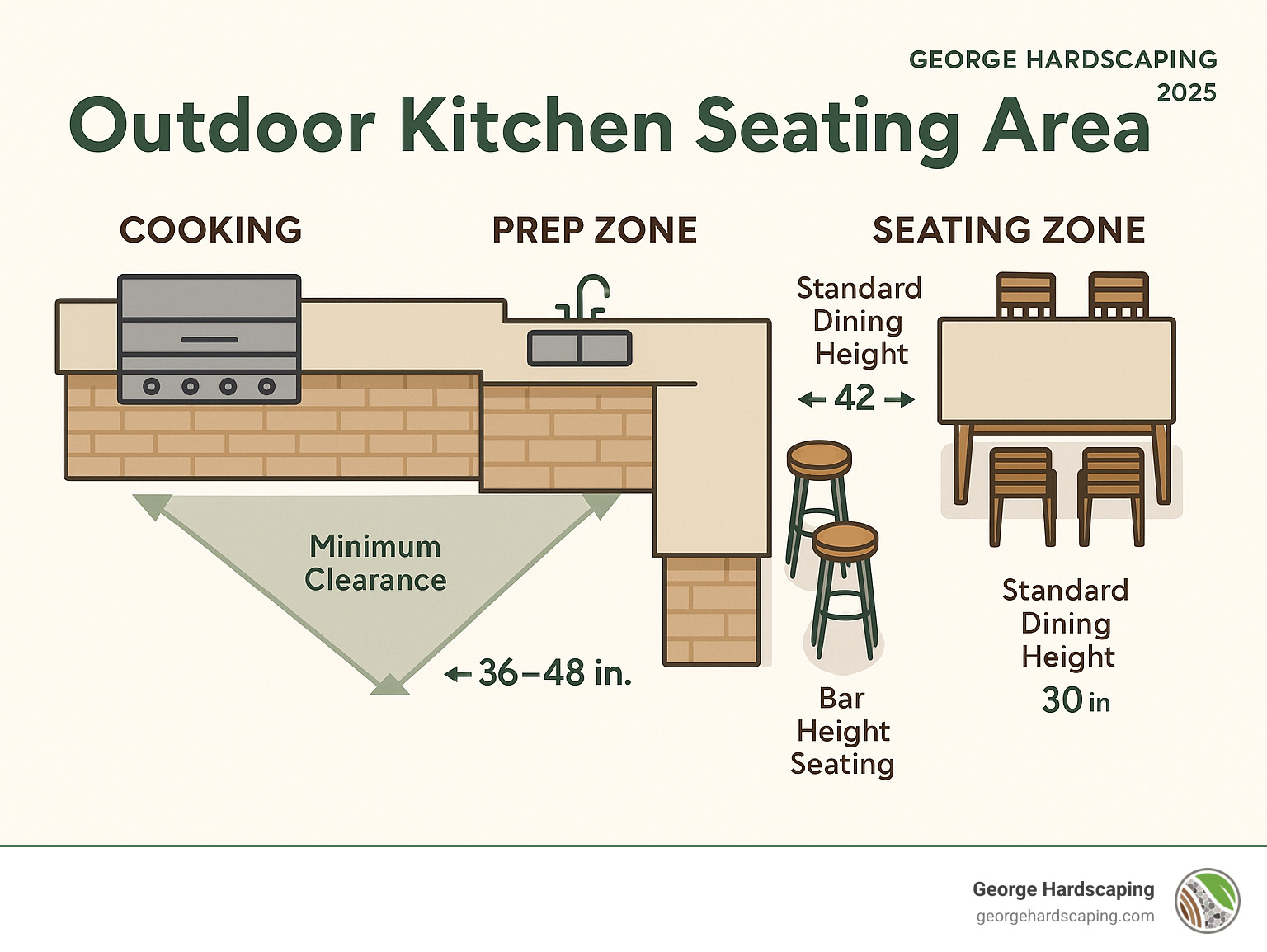
- Allow 24-30 inches per person at bars, 30+ inches at dining tables
- Position seating 3-6 feet from cooking areas for conversation
- Choose weather-resistant materials like teak, aluminum, or composite
- Plan for shade with pergolas, umbrellas, or covered structures
The numbers don’t lie – outdoor kitchens with seating areas can boost your home’s value by up to 12%, according to the National Association of Realtors. Even more compelling, a Belgard survey found that 61% of homeowners consider comfortable seating the most important feature in their outdoor kitchen, right after the grill itself.
But here’s the thing – great outdoor seating isn’t just about having enough chairs. It’s about creating zones where people naturally gather, chat, and linger long after the last burger comes off the grill.
Whether you’re working with a compact North Shore patio or a sprawling Essex County backyard, the right seating layout makes your outdoor kitchen feel like an extension of your indoor living space.
Learn more about Outdoor kitchen seating area:
Why Seating Matters Outdoors
According to a 2023 Houzz survey, 56% of homeowners who added an outdoor kitchen also included a dedicated seating or dining area in their design. This isn’t just about convenience – it’s about creating a social hub that brings people together.
The National Kitchen & Bath Association (NKBA) found that 70% of outdoor kitchen projects feature built-in seating like bar stools or banquettes specifically to encourage socializing. When you think about it, outdoor cooking is inherently social. Unlike indoor kitchens where the cook often works in isolation, outdoor kitchens invite participation and conversation.
From our experience serving the North Shore – from Beverly to Newburyport – we’ve seen how the right seating arrangement can transform a simple grilling station into the neighborhood’s favorite gathering spot. It’s where birthday parties happen, where teenagers hang out after school, and where adults unwind with a glass of wine after work.
Trend-Spotting: Today’s Hottest Outdoor Kitchen Seating Area Styles
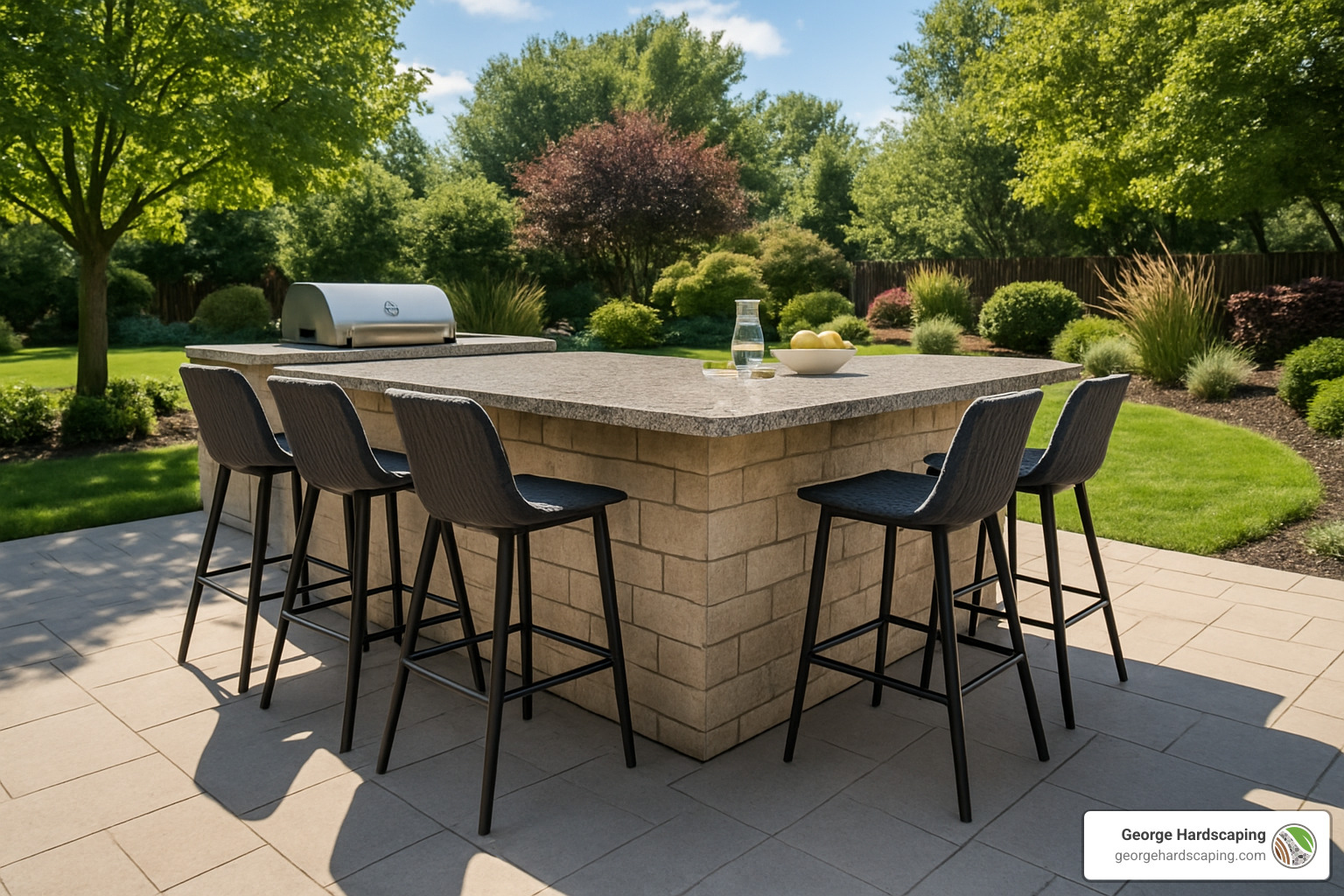
Gone are the days when outdoor kitchen seating meant dragging a few plastic chairs next to the grill. Today’s outdoor kitchen seating area designs are all about creating distinct zones that flow together naturally – think of it as designing an outdoor living room that happens to have a fantastic kitchen attached.
The hottest trend we’re seeing across the North Shore? Layered seating areas that serve different purposes throughout the day. Maybe it’s bar stools at the grill island for morning coffee, a dining table for family barbecues, and lounge seating around a fire pit for evening conversations.
What’s driving this shift is homeowners realizing their outdoor spaces can work just as hard as their indoor rooms. We’re installing built-in benches that double as storage, modular sofas that can be rearranged for different occasions, and fire-pit circles that extend the entertaining season well into October.
The key is mixing different seating heights and styles to create visual interest while serving practical needs. Check out these Outdoor Kitchen Ideas With Style for inspiration on how these elements come together.
Built-in Banquettes & Bar Ledges
Built-in banquettes have become the secret weapon for North Shore homeowners dealing with smaller patios. These permanent seating solutions are incredibly space-saving because they hug the perimeter of your outdoor kitchen without eating up valuable floor space.
What makes them even smarter? Most banquettes include storage under the seat – perfect for stashing grill tools, outdoor games, or those cushions when a nor’easter rolls in. We’ve built banquettes that store everything from pool toys to firewood, keeping outdoor spaces tidy and organized.
Bar ledges at counter height create the perfect spot for casual meals and conversation. They’re naturally kid-friendly since there are no chairs to tip over, and they encourage that relaxed, bistro-style dining that makes outdoor entertaining feel effortless.
The trick is getting the proportions right – at least 18 inches deep for comfortable sitting, with a slight back angle that invites people to linger. Add weather-resistant cushions, and you’ve got seating that rivals your indoor dining room for comfort.
Fire-Pit Conversation Rings
Nothing says “stay a while” quite like seating arranged around a crackling fire pit. Comfortable Fire Pit Seating creates that cozy vibe that transforms your outdoor kitchen from a cooking space into a true gathering place.
The magic happens in the circle. When you arrange seating in a ring 4-6 feet from the fire pit, you create natural conversation flow where everyone can see everyone else. It’s the difference between a party and a gathering – suddenly people are telling stories instead of just making small talk.
Fire-pit circles also give you serious shoulder-season use. While your grill might hibernate in December, a good fire pit with comfortable seating keeps your outdoor space active from March through November. We’ve seen families roast marshmallows in April and serve hot cider in October – all because they invested in year-round seating.
The best fire pit seating combines built-in stone benches with moveable chairs, giving you flexibility for intimate gatherings or larger parties. It’s outdoor entertaining that works as hard as you do.
Designing the Perfect Layout for Your Outdoor Kitchen Seating Area
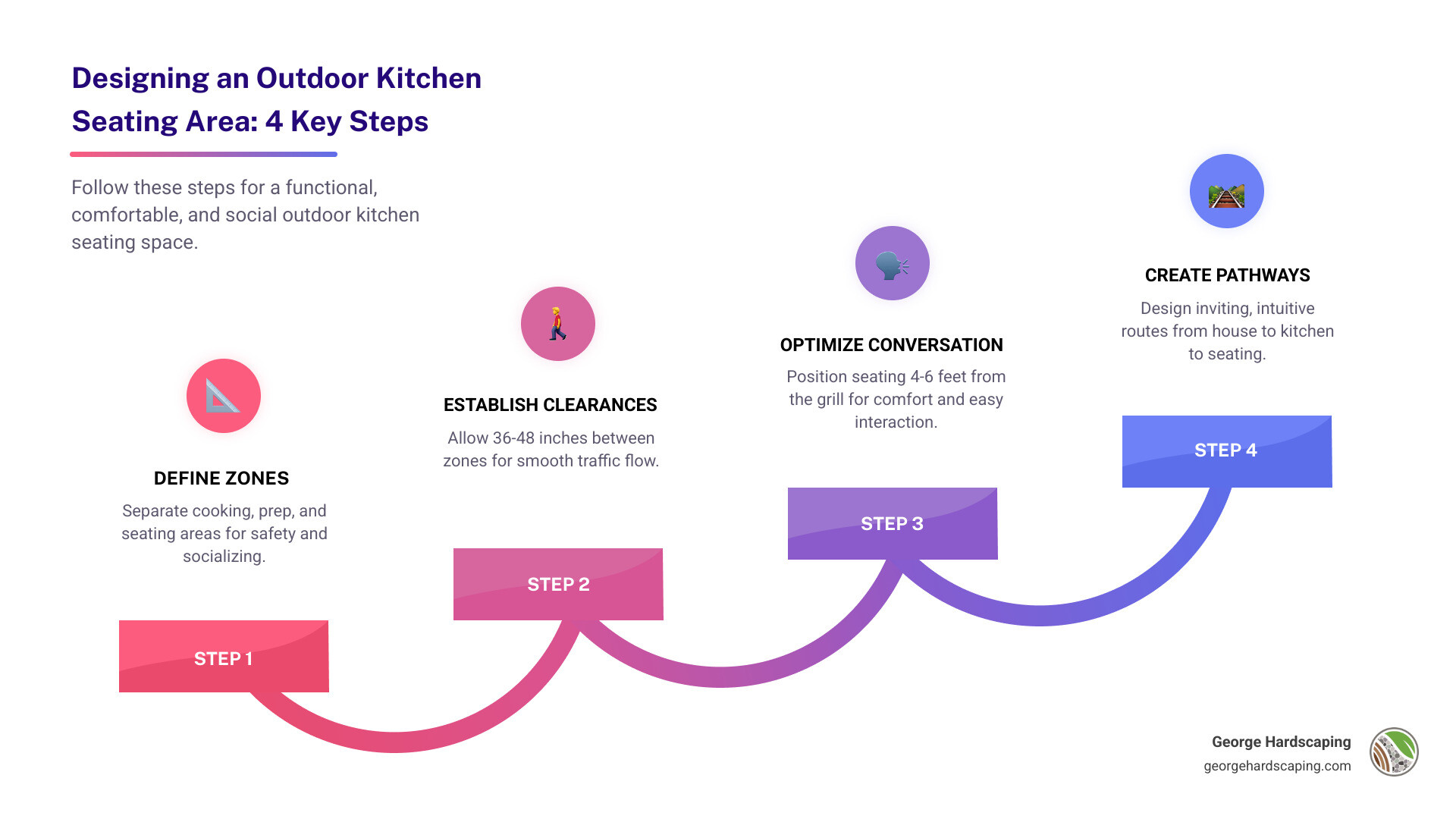
Think of your outdoor kitchen seating area like a well-choreographed dance – everything needs to flow together smoothly. Just like indoor kitchens follow the classic work triangle, outdoor spaces work best when your cooking zone, prep area, and seating connect naturally without bumping into each other.
The sweet spot for conversation seating is 4-6 feet from your grill or cooking area. Close enough that your guests can chat with you while you flip burgers, but far enough away that they won’t get smoked out or feel the heat. We’ve learned this lesson the hard way on projects where seating ended up too close – nobody wants to eat dinner while dodging grill smoke!
Traffic flow makes or breaks an outdoor kitchen. Picture your typical gathering: people flowing from the house to the kitchen, kids running around, someone carrying a tray of drinks. You need 36-48 inch clearances between major zones so everyone can move freely without creating a traffic jam or interrupting conversations.
Think about ADA accessibility too, especially if you plan to age in place or have family members who use mobility aids. Wider pathways and appropriate table heights make your space welcoming for everyone.
Small Outdoor Kitchen Seating Area Hacks
Don’t let a compact yard fool you into thinking you can’t have amazing outdoor entertaining. Some of our most creative projects happen in tight spaces where every square foot counts.
Corner benches are absolute game-changers for small patios. An L-shaped built-in bench can seat 6-8 people in the same footprint where a traditional table and chairs might squeeze in only 4. Plus, you eliminate the need for chair clearance space, which can save 2-3 feet all around.
Fold-down bars attached to your kitchen island work like magic in narrow side yards. When you’re cooking for two, fold it down for a cozy breakfast spot. When the whole family comes over, fold it up and use moveable seating instead. We’ve installed these beauties in spaces where a permanent dining table would make the area feel cramped.
Stackable stools give you flexibility without the storage headache. Choose weather-resistant materials that can live outdoors year-round, then stack them in a corner when you need more circulation space.
Custom Patios can work wonders with elevation changes. Raising your seating area just 8-12 inches above the cooking level creates the illusion of separate rooms while making both areas feel more spacious.
Arranging Your Outdoor Kitchen Seating Area for Conversation
Here’s where psychology meets design. Curved benches naturally turn people toward each other instead of forcing that awkward side-by-side stare-straight-ahead arrangement. A 4-6 foot radius creates the perfect conversation bubble – close enough to chat without shouting, spacious enough that you’re not bumping elbows.
Pay attention to sight lines when planning your layout. Position seating so guests can see both the action at the grill and each other’s faces. Nothing kills conversation like having half your guests staring at the back of someone’s head.
Straight vs Curved Layout Comparison:
| Layout Type | Pros | Cons | Best For |
|---|---|---|---|
| Straight Line | Space efficient, easy to build | Limited conversation, some feel excluded | Narrow spaces, formal dining |
| Curved/Circular | Encourages conversation, inclusive | Requires more space, complex construction | Larger patios, casual entertaining |
| L-Shaped | Good conversation, corner efficiency | Can feel divided into separate groups | Medium spaces, mixed activities |
| U-Shaped | Excellent conversation, contains space | Requires significant space | Large patios, frequent entertaining |
The magic happens when your seating arrangement feels natural and unforced. People should be able to easily join or leave conversations, move between the cooking area and relaxation zones, and feel included in the overall flow of your outdoor space.
Weather-Proof Materials & Cushions That Last
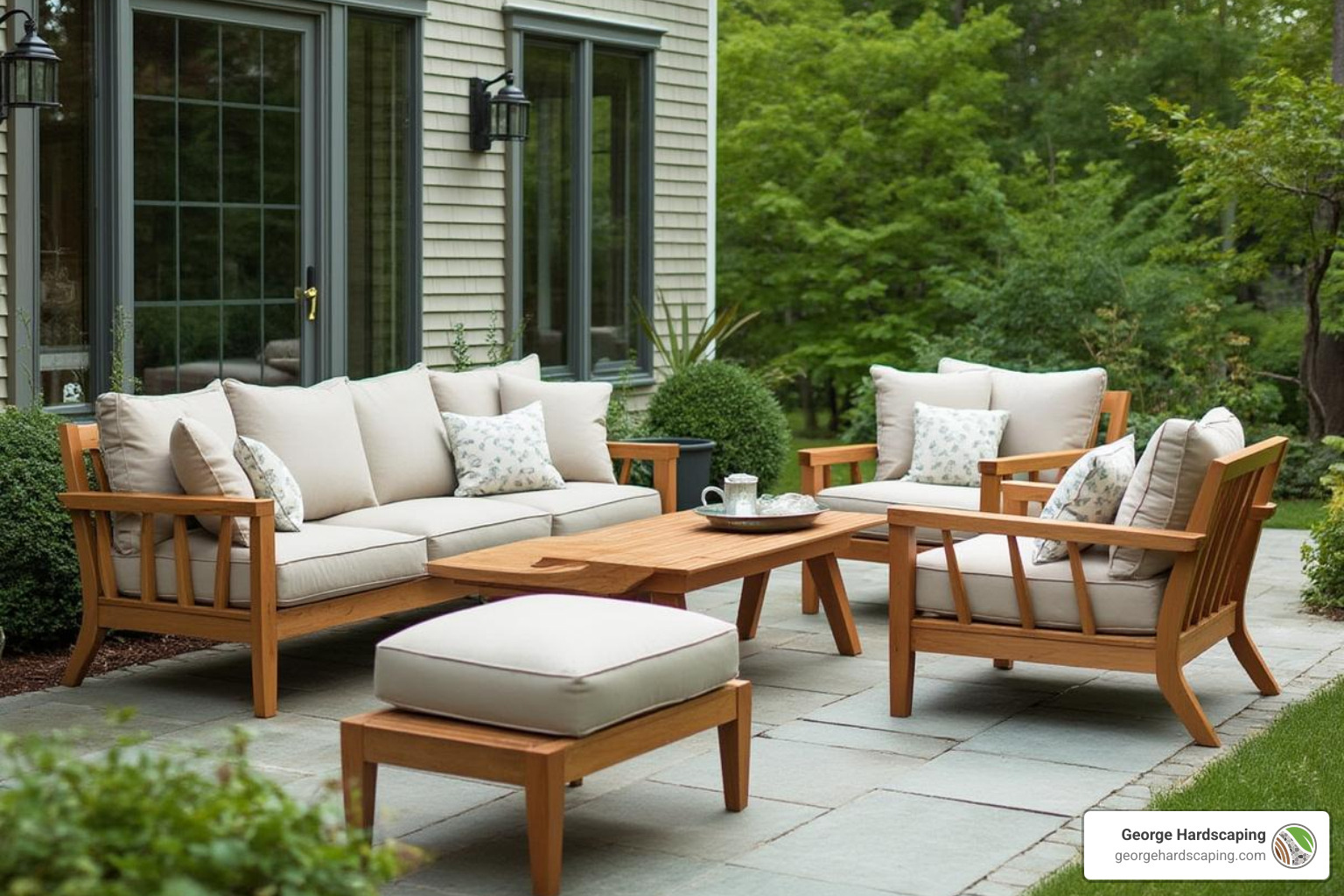
Living on the North Shore means your outdoor kitchen seating area faces some serious weather challenges. Between the salt air from the coast, summer humidity that can warp wood overnight, and those brutal freeze-thaw cycles that crack everything, choosing the right materials isn’t just about looks – it’s about survival.
Teak still reigns supreme for good reason. This tropical hardwood contains natural oils that basically tell moisture and bugs to take a hike. It starts out honey-colored and turns silver-gray over time, but that weathered look is actually part of its charm. We’ve seen 20-year-old teak benches that look better than brand-new furniture made from cheaper woods.
Aluminum frames with powder-coat finishes offer a completely different approach. They’re rust-proof, lightweight enough to rearrange easily, and the powder coating comes in colors that would make your indoor furniture jealous. The best part? They’ll look the same in year ten as they did on day one.
For built-in seating, HDPE lumber has become our secret weapon. It looks like freshly painted wood but never needs refinishing. It won’t rot, warp, or give you splinters when you’re barefoot. In coastal areas where salt air turns regular wood into expensive kindling, HDPE pays for itself in just a few years.
Sunbrella fabrics revolutionized outdoor cushions by actually being comfortable while resisting everything nature throws at them – fading, mildew, and those inevitable wine spills from dinner parties. Pair them with quick-dry foam and you’ve got cushions that can handle a surprise thunderstorm without turning into soggy messes.
The foundation materials matter just as much. Composite stone counters handle our temperature swings without cracking, while marine-grade stainless steel hardware won’t rust even in Salem’s salty breeze.
Maintenance Snapshot
Here’s the truth about outdoor seating maintenance – a little effort goes a long way, but you can’t just ignore it completely.
During the outdoor season, plan on brushing off leaves and debris weekly and giving everything a good cleaning monthly. This isn’t just about appearance – trapped moisture and dirt actually break down materials faster.
When winter approaches, storing removable cushions indoors makes the difference between cushions that last two seasons versus ten. Covers for built-in pieces aren’t just suggested – they’re essential for extending life.
Re-sealing schedules depend on your materials. Teak can go years without treatment, while other woods might need annual attention. Most homeowners spend $50-200 annually on maintenance supplies like cleaners, sealers, and replacement hardware.
The real cost isn’t the cleaning supplies – it’s replacement. Quality materials with proper maintenance can last decades, while cheap alternatives might need replacing every few years. Do the math, and investing in weather-proof materials from the start makes financial sense, especially in our challenging New England climate.
Comfort, Shade & Mood Lighting
Creating the perfect outdoor kitchen seating area means thinking beyond just chairs and tables. Your guests need protection from New England’s unpredictable weather – blazing summer sun, sudden afternoon showers, and those unexpectedly chilly evenings that make you wish you’d planned better.
Pergolas strike the perfect balance between protection and openness. They filter harsh sunlight while maintaining that airy, outdoor feeling that makes al fresco dining so appealing. Pavilions take things up a notch with more complete coverage, though they require more substantial construction and investment.
For flexibility lovers, retractable awnings are game-changers. Extend them when the sun gets brutal or those surprise summer storms roll in, then retract them when you want to stargaze over dessert. Large umbrellas work beautifully for smaller seating areas, though they might leave parts of your dining table in the sun during peak hours.
Here’s where things get interesting for extending your outdoor season: infrared heaters can turn your three-season space into a nearly year-round entertaining zone. Unlike fire pits that warm whoever’s closest, infrared heaters can be strategically positioned to warm specific seating areas without interfering with your cooking zone.
Lighting transforms everything. The same space that feels casual and bright during a weekend barbecue becomes intimate and magical under the right evening illumination. Layer your lighting like a pro: task lighting keeps food prep safe and efficient, ambient lighting provides general illumination for moving around comfortably, and accent lighting creates that “wow, this is gorgeous” atmosphere.
LED fixtures with dimmers give you complete control while keeping energy costs reasonable. String lights create instant charm, while built-in fixtures in pergolas or pavilions provide more permanent solutions.
Covered Patio Ideas can help you explore weather protection options that work seamlessly with your seating layout and cooking areas.
Multi-Functional Pieces
Smart outdoor kitchen seating area design means every piece works harder. Storage ottomans provide extra seating when your teenager brings home six friends for dinner, then hide away cushions, outdoor games, and grilling accessories when the party’s over. Choose waterproof versions that can brave our North Shore weather year-round.
Swivel gliders might sound fancy, but they’re incredibly practical. Guests can turn toward the conversation or pivot to watch the grill master at work without doing the awkward chair-dragging dance. This flexibility makes your seating arrangement responsive to how the evening unfolds.
Pull-out benches hidden within kitchen islands are like magic tricks for entertaining. They maintain clean, uncluttered lines during intimate dinners, then slide out to accommodate the extended family gathering or neighborhood block party.
Height-adjustable tables adapt to different occasions – lower for comfortable seated dining, higher for cocktail parties where people prefer to stand and mingle. It’s like having two different entertaining setups in one piece.
Budget & Accessibility Tips
Creating a beautiful outdoor kitchen seating area doesn’t have to break the bank, though costs can vary dramatically depending on your vision and material choices. Based on internet averages (not George Hardscaping pricing), homeowners typically spend anywhere from $500 to $4,000 for basic seating arrangements, with luxury custom installations reaching $15,000 or more.
The wide price range reflects the difference between simple solutions and comprehensive outdoor rooms. A few weather-resistant chairs and a basic table can get you started for under $1,000, while built-in stone benches with integrated storage and lighting systems represent significant investments.
DIY approaches can slash costs dramatically if you’re handy with tools. Building simple benches from composite lumber costs a fraction of custom stonework while still providing durable, attractive seating. We’ve seen homeowners create stunning arrangements by painting mismatched chairs in coordinating colors or repurposing indoor furniture with weather-resistant treatments.
Custom installations offer best durability and perfect integration with your existing hardscape, but they require larger upfront investments. Consider phasing your project – start with essential seating and add features like built-in storage, electrical connections, or pergolas over time as budget allows.
Accessibility considerations ensure everyone can comfortably enjoy your outdoor space. Wheelchair-friendly tables need at least 27 inches of clearance underneath and stable surfaces that won’t tip or wobble. Providing varied seat heights accommodates different needs – some guests prefer higher bar stools while others need lower, more stable seating options.
Non-slip pavers and adequate lighting prevent accidents, especially during evening entertaining. If your seating area involves steps or level changes, consider handrails and ensure pathways are wide enough for mobility aids. These features benefit everyone, not just those with mobility challenges.
Keep Costs Down Without Sacrificing Style
Your existing hardscape features might already provide seating opportunities. Retaining wall edges, when properly designed with comfortable heights and finished tops, make excellent bench seating at minimal additional cost. Add weather-resistant cushions for comfort, and you’ve created attractive seating for a fraction of custom bench costs.
Paint works magic on mismatched furniture, changing random pieces into cohesive arrangements. Choose colors that complement your home’s exterior and landscape palette. A unified color scheme makes budget pieces look intentional and sophisticated.
Off-season shopping offers the best deals on outdoor furniture. Shop during fall clearance events for next year’s seating – you’ll often find 50-70% discounts on quality pieces. Store them in your garage over winter, and you’ll be ready for spring entertaining at summer prices.
Strategic material mixing controls costs while adding visual interest. Combine one or two high-end anchor pieces with budget-friendly supporting furniture. A beautiful stone-top dining table paired with powder-coated aluminum chairs can look completely intentional while keeping total costs reasonable.
Frequently Asked Questions about Outdoor Kitchen Seating
How much space should I allow per guest?
Getting the spacing right makes the difference between comfortable gatherings and cramped, awkward seating. For bar-height seating around your outdoor kitchen island, plan for 24-30 inches per person. This gives everyone enough elbow room to eat comfortably without bumping into their neighbors.
Dining tables need a bit more breathing room – allow 30+ inches per person to accommodate place settings and serving dishes. If you’re planning lounge seating with sofas or built-in benches, 24-36 inches per person works well, depending on how cozy your family and friends like to get.
Don’t forget about the space behind the seats. Your guests need room to pull chairs out and get up without asking everyone else to move. 36 inches behind dining chairs is ideal, though you can squeeze by with 24 inches minimum in tighter North Shore yards where every square foot counts.
What fabrics survive New England winters best?
Living on the North Shore means your outdoor kitchen seating area faces everything from summer humidity to those brutal February storms. Solution-dyed acrylic fabrics like Sunbrella are your best friends here – they laugh off fading, resist mildew, and stay soft even after years of punishment.
Avoid cotton or untreated natural fibers like the plague. They soak up moisture and turn into mold factories faster than you can say “nor’easter.” Quick-dry foam cores are equally important – they prevent water from getting trapped inside cushions where it can freeze and cause damage.
Vinyl and synthetic leather wipe clean beautifully and handle spills like champs, but they can get uncomfortably hot in direct summer sun. Use these materials in shaded areas or for accent pieces rather than your main seating where people will spend hours relaxing.
The smartest approach? Choose removable covers that you can toss in the washing machine or store indoors during the worst weather. Your future self will thank you when you’re not replacing cushions every few years.
Can I add seating to an existing grill island later?
This is one of our most common questions, and the good news is that most existing islands can accommodate added seating with some thoughtful planning. Bar-height ledges can often be added to the sides or back of your island without major reconstruction headaches.
The key consideration is structural support – especially for cantilevered seating that extends out from the island. Your existing foundation needs to handle the additional weight of both the seating structure and the people using it. Nobody wants their beautiful new bar ledge pulling away from the island during a family barbecue.
Electrical and plumbing lines can sometimes throw a wrench in the works. If your island has built-in lighting, outlets, or a sink, modifications need to work around these utilities without disrupting them. Sometimes this means getting creative with the seating placement or design.
The smart move is consulting with professionals before you start planning additions. We can assess your existing island’s structure and help you understand what’s possible without compromising safety or requiring expensive utility relocations. Most of the time, there’s a way to make it work – it just takes some creative problem-solving.
Conclusion
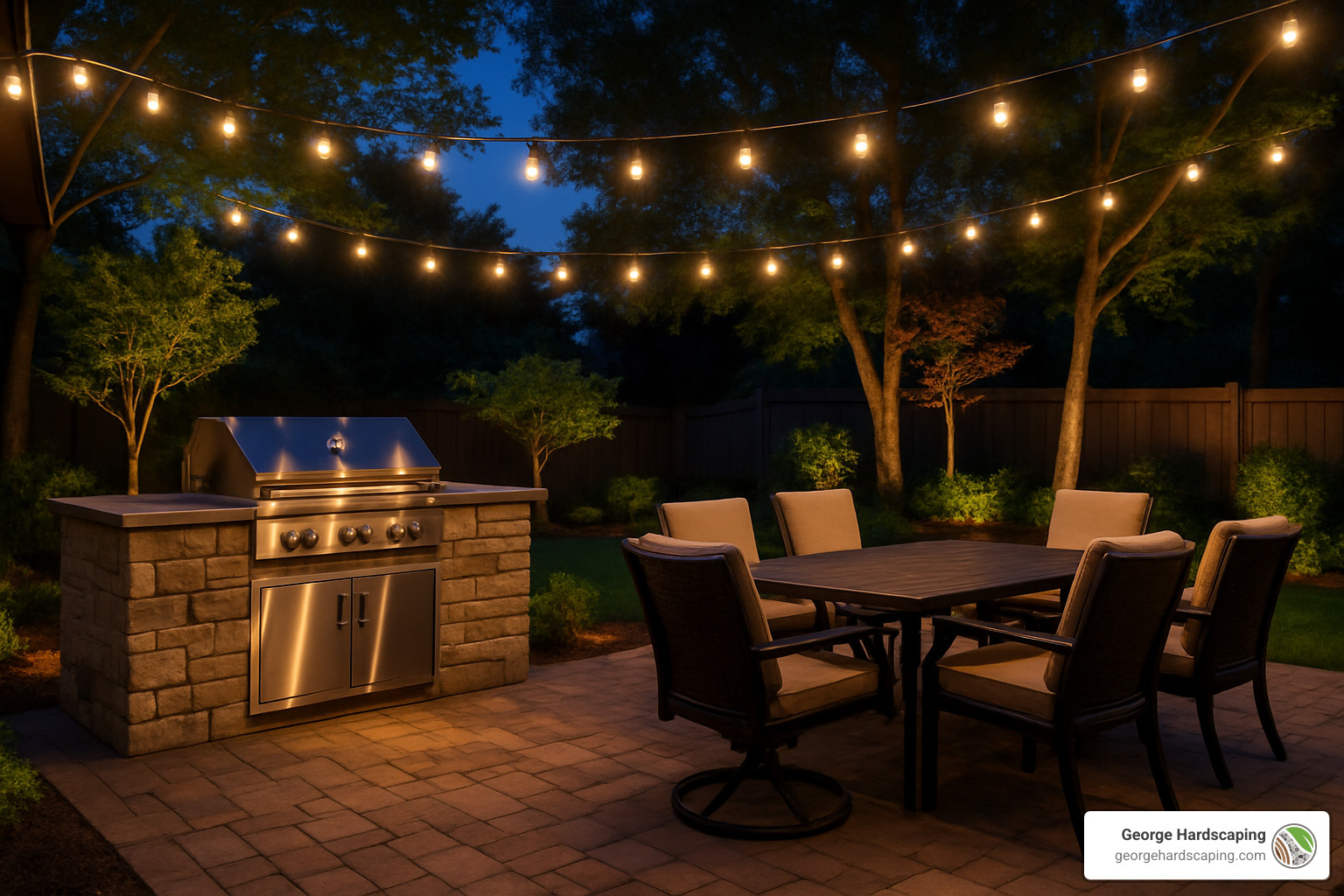
Your outdoor kitchen seating area should feel like the natural heart of your backyard – a place where conversations flow as easily as the wine and where everyone gravitates without being asked. After helping countless North Shore families create these special spaces, we’ve learned that the magic happens when thoughtful design meets genuine understanding of how people love to gather outdoors.
The best outdoor seating areas don’t just happen by accident. They start with smart planning that considers how your family actually uses outdoor space, continue with quality materials that can handle our unpredictable New England weather, and finish with those special touches that make guests never want to leave.
Whether you’re dreaming of built-in banquettes that maximize your compact Salem patio or fire pit conversation circles that keep the party going past sunset in your spacious Newburyport yard, successful outdoor seating creates zones for different activities while maintaining that essential flow between cooking and socializing.
The investment you make today in thoughtful seating design pays you back every time you host a birthday party, every evening you unwind after work, and every weekend morning you linger over coffee outdoors instead of rushing back inside. Plus, with outdoor kitchens boosting home values by up to 12%, you’re creating value that extends far beyond your own enjoyment.
At George Hardscaping, we’ve seen how the right hardscaping foundation – from custom patios that accommodate perfect furniture arrangements to retaining walls that double as casual seating – transforms ordinary backyards into extraordinary gathering spaces throughout Beverly, Danvers, and the entire North Shore region.
Your outdoor kitchen seating area should reflect your family’s personality and entertaining style while standing up to whatever Mother Nature throws at it. The combination of durable materials, smart layout, and attention to comfort creates spaces that improve with age and use.
Ready to create your own backyard gathering spot? More info about hardscape design services – George Hardscaping can turn your seating ideas into a North Shore showpiece that becomes the backdrop for years of memories with family and friends!
