
covered patio ideas: 75 Stunning Ways to Boost Your Outdoor Bliss 2025
Changing Your Outdoor Living Space
Looking for covered patio ideas to lift your backyard? Here are the most popular options at a glance:
| Covered Patio Type | Best For | Average Cost Range |
|---|---|---|
| Pergola | Filtered shade, vine growth | $2,000-$10,000 |
| Roof Extension | Full protection, home integration | $4,500-$35,000 |
| Gazebo/Pavilion | Freestanding structures | $3,000-$15,000 |
| Retractable Awning | Flexibility, sun control | $2,000-$8,000 |
| Aluminum Covers | Low maintenance, durability | $3,500-$12,000 |
| Shade Sails | Modern look, budget-friendly | $500-$5,000 |
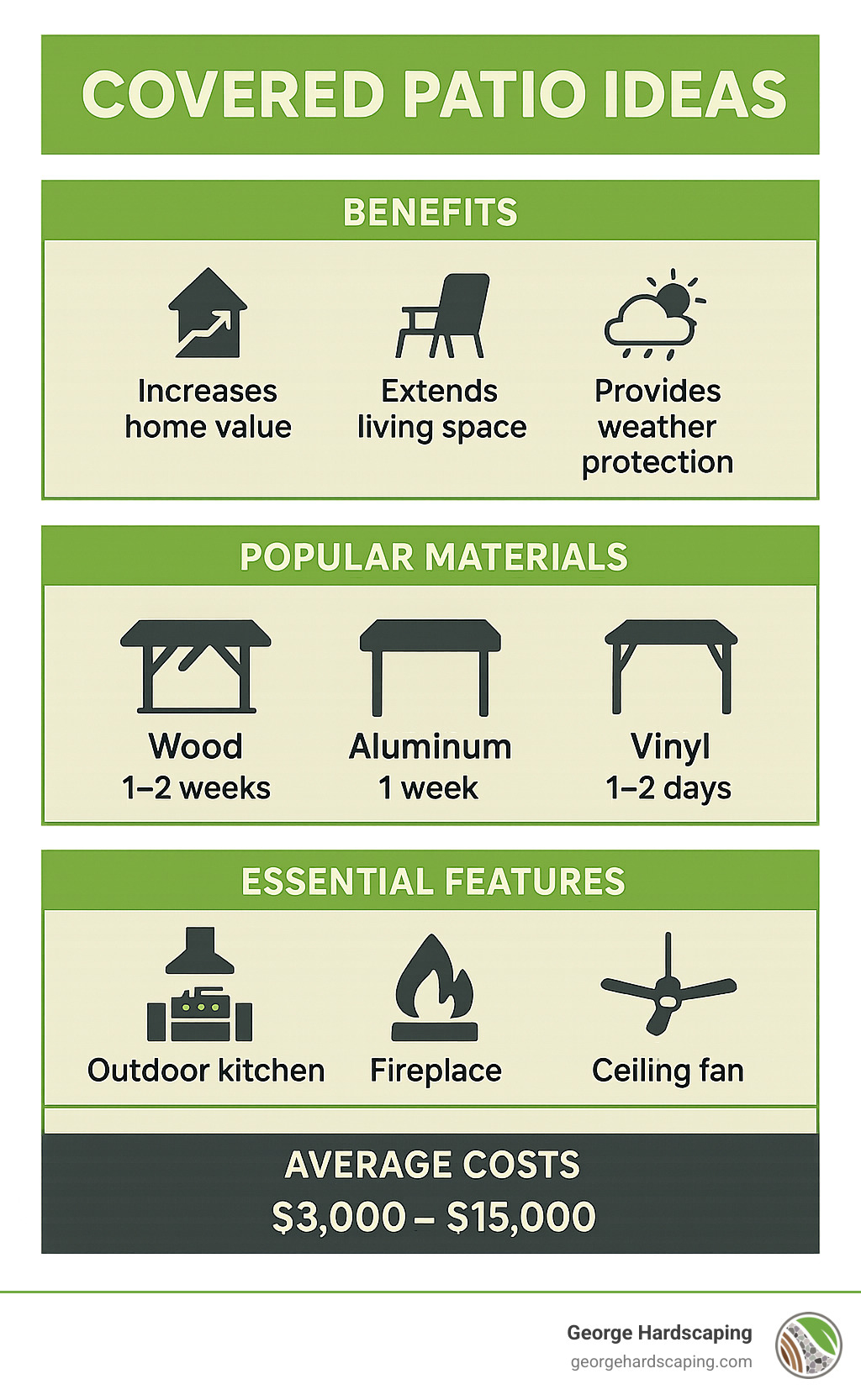
Covered patio ideas are among the top three most requested outdoor living features by homeowners today, and for good reason. These versatile structures transform basic backyard spaces into true extensions of your home, creating comfortable, usable living areas regardless of weather conditions.
Adding a covered patio isn’t just about comfort—it’s an investment. According to real estate experts, a well-designed covered patio can increase your home’s value by up to 12%, with homeowners recouping an average of 55% of their investment at resale.
Since 2020, demand for outdoor living projects, including covered patios, has surged by 58%. This reflects our collective desire to maximize every square inch of our properties and create multi-functional spaces that blend indoor comforts with outdoor freshness.
Whether you’re seeking protection from harsh sun, shelter from unexpected rain, or simply a defined space for entertaining, a covered patio provides the perfect solution. The options range from simple DIY projects using budget-friendly materials to elaborate custom-built structures that serve as year-round outdoor rooms.
The key to a successful covered patio is treating it as a true extension of your indoor living space—with appropriate furniture, lighting, decor, and amenities that make it both functional and inviting. Today’s weatherproof fabrics, durable materials, and innovative designs mean your outdoor space can be just as stylish and comfortable as your interior rooms.
75 Covered Patio Ideas at a Glance
When it comes to covered patio ideas, the possibilities are truly endless! I’ve gathered our favorite designs that homeowners across Essex County have been loving lately. Whether you’re dreaming of a cozy weekend retreat or an elaborate outdoor entertaining space, there’s something here to spark your imagination.
Pergolas remain one of our most requested features, with their versatile design allowing for everything from simple wooden structures with climbing vines to sophisticated versions with retractable canopies. Many of our clients start with a basic pergola and gradually improve it with string lights, ceiling fans, or even hanging planters to create their perfect outdoor room.
Pavilions and gazebos offer more substantial coverage while creating beautiful focal points in larger yards. I’ve seen stunning octagonal gazebos become the heart of garden gatherings, while rectangular pavilions work beautifully alongside pools or as dedicated dining spaces. The architectural details on these structures—from ornate brackets to tiered rooflines—can truly lift your outdoor design.
For those seeking maximum protection with minimal maintenance, aluminum covers and roof extensions connect seamlessly with your home. The gabled designs are particularly popular here in Massachusetts, where snow load considerations are important. Many homeowners are now incorporating skylights into these solid covers, bringing in natural light while maintaining full weather protection.
Covered patio ideas for the tech-savvy homeowner include louvered roof systems that adjust with the touch of a button. These modern marvels can be programmed to track the sun or close automatically when rain sensors detect moisture—perfect for our unpredictable New England weather!
Budget-conscious homeowners aren’t left out either. Shade sails offer affordable, colorful options that can transform a space for a fraction of the cost of permanent structures. I’ve seen creative DIY enthusiasts craft beautiful outdoor rooms using overlapping triangular sails in complementary colors.
The finishing touches really make these spaces shine. Privacy walls (whether lattice, solid panels, or planter-integrated designs) help define the space. Outdoor kitchens ranging from simple grill stations to elaborate culinary centers with pizza ovens extend your entertaining capabilities. And nothing beats gathering around a stone fireplace or modern fire table when those cool coastal evenings roll in.
Smart technology has found its way outdoors too, with weatherproof TVs, integrated sound systems, and programmable lighting changing patios into true extensions of indoor living.
The best covered patio ideas aren’t just about the structure itself—they’re about creating a space that reflects your lifestyle and improves the way you enjoy your home throughout all seasons. As you browse through these options, think about how you’ll use your space and which features will bring you the most joy for years to come.
1. Pergola Perfection
There’s something magical about a pergola that keeps it at the top of covered patio ideas year after year. It’s that perfect sweet spot between open-air freedom and sheltered comfort—defining your outdoor space without boxing it in.
Traditional pergolas feature gorgeous cedar beams in an open lattice pattern overhead, creating a natural ceiling that dances with light and shadow throughout the day. The sturdy posts that support this framework become natural anchors for your outdoor room, framing views and creating a sense of arrival.
“What my clients love most about pergolas is how they transform with the seasons,” says our senior designer at George Hardscaping. “In summer, the structure supports lush vines like wisteria or grape that create natural cooling shade. Come fall, these same plants put on a spectacular color show right overhead.”
Beyond natural greenery, today’s pergolas can be customized with retractable canopies that slide open on beautiful days and provide shelter when clouds roll in. String lights woven through the beams create a starry ceiling for evening gatherings, while hanging plants add living texture at eye level.
For our New England clients, material choice matters tremendously. Cedar and redwood remain favorites for their natural beauty and resistance to our harsh weather conditions. They naturally resist rot and insects while developing a rich, silvery patina over time. For homeowners seeking zero maintenance, powder-coated aluminum pergolas offer clean lines with industrial strength—perfect for contemporary landscapes.
More info about Patio Covers Designs
Covered Patio Ideas for Small Yards
Living in Essex County often means making the most of modest outdoor spaces. If your yard is more postage stamp than sprawling estate, these covered patio ideas will help you think big in small spaces:
Slim-profile pergola posts minimize footprint while maintaining structural integrity. Wall-mounted designs eliminate the need for support posts altogether, instantly reclaiming precious square footage. For truly tight spaces, corner pergolas transform often-overlooked yard angles into cozy retreats.
Furnishings make all the difference in small spaces. Nesting tables and stackable chairs can expand when company arrives and tuck away when not needed. Built-in bench seating along pergola posts does double duty with hidden storage underneath for cushions and outdoor gear.
“One of my favorite small-yard changes was for a Salem couple with just 12×14 feet to work with,” shares our lead installer. “We created a wall-mounted pergola with vertical herb gardens integrated into the structure. They gained a dining space that smells amazing when they brush against the basil and rosemary during summer dinners.”
The beauty of a well-designed pergola is that it doesn’t fight with your landscape—it improves it, creating a natural transition between indoor comfort and outdoor beauty, regardless of your yard size.
2. Sleek Roof Extensions
For homeowners who want true all-weather protection with a polished look, roof extensions offer the most seamless solution among all covered patio ideas. These structures essentially continue your home’s existing roofline outward, creating a natural-looking outdoor room that feels like it was always part of your house.
“When done right, a roof extension shouldn’t scream ‘addition’ – it should whisper ‘this was meant to be here all along,'” says our lead designer at George Hardscaping. “That’s the mark of quality design-build work.”
Roof extensions come in several architectural styles to complement your home. The classic gable style mirrors your home’s existing roof pitch for a perfectly matched look. For more contemporary homes, a sleek shed roof with a gentle slope provides efficient water runoff while maintaining clean lines. Modern flat roof designs incorporate subtle drainage systems that maintain a minimalist aesthetic while still handling New England’s sometimes unpredictable weather.
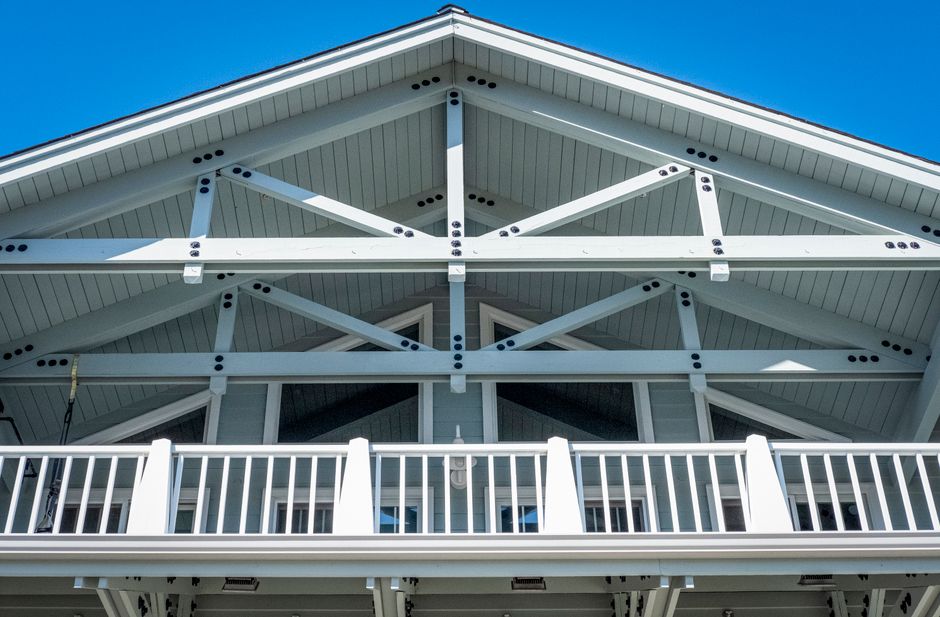
The ceiling treatment under your roof extension creates an opportunity to add character and warmth. Many of our Essex County clients opt for tongue-and-groove wood ceilings that bring natural texture and warmth to the space. Beadboard offers that quintessential New England cottage charm, while exposed beams create a rustic, substantial feel. For a more finished look, smooth ceilings with recessed lighting create an indoor-quality space that happens to be outdoors.
Beyond just looking good, roof extensions deliver practical benefits that boost your home’s value. According to local real estate data from the North Shore, homes with architecturally matched covered patios can command 8-10% higher asking prices – a significant return on investment. Homebuyers in Beverly and Danvers particularly value these outdoor living spaces that extend the usable square footage of the home.
To maximize comfort and extend your outdoor season, consider these thoughtful upgrades:
Skylights bring natural light beneath even fully covered areas, preventing the space from feeling dark or cave-like. Ceiling fans create refreshing air movement during humid summer afternoons. Recessed infrared heaters can extend your patio season well into fall, making those crisp October evenings perfectly comfortable. And don’t forget about integrated gutters and downspouts – they’re not glamorous, but they’re essential for proper water management and protecting your investment.
“The beauty of a roof extension is that it truly becomes an outdoor room,” our construction manager points out. “You get the fresh air and natural setting of being outdoors with the comfort and protection of being indoors – it’s really the best of both worlds.”
More info about Patio Covers Designs
3. Gazebo & Pavilion Getaways
There’s something magical about walking across your lawn to a dedicated retreat space. Gazebos and pavilions offer enchanting covered patio ideas that create true destination spots within your landscape.
Gazebos charm with their distinctive hexagonal or octagonal shapes topped with pointed roofs, while pavilions present a more straightforward rectangular footprint with practical hip or gable roofing. Both create defined outdoor rooms that transform how you experience your property.
“When we install a freestanding structure, we’re creating more than just shade,” shares our design team. “It becomes a true destination in your yard—somewhere to journey to rather than simply step onto. That subtle psychological difference makes these spaces feel special and used more often.”
These structures excel as poolside cabanas where swimmers can change or relax between dips. They make perfect dining destinations set away from the house, creating memorable meal experiences. Many clients use them as meditation or yoga retreats where the separate space helps clear the mind. Others transform them into entertainment pavilions complete with outdoor kitchens or serving bars.
For coastal properties in Gloucester, Manchester-by-the-Sea, or Rockport, we often infuse nautical elements that complement the seaside setting. Navy and white color schemes evoke maritime traditions, while rope and cleat details add authentic touches. Porthole-inspired windows and weather-resistant cedar shingles further improve the coastal character that feels right at home on the North Shore.
Privacy features can transform these naturally open structures into more intimate retreats. Retractable side curtains not only block prying eyes but also provide excellent wind protection during blustery days. Mosquito netting creates bug-free environments for evening enjoyment. Partial-height walls with upper openings maintain airflow while creating cozy enclosures, and climbing plants on trellises develop into living privacy screens that change with the seasons.
The foundation beneath these structures isn’t just important—it’s essential for longevity in our challenging New England climate. Essex County’s notorious freeze-thaw cycles demand proper concrete footings extending below the frost line (typically 48″ in our region) to prevent the shifting and settling that can compromise structural integrity over time.
A well-designed gazebo or pavilion creates that resort feeling right in your own backyard, becoming a natural gathering spot that draws family and friends outdoors. When thoughtfully integrated with surrounding landscaping, these structures become the crown jewels of your outdoor living space.
Casa Watkins Living Casa Watkins Living
4. Retractable & Louvered Roof Marvels
Imagine adjusting your outdoor ceiling with the press of a button. That’s the magic of retractable and louvered roof systems—the Swiss Army knife of covered patio ideas. These sophisticated solutions let you control your environment based on whatever Mother Nature throws your way.
Louvered roof systems feature adjustable slats that pivot open for sunshine and fresh air or close tight when rain clouds gather. They’re like convertible cars for your patio, offering the best of both worlds.
“These systems effectively give you two patios in one,” explains our product specialist. “An open-air space when weather permits, and a fully protected room when conditions change.”
Today’s premium systems come packed with smart features that would make any tech enthusiast smile. Motorized louvers respond to your smartphone commands, rain sensors trigger automatic closure when the first drops fall, and integrated drainage channels whisk water away without a splash. The aluminum construction stands up to coastal salt air and seasonal changes without complaint.
While these marvels of outdoor engineering aren’t inexpensive—typically ranging from $10,000 to $30,000 for an average-sized patio—many Essex County homeowners find the investment worthwhile for the year-round comfort they provide.
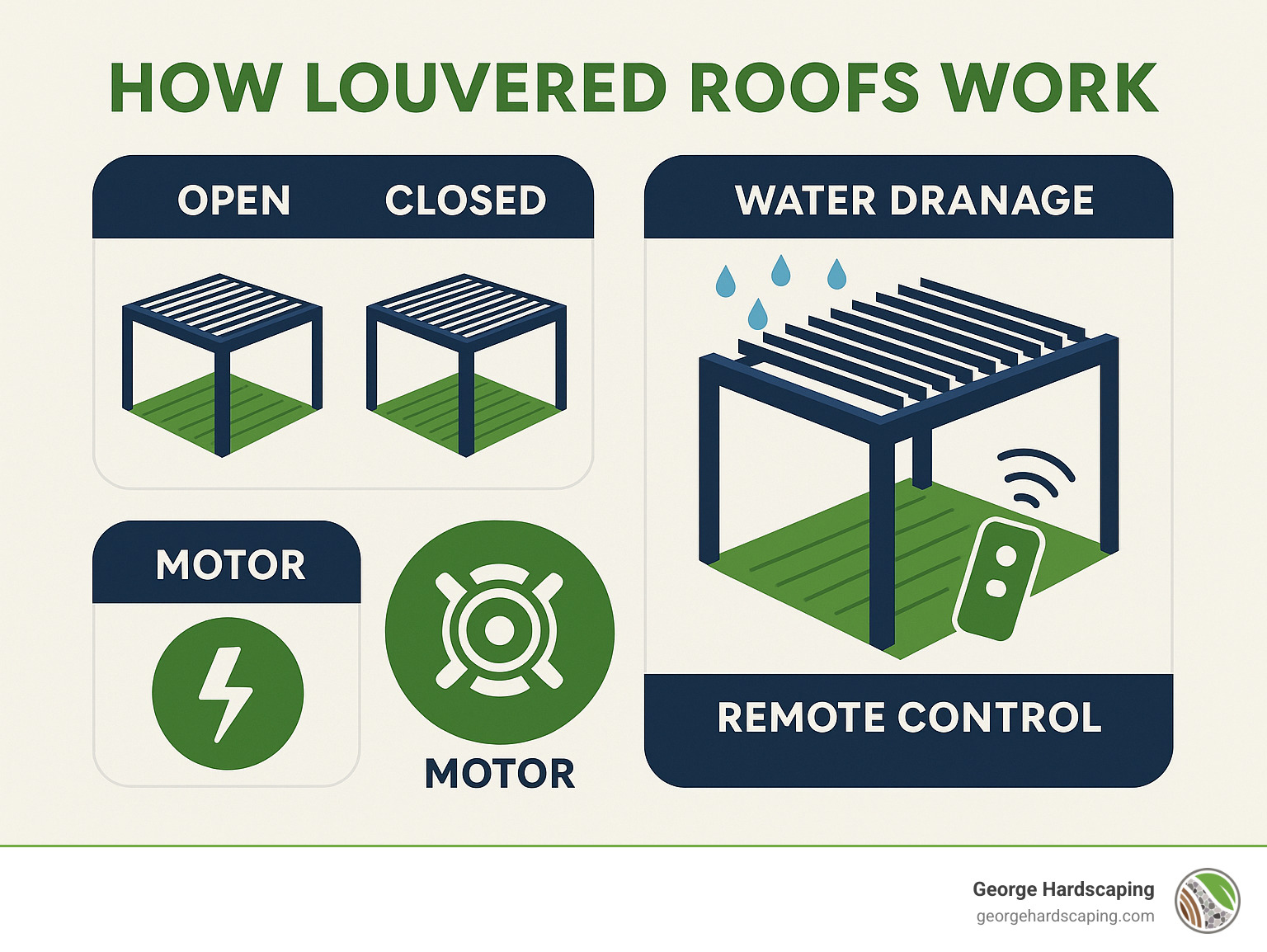
The benefits extend beyond just staying dry. These systems protect expensive outdoor furniture from UV damage and fading, give you precise control over light levels (perfect for outdoor TV viewing), and improve ventilation compared to solid roofs. In summer, they prevent heat buildup that can make traditional covered spaces uncomfortable.
“Our clients who install these systems consistently tell us they’re using their patios at least twice as often as before,” notes our installation team. “They’re especially popular in places like Ipswich and Newburyport, where coastal weather can change rapidly.”
Covered Patio Ideas on a Budget
Not ready to invest in a fully automated system? You don’t need to break the bank to get some of the same flexibility. Consider these wallet-friendly alternatives:
Manual louver kits give you the same adjustability without the motors and electronics. A simple hand crank or push-pole lets you control the angle of the slats. DIY shade cloth systems that slide on cables offer similar functionality at a fraction of the cost, while partial louvered sections combined with fixed roofing give you the best of both worlds.
Sometimes, the most affordable approach is refreshing what you already have. A fresh coat of paint on an existing structure, new hardware, and some roll-up bamboo or canvas shades can transform a dated pergola into a flexible, contemporary space.
“Even simple solutions can dramatically increase the usability of your patio,” our team emphasizes. “The key is identifying your biggest comfort challenges—whether that’s too much sun, rain protection, or privacy—and addressing those first.”
5. Awning & Shade Sail Hacks
Looking for covered patio ideas that won’t require a construction crew? Awnings and shade sails offer the perfect blend of style and function without major structural changes. These lighter-touch solutions have become particularly beloved in historic areas like Salem, Newburyport, and Marblehead, where architectural preservation rules might limit your renovation options.
Traditional fabric awnings bring a timeless charm to any home. There’s something undeniably classic about those crisp striped patterns extending from your exterior wall, creating an instant outdoor room beneath. Many of our Essex County clients choose retractable models that can be adjusted seasonally or even daily as the sun moves across their property.
“I love recommending marine-grade fabrics to our coastal clients,” says our design consultant. “They stand up beautifully to salt air and resist fading even with constant sun exposure. Plus, we can customize the shape to complement unique architectural features like bay windows or curved walls.”
For those with more contemporary tastes, shade sails offer what I like to call “functional sculpture” for your outdoor space. These geometric fabric pieces create dramatic shadows and visual interest while providing practical sun protection. The beauty of shade sails lies in their versatility – overlapping configurations can expand your coverage area, while vibrant colors can transform a neutral backyard into a personality-filled retreat.
If you’re considering shade sails for your coastal property, wind resistance should be top of mind. We recommend investing in marine-grade hardware specifically rated for coastal conditions and installing quick-release mechanisms so you can easily take down your sails before major storms. Proper mounting points are crucial too – these fabrics create significant tension when properly installed, so your attachment points need to handle those forces.
Want to maximize the effectiveness of your shade solution? Consider angling your shade sails to naturally shed rainwater rather than collecting it (puddles of water can stretch and damage the fabric over time). Creating height variation not only looks more interesting but also improves airflow underneath, keeping your patio space cooler on hot summer days. And thoughtful positioning that blocks sun during your peak usage hours – whether that’s afternoon cocktails or morning coffee – will make all the difference in your enjoyment.
“What surprises many homeowners is how quick the installation can be,” our team often notes. “While a permanent roof structure might take weeks, we can have beautiful shade sails up in a single day, changing your outdoor experience immediately.”
More info about Deck and Patio
6. Rustic Retreats & Farmhouse Feels
There’s something undeniably charming about rustic, farmhouse-inspired covered patio ideas that feel right at home in the more rural corners of Essex County. In towns like Topsfield, Boxford, and Rowley, these designs don’t just create outdoor spaces—they tell stories through materials and craftsmanship.
Timber frame structures stand as the backbone of these countryside retreats. We’ve found that our clients are drawn to the honest simplicity of exposed post-and-beam construction, where each joint and connection reveals the craftsman’s hand. Traditional mortise and tenon joinery isn’t just beautiful—it creates structures that stand the test of time, much like the historic barns that dot our New England landscape.
“When we work with reclaimed barn wood, each piece brings its own history,” shares our lead carpenter. “Those weathered grains and original saw marks can’t be faked—they’re like fingerprints from the past that make each project unique.”
For roofing, many of our rural clients opt for corrugated metal. It’s not just practical with its exceptional durability and rain-shedding properties—that distinctive rippled profile and gentle patter during rainfall create a sensory experience that connects you to the outdoors, even while sheltered.
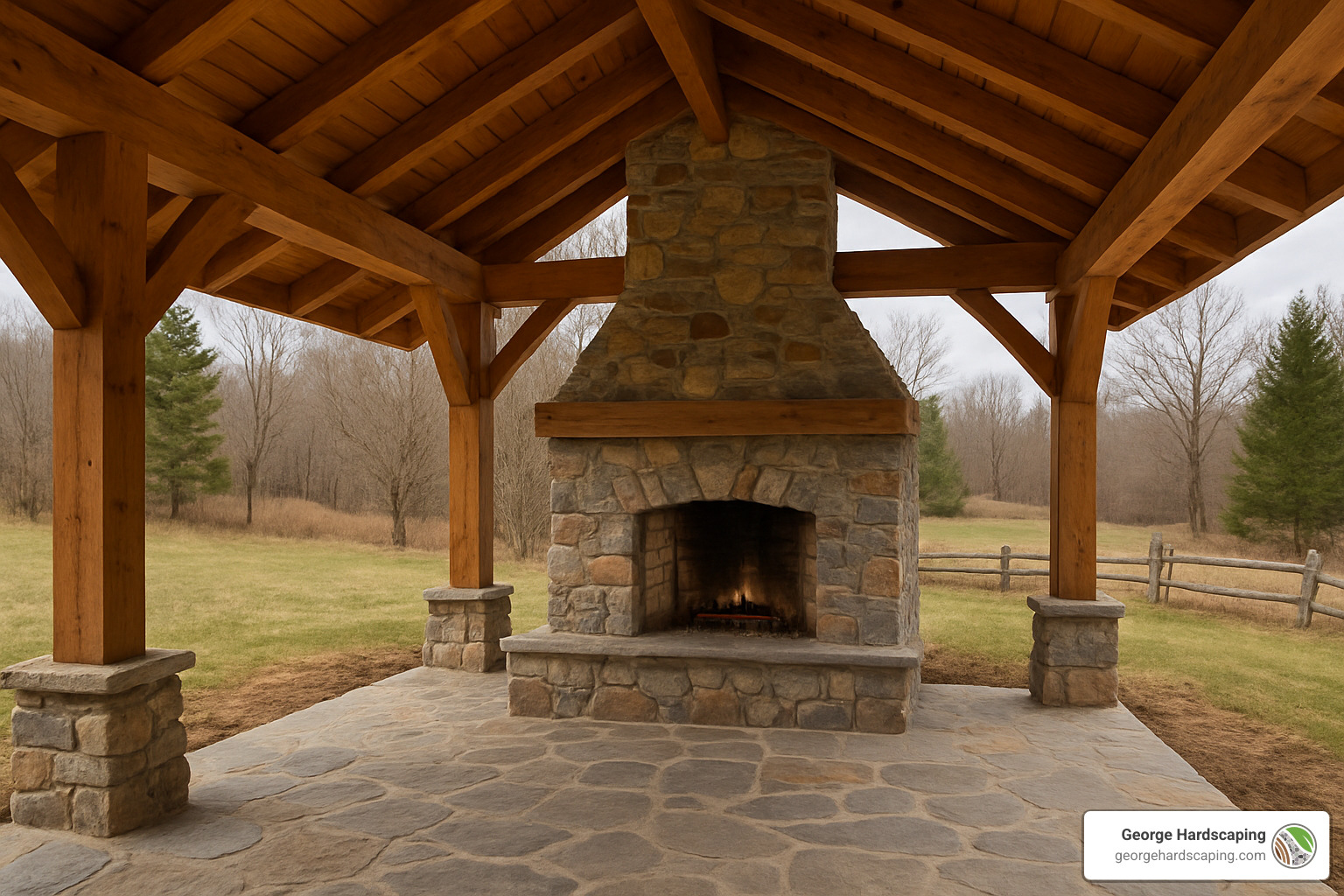
The marriage of stone and wood is what truly grounds these covered patio ideas in New England tradition. Fieldstone columns provide sturdy support while connecting your structure to the surrounding landscape. We often incorporate dry-stacked stone walls to define patio boundaries—a nod to the historic stone walls that have marked New England properties for centuries.
“These designs honor New England’s architectural heritage,” explains our masonry specialist. “We’re recreating the honest craftsmanship of early American structures but with modern engineering for safety and longevity.”
Perhaps nothing captures the heart of rustic outdoor living better than a stone fireplace. As both visual anchor and gathering spot, these hearths become the natural focal point of any covered patio. The dancing flames against rugged stonework create an irresistible draw, especially during our crisp fall evenings.
Lighting transforms these spaces after sunset, with each fixture carefully chosen to improve the rustic atmosphere. Wrought iron lanterns cast warm, patterned light across stone floors. Edison-style string lights weave between beams, creating a canopy of gentle illumination overhead. Many of our clients opt for copper path lights that develop a beautiful natural patina over time, complementing the weathered wood tones.
The magic of rustic covered patio ideas lies in their textural richness. We deliberately play with contrasts—rough-hewn beams against smooth stone, sturdy timber frames softened by woven outdoor fabrics, and cast iron accessories adding industrial touches to natural settings. Even underfoot, natural fiber rugs help define seating areas while adding another layer of tactile interest.
These rustic retreats aren’t just about aesthetics—they’re designed for comfort in all seasons. Deep cushioned furniture invites lingering conversations, while strategically placed heaters extend your outdoor enjoyment well into New England’s cooler months. The result is a space that feels both timeless and timely—rooted in tradition but perfectly suited to modern living.
More info about Patio Covers Designs
7. All-Weather Aluminum & Steel Structures
When Essex County weather throws everything from summer scorchers to winter blizzards at your outdoor space, aluminum and steel covered patio ideas deliver peace of mind with remarkable durability.
These modern materials have revolutionized what’s possible for year-round outdoor living. Unlike their wooden counterparts, aluminum patio covers stand strong against our coastal salt air and seasonal moisture without a hint of rust or rot.
“The beauty of aluminum structures is that they give you Saturday afternoons back,” explains our product specialist. “While your neighbors are up on ladders staining their wooden pergolas, you’re actually enjoying your patio with a cold drink in hand.”
Today’s aluminum options come with surprisingly authentic finishes. Alumawood products feature textured surfaces and wood-grain patterns that, from just a few feet away, are nearly indistinguishable from painted cedar—but they’ll look exactly the same a decade from now without a drop of sealer or paint.
For homeowners seeking a more contemporary aesthetic, powder-coated steel structures create striking modern lines with industrial flair. The superior strength of steel allows for more ambitious designs with:
- Longer spans between support posts (perfect for unobstructed views)
- Cantilevered sections that extend without visible support
- Heavier snow load capacity for inland Essex County properties
- Clean, minimalist profiles that complement modern architecture
What about the investment? While metal structures typically cost more upfront than wood, the long-term math favors aluminum and steel when you factor in maintenance savings:
| Material | Initial Cost | Annual Maintenance | Lifespan | Style Options |
|---|---|---|---|---|
| Wood | $$ | High | 15-20 years | Traditional, rustic |
| Aluminum | $$$ | None | 30+ years | Traditional, contemporary |
| Vinyl | $$ | Low | 20-30 years | Limited, mostly white |
| Steel | $$$$ | Low | 50+ years | Modern, industrial |
Budget-conscious homeowners might start with entry-level aluminum lattice covers in the $3,500-$7,000 range, while mid-range insulated aluminum patio covers typically run $7,000-$15,000 installed. For those creating truly custom outdoor living spaces, premium steel structures start around $15,000 and can exceed $30,000 for larger, more complex designs.
“We’ve had clients initially hesitant about the price difference between wood and aluminum,” shares our design consultant. “But when we show them the 30-year cost comparison with zero maintenance, they quickly see the value. One client calculated he’d save over 500 hours of maintenance time over 20 years—that’s nearly a month of full-time work!”
For North Shore homes battling sea breezes and salt air, these materials provide best resilience. The powder-coating process fuses color to the metal at the molecular level, creating a finish that won’t chip, peel, or fade like paint on wood inevitably will.
Whether you prefer the traditional look of Alumawood or the sleek lines of contemporary steel, these structures deliver what every New England homeowner craves: beauty without the burden of endless upkeep.
8. Compact & Urban Patios
Those cozy townhomes in Peabody, Salem, and Swampscott deserve outdoor living spaces too! When square footage is limited, thoughtful covered patio ideas can transform even the smallest areas into charming retreats that feel surprisingly spacious.
Side yards – those narrow passages many homeowners overlook – offer untapped potential for outdoor enjoyment. With the right approach, these spaces become intimate gathering spots or peaceful reading nooks. Wall-mounted pergolas eliminate the need for support posts, freeing up precious floor space. Meanwhile, built-in bench seating along perimeter walls creates both seating and a sense of enclosure without consuming the center of your patio.
“I always tell clients that constraints breed creativity,” shares our small-space specialist at George Hardscaping. “Some of our most innovative designs have come from working with challenging urban lots where every inch matters.”
For those lucky enough to have rooftop or balcony access, the sky’s the limit – literally! These liftd spaces require special consideration, though. We carefully select lightweight materials that won’t overtax structural supports while ensuring wind resistance appropriate for higher elevations. Privacy screens are strategically positioned to block unwanted views without sacrificing the breezes and vistas that make rooftop spaces so appealing.
Multi-functionality becomes essential when working with compact areas. A clever approach involves creating zones that transition throughout the day – perhaps a morning coffee nook that transforms into an evening entertainment space. Furniture that folds, nests, or serves multiple purposes (like storage benches or convertible fire pit tables) maximizes functionality without cluttering the space.
Vertical elements are your best friends in small patios. Living walls and climbing plants add lush greenery without consuming floor space. Overhead structures like slim pergolas or retractable canopies define the space vertically while providing shade and a sense of enclosure. Planter walls serve triple duty by adding greenery, creating privacy, and offering informal seating.
“Urban patios should feel like outdoor rooms, not leftover spaces,” our designer explains. “The key is thoughtful planning that considers traffic flow, sight lines, and how the space connects to both your home and the surrounding environment.”
Lighting becomes especially important in compact spaces. Well-placed sconces, string lights, or recessed lighting can visually expand the area after dark while creating an intimate atmosphere for evening enjoyment. Consider layering different light sources at various heights for maximum impact.
Small spaces amplify both good and challenging design choices. In compact areas, every element should earn its keep by serving a purpose, complementing the aesthetic, and contributing to the overall comfort of your outdoor retreat.
More info about Patio Design Installation
9. Outdoor Kitchen Havens
There’s something magical about cooking and dining under the open sky—especially when you’ve got all the comforts of a well-designed kitchen at your fingertips. Outdoor kitchen covered patio ideas have become the crown jewel of backyard entertaining, creating spaces where food preparation becomes part of the social experience.
“We’ve noticed a huge shift in how homeowners view their outdoor spaces,” shares our lead designer at George Hardscaping. “They’re no longer satisfied with just dragging a portable grill onto the patio. They want a complete cooking environment that lets them stay connected with guests while preparing meals.”
The heart of any outdoor kitchen is typically the grill station, which can range from a simple built-in gas grill to elaborate setups with smokers, side burners, and rotisseries. Many of our Essex County clients are embracing the wood-fired pizza oven trend, creating memorable family pizza nights where everyone participates in the cooking process.
Good design ensures your outdoor kitchen remains functional in New England’s variable climate. Thoughtfully positioned roof overhangs protect cooking areas from unexpected rain showers, while proper ventilation prevents smoke from pooling overhead. For clients in windier coastal areas like Gloucester and Rockport, we often incorporate strategic windbreaks that shield cooking flames without blocking views or conversation.
Counter space is absolutely crucial—you’ll need room for food prep, serving, and gathering. Durable materials like granite, concrete, or porcelain withstand our harsh freeze-thaw cycles while looking beautiful year after year. If budget allows, consider different counter heights to create dedicated prep zones and comfortable bar seating where guests can chat with the chef.
The right appliances transform your outdoor kitchen from basic to extraordinary. Beyond grills, consider:
Refrigeration keeps beverages and ingredients cold while minimizing trips indoors. Undercounter refrigerators and ice makers are especially popular for entertaining.
Sinks with hot water make cleanup infinitely easier and more hygienic. Plumbing considerations should include proper drainage and winterization for our cold climate.
Storage solutions keep utensils, serving pieces, and cooking tools organized and protected from the elements. Look for marine-grade cabinetry that resists moisture and temperature fluctuations.
Lighting deserves special attention in outdoor kitchen design. “You need three types of lighting,” explains our outdoor living specialist. “Task lighting for safe food preparation, ambient lighting for overall visibility, and accent lighting to create atmosphere after sunset.” Recessed lights in the patio cover, under-cabinet LEDs, and strategically placed pendants create a layered lighting scheme that works for both cooking and dining.
The most successful outdoor kitchen covered patio ideas create natural flow between cooking, dining, and relaxation zones. Rather than isolating the chef at the far end of the patio, we design spaces where cooking becomes part of the entertainment. L-shaped or U-shaped layouts often work best, creating a cooking zone that opens toward seating areas.
For year-round enjoyment in our New England climate, consider incorporating ceiling fans to disperse heat and smoke during summer cookouts, and infrared heaters to extend the season into chillier months. Some clients even opt for fully enclosed outdoor kitchens with retractable screens or glass doors that can be opened in perfect weather and closed during less ideal conditions.
Outdoor kitchens should complement your indoor cooking space rather than duplicate it. Focus on the types of cooking that shine outdoors—grilling, smoking, pizza making—rather than trying to recreate your entire indoor kitchen. This approach ensures your investment delivers unique entertaining experiences that simply can’t happen indoors.
My 100 Year Old Home My 100 Year Old Home
10. Fireside & Heater Hangouts
Nothing transforms a covered patio quite like the warm glow of fire. In Essex County’s chilly evenings and brisk fall weather, covered patio ideas centered around heat sources can extend your outdoor enjoyment by months – sometimes even through winter.
A stone fireplace creates more than just warmth; it becomes the heart of your outdoor space. These impressive structures draw the eye and invite gathering, with their substantial presence anchoring your patio design. We’ve built countless masonry fireplaces with beautiful fieldstone or cut stone veneers that complement New England homes perfectly. Many homeowners love incorporating raised hearths that double as extra seating when you have guests over.
“I tell clients to think of their fireplace as furniture, focal point, and function all wrapped into one,” says George, our founder. “It’s not just about the heat – it’s about creating that magnetic spot where everyone naturally wants to sit.”
For a more modern approach, gas fire features offer incredible convenience. With the push of a button, you can have instant ambiance without the smoke or cleanup of traditional wood fires. Covered patio ideas featuring linear fire tables create dramatic ribbons of flame that complement contemporary designs, while round fire bowls provide a more traditional campfire feel with none of the hassle.
Safety always comes first when combining fire and overhead structures. We carefully calculate proper clearances between flames and roof materials, recommend heat-resistant materials for nearby surfaces, and ensure adequate ventilation – especially important for wood-burning fireplaces under cover. For gas features, we often suggest installing carbon monoxide detectors as an extra precaution in more enclosed patio spaces.
Beyond traditional fireplaces, we’ve seen growing interest in recessed ceiling heaters that virtually disappear into your patio cover when not in use. These infrared units warm people and objects directly rather than trying to heat the air, making them remarkably efficient even in open-sided structures.
The magic happens when we design ceilings with heat reflection in mind. Certain materials and finishes can dramatically improve the efficiency of your heating elements by directing warmth downward where you actually need it. This thoughtful approach means you’ll spend less on fuel while staying perfectly comfortable.
Don’t forget the simple joy of gathering around flames with loved ones. We always build what we call “marshmallow zones” – safe, accessible spots where kids (and kids at heart) can toast treats without getting too close to the main fire. These small touches make your covered patio a memory-making machine, especially on cool autumn evenings when the amber glow creates an irresistible atmosphere.
Whether you prefer the crackle and aroma of real wood or the convenience of gas, adding a heat source to your covered patio ideas transforms your outdoor space from a fair-weather feature to a true extension of your home that you’ll enjoy throughout the changing seasons.
11. Tech-Improved Patios
Bringing technology to your outdoor space might sound contradictory—after all, isn’t the patio where we go to escape screens and devices? But thoughtfully integrated tech can actually improve your outdoor experience, making your covered patio ideas more functional and enjoyable year-round.
Today’s weather-resistant entertainment options have come a long way from the days of dragging a speaker to the backdoor. Modern outdoor TVs feature anti-glare screens that remain visible even in bright sunlight, while maintaining picture quality that rivals your indoor viewing experience.
“We’ve installed weatherproof TVs that have survived five New England winters without a hitch,” shares our lead installer. “The key is proper placement under your covered structure, away from direct water exposure but still visible from comfortable seating areas.”
Hidden audio systems deliver impressive sound without visual clutter. Small weatherproof speakers can be tucked beneath eaves, mounted to pergola beams, or even disguised as landscape lighting. Many of our clients in Ipswich and Hamilton are surprised by how natural music sounds when it comes from strategically placed speakers rather than a single portable unit.
For movie enthusiasts, retractable projection screens paired with compact projectors create magical evening entertainment. Imagine watching the Red Sox under the stars with friends gathered on your patio—it’s an experience that brings people together in a way indoor viewing simply can’t match.
Smart lighting deserves special attention in your covered patio ideas. Beyond basic on/off functionality, today’s systems offer:
- Programmable scenes for different activities and moods
- Color-changing capabilities for seasonal celebrations
- Motion sensors for safety and convenience
- Dawn-to-dusk scheduling that adjusts with seasonal changes
- Voice and smartphone control
The less visible side of tech integration involves the infrastructure that makes it all work seamlessly. Thoughtful planning during construction prevents headaches later:
“We always install extra conduit when building covered patios,” explains our project manager. “Even if you don’t need those cable pathways today, having them in place makes future upgrades simple instead of requiring you to tear up finished spaces.”
Wi-Fi extenders ensure your internet connection reaches your outdoor space, making it possible to work remotely from your patio or stream content without buffering. Some clients in Andover have even created dedicated outdoor workspaces under their covered patios, complete with charging stations built directly into posts or furniture.
For those investing in louvered or retractable roof systems, smart controllers add tremendous value. Weather sensors can automatically close your roof when rain is detected or adjust louvers throughout the day to optimize shade as the sun moves across the sky.
All electrical elements in outdoor spaces require proper weatherproofing and GFCI protection. Working with professionals who understand both technology and outdoor construction ensures your systems remain safe and functional through harsh weather conditions.
The best tech additions to covered patio ideas are the ones that fade into the background when not needed, yet improve your experience when called upon. The goal isn’t to recreate your living room outdoors, but rather to bring just enough convenience and comfort to make your outdoor space truly livable in more seasons and situations.
12. Green & Sustainable Shades
Eco-conscious homeowners across Essex County are embracing environmentally friendly covered patio ideas that align with their values while creating beautiful outdoor living spaces. These green approaches don’t just reduce environmental impact—they often create more comfortable, energy-efficient outdoor rooms.
Solar integration has become one of the most exciting developments in sustainable patio covers. Imagine relaxing under a pergola where the roof doesn’t just provide shade—it generates electricity for your evening lighting or outdoor kitchen. Modern photovoltaic panels can be seamlessly incorporated into solid roof sections, while battery storage systems ensure you have power even after sunset.
“What’s fascinating about today’s solar options is how well they can blend with design aesthetics,” explains our sustainability specialist. “We’re well beyond the bulky blue panels of the past. Today’s solar elements can complement rather than detract from your outdoor living space.”
For clients concerned about material sourcing, we offer a range of sustainable options. Reclaimed timber salvaged from old barns and factories throughout New England brings authentic character and history to your space. When new wood is required, we prioritize FSC-certified lumber harvested from responsibly managed forests. For modern designs, recycled metal components and composite materials made from post-consumer waste provide durability without depleting natural resources.
Water management represents another opportunity to make your covered patio environmentally beneficial. Decorative rain chains can replace traditional downspouts, guiding water from your patio roof to collection barrels or directly to garden areas. This harvested rainwater then serves as free irrigation for your landscape—particularly valuable during Essex County’s occasional summer dry spells.
The foundation beneath your patio matters too. Permeable pavers allow rainwater to seep through to the soil rather than contributing to stormwater runoff. For larger properties, thoughtfully designed bioswales can capture, filter, and slowly release water from your patio area, protecting local waterways from pollution and erosion.
Living elements add both beauty and environmental benefits to sustainable covered patio ideas. A partial green roof planted with drought-tolerant sedums creates natural insulation, absorbs rainwater, and provides habitat for pollinators. Living walls incorporate vertical plantings that cool the air through transpiration while filtering airborne pollutants. For traditional pergolas, training native vines like American wisteria or Virginia creeper provides natural shade while supporting local ecosystems.
“Green patios aren’t just about checking environmental boxes,” notes our design team. “They’re about creating outdoor spaces that work in harmony with nature—spaces that feel more alive, more connected to the landscape, and often more comfortable because they leverage natural systems for shade, cooling, and atmosphere.”
For privacy screens, fast-growing bamboo offers a renewable alternative to traditional fencing. As these plants grow, they actively sequester carbon from the atmosphere. When harvested and replaced, bamboo becomes a truly sustainable material cycle within your landscape.
The most successful sustainable covered patio ideas don’t feel like compromises—they improve both environmental performance and your enjoyment of the space, creating outdoor rooms that feel good in every sense of the word.
More info about Patio Design Installation
13. DIY & Budget-Friendly Builds
Who says creating a stunning covered patio requires a professional contractor and a massive budget? Some of the most charming and personal outdoor spaces come from rolling up your sleeves and letting your creativity shine with these wallet-friendly covered patio ideas.
There’s something uniquely satisfying about changing everyday materials into something beautiful for your home. Across Essex County, we’re seeing homeowners work wonders with repurposed materials that add character while keeping costs manageable:
“I’ve visited homes where the most talked-about patio feature was built from materials that cost less than $200,” shares our design consultant. “One Ipswich homeowner created a gorgeous pergola from reclaimed pallet wood, sanded it smooth, and whitewashed it for a coastal look that perfectly suits their colonial home.”
Wooden pallets, often available for free from local businesses, can be disassembled and rebuilt into rustic pergolas with character you simply can’t buy off the shelf. Similarly, PVC pipe—lightweight, affordable, and surprisingly versatile—makes an excellent framework for shade structures that can support canvas or shade cloth.
For privacy solutions, consider the charm of salvaged doors. Mounted between simple posts, these architectural elements create visual interest while blocking unwanted views. We recently helped a Salem homeowner arrange three vintage doors in a partial screen that defined their patio space while preserving airflow.
“Some of the most creative patios we’ve seen started with a tight budget and abundant imagination,” shares our design team. “Constraints often lead to innovative solutions.”
Already have a basic patio structure that needs refreshing? Consider these simple improvements that deliver big impact:
Give metal awnings new life with weather-resistant spray paint in a contemporary color. Transform a basic pergola with inexpensive mosquito netting that creates a dreamy canopy effect while keeping bugs at bay. Create the illusion of a ceiling by densely stringing café lights overhead—the warm glow they cast at night transforms even the simplest space into a magical retreat.
For budget-conscious homeowners across Essex County, these covered patio ideas deliver significant impact without breaking the bank:
Ready-to-assemble pergola kits ($500-$2,000) offer structural integrity with simplified installation. DIY shade sail installations require just $100-$500 in materials but create dramatic overhead planes that define your space. Weekend projects like lattice privacy screens ($200-$400) can be customized with climbing plants for a living privacy solution. When you’re just getting started, seasonal solutions like pop-up gazebos ($150-$800) provide immediate shelter while you save for more permanent structures.
While these budget-friendly options may not offer the decades-long durability of professional installations, they provide an excellent starting point that can be upgraded over time. Many of our clients at George Hardscaping began with DIY solutions that helped them understand exactly how they used their outdoor spaces before investing in custom permanent structures.
The beauty of these approachable projects is that they allow you to experiment with different covered patio ideas before committing to major construction—and they might just surprise you with how much enjoyment they bring to your outdoor living.
14. Flooring & Foundation Flair
The perfect covered patio ideas need a solid foundation to stand on. After all, what’s underfoot sets the stage for your entire outdoor experience—both visually and functionally.
“Many homeowners spend weeks choosing the perfect roof style but only minutes considering their patio floor,” explains our hardscaping expert at George Hardscaping. “In reality, your flooring choice impacts everything from maintenance to comfort to how often you’ll actually use the space.”
Throughout Essex County, we’ve installed countless patio foundations, with each material offering distinct advantages:
Concrete remains a versatile favorite, especially with decorative stamping that can mimic natural stone at a fraction of the cost. Modern staining techniques can transform basic concrete into rich, earthy tones that complement your home’s exterior. For budget-conscious homeowners, stamped concrete delivers impressive bang-for-buck, typically ranging from $8-30 per square foot installed, depending on complexity.
Porcelain tile has surged in popularity for contemporary patios, particularly in coastal areas like Marblehead and Gloucester. These tiles resist fading, staining, and salt damage while offering virtually unlimited design options. “The outdoor porcelain we install today looks nothing like your grandmother’s tile,” notes our design team. “Some mimic weathered wood so convincingly that guests have to touch it to believe it’s not actual timber.”
Natural stone creates timeless elegance that improves with age. Bluestone’s subtle blue-gray tones complement New England architecture beautifully, while granite offers best durability for high-traffic areas. Though premium materials like these typically start around $18 per square foot and can reach $45+ for specialty cuts, they often outlast the home itself.
Brick pavers bring traditional charm to covered patios, especially when laid in patterns like herringbone or basketweave. The rich red-orange tones warm up shaded areas and age gracefully over decades. For historic homes in Salem or Newburyport, nothing matches brick’s period-appropriate appeal.
Pea gravel provides a budget-friendly option (typically $3-10 per square foot) with excellent drainage properties. The pleasant crunch underfoot adds sensory appeal, though it requires occasional replenishment and works best in casual, relaxed settings.
Beyond aesthetics, practical considerations should guide your flooring choice:
Drainage planning prevents water pooling and potential foundation issues. Slight slopes (about 1/4 inch per foot) direct water away from your home, while permeable materials allow rainwater to naturally filter into the ground.
Slip resistance becomes crucial for covered patios that may stay damp longer after rain. Textured surfaces provide safer footing, especially around pool areas or for households with elderly members.
Climate compatibility ensures your patio withstands New England’s freeze-thaw cycles. Materials must be installed with proper base preparation—typically 6-8 inches of compacted gravel beneath high-quality pavers—to prevent winter heaving and settling.
For the ultimate in comfort, heated patio systems extend your outdoor season by months. Electric heating mats installed beneath your pavers maintain surface temperatures 20-30 degrees above ambient air temperature, melting snow and taking the chill off spring and fall evenings. While these systems represent a premium investment ($12-25 per square foot on top of standard paving costs), many Essex County homeowners find the extended outdoor living time well worth it.
“The foundation is literally what everything else builds upon,” our team emphasizes. “Investing in quality materials and proper installation at this stage prevents headaches and expenses down the road.”
More info about Patio Design Installation
15. Decor, Lighting & Furnishing Finishes
The magic of covered patio ideas truly comes alive with those final decorative touches that transform a simple structure into your personal outdoor sanctuary. After all, even the most beautifully designed patio cover needs the right furnishings and accessories to become a space you’ll actually use and love.
Let’s start with textiles – they’re the quickest way to add warmth and personality to your outdoor room. Today’s weatherproof fabrics have come a long way from the stiff, plastic-feeling options of the past. Look for outdoor rugs in vibrant patterns that anchor your seating area and feel surprisingly soft underfoot. Performance fabric cushions and pillows now come in countless colors and textures while still resisting fading, mildew, and moisture. For those breezy New England evenings, keep a basket of washable throw blankets nearby – they invite guests to linger longer as temperatures drop.
“I always tell clients to think of their covered patio as another room in their home,” says our design consultant at George Hardscaping. “The same principles of layering textures and creating visual interest apply outdoors – you just need materials that can handle the elements.”
When selecting furniture, balance is everything. A comfortable sectional creates a natural conversation area, while properly scaled dining sets ensure you have enough room for both seating and circulation. Instead of single-purpose pieces, look for multi-functional options like storage ottomans that serve as coffee tables, extra seating, and hidden storage for outdoor games or garden tools.
Color cohesion makes a huge difference in how polished your outdoor space feels. The most successful covered patio ideas feature a thoughtful palette that connects to both your home’s interior and the surrounding landscape. This creates that seamless indoor-outdoor flow that makes a covered patio feel like a natural extension of your home rather than an afterthought.
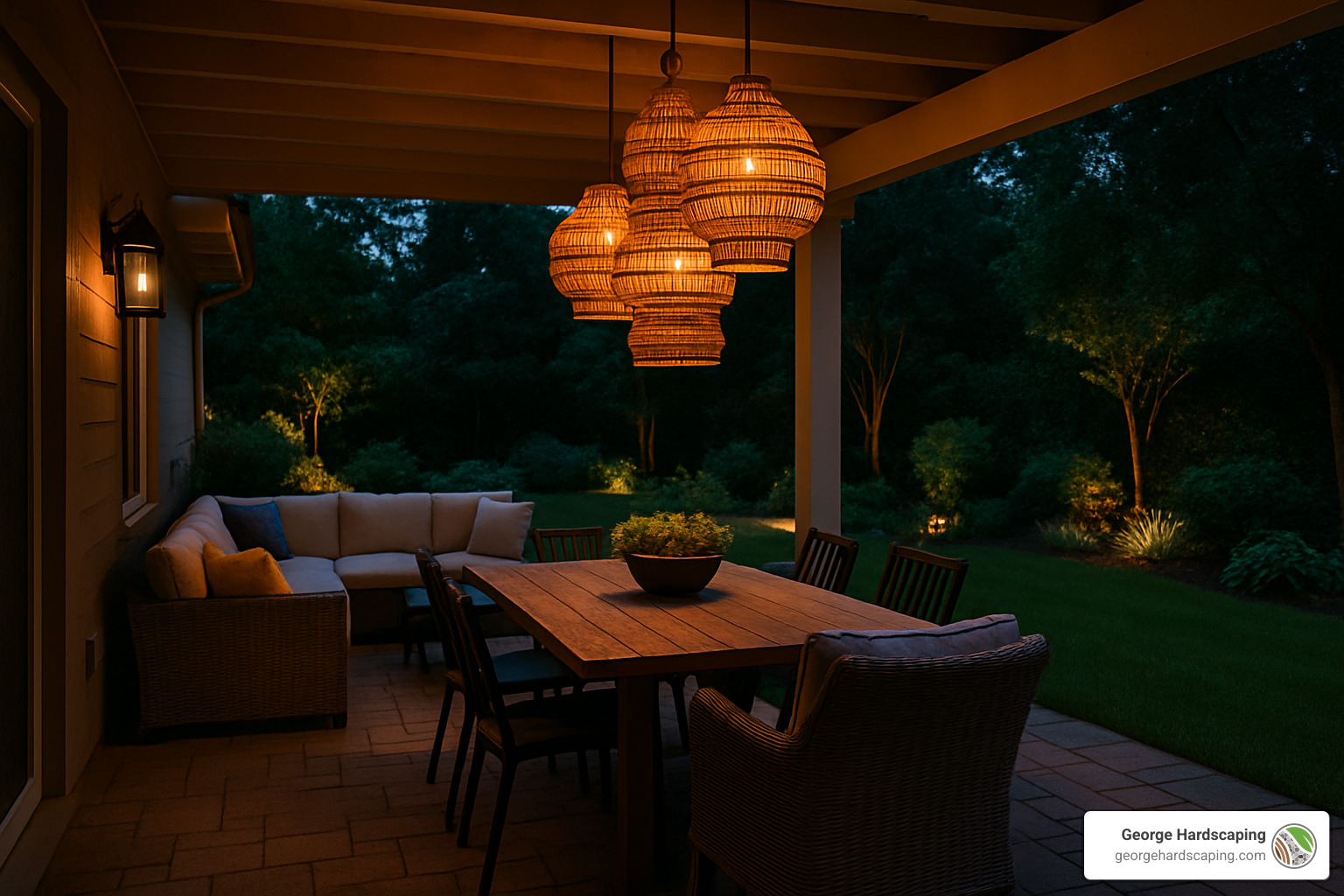
Lighting deserves special attention as it completely transforms your patio experience after sunset. The secret lies in layering different light sources – overhead fixtures for general illumination, task lighting near cooking or reading areas, and accent lighting to highlight architectural features or plantings. String lights woven through pergola beams create an instant magical atmosphere, while lanterns and flameless candles add a cozy glow for intimate gatherings. Don’t forget practical path lighting that ensures safe navigation while adding a decorative element to your landscape.
“Lighting is often an afterthought, but it’s what extends your patio enjoyment well into the evening,” our lighting specialist explains. “A well-lit patio becomes a glowing outdoor room visible from inside your home, essentially doubling its presence in your living space.”
Plants are the perfect finishing touch for any covered patio. Consider the specific light conditions created by your patio cover when selecting greenery – some areas might receive filtered light through pergola slats while others under solid roofs might need shade-loving varieties. Hanging planters save valuable floor space while drawing the eye upward, and tall potted plants can create natural privacy screens where needed.
Don’t be afraid to bring outdoor-friendly artwork into the mix – metal sculptures, weather-resistant canvas prints, or decorative screens can add personality and visual interest. Even simple elements like ceramic tabletop accessories in colors that complement your cushions can tie the whole look together.
The beauty of these decorative elements is their flexibility – you can easily refresh your patio’s look seasonally or as your taste evolves, without structural changes. Start with quality foundation pieces, then layer in affordable accents that can be updated over time. Your covered patio ideas will continue to evolve, creating an outdoor space that grows with your family and lifestyle for years to come.
More info about our patio design & installation services
Frequently Asked Questions About Covered Patios
What’s the average cost to add a roof over a patio?
When homeowners in Essex County ask us about adding a roof over their existing patio, we always explain that costs can vary significantly based on several factors. Typically, you might invest anywhere between $4,500 and $35,000, with most projects landing around $6,500.
What drives these price differences? Size is obviously a major factor—covering a sprawling 400-square-foot patio naturally requires more materials than a cozy 100-square-foot space. Material choices dramatically impact your budget too. A simple wooden pergola might be quite affordable, while a motorized louvered aluminum roof system represents a premium investment.
Design complexity plays a huge role as well. A straightforward attached lean-to roof might cost half what you’d pay for a custom-designed pavilion with decorative trim and built-in lighting. Don’t forget that your existing patio might need structural reinforcement to support a new roof—something we always evaluate during initial consultations.
Here in Essex County, labor rates and permit fees can differ from national averages, which is why we provide customized quotes based on your specific property and vision. These are average costs based on internet data and not actual costs for George Hardscaping. We’re always happy to provide a detailed estimate custom to your project.
How does a covered patio increase home value?
“My covered patio was the feature that sold my house in just three days,” a recent client from Marblehead told us—and that’s no surprise to real estate professionals. A thoughtfully designed covered patio can boost your home’s value by 8-12%, offering one of the best returns on your outdoor investment.
Why do buyers place such a premium on these spaces? First, they instantly expand your home’s livable area. In New England’s limited outdoor season, protection from sun, rain, and early fall frost effectively extends your living space for months longer than an uncovered area.
The curb appeal factor can’t be overstated either. A beautiful cedar pergola or classic colonial-style pavilion adds architectural interest that makes your property stand out in listing photos and during showings. We’ve had clients tell us that potential buyers spent more time exploring their outdoor living space than some interior rooms!
There’s also a practical energy benefit—properly positioned patio covers can shade windows and sliding doors during summer months, reducing cooling costs. In today’s competitive real estate market, these distinctive outdoor features create emotional connections with buyers who can immediately envision themselves entertaining family and friends in these spaces.
Which materials last longest in New England weather?
New England’s challenging climate—with freezing winters, humid summers, and coastal salt exposure—demands thoughtful material selection for covered patio ideas. After decades of building outdoor structures throughout Essex County, we’ve learned which materials truly stand the test of time.
Natural stone is practically indestructible in our climate. Granite columns and bluestone flooring might cost more initially, but they’ll likely outlast your ownership of the home. For roof structures, powder-coated aluminum has become our go-to recommendation for coastal properties—it simply doesn’t corrode, even with salt spray.
Cedar deserves special mention for wooden structures. Its natural oils resist insects and decay, allowing it to weather gracefully to a silver-gray patina that many homeowners find beautiful. For a more contemporary look, composite materials offer wood-like appearance with superior durability and virtually no maintenance.
Some materials require more frequent attention in our New England climate. Standard pressure-treated pine needs sealing every 1-2 years to prevent warping and splitting. Wrought iron, while beautiful, demands vigilant rust prevention in coastal communities like Gloucester and Rockport. Fabric elements should generally be stored during winter months to prevent damage.
“The secret to longevity isn’t just choosing premium materials,” our construction manager often tells clients. “It’s installing them correctly with proper footings that extend below the frost line, quality flashing that prevents water infiltration, and thoughtful design that manages snow loads and prevents ice dams.” These technical details might not be visible in the finished project, but they make all the difference in how your covered patio performs over decades of New England weather.
Conclusion
After exploring these 75 covered patio ideas, it’s clear that changing your outdoor space is limited only by imagination. Whether you’re drawn to a classic cedar pergola, a high-tech louvered roof system, or a cozy stone fireplace pavilion, there’s a perfect solution waiting for your unique needs, style preferences, and budget.
Here at George Hardscaping, we’ve spent over twenty years creating custom outdoor living spaces throughout Essex County. Our team knows the challenges and opportunities that come with New England’s distinctive climate and architectural heritage. From windswept coastal properties in Gloucester to historic homes in Salem, we design covered patios that honor their surroundings while delivering year-round enjoyment.
The value of a thoughtfully designed covered patio extends far beyond what it might add to your property value (though that 8-12% increase is certainly nice!). The real return comes in life’s small moments made possible by your new space—watching summer thunderstorms roll in from the comfort of your covered seating area, hosting holiday gatherings that spill outdoors even in October, or simply enjoying your morning coffee outside regardless of a gentle drizzle.
Your outdoor space should work as hard as your indoor rooms do, but with an added connection to nature that makes it special. The right covered patio creates this perfect balance—protection when you need it, openness when you want it, and beauty you’ll appreciate every day.
We’d love to help you bring these covered patio ideas to life on your property. Our comprehensive design-build approach ensures a seamless experience from initial concept through final construction, with the quality masonry and hardscaping craftsmanship that’s become our hallmark across the North Shore.
Memories are waiting to be made in your outdoor space. Let’s create a covered patio you’ll treasure for years to come.
More info about our patio design & installation services
