
Modern retaining wall designs: Top 5 Stunning Trends
Modern retaining wall designs are changing landscapes by blending aesthetics and functionality. In the 21st century, these structures have evolved beyond their original purpose of just preventing soil erosion. Now, they are an integral part of modern landscaping, offering a sleek and sophisticated look that improves any outdoor space.
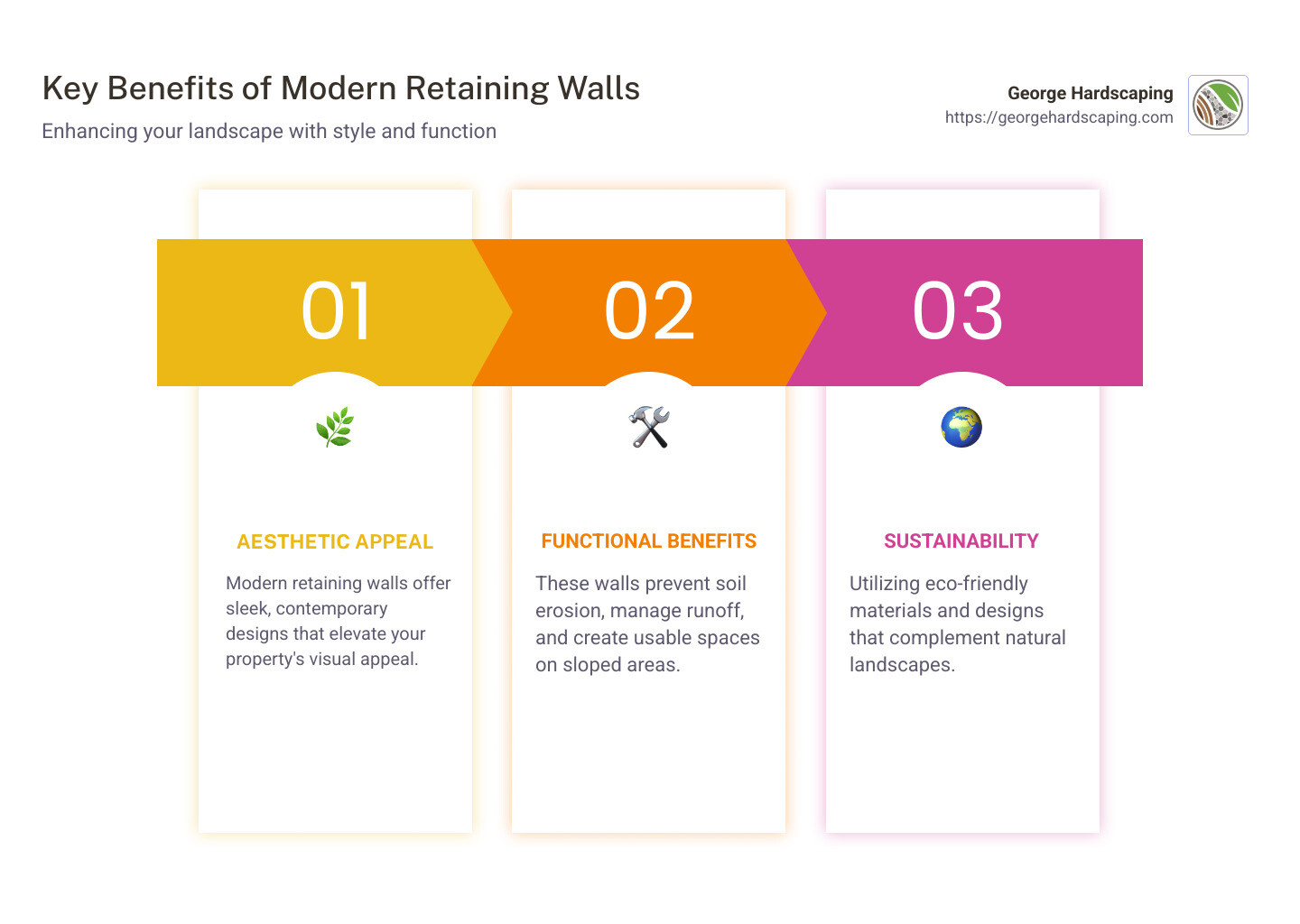
- Aesthetic Appeal: Contemporary retaining walls add visual interest to gardens, yards, and outdoor spaces. Their clean lines and neat materials lift your property’s overall appearance.
- Functional Benefits: Beyond aesthetics, retaining walls control soil erosion, manage stormwater runoff, and create usable flat spaces on sloped terrains. They are a critical component for maintaining structural integrity in landscapes, especially in hilly regions like Essex County, MA.
For homeowners in the North Shore who value quality craftsmanship and durability, modern retaining wall designs are a smart investment that combines beauty with practicality.
Bring your outdoor vision to life with smart, stylish, and sustainable retaining wall solutions.
Modern Retaining Wall Designs
Modern retaining wall designs have come a long way from being mere functional structures. Today, they are a blend of contemporary aesthetics, innovative materials, and budget-friendly options, enhancing the look and usability of outdoor spaces.
Contemporary Styles
Modern retaining walls are all about clean lines and minimalistic designs. They integrate seamlessly into landscapes, making them an excellent choice for homeowners seeking a sleek, modern look. These walls are not just structural necessities but artistic elements that add value and appeal to your property.
- Sleek and Simple: Opt for designs that complement the natural surroundings. Simple geometric shapes and smooth finishes can create a harmonious balance with nature.
- Mixed Materials: Combining different materials like stone and metal can add texture and depth, creating a contemporary yet timeless appeal.
Innovative Materials
The choice of materials is crucial in modern retaining wall designs. Each material offers unique benefits, from durability to aesthetic appeal.
- Concrete: Known for its strength and versatility, concrete can be molded into various shapes and finishes to suit any landscape design.
- Steel: Corten steel, which is designed to rust, adds a rustic yet modern touch. Its durability makes it ideal for long-lasting structures.
- Timber and Stone: These materials provide a natural look, blending seamlessly with outdoor environments. They are perfect for those who prefer an organic aesthetic.
Budget-Friendly Options
Building a modern retaining wall doesn’t have to break the bank. With careful planning and material selection, you can achieve a stylish design without overspending.
- Concrete Blocks: These are a cost-effective choice, offering durability and ease of installation. They are available in various sizes and colors to match your design preferences.
- Recycled Materials: Using reclaimed wood or stone not only saves money but also adds a unique character to your wall.
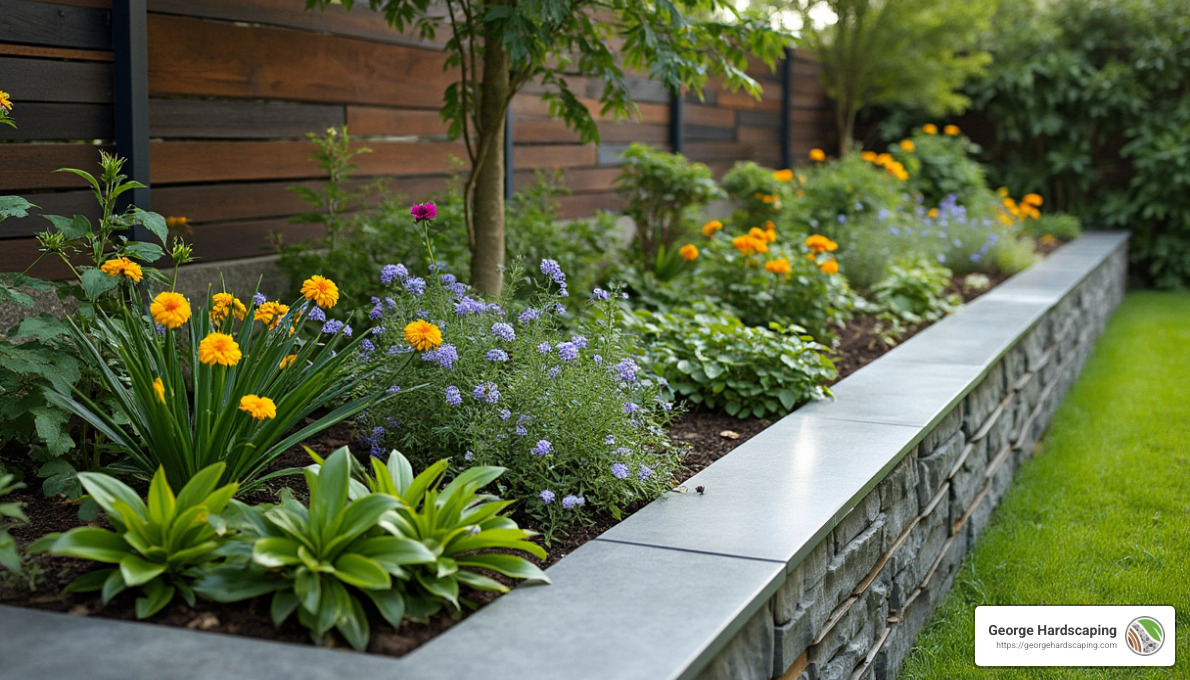
Incorporating modern retaining wall designs into your landscape is a smart way to improve both the beauty and functionality of your outdoor space. Whether you’re dealing with a sloped backyard or looking to add some flair to your front yard, these designs offer a plethora of options to suit any style and budget.
Top 5 Materials for Modern Retaining Walls
Choosing the right material for your retaining wall is crucial. Each option offers unique advantages in terms of durability, aesthetics, and cost. Here are the top five materials that are shaping modern retaining wall designs today.
1. Concrete
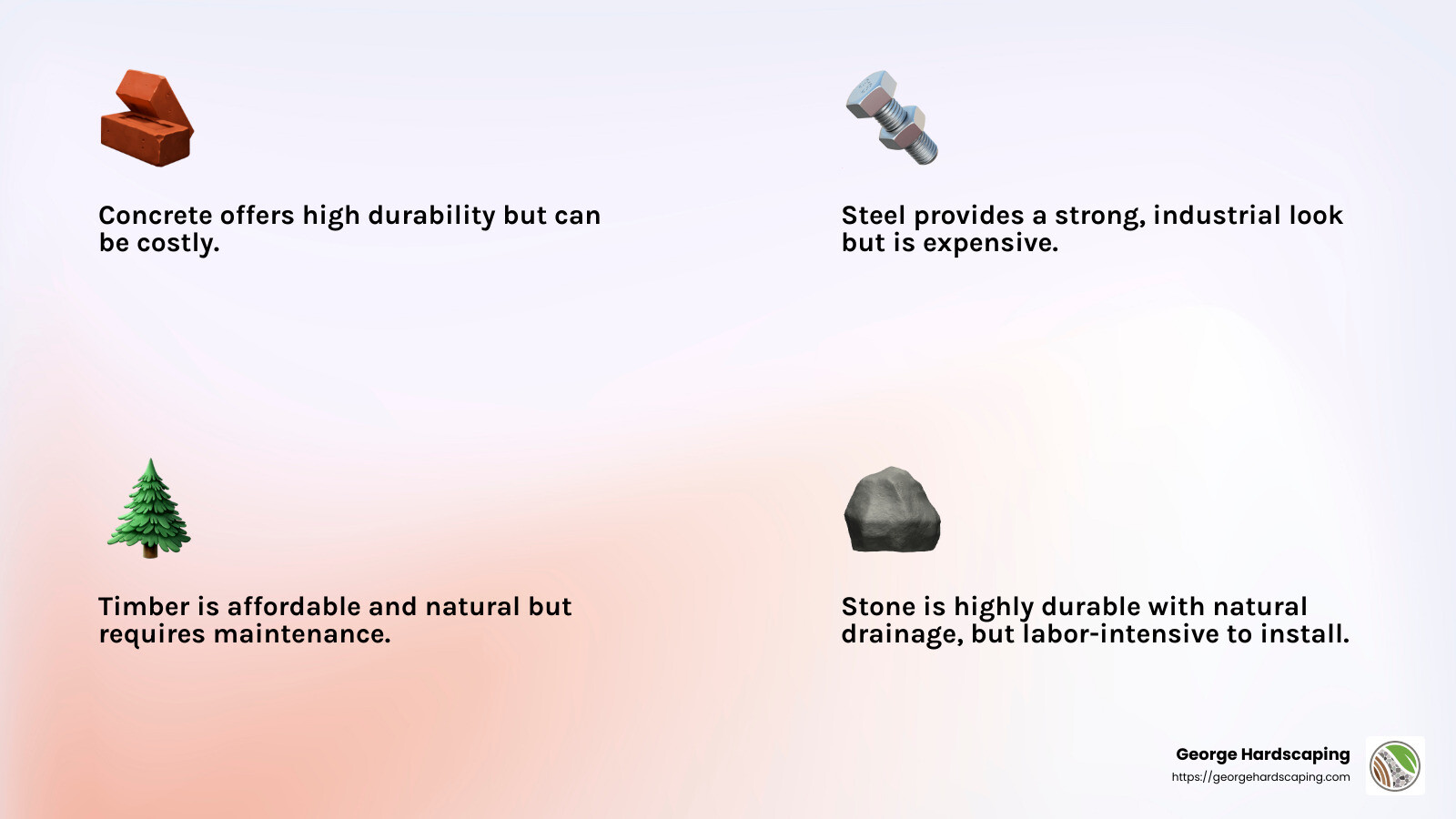
Concrete is a popular choice for retaining walls due to its strength and versatility. It can be molded into various shapes and finishes, making it adaptable to any landscape design. Its durability is best, providing long-lasting support even in harsh weather conditions.
- Pros: Extremely durable, versatile in design, low maintenance.
- Cons: Can be more expensive than other materials, installation requires professional skills.
2. Steel
Steel, especially Corten steel, is gaining popularity for its modern, industrial look. Corten steel is designed to rust, forming a protective layer that prevents further corrosion. This makes it a durable and visually striking option for retaining walls.
- Pros: Strong and durable, unique aesthetic that changes over time.
- Cons: Higher cost, may not suit all landscapes.
3. Timber
Timber offers a natural, rustic appeal that blends well with many landscapes. It’s a cost-effective material, especially when using pressure-treated wood, which extends its lifespan.
- Pros: Affordable, easy to work with, aesthetically pleasing.
- Cons: Shorter lifespan than stone or concrete, requires regular maintenance to prevent rot.
4. Stone
Stone walls are timeless and offer a natural look that complements any outdoor space. They are highly durable and can be constructed using various types of stone, such as fieldstone or flagstone, each providing a unique texture and color.
- Pros: High aesthetic value, extremely durable, natural drainage.
- Cons: Can be expensive, labor-intensive to install.
5. Brick
Brick retaining walls offer a classic look and are known for their strength and durability. They can be arranged in various patterns to create a unique design.
- Pros: Durable, classic aesthetic, wide range of colors and textures.
- Cons: Can be costly, requires skilled labor for installation.
When selecting materials for your retaining wall, consider factors like climate, budget, and the overall design of your landscape. Each material has its benefits, so choose one that aligns with your aesthetic and practical needs.
Design Ideas for Different Landscapes
When it comes to modern retaining wall designs, adapting to different landscapes is key. Whether you have a sloped backyard, a front yard that needs a facelift, or a terraced garden, the right design can transform these spaces into functional and beautiful areas.
Sloped Backyard
A sloped backyard can be a challenge, but it also offers a unique opportunity for creative retaining wall designs. Retaining walls can transform a steep slope into a series of flat, usable terraces. This not only adds more functional space but also creates visual interest.
- Tiered Levels: Use multiple retaining walls to create different levels. This can be ideal for planting various types of vegetation, from flowers to vegetables.
- Incorporate Steps: Steps can be integrated into the retaining wall design to provide easy access between levels, making the space more usable and inviting.
Front Yard
The front yard is your home’s first impression, and a well-designed retaining wall can improve its curb appeal.
- Curved Walls: Instead of straight lines, consider curved retaining walls. They add a soft, welcoming feel and can guide visitors naturally towards the entrance.
- Mixed Materials: Combine materials like stone and timber for a modern yet warm look. This approach can highlight different textures and colors, making the design more dynamic.
Terraced Gardens
Terraced gardens are perfect for those with a passion for gardening but limited flat space. Retaining walls are essential in creating these multi-level gardens.
- Natural Stone: Use natural stone for a classic, timeless look. Stones like granite or limestone are durable and blend seamlessly with the garden’s natural elements.
- Water Features: Consider integrating a small waterfall or pond into the terrace. This not only adds a soothing sound element but also improves the garden’s aesthetic.
By tailoring your retaining wall design to suit the landscape, you can create a space that is both practical and visually pleasing. Whether you’re dealing with slopes, enhancing your front yard, or crafting a terraced garden, the right design can make all the difference.
Common Mistakes to Avoid
When planning modern retaining wall designs, avoiding common pitfalls can save you time, money, and frustration. Here are some key mistakes to steer clear of:
Choosing the Wrong Material
Selecting the right material is crucial for both aesthetics and functionality. Some materials may not suit your specific landscape needs.
- Rubber or Off-the-Shelf Steel Edging: As Hovis points out, these materials often detract from the landscape’s aesthetic. Instead, opt for large landscape boulders or natural stone to maintain a higher visual standard.
- Incompatible Materials: Ensure the material you choose can withstand your local climate. For instance, timber might not be ideal in areas with heavy rainfall due to its susceptibility to rot.
Inadequate Drainage
Proper drainage is essential to prevent water buildup and potential wall failure.
- Ignoring Drainage Needs: Retaining walls must manage water effectively. Without proper drainage, water can build up behind the wall, increasing pressure and risk of collapse.
- Lack of Drainage Solutions: Incorporate drainage pipes or gravel backfill to allow water to escape. This helps maintain the wall’s integrity and prevents erosion.
Not Considering the Frost Line
In colder climates, the frost line is a critical factor in retaining wall design.
- Shallow Foundations: Building a wall with a foundation that doesn’t extend below the frost line can lead to shifting and cracking as the ground freezes and thaws.
- Ignoring Local Climate: It’s essential to understand the frost depth in your area and design your wall’s foundation accordingly to ensure long-term durability.
By avoiding these common mistakes, you can ensure your retaining wall is both beautiful and effective. Proper material selection, drainage planning, and foundation depth are key elements in creating a lasting and functional design.
Frequently Asked Questions about Retaining Walls
What is the strongest retaining wall design?
Poured concrete is considered one of the strongest designs for retaining walls. This method involves pouring concrete into a mold to create a solid, continuous wall. Its durability is best, making it ideal for supporting large amounts of soil or in areas prone to heavy rainfall and erosion.
Reinforced concrete takes this strength a step further by embedding steel bars (rebar) within the concrete. This reinforcement allows the wall to withstand even greater pressure and reduces the risk of cracking or failure over time.
What is the most affordable retaining wall?
For those on a budget, concrete blocks and railroad ties are popular choices. Concrete blocks are pre-formed and can be stacked easily, making them a cost-effective option for DIY enthusiasts. They come in various shapes and sizes, offering flexibility in design without compromising on strength.
Railroad ties, often made from treated wood, are another budget-friendly option. While not as durable as concrete, they provide a rustic aesthetic and are relatively easy to install. It’s important to ensure the wood is treated to resist rot, especially in wet climates.
What is the basic rule of retaining wall design?
The fundamental principle in retaining wall design is ensuring stability and durability. One of the key methods to achieve this is through a cantilever design. This involves extending a slab of concrete from the base of the wall into the retained soil, creating a lever arm that helps balance the forces acting on the wall.
By using reinforced concrete in a cantilever design, the wall gains additional strength and stability. This approach is especially effective for taller walls or those retaining significant soil loads. Always consider local climate and soil conditions when planning your retaining wall to ensure it meets the necessary structural requirements.
Conclusion
At George Hardscaping, we believe that a well-designed retaining wall is more than just a functional necessity—it’s an opportunity to lift the aesthetic appeal of your outdoor space. Our commitment to quality and craftsmanship ensures that each project we undertake not only meets but exceeds our clients’ expectations.
Our team of skilled professionals specializes in creating modern retaining wall designs that blend seamlessly with your landscape. Whether it’s a sleek concrete wall for a contemporary look or a rustic stone structure that complements a traditional garden, we tailor our designs to suit your individual style and needs.
Craftsmanship is at the heart of what we do. We carefully select materials and employ precise construction techniques to ensure durability and longevity. Our expertise in handling diverse materials like concrete, stone, and brick allows us to craft retaining walls that stand the test of time, even in the challenging New England climate.
If you’re considering adding or upgrading a retaining wall, trust in our expertise to deliver a solution that improves both the beauty and functionality of your property.
Explore our services and see how we can transform your outdoor space with a custom retaining wall. Let’s create something remarkable together.
