
Landscaping and hardscaping: 7 Powerful Ways to Boost Value 2025
Understanding the Perfect Outdoor Partnership
When you step into a beautiful yard, you’re experiencing the magic of two complementary elements working in harmony. Landscaping and hardscaping aren’t just industry terms—they’re the foundation of any outdoor space worth spending time in.
Think of your yard as a story being told through two voices. One voice—the softscape—whispers through rustling leaves and colorful blooms. The other—the hardscape—provides structure and permanence through stone, brick, and concrete.
| Feature | Landscaping (Softscape) | Hardscaping |
|---|---|---|
| Definition | Living elements like plants, trees, shrubs, and grass | Non-living elements like patios, walkways, retaining walls |
| Materials | Soil, mulch, plants, flowers | Stone, concrete, brick, wood, metal |
| Maintenance | Regular watering, pruning, seasonal care | Occasional cleaning, minimal upkeep |
| Purpose | Beauty, shade, environmental benefits | Structure, function, accessibility |
| Lifespan | Seasonal to decades (trees) | Decades with proper installation |
Your landscaping brings life, movement, and seasonal change to your property. It’s the soft, green side of your outdoor space—the flowers that attract butterflies, the shade trees that cool summer gatherings, the lush lawn where kids play.
Your hardscaping, on the other hand, creates the framework that makes your outdoor space truly usable. It’s the patio where you place your furniture, the walkways that guide visitors through your garden, and the retaining walls that tame sloping yards.
“I’ve seen properties completely transformed when the right balance is struck,” shares a landscape designer we interviewed. “It’s like watching a space find its true personality when hardscape and softscape play off each other properly.”
The payoff for thoughtful integration extends beyond simple enjoyment. Well-executed combinations of landscaping and hardscaping can boost your property value by up to 20%, creating outdoor “rooms” that effectively expand your home’s living space. The solid hardscape elements offer durability with minimal maintenance, while the landscape features deliver environmental benefits, ever-changing seasonal interest, and natural beauty.
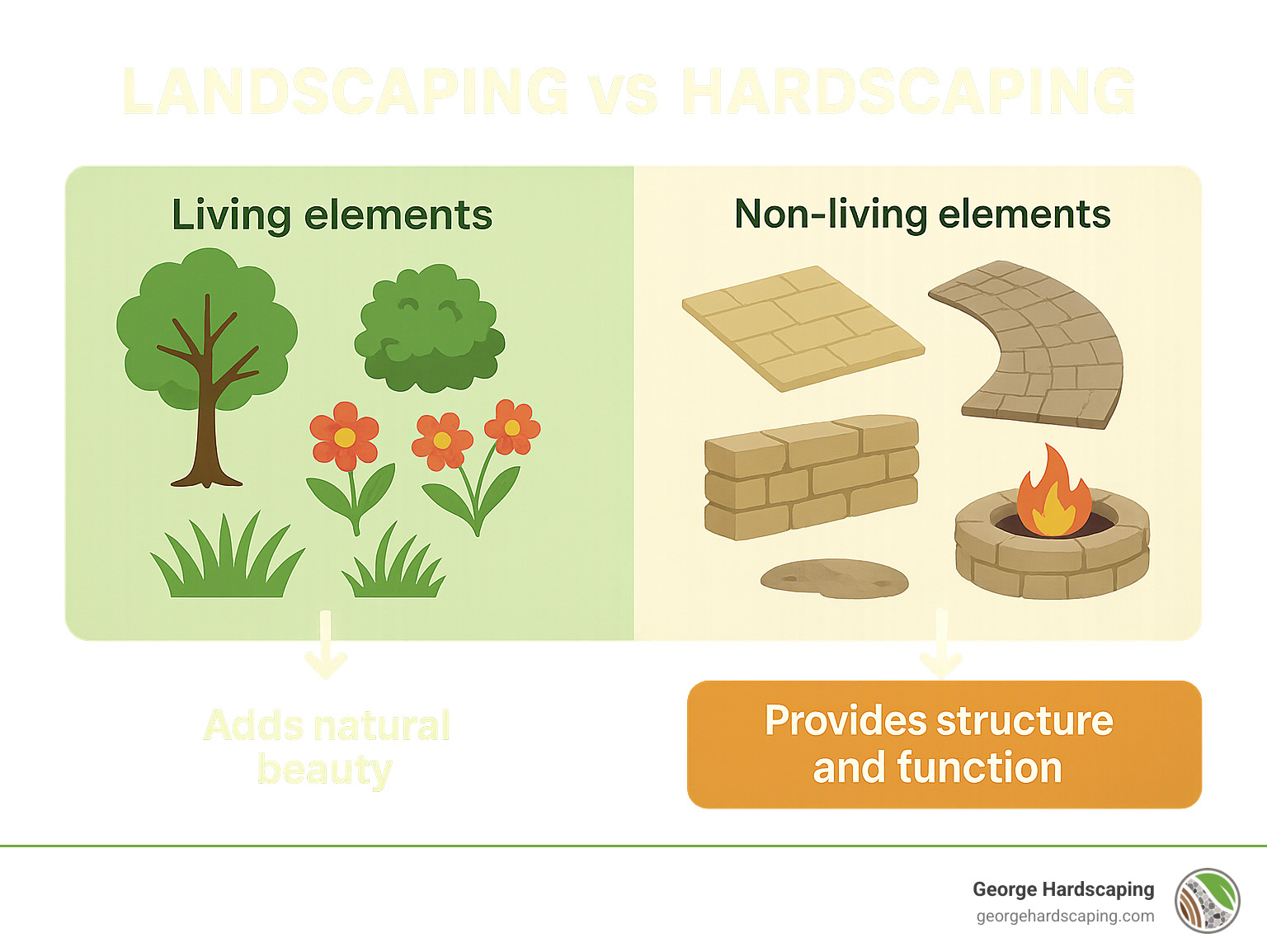
Whether you’re planning a complete yard renovation or simply adding a new feature, understanding how these elements complement each other will help you create an outdoor space that’s both beautiful and practical. Like a good marriage, the strength comes from how they work together—hardscape providing the stable foundation, softscape bringing the vitality and charm.
Need help with specific aspects of your outdoor space? George Hardscaping offers specialized services:
– Hardscape maintenance service to keep your stone features looking their best
– Hardscape designers near me to help plan your perfect outdoor space
– Hardscape repair near me for fixing any issues with existing features
The perfect yard isn’t about choosing between landscaping and hardscaping—it’s about finding the right balance between them to create an outdoor space that truly feels like home.
Landscaping and Hardscaping: Side-by-Side Comparison
When you step into your backyard, everything you see falls into one of two categories: living or non-living elements. Understanding the distinct roles of landscaping and hardscaping helps you create that perfect outdoor sanctuary that’s both beautiful and functional.
What is the difference between landscaping and hardscaping?
Think of your yard as a story with two main characters. Landscaping (often called softscaping) plays the role of the vibrant, ever-changing protagonist—all the living, growing elements that breathe life into your space. Hardscaping, meanwhile, is the steady, dependable supporting character—the non-living structural elements that provide framework and stability.
“Hardscaping refers to the built environment in the landscape, while softscaping includes soil and plants,” explains landscape architect Samuel Salsbury, APLD. This simple distinction helps tremendously when planning which elements deserve priority in your outdoor design.
Your landscaping includes all those elements that grow and change with the seasons—your lawn, the maple tree that provides summer shade, those hydrangeas that bloom so beautifully in July, and even the soil and mulch that nourish them. Hardscaping, on the other hand, encompasses your patio where summer dinners happen, the stone walkway leading to your garden, that retaining wall holding back the slope, and perhaps the fire pit where everyone gathers on cool autumn evenings.
“People not in the home improvement business usually confuse the terms ‘hardscape’ and ‘landscape’, but they mean very different things,” one industry expert notes. Understanding this terminology helps you communicate more clearly with professionals when planning your outdoor space.
Core elements of hardscape vs. softscape
Hardscape elements are the workhorses of your yard—they provide structure, accessibility, and long-term stability. At George Hardscaping, we see these elements as the foundation upon which your entire outdoor living experience rests.
The core hardscape features we work with include pavers and stonework that transform ordinary spaces into extraordinary outdoor rooms. Whether it’s a bluestone patio or a cobblestone walkway, these materials bring character and permanence to your property. Retaining walls do double-duty by preventing erosion on sloped properties while creating visual interest and defining spaces. Steps and stairs connect different levels of your yard while enhancing safety, and custom fire features create natural gathering spots that extend your outdoor enjoyment well into the cooler months.
Softscape elements bring the magic of nature to your property. They soften the hard edges of stone and concrete, creating a more inviting, natural environment. The cornerstone softscape elements include shrubs and ornamental trees that provide structure, privacy, and year-round interest. Perennial gardens offer reliable beauty that returns year after year with minimal effort, while seasonal color from annuals and bulbs brings fresh excitement with each changing season. And don’t forget lawn areas—that simple expanse of green provides play space for kids and pets while cooling your property and giving the eye a place to rest.
“A yard exclusively using hardscaping often looks too commercial, while a yard with only softscaping can appear like a jungle,” observes one landscape designer we spoke with. The real beauty emerges when these elements work in harmony, each enhancing the other.
Finding that perfect balance between the permanent structure of hardscaping and the living beauty of landscaping creates an outdoor space that’s not just visually appealing but truly livable. It’s like composing a symphony where both the percussion and the strings have essential roles to play.
More info about hardscape and landscape
Why Hardscaping Matters: Strength, Function, Value
Let’s face it – while those gorgeous flowering plants might catch your eye first, it’s the solid, dependable hardscaping that truly transforms your yard from pretty to practical. Think of hardscaping as the unsung hero of your outdoor space – working behind the scenes to solve problems while looking good doing it.
When we talk with homeowners across Essex County, many don’t realize just how crucial proper hardscaping is until they experience the difference firsthand.
Structural Support That Solves Real Problems
Water and gravity – they’re constantly at work in your yard, whether you’re paying attention or not. That’s where thoughtful hardscaping makes all the difference.
“More hardscapes are ruined by neglected drainage than by all other mistakes combined,” warns Samuel Salsbury, APLD. This is something we take seriously at George Hardscaping. When we design retaining walls, we’re not just stacking stones – we’re engineering solutions that will stand the test of time while looking beautiful.
A properly built retaining wall doesn’t just prevent soil erosion on your sloped property; it creates usable, level spaces where you might have had unusable hillside before. These walls quietly manage water runoff away from your home’s foundation while adding architectural interest that complements your landscape.
From Looking to Living: Creating Usable Space
There’s a world of difference between a yard you admire through the window and one you actually use daily. Good hardscaping bridges that gap.
I remember one client in Marblehead who hadn’t used her backyard for years until we installed a simple paver patio and pathway. “I never realized how much I was missing by not having a proper place to sit outside,” she told me after hosting her first outdoor dinner party.
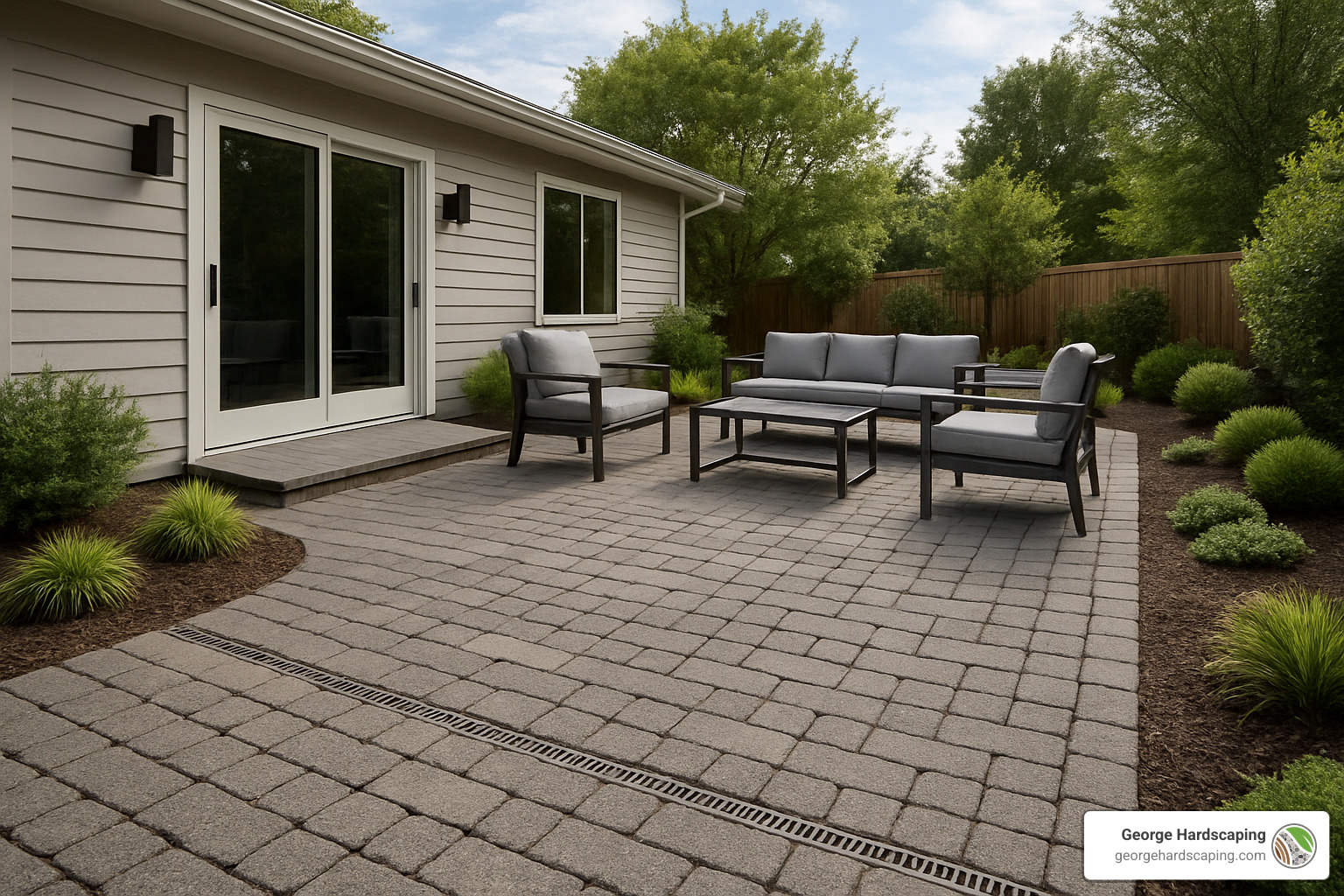
Hardscaping creates those defined outdoor “rooms” that extend your living space beyond your walls. It provides stable, mud-free paths for navigating your property (especially important during New England’s infamous mud season). For families with members who have mobility challenges, smooth, even surfaces make the difference between being excluded from outdoor activities and full participation.
Less Work, More Enjoyment
Let’s be honest about maintenance – most of us want beautiful yards without spending every weekend working on them. That’s where hardscaping shines.
“Compared to traditional landscaping, hardscaping requires minimal maintenance and does not require regular watering, mowing, or trimming,” as one industry expert puts it. For busy homeowners in Danvers, Salem, or Marblehead, this is a huge advantage.
Well-built hardscape features typically last for decades, needing only occasional cleaning rather than weekly attention. They maintain their appearance through all seasons – looking just as good under January snow as they do in July sunshine. This durability translates to more time enjoying your yard and less time maintaining it.
Working With Nature, Not Against It
Smart hardscaping doesn’t fight natural water flow – it harnesses it. At George Hardscaping, we incorporate proper drainage into every project, ensuring water moves where it should.
Permeable pavers allow rainwater to filter through rather than running off, reducing puddles and helping replenish groundwater. Decorative dry creek beds can direct water flow while adding visual interest to your landscape. Even simple gravel pathways provide drainage while clearly defining garden areas.
Landscaping and Hardscaping synergy in property value
When landscaping and hardscaping work together, magic happens – not just in beauty, but in your home’s bottom line.
“Well-designed landscaping can add up to 20% to a home’s value,” according to real estate statistics. That’s a remarkable return on investment compared to many interior renovations.
Hardscaping elements deliver particularly strong returns because they create functional outdoor living space. Patios and outdoor living areas have been shown to return 80% or more of their investment cost when you sell. Features like outdoor kitchens and fire pits rank among the top projects that increase a home’s ROI.
As one real estate expert notes, “82% of homebuyers look for patios when purchasing a home.” For homeowners in Beverly, Gloucester, or Newburyport, this makes thoughtful hardscaping not just a lifestyle improvement but a smart financial decision.
The secret to maximizing value is ensuring your landscaping and hardscaping work in harmony. A stunning paver patio surrounded by lush, appropriate plantings will always be more appealing than either element alone. It’s this balance that creates spaces people fall in love with – whether they’re visiting for a barbecue or touring as potential buyers.
More info about Hardscaping Services
The Living Layer: Benefits of Thoughtful Landscaping
While hardscaping provides the sturdy framework for your outdoor space, landscaping breathes life, color, and movement into your yard. These natural elements don’t just beautify your property—they actively transform it in ways that hardscape alone simply cannot.
Environmental and Ecological Benefits
Your garden’s green elements are quietly working wonders for the environment around your home. Those shade trees aren’t just cooling your patio—they’re absorbing carbon dioxide and releasing oxygen, helping to counteract greenhouse gases in our atmosphere.
“Landscaping slows stormwater runoff, improving water retention and reducing drought risk,” explains one environmental expert. When rain falls on your property, those native shrubs and perennials help the water soak into the ground rather than rushing away, which is particularly valuable in areas like Essex County where water management matters.
The flowering plants you choose can create a haven for local wildlife too. From the cheerful buzzing of bees to the delicate flutter of butterflies, thoughtful plant selection turns your yard into a thriving ecosystem that supports pollinators essential to our food supply.
Seasonal Interest and Dynamic Beauty
One of the most magical aspects of landscaping is its ever-changing nature. Unlike your paver patio or stone wall, your garden transforms throughout the year, telling the story of the seasons.
“The beauty provided by landscaping is rewarding but inherently temporary compared to hardscaping,” notes one landscape designer. And it’s precisely this temporary quality that makes landscaping so special. The first crocus pushing through spring snow, summer’s riot of perennial blooms, autumn’s fiery display of maple leaves, and the quiet elegance of evergreens against winter snow—each season brings its own delights to your outdoor space.
This constant renewal keeps your connection to your outdoor spaces fresh and engaging, inviting you outside year-round to witness nature’s ongoing show.
Micro-Climate Creation
Smart landscaping and hardscaping work together to actually modify the climate around your home. Those maple trees that provide such glorious fall color? In summer, they can reduce temperatures beneath them by 10-15 degrees, making your patio usable even on hot July afternoons.
Strategic placement of evergreens can block bitter winter winds, reducing your heating bills while creating sheltered outdoor areas. Moisture-loving plants can thrive in naturally damp spots, while drought-resistant varieties reduce watering needs in sunny locations.
At George Hardscaping, we consider these micro-climate effects when recommending both hardscape locations and complementary plantings, ensuring your outdoor space works with nature, not against it.
Landscaping and Hardscaping for health & wellness
Perhaps the most meaningful benefit of blending landscaping and hardscaping is the profound impact on your wellbeing. That morning cup of coffee enjoyed on your stone patio isn’t just a pleasant way to start the day—it’s actually good medicine.
“Landscaping provides inner calm, reduces stress, and improves your mood,” reports one study on the psychological benefits of green spaces. Simply viewing nature can lower blood pressure and reduce anxiety, while actively engaging with your garden—whether planting, pruning, or simply wandering—amplifies these benefits.
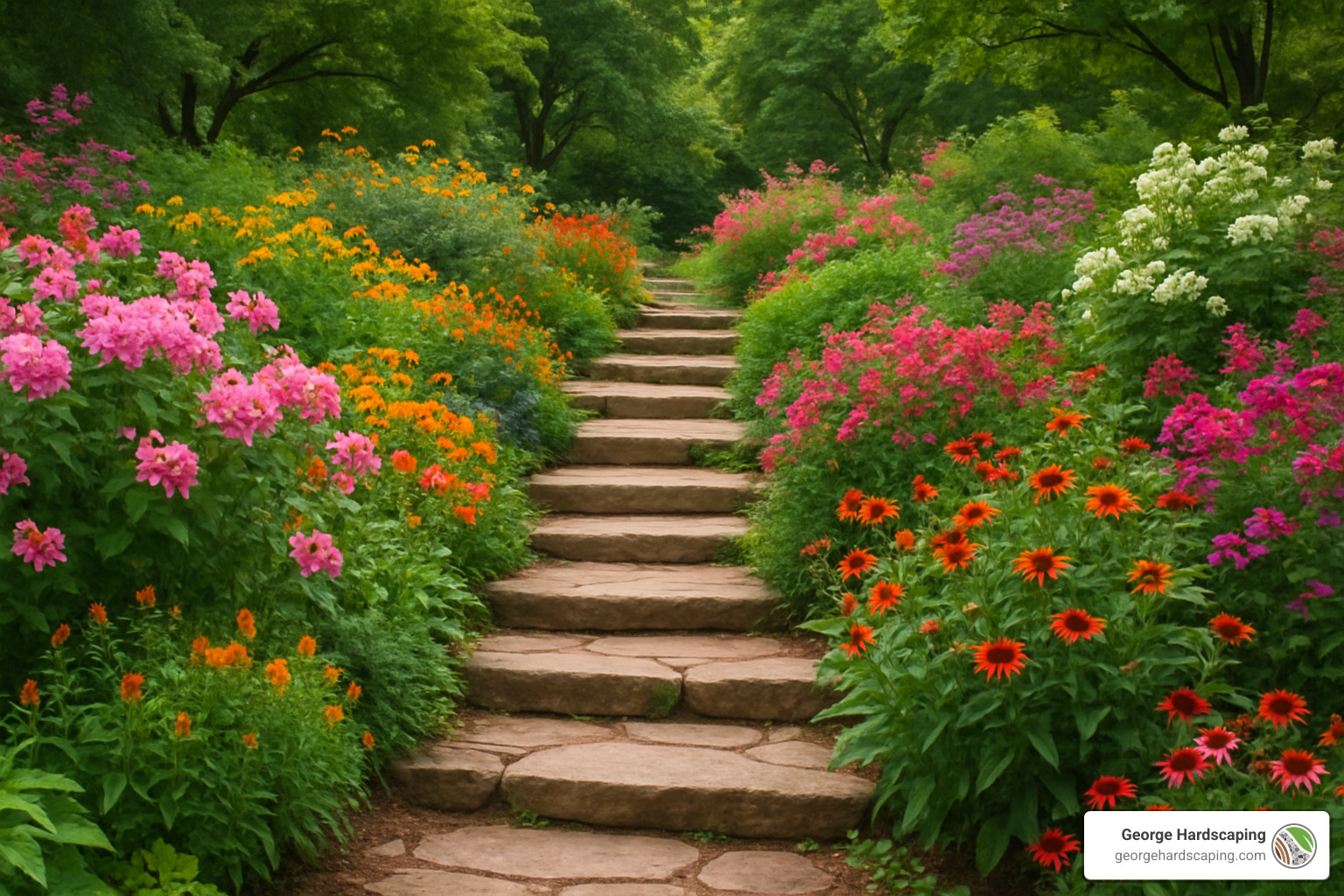
The physical health advantages are equally impressive. That winding path through your garden invites movement. The sunny patio encourages outdoor dining. The sheltered fire pit draws family gatherings outside even as evenings cool. All these activities increase vitamin D levels, encourage physical activity, and improve overall health.
“Outdoor features like patios become natural extensions of your living space where people can gather,” observes one landscape architect. In our increasingly digital world, these connections to nature and each other become ever more valuable.
For homeowners in Ipswich enjoying morning coffee on their paver patio, families in Manchester-by-the-Sea gathering around their fire pit, or gardeners in Rockport tending their flower beds, the combination of beautiful hardscaping and vibrant landscaping creates spaces that nourish body and soul alike.
More info about Landscaping and Patio Design Near Me
How-To Blend Them: Design Steps for a Balanced Yard
Creating a harmonious outdoor space isn’t just about installing a few plants and a patio—it’s about thoughtfully integrating landscaping and hardscaping elements to create a space that feels both beautiful and functional. Let’s walk through how to achieve that perfect balance in your yard.
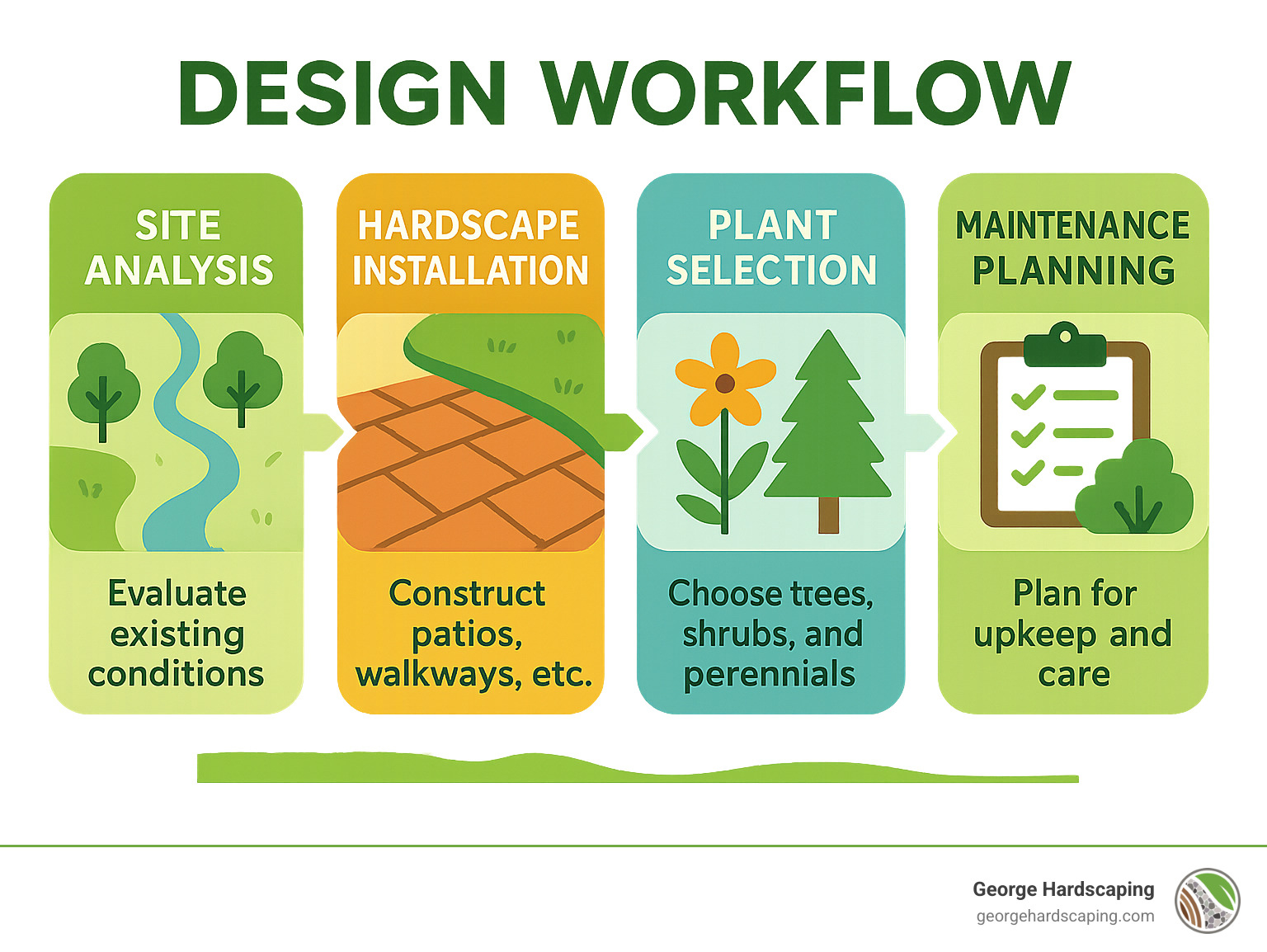
1. Start with Site Analysis
Before you break ground on any project, take time to understand what you’re working with. Walk your property at different times of day, noting how sunlight moves across your yard. Where does water collect after a rainstorm? Which views would you like to highlight or screen? How do people naturally move through your space?
“Plan structures by studying sunrise, sunset, and prevailing wind patterns,” advises one landscape designer I spoke with recently. This foundational knowledge becomes your roadmap for all design decisions, helping you work with your property’s natural features rather than against them.
2. Define Functional Zones
Think of your yard as a collection of outdoor rooms, each serving a specific purpose. Your entertaining area might center around a paver patio with space for dining furniture. Perhaps you need a quiet corner with a bench for morning coffee, or a level area where kids can play. Don’t forget utility spaces for storage or compost bins.
I’ve noticed that “outdoor kitchens equipped with sinks, refrigerators, and pizza ovens for al fresco cooking” have become increasingly popular in North Shore communities like Lynnfield and North Reading, where outdoor entertaining is valued year-round. These outdoor rooms extend your living space and maximize your property’s potential.
3. Plan Hardscape First, Then Softscape
“Install hardscape elements first to protect new plantings,” recommends one expert. This practical sequencing prevents damage to delicate plants during construction and establishes the structural framework of your outdoor space.
When designing your hardscape elements, consider using curves to soften straight lines—a gently curved walkway feels more natural than a rigid straight path. Ensure proper scale for your space; a tiny patio will feel awkward while an oversized one might overwhelm your yard. Select materials that complement your home’s architecture for a cohesive look.
Once your hardscape plan is in place, select plants that complement those materials in color and texture. Use softscape elements to soften edges where hardscape meets lawn or garden. A few well-placed ornamental grasses can beautifully blur the line between a stone patio and the surrounding landscape.
4. Incorporate Regional Climate Considerations
Here in Essex County, our distinctive New England climate shapes our landscape choices. Our cold winters demand frost-resistant hardscape materials and proper installation techniques to prevent heaving and cracking. If you’re in a coastal area like Gloucester or Rockport, you’ll need salt-tolerant plantings and corrosion-resistant hardscape materials.
“Design according to natural drainage and place water-needy plants in low areas,” suggests a landscape architect with extensive New England experience. This practical approach works with nature rather than fighting it, creating more sustainable and lower-maintenance landscapes.
5. Think About Transitions and Flow
The most successful landscapes guide you naturally from one area to another. A stepping stone path might lead from your patio to a garden bench. An arbor can create a gateway effect between different garden rooms. Thoughtful plantings frame views and direct attention to focal points.
Pathways should be wide enough for comfortable passage—at least 3 feet for primary paths where people might walk side by side. Narrower secondary paths can work for less-traveled routes through garden beds.
Common mistakes to avoid in landscaping and hardscaping plans
Even experienced homeowners make these common errors when planning their outdoor spaces. I’d like to help you avoid them.
Over-Hardscaping
“A yard exclusively using hardscaping often looks too commercial,” warns one designer I consulted. This is particularly true in residential neighborhoods like those in Beverly or Marblehead, where green space contributes to community character. Your yard should feel like a garden, not a parking lot.
When too much of your yard is paved or built upon (generally more than 60%), there’s insufficient space for plants to thrive. These spaces often feel hot and unwelcoming in summer and lack the seasonal interest that makes gardens so magical.
Poor Drainage Planning
I can’t emphasize this enough: “More hardscapes are ruined by neglected drainage than by all other mistakes combined,” notes Samuel Salsbury, APLD. At George Hardscaping, we prioritize proper drainage in every project because we’ve seen the damage that water can do.
Water should always flow away from your home’s foundation. Patios and walkways should have slight slopes to prevent pooling. Every hardscape installation needs proper base materials to ensure stability and drainage over time.
Mismatched Materials and Styles
“Use durable materials like travertine or pavers that complement your home’s style,” advises one designer with decades of experience. A cohesive look improves both aesthetics and property value.
Be cautious about using too many different hardscape materials, which can create a chaotic look. Select materials that harmonize with your home’s architecture rather than competing with it. And while it’s tempting to choose the trendiest options, classic materials tend to look good longer.
Neglecting Scale and Proportion
“Boulders placed without proper embedding look like ‘dinosaur eggs’ and feel unnatural,” observes Susan Murphy, landscape designer. This principle applies to all elements in your landscape, from patios to plantings.
Your patio should be sized to comfortably accommodate your furniture with room to move around. Walkways need to be wide enough for their intended use. And always consider mature plant size when designing—that cute little shrub might become a monster in a few years!
More info about Hardscape Design Services
Implementation Checklist: Budget, Climate, Maintenance & Professional Help
Ready to transform your outdoor space with landscaping and hardscaping? Let’s walk through what you’ll need to consider as you move from dreaming to doing:
Budgeting Realistically
Understanding the financial side of your project helps you make smart decisions about what to tackle first and what might need to wait.
Most homeowners are surprised by the range of costs for quality outdoor work. Based on internet research, professional hardscape installation typically runs between $15-$50 per square foot for basic patios and walkways. When you start adding custom features with premium materials, those costs can climb to $150-$400 per square foot. (These figures reflect national averages, not George Hardscaping’s specific pricing.)
On the softscape side, your plant budget depends heavily on size and maturity. Small shrubs might start around $25-$50 each, while those gorgeous mature trees that provide instant impact can range anywhere from $200 to well over $2,000 depending on species and size.
“Although initial hardscape investments may be higher, they often last longer and require less frequent maintenance than landscape features,” notes one industry expert. This long-term value makes hardscaping particularly attractive for North Shore homeowners in towns like Swampscott, Wenham, or Topsfield who want lasting beauty with minimal upkeep.
Climate and Site Considerations
New England’s beautiful but challenging climate demands special attention when installing outdoor features:
Our freeze-thaw cycles can wreak havoc on improperly installed hardscaping. As Samuel Salsbury, APLD, bluntly puts it, “If you don’t have proper depth for the freeze line, five years out, your project will be breaking up.” Here in Essex County, foundations for walls and patios typically need to extend below the frost line (approximately 48 inches) to prevent shifting and cracking.
Material selection becomes crucial in our climate. Natural stone, concrete pavers, and pressure-treated or cedar lumber generally perform well when properly installed. For coastal properties in Gloucester, Marblehead, or Rockport, you’ll also need to consider salt resistance and erosion control.
Drainage solutions deserve special attention in our area. Spring thaws and summer thunderstorms can create significant water issues, so incorporating features like channel drains, dry wells, or rain gardens often makes the difference between a project that lasts and one that fails prematurely.
Maintenance Planning
Even the most beautiful outdoor space needs ongoing care to stay that way:
For hardscape elements, regular sweeping to remove debris and annual cleaning will maintain their appearance. Some materials may require periodic resealing to preserve their color and resist staining.
For your landscape elements, creating a seasonal maintenance calendar helps ensure nothing gets overlooked. Grouping plants with similar water and care needs not only creates visual harmony but also streamlines your maintenance routine.
Smart irrigation planning protects both your plants and your hardscape investments. Drip systems can deliver water precisely where needed without splashing onto walls or patios, preventing water stains and erosion around your hardscape features.
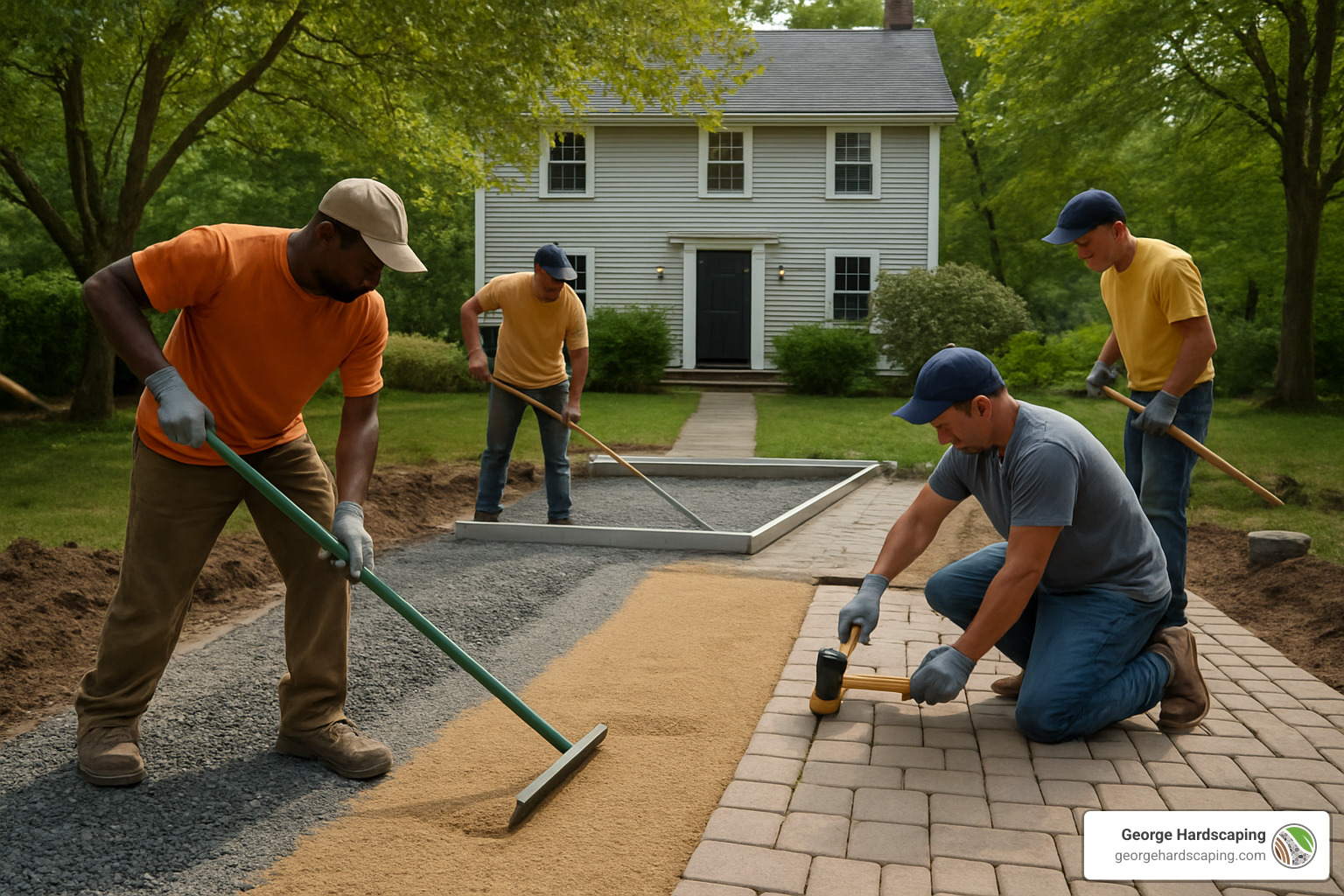
When should I hire a pro for landscaping and hardscaping projects?
While you might enjoy tackling some landscape projects yourself, hardscaping often requires specialized knowledge and equipment that most homeowners simply don’t have.
Structural retaining walls top the list of projects that demand professional help. “For any wall over 2 feet tall, engage a geotechnical engineer for stability issues,” advises Samuel Salsbury, APLD. These walls must withstand tremendous pressure from the soil they hold back, and failures can be dangerous and expensive.
Complex drainage issues also warrant professional attention. When water threatens your home’s foundation or landscape stability, experienced eyes can spot potential problems and design solutions that protect your entire property.
Large-scale patios and walkways benefit from professional installation because proper base preparation and compaction are critical for longevity. A beautiful patio can quickly become an eyesore if it settles unevenly or develops low spots where water collects.
Custom features like fire pits, outdoor kitchens, and water features involve safety considerations and often require knowledge of local building codes. At George Hardscaping, we ensure that these showpiece elements are both beautiful and built to last.
Significant grade changes present unique challenges that professionals are equipped to handle. Creating safe, attractive steps, terraces, or accessible ramps requires precise engineering and installation techniques.
When you work with our team at George Hardscaping, you’re getting more than just labor—you’re benefiting from our technical expertise, access to specialized equipment, deep knowledge of materials suitable for New England conditions, and familiarity with local building codes throughout Essex County. Plus, our professional installation comes with warranty protection for added peace of mind.
“With careful planning and execution, a hardscape project can add beauty, value, and functionality to any home,” notes one industry professional. We couldn’t agree more, and we’re ready to help make your outdoor vision a reality.
Frequently Asked Questions about Landscaping and Hardscaping
What is the difference between landscaping and hardscaping?
When you’re planning your outdoor space, understanding the distinction between these two elements is essential. Landscaping (sometimes called softscaping) encompasses all the living elements that bring your yard to life—the lush green lawns, colorful flower beds, shade trees, and ornamental shrubs that change with the seasons.
These natural elements require regular attention throughout the year, from spring planting to summer watering, fall cleanup, and winter protection. They’re constantly evolving, growing taller, spreading wider, and changing with the seasons. The reward for this care is the environmental benefits they provide—cleaner air, habitat for wildlife, and the simple joy of watching things bloom and grow.
Hardscaping, on the other hand, forms the backbone of your outdoor space. These are the solid, permanent elements that provide structure and function—your patio where family gatherings happen, the stepping stone path that guides visitors through your garden, the retaining wall that tames a sloping yard, or the custom fire pit where memories are made on cool evenings.
“Hardscape refers to the non-plant elements of a landscaping design such as pavers, stone walls, decks and pergolas,” as one industry expert puts it. These elements remain relatively constant throughout the year, requiring minimal maintenance once properly installed.
Understanding this distinction helps you communicate more clearly with designers and contractors, ensuring everyone is on the same page about your outdoor vision.
How do landscaping and hardscaping impact property value?
The financial benefits of thoughtfully combining landscaping and hardscaping are well-documented and quite impressive. A well-designed outdoor space isn’t just about personal enjoyment—it’s a solid investment in your property’s worth.
Well-executed landscaping alone can boost your home’s value by up to 20%, according to real estate statistics. But when you add strategic hardscaping elements, the return on investment becomes even more compelling. Features like patios, outdoor kitchens, and fire pits consistently rank among the top home improvement projects for ROI.
The appeal is clear when you consider that 82% of homebuyers specifically look for patios when shopping for homes. These defined outdoor living spaces create an emotional connection with potential buyers, who can immediately envision themselves entertaining friends or relaxing with family in these areas.
What makes hardscaping particularly valuable is its longevity. “Hardscaping features like patios and walkways are relatively low maintenance and can last for decades with proper care,” as one real estate professional notes. Unlike interior renovations that may look dated in a decade, well-built stone features age gracefully, developing character over time.
For homeowners in Essex County communities like Beverly, Salem, or Marblehead, these outdoor living spaces have become increasingly important selling points as buyers seek homes that offer both indoor comfort and outdoor enjoyment.
When should I hire a professional for landscaping and hardscaping projects?
While the DIY approach works for some simple garden projects, many aspects of landscaping and hardscaping benefit tremendously from professional expertise. Knowing when to call in the pros can save you time, money, and frustration in the long run.
Consider bringing in professionals like our team at George Hardscaping when your project involves structural elements that need to stand the test of time. Retaining walls over 2 feet tall, for example, require proper engineering to handle the pressure of the soil they’re holding back. Significant drainage issues or slope challenges also demand experienced solutions to prevent costly water damage down the road.
Any features requiring utility connections—water for an irrigation system, gas for a fire pit, or electricity for landscape lighting—are best left to professionals who understand code requirements and safety considerations. The same goes for projects requiring heavy machinery or specialized equipment, where improper use can lead to property damage or personal injury.
“People who aren’t skilled tradespeople think, ‘If I can’t see it, it’s not worth spending the money,’ but a level surface to build on and the proper depth for the freeze line are everything in hardscaping. If you don’t have them, five years out, your project will be breaking up,” warns Samuel Salsbury, APLD. This insight highlights the importance of proper preparation—often the invisible foundation that determines whether your beautiful patio will last for decades or deteriorate in just a few seasons.
At George Hardscaping, we bring decades of experience to every project throughout Essex County. Our intimate knowledge of local conditions, from the freeze-thaw cycles that affect material choices to the drainage patterns common in North Shore properties, ensures that your outdoor features aren’t just beautiful today but will remain sturdy and attractive for years to come. Plus, professional installation typically comes with warranty protection, giving you peace of mind about your investment.
When you’re ready to transform your outdoor space with the perfect blend of hardscape structure and landscape beauty, our team is here to help make that vision a reality—creating spaces where your family will gather, relax, and make memories for generations.
Conclusion
Creating a harmonious outdoor space requires thoughtful integration of landscaping and hardscaping elements. When properly balanced, these components work together like old friends, each enhancing what the other brings to your property.
Think of hardscaping as the reliable foundation of your outdoor living—the warm patio where summer dinners stretch into evening conversations, the winding walkway that guides visitors through your garden, the sturdy retaining wall that transforms a problematic slope into a terraced paradise. These elements provide structure and function throughout every season.
Landscaping brings these spaces to life with ever-changing beauty—spring tulips nodding in the breeze, summer perennials buzzing with pollinators, autumn maples painting your yard with fiery color, and winter evergreens standing sentinel against the snow. This living layer adds depth, texture, and connection to the natural world.
“Hardscaping brings a more architectural feel to an outdoor space,” notes Jim Skånberg, architect and design principal. You can see this principle at work when a well-designed stone patio feels like an outdoor room, complete with “walls” of ornamental grasses and a “ceiling” of maple shade. These outdoor rooms become natural extensions of your home, places where memories are made and life is celebrated.
The magic happens at the intersection—where curved flower beds soften straight paver edges, where climbing vines accept a pergola, where a bubbling fountain becomes the centerpiece of a garden. These thoughtful combinations create spaces that feel both intentional and organic, designed yet natural.
At George Hardscaping, we understand this delicate balance. Our team specializes in creating custom hardscape features that complement both your home’s architecture and your existing landscape. We’ve helped countless Essex County homeowners transform their properties—from neat paver patios in Danvers to natural stone walls in Georgetown, from cozy fire pits in Ipswich to neat walkways in Peabody.
The investment you make in quality landscaping and hardscaping pays dividends in multiple ways. Most immediately, you’ll enjoy the expanded living space and daily connection to nature. Long-term, you’ll appreciate the added property value and reduced maintenance compared to poorly designed outdoor spaces. Perhaps most meaningfully, you’re creating a backdrop for life’s important moments—graduation celebrations, summer barbecues, quiet morning coffees, and evening stargazing around the fire pit.
Ready to transform your outdoor space with the perfect balance of hardscape structure and landscape beauty? Contact George Hardscaping to discuss your vision. We’ll help you create an outdoor environment that not only looks beautiful today but continues to improve and mature for years to come.
More info about our Hardscaping Services
