
How to Install Stone Stair Treads: Top 5 Easy Steps
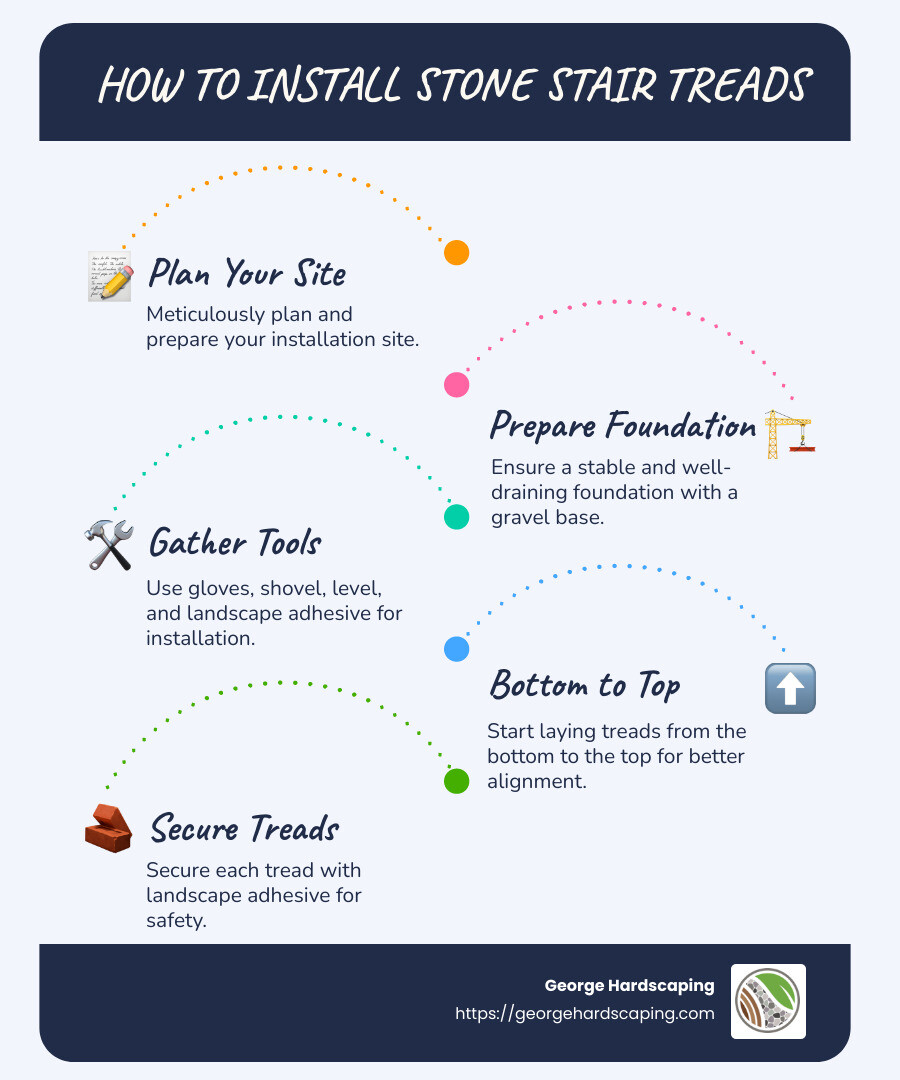
How to install stone stair treads effectively is the key to changing your outdoor area into a stunning and secure environment. For those eager to jump right in, here’s a quick glimpse into the basics:
- Plan and prepare your site carefully.
- Ensure a stable and well-draining foundation.
- Use the right tools: gloves, shovel, level, and landscape adhesive.
- Start installation from the bottom to the top for better alignment.
- Secure each tread with landscape adhesive for added safety.
Stone steps are not just functional pathways; they are an opportunity to enrich the aesthetic beauty of your home’s exterior. When thoughtfully installed, these steps can highlight your landscape’s natural appeal while ensuring safety and stability.
In outdoor design, natural stone steps offer best durability and elegance. They can seamlessly connect different landscape levels while providing a reliable and safe walkway. The careful selection of stones, complemented by proper installation techniques, ensures these features will withstand both time and the elements.
For those in Essex County, MA, or the North Shore, installing stone stair treads can address common concerns like soil erosion. It offers an effective means to improve your property’s charm and functionality. Whether you’re won over by the natural beauty of the stone or its practical benefits, expertly installed stone treads can transform your outdoor space into a masterpiece that truly stands out.
How to install stone stair treads vocabulary:
– how to build outdoor stone stairs
– how to install natural stone steps
– how to install stone steps on a slope
Planning Your Stone Stair Tread Installation
Before diving into how to install stone stair treads, a well-thought-out plan is essential. This ensures that your project not only looks great but also stands the test of time. Here’s what you need to consider:
Step Sizes
Choosing the right step size is crucial for both safety and comfort. Generally, outdoor stone steps should have a tread depth of 12 to 18 inches. This provides enough space for a comfortable step. The height, or “rise,” should be consistent, typically around 6 to 7 inches. Consistency in step size helps prevent trips and makes the stairs easier to steer.
Color Selection
Color plays a significant role in the overall aesthetic of your stone steps. Natural stone offers a variety of hues, from the warm, earthy tones of Buff Sandstone Rockface Treads to the cool, contemporary shades of Caspian Creme Treads. When selecting colors, consider how they will blend with your existing landscape and home exterior. A cohesive color palette can improve the visual appeal of your outdoor space.
Stone Styles
The style of stone you choose can dramatically influence the look and feel of your stairs. For a natural and rugged appearance, consider stones with a rough texture, like Thermal Bluestone. If you prefer a sleek, modern look, smoother stones might be more suitable. Each style offers unique benefits, such as slip resistance or durability, so weigh these factors against your aesthetic preferences.
Utility Location
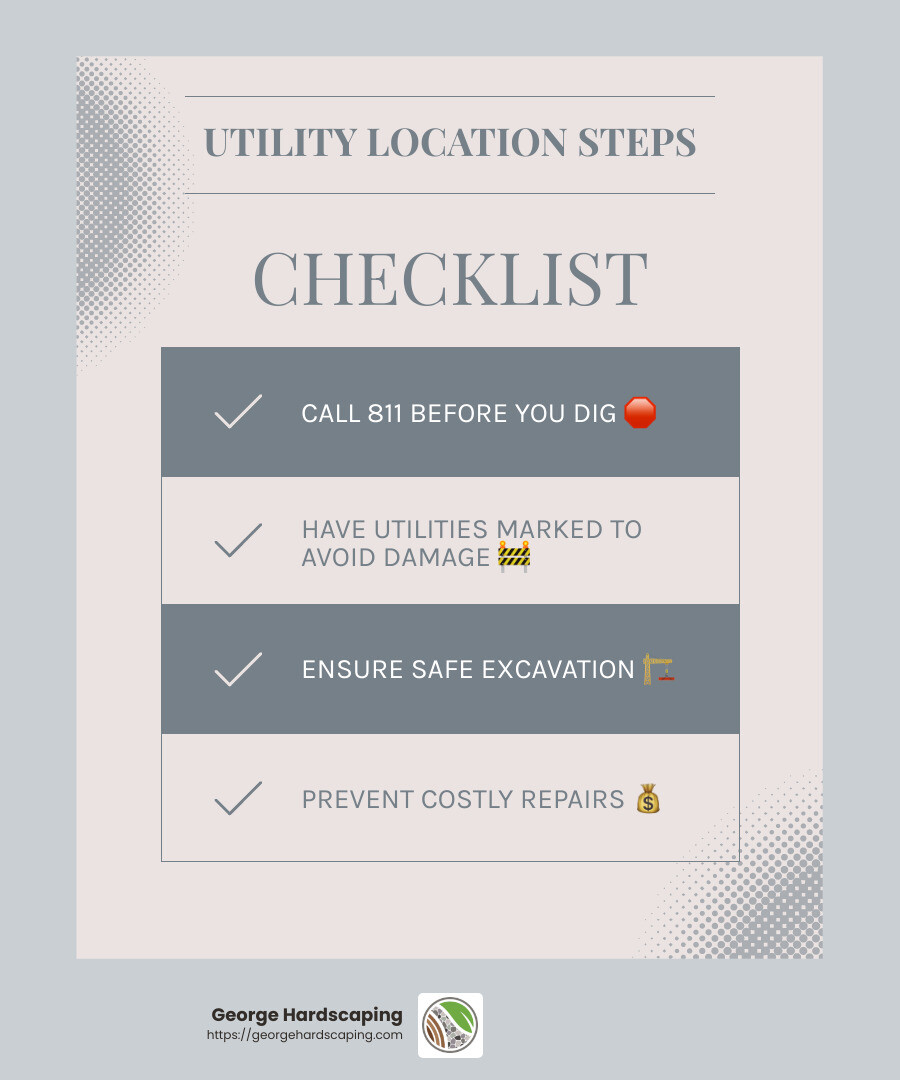
Before you start digging, know where your utilities are located. In the U.S., you can call 811 to have utilities marked before you begin excavation. This step prevents accidental damage to underground lines, ensuring your project proceeds safely. It’s a simple but critical part of the planning process that can save time and prevent costly repairs.
With these considerations in mind, you’re well on your way to a successful stone stair tread installation. Next, we’ll dig into preparing the foundation, which is the backbone of any sturdy and long-lasting stone staircase.
How to Install Stone Stair Treads
Preparing the Foundation
A strong foundation is key when installing stone stair treads. It ensures the stability and longevity of your steps. Here’s how to get started:
- Foundation Preparation: Begin by clearing the area of grass, plants, and debris. This creates a clean slate for your project.
- Gravel Base: Dig out the first step area to about 6 inches deep. Fill this with a ¾” minus crushed rock for a solid base. Top it off with a ¼” minus crushed rock or sand. This helps with drainage and provides a stable surface for the stone treads.
- Compacting: Use a tamper to compact the gravel base firmly. This step is essential to prevent shifting and settling over time.
- Drainage: Ensure there’s a slight slope away from any structures to direct water flow and prevent pooling. Proper drainage keeps your stairs in great condition, especially during rainy seasons.
- Gravel Pad or Concrete Pad: Depending on your preference and the specific requirements of your project, you can opt for a gravel pad or a concrete pad. Both provide stability, but a concrete pad offers added strength for heavier stones.
Laying the Stone Treads
Once your foundation is ready, it’s time to lay the stone treads. Follow these steps for a secure installation:
- Bottom to Top: Always start laying treads from the bottom step and work your way up. This approach ensures each step is properly supported by the one below.
- Securing Stones: Place each stone tread carefully, ensuring it is level and aligned with adjacent stones. A slight forward tilt helps with drainage, guiding water off the steps.
- Landscape Adhesive: Apply a quality landscape adhesive between the stones. This secures them in place and prevents movement over time. Be sure to follow the manufacturer’s instructions for the best results.
- Backfilling: Fill gaps between the stones with gravel or dirt to prevent erosion and stabilize the steps.
By following these steps, you can create a sturdy and attractive stone staircase that improves your outdoor space. Next, we’ll explore how to choose the right stone for your treads, ensuring they match your aesthetic and functional needs.
Choosing the Right Stone for Your Treads
Selecting the perfect stone for your stair treads is crucial for both appearance and durability. Natural stone offers a timeless appeal and comes in a variety of options to suit any style. Here’s how to make the best choice:
Natural Stone Options
Natural stones are popular for their beauty and strength. Granite, limestone, and sandstone are among the top choices for stone stair treads. Each offers unique characteristics:
- Granite is incredibly durable and resistant to weathering. Its speckled appearance adds a touch of elegance.
- Limestone provides a softer, more uniform look. It’s easy to work with and blends well with most landscapes.
- Sandstone is known for its warm, earthy tones and natural texture. It’s a great choice for a rustic feel.
Color Variations
The color of your stone treads can dramatically affect the overall look of your stairs. Natural stones come in a wide range of colors:
- Neutral tones like grays and beiges are versatile and blend seamlessly with any environment.
- Bold colors such as blacks and deep blues make a striking statement and can be used to highlight specific areas.
- Variegated stones with natural striping or color variations, like STONEarch Saga, add visual interest and a unique touch.
Size and Thickness
Choosing the right size and thickness for your stone treads is essential for function and safety. Our stone treads typically come in two thicknesses:
- 6″ thick with a 16″ tread: This option is great for a more traditional look.
- 7″ thick with a 14″ tread: Recently more popular, this size offers a modern appeal and is often requested by clients.
The length of stone treads can vary from 3 to 8 feet. Consider the scale of your project and the space available when selecting the size.
By carefully selecting the right stone, you ensure that your stair treads not only improve your outdoor space but also stand the test of time. Next, we’ll discuss maintenance and safety tips to keep your stone steps in top condition.
Maintenance and Safety Tips
Once you’ve installed your beautiful stone stair treads, maintain them properly to ensure safety and longevity. Here are some practical tips for keeping your stone steps in excellent condition:
De-Icing Solutions
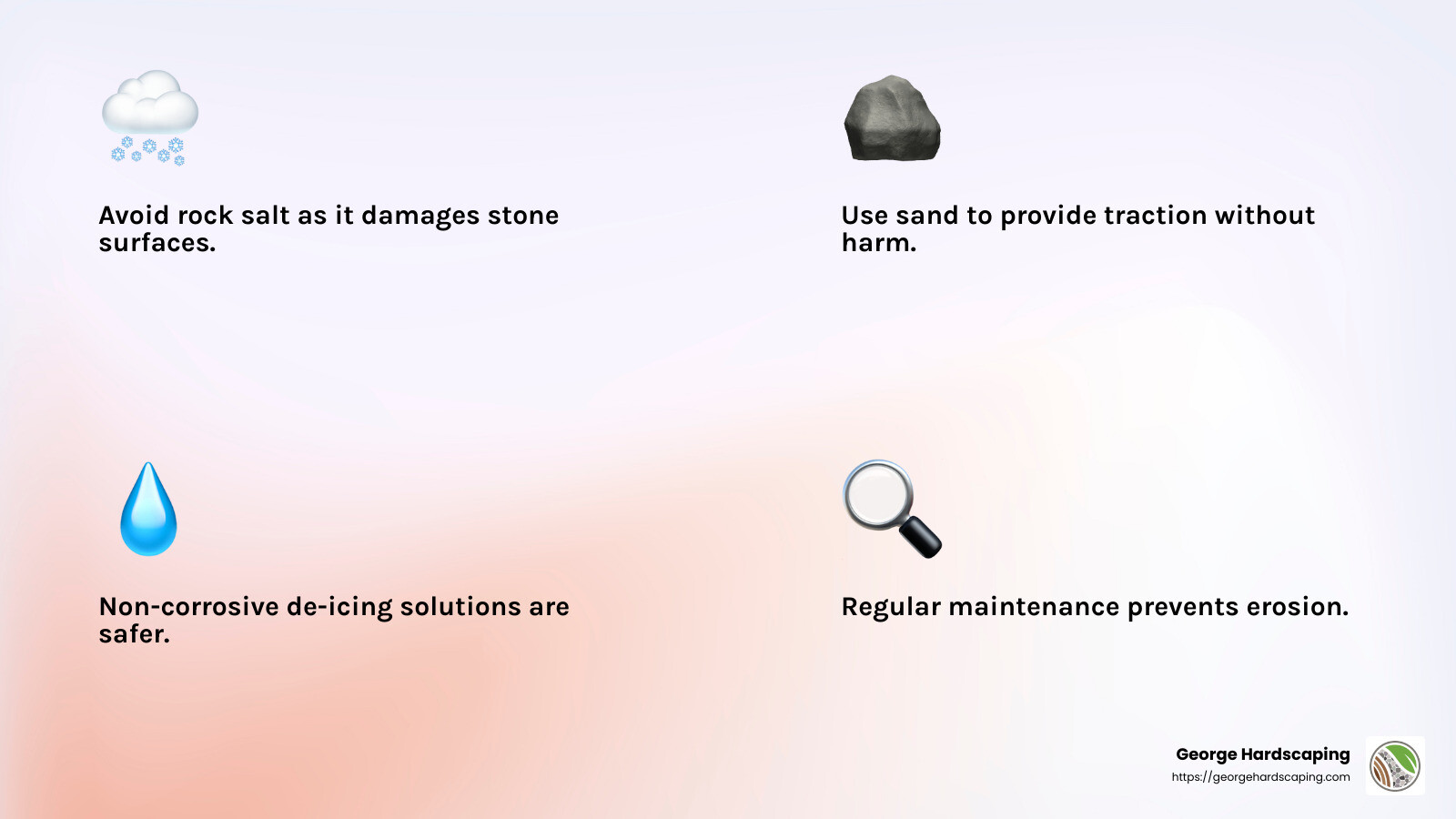
During the winter months, ice can pose a safety hazard on stone steps. Avoid using rock salt, as it’s corrosive and can damage the stone surface. Instead, opt for sand or other non-corrosive de-icing solutions. Sand provides traction without harming the stone, ensuring your steps remain both safe and intact.
Erosion Prevention
Erosion can undermine the stability of your stone steps over time. To prevent this, backfill each step with stones or dirt and sod. This helps to keep the soil in place, reducing the risk of erosion. Regularly inspect the area around your steps for signs of soil displacement and address any issues promptly.
Slope for Drainage
Proper drainage is crucial to prevent water from pooling on your stone steps, which can lead to slipping hazards and long-term damage. When installing your steps, ensure that each tread has a slight incline away from the house. This allows water to drain off efficiently, keeping your steps dry and safe.
Taking these steps for maintenance and safety will help preserve the beauty and functionality of your stone stair treads for years to come. Next, we’ll address some frequently asked questions to help you tackle common concerns about stone stair treads.
Frequently Asked Questions about Stone Stair Treads
What is the best base for stone steps?
When installing stone steps, a strong foundation is crucial for stability and longevity. The two most common bases are gravel pads and concrete pads.
- Gravel Pad: A gravel base involves layering crushed stone to create a stable and permeable foundation. This option allows for excellent drainage, preventing water buildup that could damage the stone. Gravel pads are also easier to adjust if you need to make changes during installation.
- Concrete Pad: A concrete base provides a solid and durable foundation, especially useful for areas with heavy foot traffic. While more permanent, concrete pads require precise preparation and curing time. They offer less drainage than gravel but can be ideal for flat surfaces where water runoff is less of an issue.
How are stair treads attached to stairs?
Securing stair treads properly is key to ensuring they stay in place and are safe to use. Here are some common methods:
- Screws and Nails: These fasteners are used to attach treads to the underlying structure. Pre-drilled holes are often recommended to prevent cracking or splitting the stone.
- Landscape Adhesive: In addition to mechanical fasteners, using a high-quality landscape adhesive can provide extra hold, especially for natural stone treads. This adhesive helps bond the treads to the base securely.
What materials should be avoided for de-icing?
When winter arrives, keeping your stone steps clear of ice is essential for safety. However, not all de-icing materials are suitable:
- Rock Salt: Avoid using rock salt on stone steps. It’s corrosive and can damage the stone surface, leading to costly repairs.
- Sand Alternatives: Instead of rock salt, consider using sand or other non-corrosive de-icing solutions. Sand provides traction and is gentle on the stone, keeping your steps safe and in good condition.
By understanding the best practices for bases, attachment methods, and de-icing materials, you can ensure your stone stair treads are both functional and long-lasting.
Conclusion
At George Hardscaping, we believe that quality craftsmanship is the cornerstone of any successful project. Our commitment to excellence means we pay attention to every detail, ensuring that your stone stair treads are not only beautiful but also durable and safe. Whether you’re enhancing your front entryway or creating a stunning focal point in your garden, our expert team is here to help you every step of the way.
Outdoor improvement is more than just adding features to your landscape; it’s about creating spaces that blend seamlessly with nature while offering functionality and style. By choosing the right materials and installation techniques, your stone stair treads can transform your outdoor area into a welcoming and neat extension of your home.
Ready to lift your outdoor space with expertly installed stone steps? Contact us at George Hardscaping to get started on your project today. Our team is eager to bring your vision to life with the highest standards of quality and craftsmanship. Let’s create an outdoor area you’ll love for years to come!
