
Hardscaping: 6 Powerful Tips for Stunning Results 2024
What Is Hardscaping and Why Is It Important?
Hardscaping refers to the non-living elements of landscaping—everything from patios and walkways to retaining walls and fire pits. These components aren’t just about looks; they form the backbone of any well-designed outdoor space. Whether you’re aiming to increase your home’s value or simply want a stunning yard for relaxation, hardscaping is key.
Here’s why hardscaping matters:
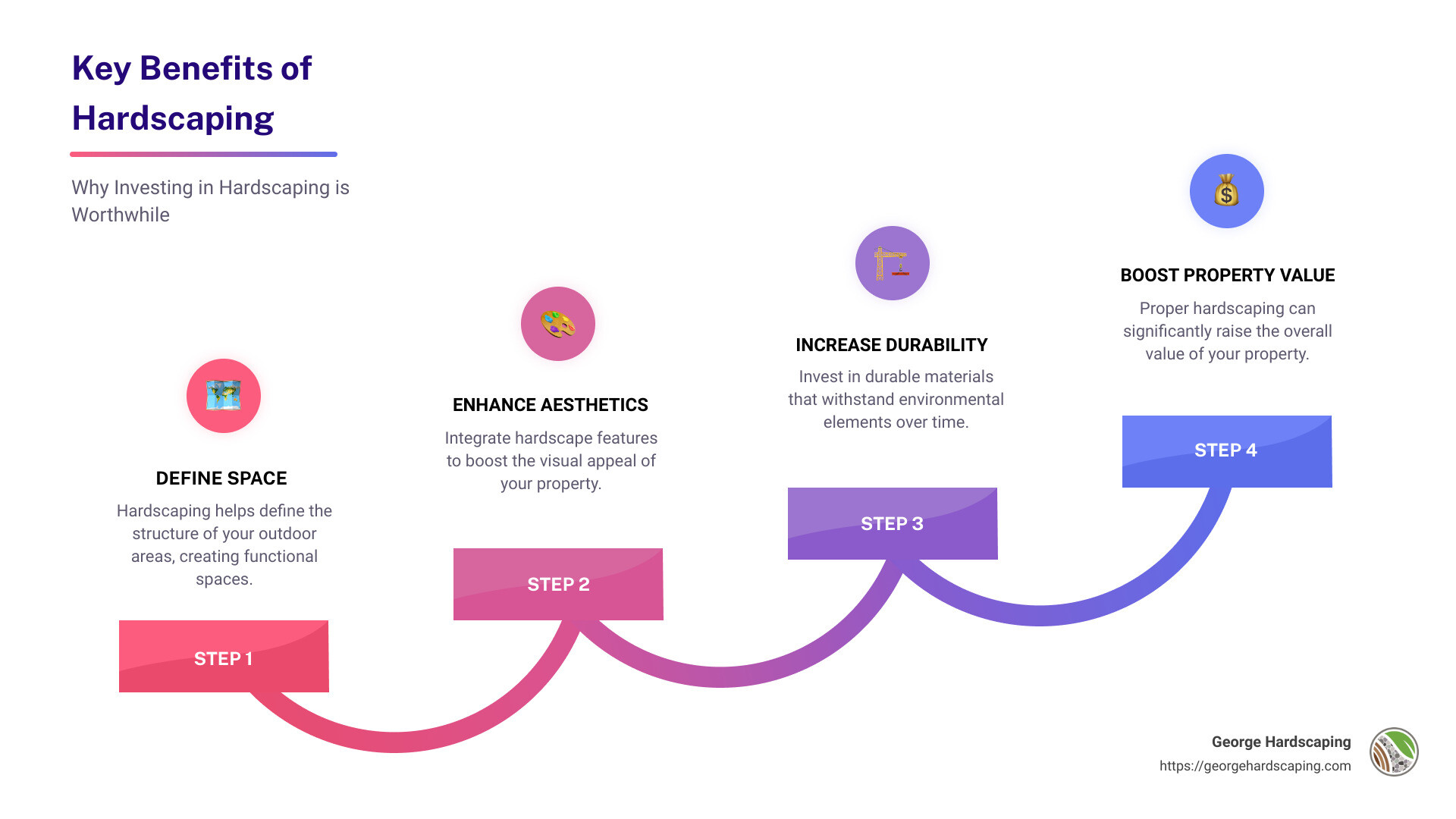
- Definition and Function: Hardscaping defines the structure and layout of outdoor spaces, adding functionality and form.
- Aesthetic Appeal: It improves the beauty of your property by seamlessly integrating with natural landscapes.
- Durability and Investment: These features stand the test of time while also boosting property value.
Think of hardscaping as the architecture of your yard. It maximizes space and allows for a durable, low-maintenance outdoor area. Inspired designs, whether it’s a simple path or a grand patio, can transform your living environment into a visual and functional masterpiece.
Hardscaping definitions:
– hardscape design services
– hardscape maintenance service
– hardscape construction service
Understanding Hardscaping Materials
When it comes to hardscaping, choosing the right materials is crucial. Each material offers unique benefits and aesthetics, impacting not just the look but also the functionality and longevity of your outdoor space. Let’s explore some popular options:
Concrete
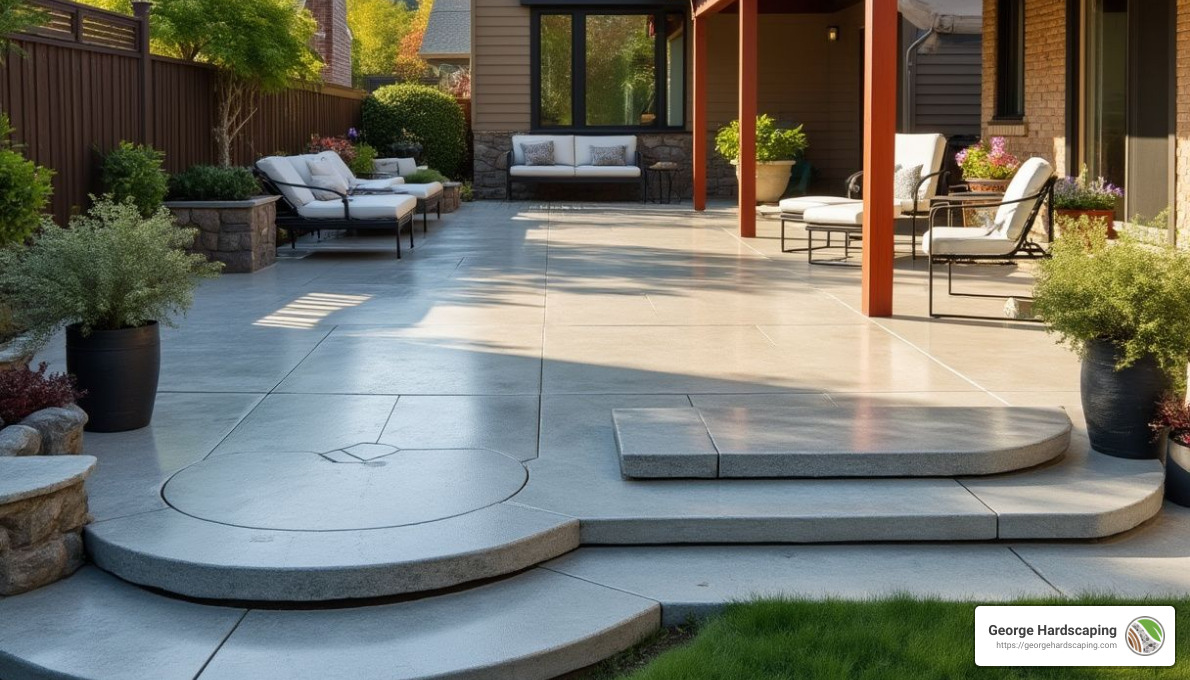
Concrete is a versatile and economical choice for many hardscaping projects. It’s known for its durability and ability to withstand harsh weather conditions. Homeowners often choose concrete for patios and walkways because it can be molded into various shapes and textures, offering both function and style.
Gravel
Gravel is one of the most cost-effective hardscaping materials, making it ideal for those on a budget. It’s often used for driveways, pathways, and as a base for other hardscapes. Gravel is easy to install and maintain, providing excellent drainage and a rustic look that blends well with natural surroundings.
Flagstone
Flagstone is a popular choice for those seeking a natural, neat look. Known for its durability, flagstone is often used in patios and walkways. Its earthy tones and unique shapes create a visually appealing surface that complements various landscape styles. Flagstone can handle heavy foot traffic, making it suitable for high-use areas.
Paver Stones
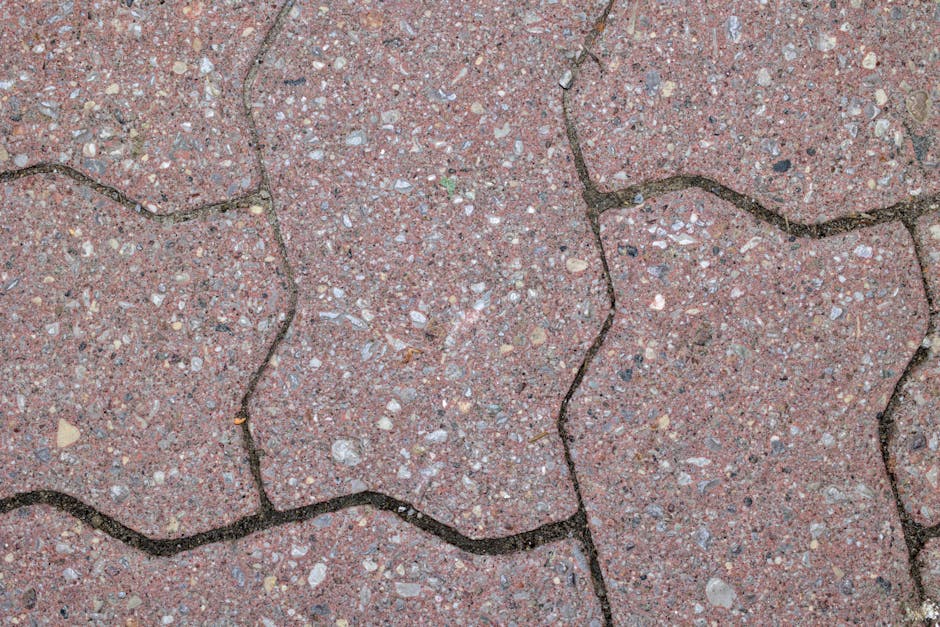
Paver stones are a fantastic option for adding aesthetic appeal to your landscaping. They come in various colors, shapes, and sizes, allowing for creative designs in patios, pool edging, and walkways. Paver stones are durable and easy to replace if damaged, which makes them a practical choice for homeowners looking to balance beauty and functionality.
In summary, the choice of hardscaping materials depends on your style preferences, budget, and the specific needs of your outdoor space. Each material offers its own set of advantages, so consider what aligns best with your vision for a beautiful and functional yard.
Types of Hardscaping Projects
Hardscaping goes beyond just choosing the right materials; it involves selecting the right projects to transform your outdoor space. Here are some popular types of hardscaping projects that can improve both the function and beauty of any yard:
Patios
Patios are a cornerstone of outdoor living spaces, providing a comfortable area for relaxation and entertainment. They can be crafted from various materials like concrete, flagstone, or paver stones, each offering distinct styles and benefits. For instance, a brick paver patio can add a timeless feel to a lakeside cottage, while a gravel patio can create a casual and inviting outdoor living room. Patios not only extend your living space but also increase your property’s value.
Walkways
Walkways serve both functional and aesthetic purposes by guiding visitors through your garden while adding structure to the landscape. They can be simple gravel paths or more intricate designs using paver stones or flagstones. An L-shaped side walkway lined with paver stones can add texture and curb appeal, seamlessly blending into the landscape. Walkways are an excellent way to connect different areas of your yard, making them feel cohesive and intentional.
Retaining Walls
Retaining walls are essential for managing sloped landscapes, preventing erosion, and creating level areas for planting or entertaining. They can be built from various materials, including concrete, stones, or even large-scale boulders for a natural look. A stepped retaining wall with integrated plants and flowers can optimize space in steep areas, turning a challenging slope into a beautiful feature. Retaining walls also offer opportunities for creative landscaping and seating areas.
Outdoor Fireplaces
Outdoor fireplaces are a perfect addition for those who enjoy spending time outside year-round. They provide warmth and a cozy atmosphere, making them ideal for gatherings. A rustic stone patio with a monumental outdoor fireplace can create an inviting dining area, while a sunken fire pit area offers a more intimate setting. Outdoor fireplaces can be customized to fit your style, whether you prefer a traditional wood-burning setup or a modern gas design.
Each of these hardscaping projects offers unique benefits and can be custom to fit your personal style and outdoor needs. Whether you’re looking to create a relaxing retreat or an entertaining hub, these projects can significantly improve your outdoor living experience.
Hardscaping Design Principles
When planning your hardscaping project, it’s important to consider several key design principles. These principles ensure your outdoor space is not only beautiful but also functional and long-lasting.
Aesthetics
The aesthetic appeal of your hardscaping can transform the look and feel of your outdoor space. It’s crucial to choose materials and designs that complement your home’s architectural style. For instance, a Mediterranean stone patio can blend seamlessly with a rustic landscape, while sleek, geometric designs might suit a modern home. Mixing materials like wood, stone, and metal can also create visual interest and depth.
Functionality
Functionality is at the heart of good hardscaping design. Each element should serve a purpose, whether it’s a deck for entertaining, a walkway for safe passage, or a retaining wall for managing slopes. Consider how you and your family use the space. Do you need a cozy spot for family gatherings or a quiet corner for reading? Tailor your design to fit these needs.
Durability
Durability is crucial for ensuring your hardscaping stands the test of time. Choose materials that can withstand your local climate and require minimal maintenance. For example, concrete and stone are known for their longevity and resistance to weather. Investing in quality materials upfront can save money on repairs and replacements in the long run.
Installation
Proper installation is key to the success of any hardscaping project. While some projects, like simple gravel paths, might be suitable for DIY, others, such as complex retaining walls, may require professional expertise. Incorrect installation can lead to problems like uneven surfaces or drainage issues. Always follow best practices for installation or consult with professionals to ensure a flawless finish.
By focusing on these design principles, you can create a hardscaping project that improves your outdoor space’s beauty, functionality, and longevity. Next, let’s explore how to achieve these goals without breaking the bank.
Hardscaping on a Budget
Creating a stunning outdoor space doesn’t have to be expensive. With some smart choices and a bit of elbow grease, you can achieve beautiful hardscaping on a budget.
Cheapest Options
Gravel is one of the most affordable materials for hardscaping. It’s versatile and can be used for paths, driveways, and even as a base for other structures. Plus, it’s easy to install, making it a favorite for DIY enthusiasts.
Another cost-effective option is concrete. While plain concrete is economical, you can improve its look with staining or stamping for a fraction of the cost of natural stone.
Cost-Effective Designs
When designing on a budget, prioritize areas that will have the most impact. For instance, a small flagstone patio can serve as a focal point without the expense of a larger installation. Use paver stones to create intricate patterns that add visual interest without a hefty price tag.
Consider using retaining walls not only for their structural benefits but also as seating or planting areas. This dual-purpose approach maximizes functionality while keeping costs down.
DIY Tips
Tackling some hardscaping projects yourself can lead to significant savings. Here are a few tips:
- Plan and Prepare: Before starting, sketch out your design and measure your space. This helps avoid costly mistakes and material waste.
- Start Small: Begin with simple projects like a gravel path or a small patio. As you gain confidence, you can take on more complex tasks.
- Reuse Materials: Look for opportunities to repurpose existing materials. Old bricks, stones, or even wood can be given new life in your landscape.
- Shop Smart: Compare prices and look for sales on materials. Consider buying in bulk or from local suppliers to reduce shipping costs.
By focusing on these budget-friendly strategies, you can create a beautiful and functional hardscape without overspending. Next, let’s see how these improvements can improve your property’s value and curb appeal.
Enhancing Your Property with Hardscaping
Hardscaping is more than just a way to organize your outdoor space. It’s a powerful tool to boost your home’s curb appeal, increase property value, and create inviting outdoor living spaces.
Curb Appeal
First impressions matter. A well-designed hardscape can transform the look of your home. Imagine a charming walkway leading to your front door, or a cozy patio that invites guests to sit and stay awhile.
- Walkways and Paths: Use materials like paver stones or flagstone to create paths that guide visitors and highlight your garden’s best features. A well-maintained path can make your home look polished and welcoming.
- Driveways: A unique asymmetrical edge driveway, like the one from Cathie Hong Interiors, adds interest and warmth with integrated landscaping. It’s an easy way to make your home stand out.
Property Value
Investing in hardscaping can pay off in the long run. According to research, features like patios, retaining walls, and outdoor kitchens can significantly increase your property’s value.
- Outdoor Kitchens: These are a sought-after feature for homebuyers who love entertaining. A well-designed outdoor kitchen can be a major selling point, offering a seamless transition between indoor and outdoor living.
- Retaining Walls: Not only do they prevent soil erosion, but they also add structure and depth to your landscape. They can create level areas for planting or seating, enhancing both function and beauty.
Outdoor Living Spaces
Creating outdoor living spaces extends your home’s usable area. It allows you to enjoy the outdoors more often, whether it’s for relaxation or entertaining.
- Patios and Decks: These areas serve as the heart of outdoor gatherings. A wood deck, like the one designed by Tyler Karu Design + Interiors, offers a sleek, modern space that complements any home style.
- Fire Pits and Seating Areas: A dedicated fire pit area, such as the one by Michelle Boudreau Design, creates a cozy spot for evening gatherings. It invites family and friends to gather around and enjoy the warmth and ambiance.
- Interior Courtyards: These are perfect for homes with limited yard space. A courtyard can be a private oasis, offering a peaceful retreat right outside your door.
By thoughtfully incorporating hardscaping into your property, you can improve its beauty, functionality, and value. Next, we’ll address some common questions about hardscaping to help you make informed decisions.
Frequently Asked Questions about Hardscaping
What’s the difference between landscape and hardscape?
Landscape refers to the living elements of your outdoor space, like plants, trees, and flowers. It’s all about the green, growing parts that need sunlight, water, and care.
On the other hand, hardscape involves the non-living, built elements. Think of patios, walkways, and retaining walls. These structures form the backbone of your outdoor design and are made from materials like concrete, gravel, and stone.
In simple terms, landscape is the soft, living stuff, while hardscape is the hard, structural stuff. Together, they create a balanced and beautiful outdoor environment.
What is the purpose of hardscape?
The main purpose of hardscaping is to add structure and function to your outdoor space. It helps define areas, like paths, patios, and seating zones, making your yard more organized and usable.
Hardscaping also improves aesthetics. A well-placed stone walkway or a charming gazebo can transform the look of your yard, adding visual interest and style.
Additionally, hardscape elements like retaining walls prevent soil erosion and improve drainage. They add durability and can withstand weather changes, making them a practical choice for any landscape.
What is the cheapest hardscape option?
If you’re on a budget, concrete and gravel are your best bets. They are the least expensive hardscape materials available.
- Concrete is versatile and can be used for patios, walkways, and driveways. It’s durable and easy to maintain, offering a clean, modern look.
- Gravel is another cost-effective choice. It’s perfect for paths and driveways. Plus, it’s easy to install and allows for good drainage.
Both options provide affordable ways to add structure and style to your outdoor space without breaking the bank.
Conclusion
At George Hardscaping, we believe in the transformative power of hardscaping. Our focus is on enhancing both the beauty and functionality of your outdoor spaces. From patios to custom firepits, we specialize in creating durable and aesthetically pleasing environments that stand the test of time.
Long-term Benefits
Investing in hardscaping offers numerous long-term benefits. Not only does it increase the curb appeal of your home, but it also boosts property value. A well-designed outdoor space can become an extension of your living area, perfect for entertaining or relaxing. Hardscape elements like retaining walls and walkways provide structural integrity and can significantly reduce maintenance compared to traditional landscaping.
Maintenance Tips
One of the great advantages of hardscaping is its low maintenance. To keep your outdoor features looking their best, here are a few simple tips:
- Regular Cleaning: Sweep or hose down surfaces to remove dirt and debris. A pressure washer can be handy for stubborn stains.
- Inspect and Repair: Check for cracks or damages, especially after harsh weather. Early repairs can prevent bigger issues later.
- Seal Surfaces: Consider sealing materials like concrete and pavers to protect them from the elements and extend their lifespan.
By following these tips, you can ensure that your hardscape features remain beautiful and functional for years to come.
For more information about how we can help you improve your outdoor space, visit our Hardscaping Services page. Let us bring your vision to life with our commitment to quality and craftsmanship.
