
Backyard Patio Contractors: 3 Top Proven Ways to Boost Value 2025
Why Professional Backyard Patio Contractors Are Essential for Dry, Beautiful Backyards
Backyard patio contractors help homeowners create outdoor spaces that are both beautiful and functional—even when heavy rain hits. If you want a patio that stays dry, lasts for years, and boosts your home’s value, hiring the right team is essential.
Quick Answers for Homeowners and Property Managers:
| What Do Backyard Patio Contractors Do? | They design and build patios with proper drainage to prevent water problems. |
|---|---|
| Why Choose a Pro Over DIY? | Experts handle design, permits, materials, and drainage for lasting results. |
| What Patio Types Can Professionals Build? | Concrete, paver, flagstone, brick, wood, composite, and more. |
| How Much Does a Patio Cost? | On average (internet data): $8–$90 per sq ft, depending on size and style. |
| Will the Right Patio Improve Home Value? | Yes—up to 87% of buyers prefer properties with hardscaping like patios. |
“Patio installation is a simple and affordable way of increasing your home’s value.”
Modern backyard patio contractors combine quality materials, drainage know-how, and design skill so your outdoor space drains right, looks great, and resists wear for years. The result? A patio that looks like a magazine cover—and won’t flood after every storm.
Learn more about backyard patio contractors:
Why Proper Patio Drainage Matters
Think of proper drainage as the invisible hero of your backyard patio. You might not see it working, but when it’s missing, you’ll definitely feel the consequences. Run-off control isn’t just about avoiding puddles during your morning coffee—it’s about protecting your home and your wallet from serious water damage.
When backyard patio contractors design your outdoor space, they’re thinking about where every drop of water will go. Without proper planning, that water becomes a problem-seeking missile, heading straight for your home’s foundation. We’ve seen too many Essex County homeowners find this the hard way, with basement flooding and structural issues that could have been prevented with the right drainage approach.
Foundation protection becomes critical when you realize most patios sit right next to your house. Poor drainage creates hydrostatic pressure—basically, water pushing against your foundation walls like a slow-motion battering ram. The result? Cracks, settling, and repair bills that make your original patio investment look like pocket change.
Safety matters too. Slip prevention keeps your family and guests upright, especially on materials like natural stone or concrete that become skating rinks when wet. Nobody wants their backyard gathering to end with a trip to the emergency room.
Mold avoidance protects both your health and your investment. Standing water creates a perfect breeding ground for mold, mildew, and bacteria that smell terrible and can cause respiratory problems. These organisms also eat away at your patio materials over time, turning your beautiful outdoor space into a science experiment gone wrong.
Here’s something that might surprise you: proper drainage actually boosts your resale value. Research shows 87% of home buyers love properties with hardscaping like patios, but they’re also quick to spot drainage problems during inspections. A water-logged patio can kill a sale faster than you can say “foundation issues.”
Climate adaptation is becoming more important as New England weather gets more unpredictable. One day we’re dealing with heavy spring rains, the next we’re facing freeze-thaw cycles that would make a glacier jealous. Scientific research on storm-water management confirms that well-designed drainage systems handle these extremes without breaking a sweat.
Common Drainage Issues Homeowners Face
Standing puddles are like neon signs advertising drainage problems. They’re not just ugly—they’re mosquito nurseries and slip hazards rolled into one. In our years serving the North Shore, we see this most often with DIY installations where someone skipped the boring-but-crucial grading step.
Heaving pavers happen when water freezes underneath your patio and decides to redecorate by pushing everything upward. Massachusetts winters are particularly good at this trick, with freeze-thaw cycles that can turn a smooth patio into something resembling a miniature mountain range. The only fix? Starting over from scratch.
Soil erosion is the sneaky villain that undermines your entire patio—literally. Water washing away the base materials is like removing the foundation from under a house. Your beautiful patio starts sinking, cracking, and eventually gives up entirely.
Signs You Need a Drainage Retrofit From Backyard Patio Contractors
Uneven settlement is usually the first red flag homeowners notice. When sections of your patio start doing their own thing—sinking here, tilting there—it means water has been busy destroying the base materials. Besides creating trip hazards, this is your patio’s way of waving a white flag.
Algae growth on your patio surface means you’ve got chronic moisture problems. You can power wash it away, but that’s like putting a band-aid on a broken pipe. The underlying drainage issue remains, and that green slime will be back faster than a bad sequel.
Mosquito breeding around your patio is nature’s way of telling you that water isn’t going where it should. These little vampires aren’t just annoying—they can carry diseases and turn your outdoor oasis into a no-fly zone during the best weather of the year.
George Hardscaping: Experts in Backyard Patio Drainage Solutions
When it comes to backyard patio contractors who truly understand drainage, George Hardscaping has been solving New England’s trickiest water problems for years. We’ve learned that a beautiful patio isn’t just about pretty stones—it’s about creating a system that works perfectly, even during those notorious Massachusetts downpours.
Our approach starts with understanding your property’s unique personality. Every yard has its own quirks—maybe water naturally flows toward your neighbor’s garden, or perhaps you have that one spot that always seems soggy. We work with these natural patterns rather than fighting against them, creating drainage solutions that feel like they’ve always belonged there.
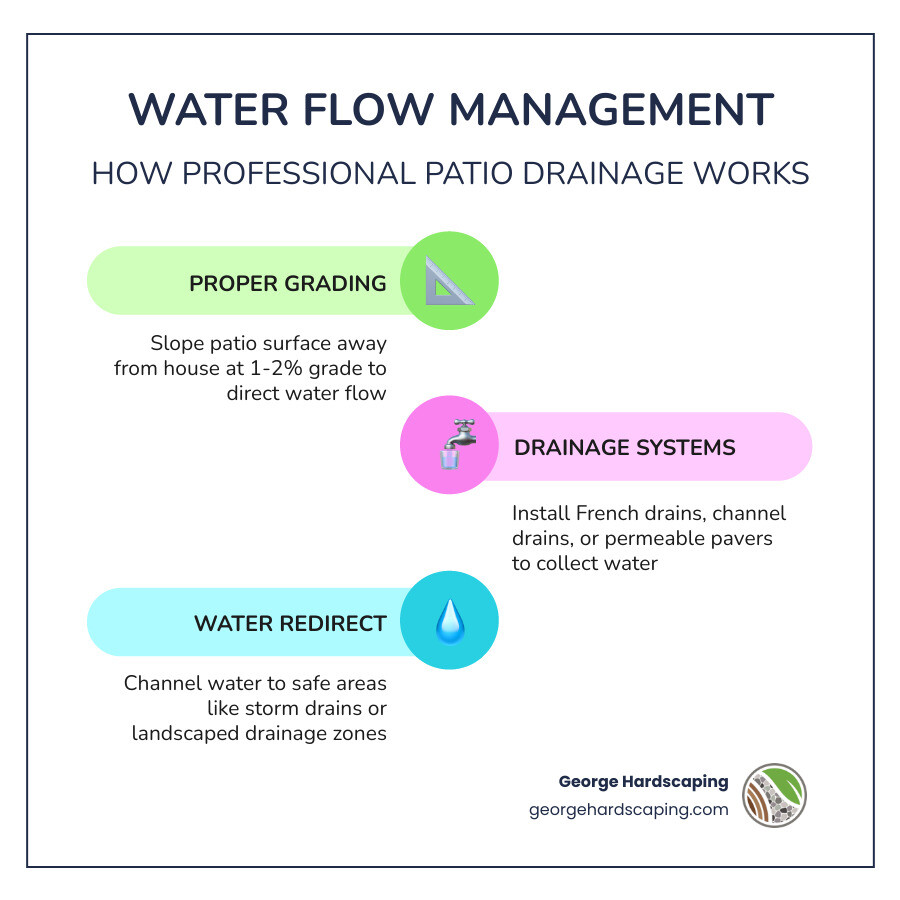
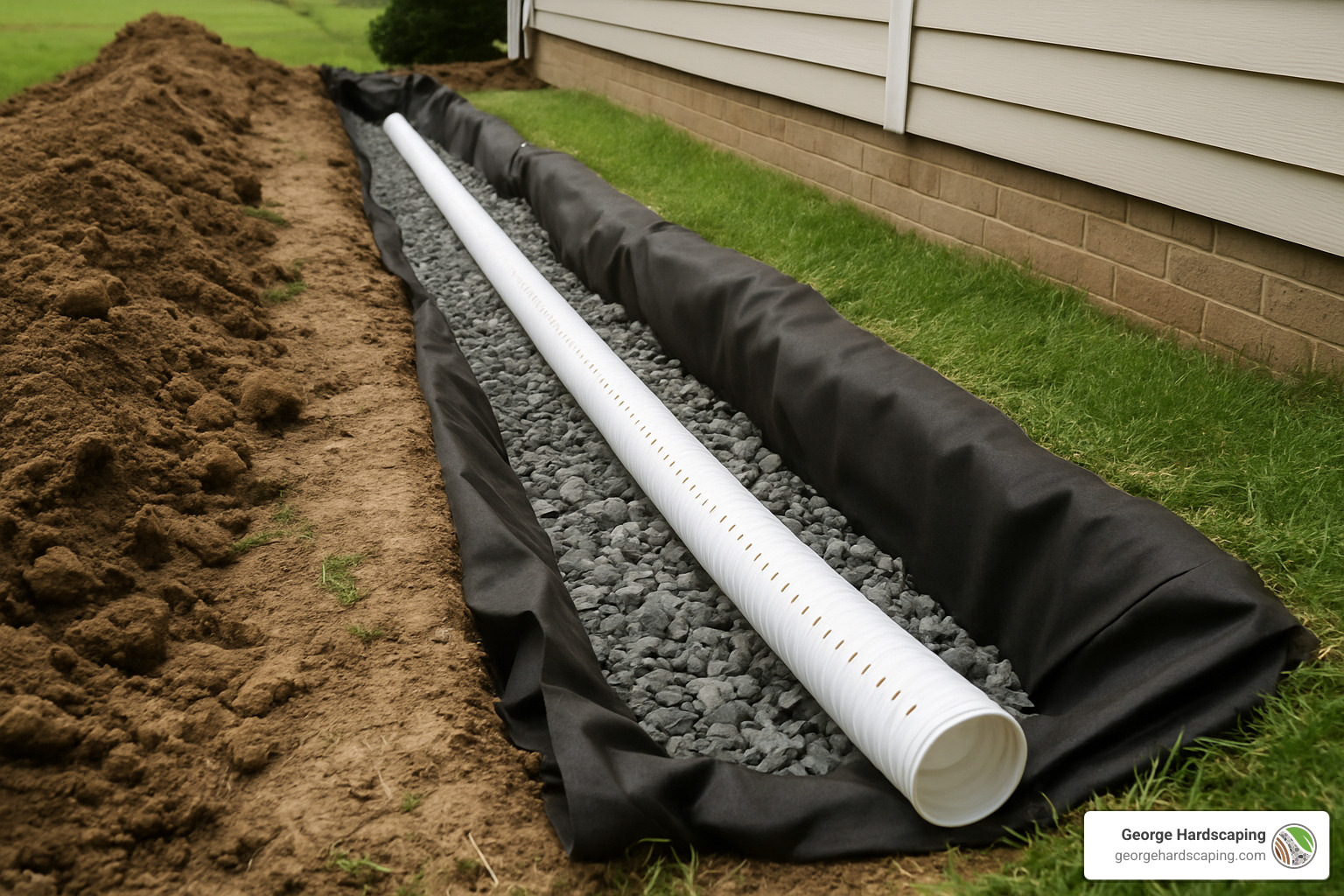
French drains are often our go-to solution for persistent water problems. Think of them as underground highways for water—they intercept moisture before it reaches your patio and guide it safely away from your home’s foundation. We’ve installed hundreds of these systems throughout Essex County, and they’re particularly effective in our clay-heavy soils.
Permeable pavers offer an neat solution that handles both beauty and function. These specially designed pavers look just like traditional ones, but they allow water to pass through into a carefully engineered base system below. It’s like having a secret drainage system hiding in plain sight—your guests will never know why your patio stays dry while others flood.
For larger patios or areas that see heavy water flow, channel drains work like gutters for your outdoor space. These linear systems intercept water at strategic points and direct it toward safe drainage areas. We often recommend them for patios near downspouts or in naturally low-lying areas.
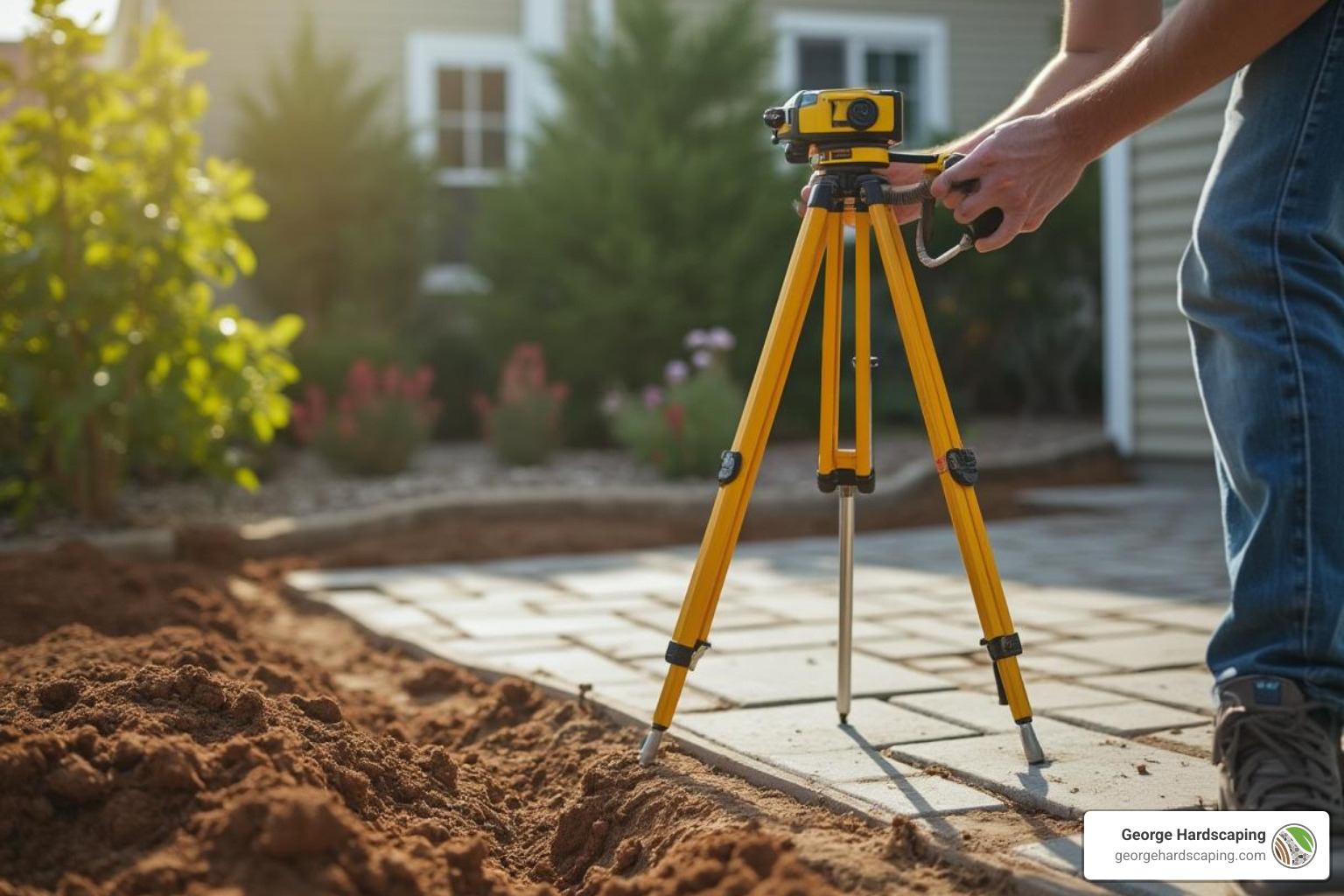
Our grading expertise might not sound glamorous, but it’s absolutely crucial. Proper grading means water flows exactly where it should—away from your house and toward appropriate drainage areas. We use laser levels and years of experience to create slopes that work perfectly but aren’t noticeable to the eye.
Every project comes with comprehensive warranty options because we believe in standing behind our work. When you invest in proper drainage, you should have peace of mind that it’ll keep working year after year.
Patio Contractors Near Me – Find how we bring these drainage solutions to your specific area.
Regional Experience for Residential & Commercial Projects
Our New England expertise comes from dealing with weather that can’t make up its mind. One day it’s snowing, the next it’s 60 degrees and raining. We’ve learned to design drainage systems that handle these dramatic swings without missing a beat.
Working throughout the North Shore has taught us that every town has its own drainage personality. Beverly’s soil drains differently than Newburyport’s, and what works in Hamilton might need tweaking in Topsfield. Our local project portfolio includes successful installations in all these communities, giving us insights you simply can’t get from textbooks.
Our certified installers aren’t just skilled craftsmen—they’re problem solvers who understand that proper drainage often requires creative thinking. They receive ongoing training in the latest techniques and technologies, ensuring your project benefits from both traditional expertise and modern innovations.
Integrated Design & Drainage by George Hardscaping
We’re passionate eco-friendly designers who believe great drainage should work with nature, not against it. Instead of rushing water away as quickly as possible, we design systems that allow natural infiltration while still protecting your property. This approach is better for the environment and often more effective long-term.
Our sustainable practices include incorporating native plants into drainage designs, using locally sourced materials when possible, and creating systems that require minimal maintenance over time. We’ve found that sustainable solutions often turn out to be the most beautiful and cost-effective ones too.
As storm-water management pros, we understand that your patio’s drainage affects more than just your backyard. Properly designed systems help reduce neighborhood flooding and protect local waterways. It feels good knowing your beautiful patio is also doing its part for the community.
How to Choose the Right Patio Drainage Contractor
Choosing the right backyard patio contractors can feel overwhelming, but it doesn’t have to be. Think of it like hiring someone to work on your car—you want someone who knows what they’re doing and won’t disappear when problems arise.
Start with credentials because they tell you if a contractor is legitimate. In Massachusetts, proper contractors carry licensing and can show you their paperwork without hesitation. If someone seems evasive about their credentials, that’s your cue to keep looking.
Licensing isn’t just bureaucratic paperwork—it’s your protection. Licensed contractors have met minimum standards and can be held accountable if things go wrong. You can verify any contractor’s license through local authorities, and honestly, you should.
Insurance protects both you and the workers on your property. We’ve seen homeowners face thousands in liability costs when unlicensed contractors get hurt on their property. Both general liability and workers’ compensation coverage are essential, not optional.
A thorough portfolio review reveals more than fancy photos. Look for projects that actually show drainage details, not just pretty finished surfaces. Quality contractors love explaining how their drainage systems work because they’re proud of the engineering behind the beauty.
BBB ratings and online reviews paint a picture of how contractors handle challenges. Every project has hiccups, but how contractors respond to problems tells you everything about their character and professionalism.
Don’t skip asking for client testimonials from recent projects. Most homeowners are happy to share their experiences, especially if they love their new patio. If a contractor can’t provide references, wonder why.
Questions to Ask Backyard Patio Contractors Before Hiring
Experience length matters, but the right kind of experience matters more. Ask specifically about drainage projects in New England. Someone who’s installed patios in Arizona might not understand our freeze-thaw cycles.
Understanding their material specialties helps you gauge whether they’re the right fit. Different materials require different drainage approaches—what works for concrete won’t necessarily work for natural stone pavers.
Permit handling can make or break your project timeline. Find out who pulls permits and whether they understand local setback requirements and zoning codes. You don’t want surprises from the building inspector.
Get realistic timeline expectations upfront. Weather delays happen, especially in Massachusetts. Contractors who promise to finish your patio in February either don’t understand New England weather or aren’t being honest.
Red Flags & Mistakes to Avoid With Backyard Patio Contractors
Vague bids are trouble waiting to happen. If a proposal doesn’t specify drainage methods, materials, or timeline details, you’re setting yourself up for cost overruns and disappointment. Quality contractors provide detailed proposals because they’ve thought through every aspect of your project.
No written warranty should send you running. Reputable contractors stand behind their work with written guarantees that cover both materials and installation. If someone won’t put their promises in writing, they probably don’t intend to keep them.
Skipping soil tests is like building a house without checking the foundation. Professional contractors evaluate soil conditions and drainage requirements before designing solutions. If someone wants to start digging without understanding what’s beneath your yard, find someone else.
Cost, Timeline & Permits for Patio Drainage Projects
Planning your patio drainage project means understanding both the financial investment and time commitment ahead. Backyard patio contractors typically quote projects based on several key factors, and getting realistic expectations upfront helps avoid surprises down the road.
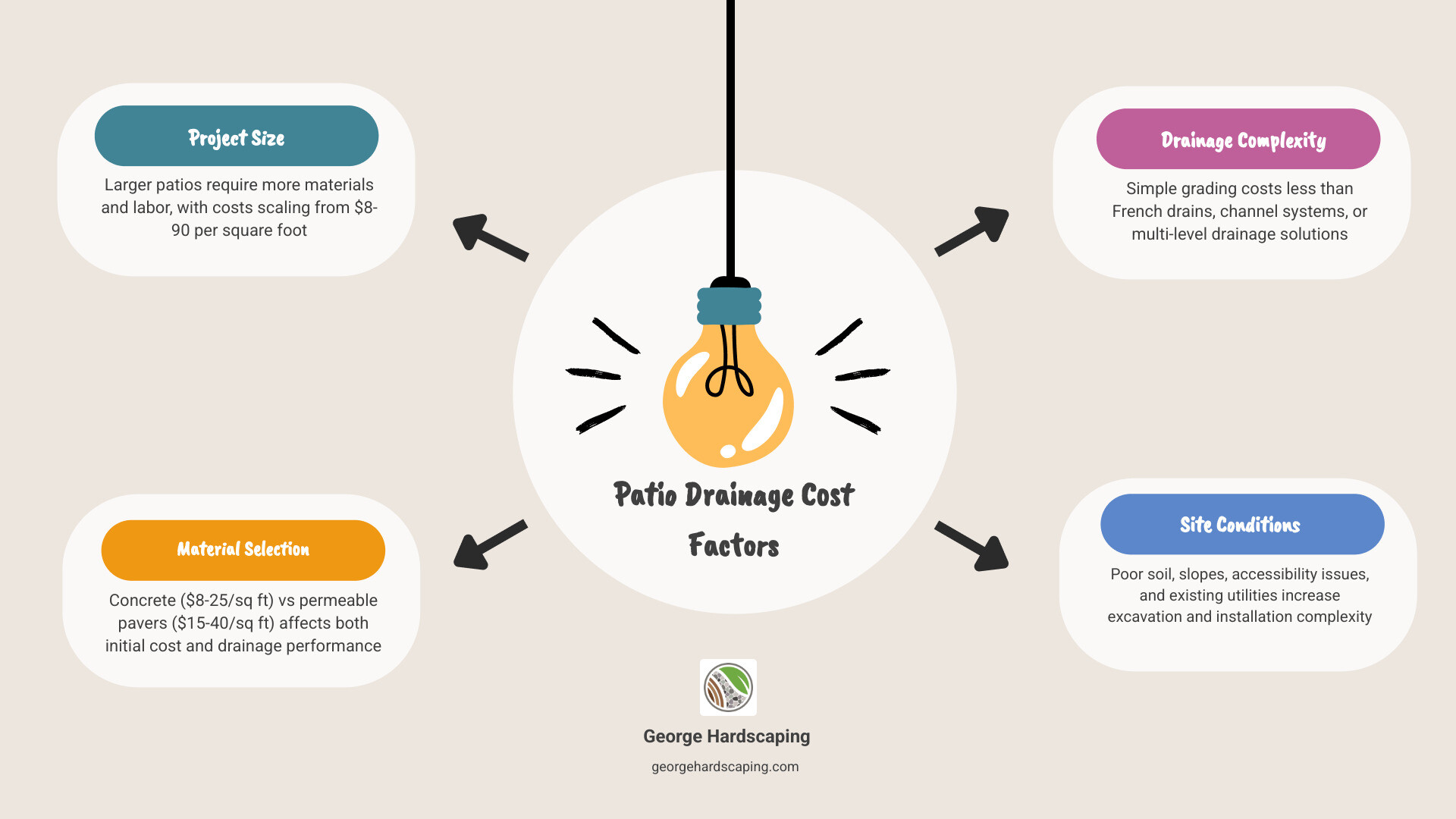
Based on internet data (not George Hardscaping pricing), you can expect average costs to range from $8 to $90 per square foot, with high-end installations reaching $270 per square foot or more. That’s quite a range, and there’s good reason for it.
Project size makes a huge difference in per-square-foot costs. Smaller patios often cost more per square foot because fixed costs like permits, equipment, and setup get spread over less area. Larger projects typically offer better value per square foot.
Material selection dramatically impacts your budget. Basic concrete might start around the lower end of the range, while premium natural stone with complex drainage systems can push costs toward the higher end. Permeable pavers fall somewhere in the middle but offer excellent long-term value through reduced maintenance and superior drainage performance.
Drainage complexity is where many homeowners underestimate costs. Simple grading might add minimal expense, but French drains, channel drain systems, and permeable base installations require specialized materials and expertise that increase investment.
Site conditions can make or break your budget. Easy-access sites with good existing drainage cost less than properties requiring extensive excavation, soil amendments, or challenging access for equipment.
Timeline expectations typically span 3 to 8 weeks from start to finish, though this varies significantly based on project complexity and New England weather patterns. Nobody wants to install drainage systems in February, and spring schedules fill up quickly.
The process usually breaks down into design and permit phases lasting 1-2 weeks, followed by site preparation taking 3-5 days. Drainage system installation adds another 3-7 days, depending on complexity. Surface installation typically requires 3-5 days, with final grading and cleanup wrapping up in 1-2 days.
Local setbacks and zoning codes throughout Essex County can affect both timeline and costs. Some municipalities require permits for patios over certain sizes, while others have specific requirements for drainage modifications that affect neighboring properties. Professional contractors handle these requirements, but they do add time to the front end of projects.
Budget-Stretching Tips
Smart homeowners find ways to get the patio they want without breaking the bank. Phased construction offers one of the best approaches—design your ultimate outdoor space, then build it in stages that match your budget and cash flow.
Starting with proper drainage and base preparation in phase one ensures everything that follows integrates seamlessly. You might install a smaller initial patio area with all the drainage infrastructure, then expand in future phases when budget allows.
Recycled aggregates provide another cost-saving opportunity without compromising performance. These environmentally friendly materials often drain better than virgin materials while costing significantly less. Your wallet and the environment both benefit.
Off-season scheduling can offer both cost savings and better contractor availability. Fall installations take advantage of stable weather before winter, while early spring projects get completed before peak season demand drives up prices.
Maintenance After Installation
Your drainage investment pays dividends for years when properly maintained. Annual power-washing keeps surfaces clean and prevents organic buildup that can clog drainage systems over time. This simple step extends both the beauty and functionality of your patio.
Sealing schedules vary by material but typically range from every 2-5 years. Proper sealing protects against UV damage, staining, and freeze-thaw cycles while maintaining the drainage performance that keeps your patio functional through New England’s challenging weather.
Leaf-guard maintenance becomes critical in our tree-rich region. Regular inspection and cleaning of drainage systems, especially during fall, prevents the backups that can cause expensive water damage. A few minutes of prevention beats hours of cleanup later.
More info about patio maintenance services – Learn how to protect your investment for years to come.
Frequently Asked Questions about Backyard Patio Contractors & Drainage
When homeowners start thinking about patio drainage projects, they usually have the same concerns. We’ve answered thousands of questions over the years, and these three come up most often.
Do I always need a permit for a drainage retrofit?
The short answer? It depends on where you live and what you’re doing. Permit requirements aren’t the same everywhere, and what needs approval in Beverly might be different from what’s required in Newburyport.
Most municipalities require permits for patios over 200 square feet, but that’s just the starting point. You’ll also need permits if your project alters property drainage patterns—which most good drainage retrofits do. If you’re working near property lines or easements, expect permit requirements. And anything that affects public storm water systems definitely needs official approval.
Here’s the good news: experienced backyard patio contractors handle all the permit research and applications for you. We know the local requirements throughout Essex County and make sure your project stays on the right side of regulations. This protects you from fines and ensures the work meets safety standards that keep your family safe.
How long will a French drain under my patio last?
A properly installed French drain system typically lasts 15 to 25 years with minimal maintenance—sometimes longer if you take good care of it. That’s a pretty solid return on investment when you consider the water damage it prevents.
Several factors affect how long your system will last. Quality installation materials make a huge difference—cheap pipe and poor filter fabric fail quickly. Proper grading and slope ensure water keeps moving instead of sitting and causing problems. Regular maintenance and cleaning can add years to system life. And local soil conditions play a role too—sandy soil drains differently than clay.
We use high-quality perforated pipe and proper filter fabric specifically because we want your system to last. A quick inspection every few years and occasional cleaning of the outlet can extend system life significantly. It’s much easier than dealing with a flooded patio.
Can drainage upgrades raise my home’s appraisal value?
Absolutely. Proper drainage improvements can increase property value in several important ways, and smart backyard patio contractors understand this connection.
First, good drainage eliminates moisture-related damage concerns that make buyers nervous. Nobody wants to buy a house with water problems. Second, it improves the usability of outdoor spaces—a patio you can actually use is worth more than one that floods every time it rains.
Drainage upgrades also demonstrate proper maintenance and care. When appraisers and buyers see professional drainage solutions, they know you’ve taken care of the property. Finally, good drainage reduces insurance liability concerns, which matters more every year as weather becomes more extreme.
Research shows that 87% of buyers are drawn to hardscaping designs like patios when they’re house hunting. But here’s the catch—they also notice drainage problems during inspections. Poor drainage can derail sales or reduce offers. Proper drainage protects and improves your investment at the same time.
Conclusion
When it comes to creating the perfect outdoor space, quality craftsmanship isn’t just a nice-to-have—it’s everything. The difference between a patio that becomes your favorite retreat and one that becomes a constant source of frustration often comes down to one thing: proper drainage.
Backyard patio contractors who truly understand their craft know that beautiful design and flawless function go hand in hand. It’s not enough to create something that looks amazing in photos if it can’t handle a New England thunderstorm. The best contractors combine artistic vision with engineering know-how to deliver spaces that work as hard as they look good.
At George Hardscaping, we’ve built our reputation on this one-stop design-drainage build approach. We don’t just install pretty patios—we create outdoor living spaces that improve your daily life while protecting your biggest investment: your home. Our team understands that every project is unique, just like every homeowner’s vision and every property’s challenges.
George Hardscaping excellence means never having to choose between beauty and performance. When you work with us, you get both—plus the peace of mind that comes from working with contractors who’ve been perfecting their craft throughout Essex County for years.
From Beverly’s coastal conditions to Newburyport’s historic neighborhoods, we bring the same commitment to quality and attention to detail to every project. We’ve seen what happens when drainage is an afterthought, and we’ve made it our mission to ensure that never happens to our clients.
Your dream patio shouldn’t come with a side of stress about standing water, foundation damage, or safety concerns. When you choose professionals who understand both the art and science of outdoor construction, you get to focus on what really matters: enjoying your beautiful new space with family and friends.
Ready to transform your backyard into the outdoor oasis you’ve always wanted? Let’s talk about how proper drainage and thoughtful design can make your vision a reality.
Request an Estimate – Start your journey to a beautiful, properly drained patio today.
