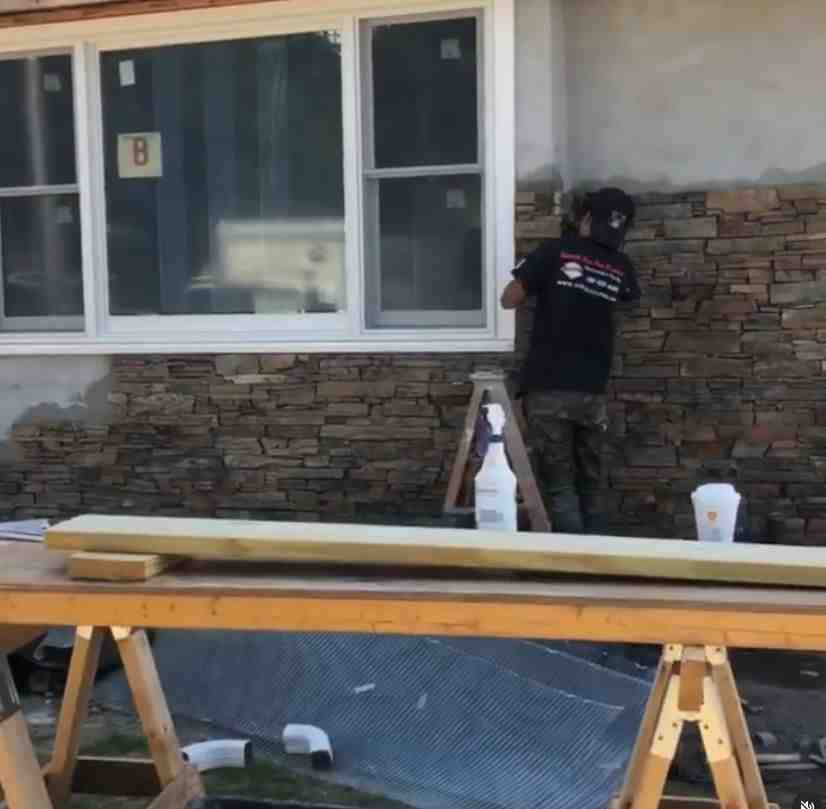
Why Hiring a Licensed Masonry Contractor Protects Your Home and Investment

You’re planning a beautiful stone patio or fixing a crumbling retaining wall. While it may seem straightforward, masonry work demands specialized skills, knowledge of building codes, and an accountability that only a licensed masonry contractor can provide. A licensed professional has met state and local requirements for training, insurance, and legal compliance, ensuring they have verified permission to work in your area and understand how to build structures that last.
When you hire someone without proper credentials, you’re not just risking poor craftsmanship; you’re exposing yourself to significant liability. If a worker gets injured on your property, you could be held responsible. You’re also gambling that the work will meet local building codes, and you have little legal recourse if the project goes wrong. The difference between a licensed and unlicensed contractor isn’t just a piece of paper—it’s the difference between a project that adds lasting value and one that becomes a costly nightmare. An improperly built patio can heave and crack after one winter, creating tripping hazards and requiring a complete tear-out. These aren’t just aesthetic issues; they are safety and financial liabilities that far outweigh any initial savings.
According to industry data, homeowners who hire unlicensed contractors are three times more likely to experience project disputes, with the average cost to fix substandard masonry work ranging from $3,000 to $15,000 or more.
In Massachusetts and throughout Essex County, the stakes are even higher. Our weather demands masonry that can withstand freeze-thaw cycles, heavy rain, and harsh winters. A licensed contractor knows how to select the right materials and use the proper techniques to build structures that endure for decades, not just a few seasons. This guide will walk you through everything you need to know about licensed masonry contractors: what licensing means, how to verify credentials, the services they offer, and why this choice is critical for your home’s value and your peace of mind.
To help you weigh your options, imagine an infographic that clearly compares hiring a licensed vs. unlicensed contractor—highlighting the differences in insurance coverage, construction quality, legal recourse, and long-term cost. Keeping these factors in mind as you read will make it easier to protect your home and your investment.
The importance of proper licensing extends beyond just paperwork. When you work with a licensed masonry contractor, you’re partnering with someone who has invested years in mastering their craft. They understand the nuances of different stone types, mortar compositions, and installation techniques that ensure your project withstands the test of time. In coastal communities like Gloucester and Rockport, where salt air accelerates deterioration, this expertise becomes even more critical. Licensed contractors know which materials resist salt damage and how to properly seal and protect masonry surfaces.
Moreover, licensed contractors maintain relationships with quality suppliers, ensuring you receive authentic, high-grade materials rather than inferior substitutes that may look similar but fail prematurely. They understand load calculations for retaining walls, proper drainage techniques to prevent water damage, and the specific frost line depths in Essex County that affect foundation work. This technical knowledge, combined with practical experience, means your project will be built to last generations, not just seasons.
The Foundation of Trust: What “Licensed” Really Means
When we talk about a licensed masonry contractor, we mean a professional who has proven their competence, reliability, and legal standing. In Massachusetts, while there isn’t a single “masonry contractor” license, reputable professionals operate under a framework of licenses, registrations, and insurance that ensures quality and accountability. For many residential projects, this includes a Construction Supervisor License (CSL) and registration as a Home Improvement Contractor (HIC).
The HIC program provides key consumer protections, including access to a guaranty fund in case of disputes. A truly professional contractor operates with this verified knowledge, adhering to industry best practices and understanding the details of construction, from the structural integrity of a concrete retaining wall to the aesthetic precision of a garden wall construction.
If you are curious how other states organize licensing, you can review an example such as the Florida state licensing board for contractors. While the rules differ from Massachusetts, it gives a good sense of how seriously states take contractor regulation and consumer protection.
The licensing framework in Massachusetts serves multiple purposes. First, it establishes minimum competency standards that contractors must meet before they can legally operate. Second, it creates a system of accountability where contractors can be held responsible for substandard work. Third, it provides consumers with recourse through regulatory bodies if disputes arise. This multi-layered approach ensures that when you hire a licensed contractor, you’re working with someone who has demonstrated both technical proficiency and business acumen.
How Licensing Ensures Quality and Professionalism
Licensing and proper credentials are the bedrock of quality in masonry. They signify that your contractor is a seasoned professional who understands the craft.
- Proven Experience and Training: Licensed professionals have undergone significant training and have years of hands-on experience, which translates directly into masterful work. This experience encompasses everything from understanding soil conditions for foundation work to knowing the proper curing times for different mortar types in varying weather conditions.
- Code Compliance: A licensed contractor is well-versed in Essex County building codes, ensuring your project meets all legal and structural requirements, preventing costly rework and hazards. They stay updated on code changes, understand permit requirements, and know when engineered plans are necessary.
- Ethical Standards: Reputable contractors are often affiliated with industry associations that promote ethical conduct and continuous education on the latest techniques, materials, and safety protocols. These associations provide ongoing training, certification programs, and forums for sharing best practices.
- Structural Integrity: A licensed professional understands the engineering behind their work, ensuring every brick and stone contributes to the structure’s stability by accounting for soil conditions, drainage, and load-bearing needs. They calculate proper footing sizes, understand expansion joint placement, and know how to properly tie new masonry into existing structures.
- Material Knowledge: Licensed contractors possess deep understanding of material properties, from the porosity of different stones to the chemical composition of mortars. They know which materials work best together and how different materials will weather over time in our specific climate.
- Safety Protocols: Professional contractors implement comprehensive safety measures, protecting both workers and your property. They understand OSHA requirements, use proper scaffolding and equipment, and maintain safe job sites that minimize risk to your family and neighbors.
Why You Must Verify a Contractor’s License and Insurance
Skipping the verification step is a gamble you can’t afford to take. Verifying a contractor’s credentials is your ultimate protection.
- Client Protection and Recourse: A valid license or registration means the contractor is accountable to a regulatory body, giving you a formal channel for recourse if issues arise. This accountability extends to warranty enforcement, dispute resolution, and ensuring work meets professional standards.
- Liability Shield: This is critical. If an unlicensed worker is injured on your property, you could be held liable for their medical bills. A properly insured contractor carries worker’s compensation and general liability insurance, shifting that immense financial risk away from you. In Massachusetts, where medical costs can easily exceed $100,000 for serious injuries, this protection is invaluable.
- Financial Security: Insurance also protects against accidental property damage. If a contractor damages your home, their insurance covers the costs, not you. This includes everything from a broken window to structural damage from improper excavation.
- Protection from Property Liens: A professional contractor provides lien waivers from suppliers and subcontractors, proving they’ve been paid. This protects you from having a mechanic’s lien placed on your property if the contractor fails to pay their bills—a common and devastating problem with unlicensed operators.
- Avoiding Scams: Unlicensed operators often offer low prices by cutting corners on insurance, materials, and proper techniques. This leads to unfinished projects, shoddy work, and scams. They may take deposits and disappear, use substandard materials while charging for premium ones, or abandon projects when problems arise.
- Legal Compliance: Working with unlicensed contractors can result in fines from your local building department and complications when selling your home if work wasn’t properly permitted and inspected.
In Massachusetts, confirm local business registrations, verify their insurance, and for larger projects, check a Construction Supervisor License through the state’s official portal. In states that use centralized lookup tools, such as Florida, you could use resources like the contractor license search system to see how detailed professional records can be—reinforcing why it is so important to do the same type of due diligence where you live.
The verification process should also include checking Better Business Bureau ratings, confirming any professional certifications claimed, and verifying that insurance policies are current and adequate for your project size. Don’t hesitate to call insurance companies directly to confirm coverage—reputable contractors will welcome this due diligence.
The Blueprint for Success: Vetting Your Ideal Masonry Contractor
Finding the right licensed masonry contractor requires careful consideration and due diligence. This vetting process is your blueprint for success, ensuring your project in Essex County is handled with the professionalism and expertise it deserves, turning your vision into a durable and beautiful reality.
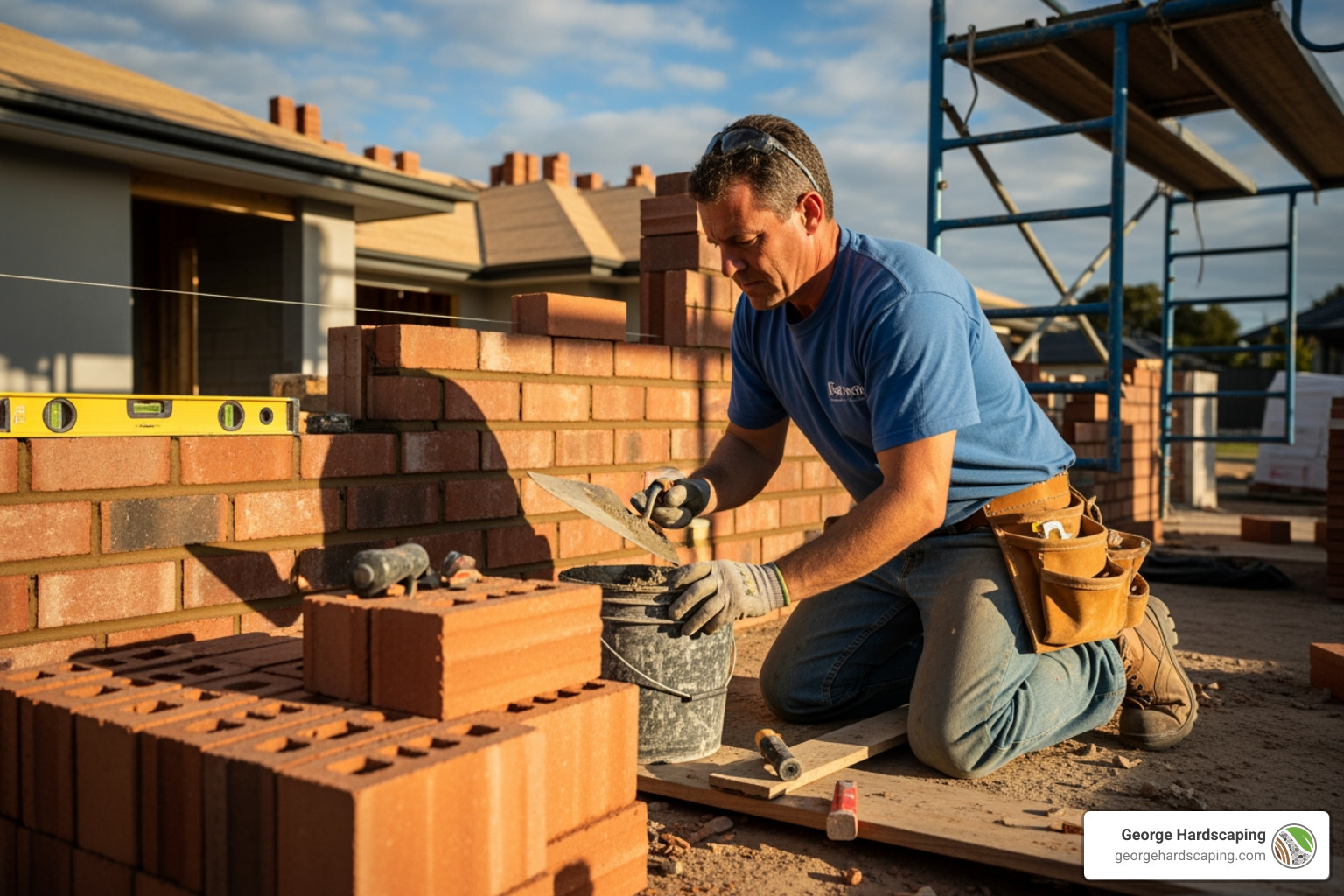
What to Look For: A Homeowner’s Vetting Checklist
When choosing a licensed masonry contractor in Beverly, Danvers, or anywhere on the North Shore, focus on these key areas to ensure you’re hiring a true professional:
- Proven Experience and Local Reputation: Look for a contractor with a deep track record in the community and experience with projects similar to yours.
- Project Portfolio and Reviews: A contractor’s portfolio is their visual resume. Analyze their past work for quality and style. Check online Google reviews from local masonry clients and ask for local references to get unbiased feedback on their communication, timeliness, and overall service.
- Proof of Insurance: Never hire a contractor without seeing current certificates of general liability and worker’s compensation insurance. This is non-negotiable and protects you from liability.
- Detailed, Written Contracts: A professional provides a comprehensive, itemized quote and a clear contract. This document should outline the project scope, timeline, payment schedule, materials, and warranty information to protect both parties.
- Clear Communication: A great contractor communicates proactively. Ask about their process for providing updates and handling questions. A dedicated project manager or clear point of contact is a sign of a well-run business.
Key Questions to Ask a Licensed Masonry Contractor
Once you’ve narrowed your list, asking the right questions can reveal a contractor’s expertise and professionalism.
- Can you provide proof of your Massachusetts licenses and insurance?
- What is your process for a project like mine, from start to finish?
- What materials do you recommend for our climate and why? Follow up: What are the long-term maintenance needs?
- What is your estimated timeline and payment schedule?
- What warranties do you offer on your workmanship and the materials?
- Who is responsible for obtaining permits and handling site cleanup?
- Can you provide a list of recent local references?
- Who will be supervising the work on-site each day?
Asking these questions will give you a clear understanding of their capabilities. If you’re looking for a licensed masonry contractor near you in towns like Marblehead, Newburyport, or Rockport, we’re always ready to answer these and any other questions you may have. You can start the conversation by exploring our page to find a local masonry contractor on the North Shore and see how we approach planning, budgeting, and communication for every project.
From Vision to Reality: Services Offered by a Licensed Masonry Contractor
A licensed masonry contractor offers a vast array of services to transform outdoor spaces. From enhancing curb appeal with intricate stonework to building structurally sound foundations, our expertise covers the full spectrum of masonry needs. We don’t just lay bricks; we craft enduring beauty and functionality. Whether you’re dreaming of a cozy outdoor fireplace or need critical foundation repairs, a licensed professional brings the skills and knowledge to do the job right the first time. We invite you to explore our masonry services to see how we can help.
Common Residential Masonry Projects
For homeowners in Essex County, a licensed contractor can execute a wide range of projects to improve a property’s appeal and usability:
- Patios and Pool Decks: Creating inviting outdoor living areas with durable and beautiful stone, brick, or paver patios and pool surrounds. This involves excavating and installing a multi-layered, compacted base to prevent settling and heaving, and properly grading the surface for drainage.
- Walkways and Stairs: Designing and installing safe, attractive walkways and stairs that complement your home and improve accessibility.
- Retaining Walls: Building functional and beautiful landscape retaining walls to manage slopes, prevent erosion, and create usable tiered spaces. For walls over four feet in height, engineering plans are often required. We build everything from simple garden walls to complex structures with proper drainage systems to ensure longevity.
- Custom Outdoor Firepits: Crafting bespoke custom outdoor firepits that become the focal point for entertainment on chilly New England evenings.
- Chimney Repair and Construction: Performing services from minor tuckpointing to complete rebuilds to ensure your chimney is safe and sound. We address common issues like a cracked crown or failing flashing to prevent water leaks and ensure safety.
- Brick and Stone Veneers: Adding elegance and character to your home’s exterior or interior with natural stone or brick.
- Driveway Paver Installation: Upgrading your entrance with a durable and attractive driveway paver installation for superior curb appeal. This includes a robust base designed to handle vehicle loads and prevent rutting or shifting over time.
- Foundation Repair: Repairing existing foundations to guarantee the stability and longevity of your home.
Why You Need a Licensed Masonry Contractor for Repairs
Masonry repairs require a deep understanding of materials and structural principles, especially for homes in historic towns like Salem or Ipswich. A licensed masonry contractor is essential for:
- Proper Diagnosis: We identify the root cause of the damage—such as water intrusion or settling—to provide a lasting solution, not a temporary patch.
- Skilled Repairs: Services like tuckpointing (replacing old mortar), brick replacement, and crack repair require precision to restore structural integrity and blend seamlessly with the original work.
- Material Matching: For historic homes, we use our experience to source appropriate materials and employ traditional techniques to maintain architectural authenticity.
- Preventing Further Damage: DIY or unlicensed repairs often worsen problems. A professional approach ensures the repair is done correctly, saving you from more extensive and costly damage later. You can see examples of our meticulous work when you see our masonry work.
Ready to start your next masonry project with a trusted local expert? Contact George Hardscaping today for a professional consultation and bring your vision to life with a licensed team that understands Essex County’s homes and climate.
The Tangible Benefits: How Professional Masonry Improves Your Property

A professionally crafted stone wall or patio is more than just an upgrade; it’s a lasting investment in your property. The work of a licensed masonry contractor positively impacts your home’s durability, aesthetics, and overall value for decades.
Boosting Durability and Longevity
Masonry has been a reliable building method for centuries due to its inherent strength. When installed by a skilled contractor, it offers unparalleled longevity, which is crucial in the challenging Massachusetts climate.
- Weather and Fire Resistance: Materials like stone, brick, and concrete are incredibly resilient. In New England, the primary enemy of masonry is the freeze-thaw cycle. A licensed contractor mitigates this by using materials with low absorption rates, applying appropriate sealants, and constructing proper joints that allow for expansion and contraction.
- Low Maintenance: Properly installed masonry requires minimal upkeep compared to wood, saving you time and money in the long run.
- Structural Strength: Masonry provides incredible load-bearing capacity and stability, contributing to the overall structural integrity of your property.
- Elemental Resilience: High-quality stone masonry services use materials that age gracefully, often looking better over time. You can learn about stone masonry services and see how they can improve your home.
If you are interested in the broader performance of masonry materials, organizations like the Portland Cement Association and the Brick Industry Association share in-depth resources on strength, durability, and best practices for masonry construction.
Elevating Aesthetics and Property Value
Beyond durability, professional masonry dramatically improves your home’s visual appeal and market value.
- Improved Curb Appeal: A well-designed brick walkway, stone entryway, or custom firepit instantly lifts your home’s curb appeal, making it a standout in neighborhoods like Lynnfield or Swampscott.
- Increased Resale Value: High-quality masonry is a smart financial move. Unlike interior design trends that can quickly become dated, classic hardscaping like a bluestone patio or a fieldstone wall has timeless appeal. Hardscaping and exterior upgrades provide a significant return on investment, as the perceived quality and longevity of masonry contribute directly to a higher resale value.
- Unique Character and Beauty: Masonry offers endless design flexibility to complement any architectural style, adding a sophisticated and handcrafted touch that generic materials cannot replicate. You can see examples of this transformative power in our project gallery.
When you are ready to improve your curb appeal and long-term property value with custom stonework, reach out to our team to discuss design options, materials, and budget. A licensed masonry contractor can help you turn ideas into a carefully planned project that looks beautiful on day one and continues to perform year after year.
Frequently Asked Questions about Licensed Masons
We often receive questions about licensing, costs, and the roles within the masonry trade. Here are answers to some common inquiries from our clients in Essex County.
How do I verify a masonry contractor’s license in Massachusetts?
In Massachusetts, licensing is multi-faceted. While there isn’t a specific “masonry” license, a reputable contractor’s credentials can be verified. For larger projects, a Construction Supervisor License (CSL) is often required, which you can check on the state’s website. It is also crucial to:
- Check Local Registrations: Contact your town’s building department (e.g., in Gloucester or Middleton) to confirm the contractor is registered to work there.
- Verify Insurance: Always request and verify current certificates for general liability and worker’s compensation insurance directly from the provider. This is your primary protection.
- Ask About Bonding: For large projects, bonding offers another layer of financial security.
What’s the difference between a mason and a licensed masonry contractor?
Think of it as the difference between an artist and a project manager.
- A mason is a skilled tradesperson who physically lays the bricks, cuts the stone, and applies the mortar. They are the craftspeople with the hands-on expertise.
- A licensed masonry contractor is the business entity that manages the entire project. They hold the necessary licenses and insurance, enter into legal contracts, pull permits, and assume full liability for the work. They employ skilled masons and ensure the project complies with all codes and regulations.
When you hire a licensed contractor, you get both the skilled artisan and the professional project management needed for a successful outcome.
Is it cheaper to hire an unlicensed mason?
While it might seem cheaper initially, hiring an unlicensed individual almost always costs more in the long run. The lower price comes from cutting corners on critical elements like insurance, quality materials, proper techniques (like adequate base preparation), and legal permits. This exposes you to immense financial risk from accidents, shoddy work that requires expensive repairs, and legal penalties from the town. The hidden costs of an unlicensed job—from property damage to the need for a complete tear-out—can quickly dwarf any initial savings. A $15,000 repair bill is a steep price to pay for a ‘deal’.
How does a licensed contractor handle unforeseen issues?
Unexpected challenges, like discovering poor soil during excavation, are a reality in construction. A professional, licensed masonry contractor handles this by communicating immediately, presenting you with clear, costed solutions, and using a formal change order to document any deviation from the original contract. This transparency and formal process protect both parties.
Conclusion
Choosing a licensed masonry contractor for your home or business in Essex County isn’t just a recommendation; it’s a necessity for ensuring project success, long-term value, and your ultimate peace of mind. From the foundational trust that licensing provides to the masterful craftsmanship and comprehensive services we offer, every aspect points to the benefits of working with seasoned professionals.
We understand that your home is one of your most significant investments, and every brick, stone, or paver we lay contributes to its beauty, durability, and functionality. By prioritizing a licensed and insured contractor, you’re making a smart investment in quality and safety, protected by state regulations and professional project management.
The decision to work with a licensed contractor protects you from countless risks while ensuring superior results. You gain access to professional expertise, quality materials, proper installation techniques, and the peace of mind that comes from comprehensive insurance coverage. Your project will meet all building codes, withstand our harsh New England weather, and improve your property value for years to come.
For homeowners in Essex County, MA, seeking a trusted and fully licensed masonry contractor committed to excellence in every project, George Hardscaping is here to help. We are proud to serve the North Shore communities, including Andover, North Andover, Medford, Melrose, and Wilmington, with unparalleled craftsmanship and dedication.
Ready to transform your outdoor space with confidence? Don’t get mortared by avoidable risks. Request your free estimate today and let us help you build something beautiful that stands the test of time.
Whether you’re envisioning neat walkways and stairs that welcome guests to your home, sturdy landscape retaining walls that create usable outdoor spaces, or inviting custom outdoor firepits for gathering with family and friends, our licensed team brings your vision to life with precision and care.
If you are comparing options or planning a future project, this is also the perfect time to gather ideas and ask questions. Review our galleries, read client reviews, and then contact our licensed masonry team for a no-obligation consultation so you can move forward knowing your patio, walkway, retaining wall, or custom firepit is in experienced hands.
Don’t wait until spring to start planning your masonry project. Winter is the ideal time to design, plan, and schedule your project for the upcoming season. By starting the conversation now, you’ll be first in line when the weather breaks, ensuring your outdoor space is ready for summer enjoyment. Our team is available year-round to discuss your ideas, provide estimates, and help you understand the full scope of possibilities for your property.
Take the first step toward enhancing your home’s beauty and value. Contact George Hardscaping today to schedule your consultation with Essex County’s trusted licensed masonry professionals.