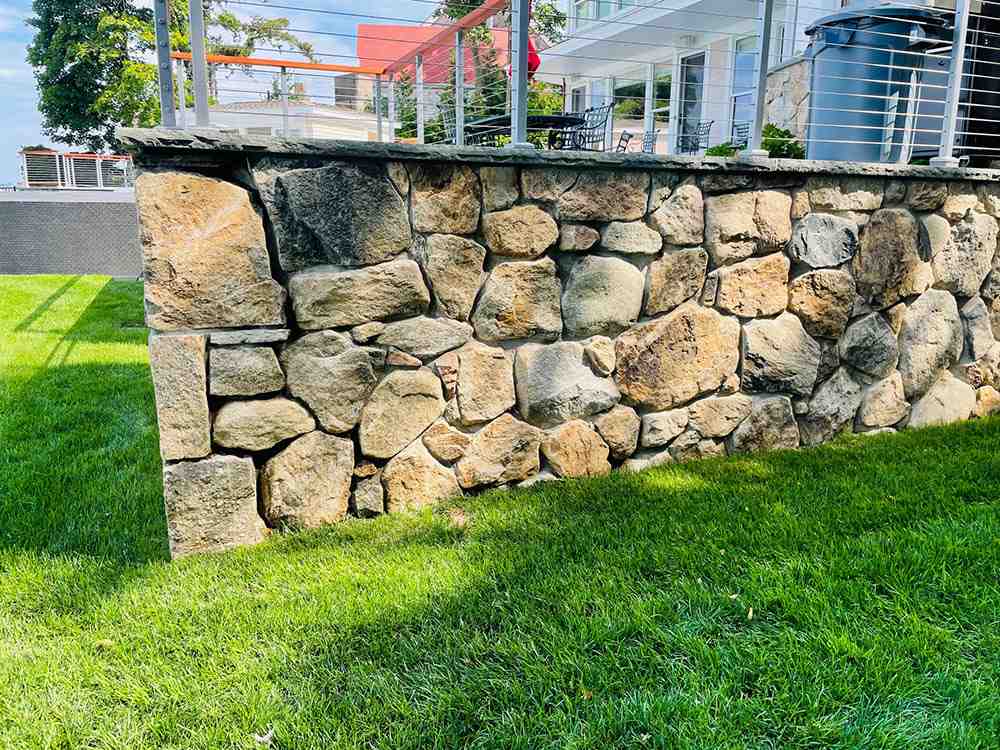
Garden wall construction: Ultimate Guide 2025
Why Garden Wall Construction Matters for Your Outdoor Living Space
Garden wall construction is the art and science of building a permanent structure in your landscape. Its purpose can be multifaceted: to create clear boundaries, define distinct outdoor “rooms,” retain soil to manage elevation changes, or simply add architectural interest and texture. Using durable materials like interlocking concrete blocks, timeless natural stone, or classic brick, a well-built garden wall can do more than just solve a problem; it can transform a challenging or uninspired landscape into a stunning and highly functional outdoor feature, adding significant beauty, usability, and value to your property.
Many homeowners are surprised to learn that many types of garden walls are DIY-friendly projects. For non-structural, decorative walls under 2–3 feet high, the construction process follows a series of straightforward, logical steps that most handy homeowners can tackle with proper planning, the right tools, and a healthy dose of patience.
These shorter walls are perfect for creating beautiful raised planting beds, defining the edges of a patio space, lining walkways for a clean look, or adding vertical interest to a flat yard. However, it is absolutely crucial to distinguish between a simple decorative garden wall and a structural retaining wall. Any wall over 4 feet high, a wall holding back a significant amount of soil (known as a surcharge), or a wall located near a driveway or patio that imposes extra weight requires professional engineering, robust reinforcement, and often a building permit.
The key factors for success in any wall project are universal: a solid, compacted foundation to prevent settling; proper drainage to manage water pressure; a perfectly level base course to ensure stability; and staggered joints to distribute weight and stress. At George Hardscaping, we’ve witnessed firsthand how a properly constructed garden wall can completely redefine a property in Essex County and on the North Shore. Whether you choose to build it yourself or hire professionals, understanding the fundamental principles of the process is essential for a lasting result.
This comprehensive guide will walk you through every critical aspect of garden wall construction—from initial planning and material selection to the step-by-step building process, finishing touches, and long-term maintenance. You’ll gain the knowledge to decide when a DIY approach makes sense, recognize the red flags that indicate you should call in experts, and learn how to avoid the common, costly mistakes that lead to wall failure.
Who benefits from garden wall construction?
- Homeowners with sloped properties looking to tame hillsides and create usable, level areas for patios, lawns, or play spaces.
- Avid gardeners who want raised beds for improved soil control, better drainage, and easier, more ergonomic access to their plants.
- Property owners seeking significant curb appeal upgrades, functional seating walls around a fire pit, or privacy screening along a property line.
- Anyone dealing with frustrating landscape problems like soil erosion, damaging water washouts, or messy, unsafe grade transitions.
Why design and installation quality matters:
- Structural integrity: A wall must be designed and built to resist immense lateral earth pressure, the force of water, and the powerful expansion-contraction cycles of freezing and thawing ground.
- Water management: Effective drainage behind and around the wall is not optional. It prevents hydrostatic pressure buildup and frost heave, which are the primary causes of bulging, cracking, and tipping.
- Longevity and safety: A soundly constructed wall should perform flawlessly for decades without requiring major repairs. A failing wall is not just an eyesore; it’s a significant safety hazard.
Common misconceptions we correct often:
- “I can build directly on the topsoil.” This is a recipe for failure. Topsoil is organic and unstable; it will compress and shift, causing your wall to settle, tilt, and fail. A lasting wall requires an excavated trench and an engineered base of compacted gravel.
- “Construction adhesive is all I need to hold it together.” While adhesive is essential for securing capstones, it does not provide the structural strength needed for the wall itself. That strength comes from proper interlocking block systems, setback (batter), and geogrid reinforcement where required.
- “Short walls never need engineering.” This is a dangerous assumption. The soil type (e.g., expansive clay), surcharge loads from slopes or nearby structures, and poor drainage can necessitate professional design and reinforcement (like geogrid) even for walls below the typical 4-foot permit threshold.
Local codes and utilities:
- Always check with your local building department for rules regarding permits, height restrictions, and setback from property lines. Many municipalities base their regulations on the International Code Council (ICC) online codes for guidance.
- Before any excavation—even with a shovel—you are legally required to call 811 or submit a ticket online to have underground utilities located and marked. It’s a free, fast service that prevents dangerous and costly accidents. Learn more at Call 811.
A note on materials and system selection:
- Interlocking concrete block systems (Segmental Retaining Walls or SRWs) are engineered for reliability and ease of installation. Manufacturers publish detailed specifications, including maximum unreinforced heights and reinforcement guidelines—follow them meticulously.
- Natural stone and brick walls offer breathtaking, classic beauty, but they demand meticulous detailing and skill. For any structural application, they require professional design to ensure stability.
If you prefer to leave the complexities of design, permitting, and installation to a trusted professional, our team handles every detail from the initial concept to the final cleanup. Explore our retaining wall construction and landscape retaining walls services to see what’s possible for your property.
Strong CTA: Ready to start with a safe, code-compliant plan? Book a professional site assessment and estimate now: Request an estimate.
Planning Your Garden Wall Project
Proper, thorough planning is where successful garden wall construction projects begin. It’s the most critical phase and one that should never be rushed. Before you even think about picking up a shovel, you need to clearly define your wall’s purpose, meticulously analyze the site conditions, choose the right materials for both aesthetics and function, and diligently check all local regulations. This initial investment of time saves immense amounts of money, time, and frustration down the line, ensuring your retaining wall design is sound, safe, and built to last from the very start.
Distinguishing Between Garden Walls and Retaining Walls
Understanding whether you are building a simple decorative garden wall or a structural retaining wall is the first and most critical distinction to make. The answer dictates the entire construction process, from foundation depth to the need for reinforcement.
- Decorative garden walls are typically freestanding or hold back minimal soil. They are usually under 3 feet tall and serve primarily to border flower beds, define patio edges, or line walkways. Their main role is aesthetic and organizational. While they still need a proper base, their structural demands are low.
- Retaining walls are specifically engineered structures designed to hold back soil and manage significant changes in elevation. These landscape retaining walls are essential for creating usable flat areas on sloped properties, preventing soil erosion, and managing water runoff. They are subjected to immense lateral earth pressure and hydrostatic (water) forces.
The distinction matters immensely for construction. Misclassifying a structural retaining wall as a simple garden wall is a primary cause of failure. While simple decorative walls under 2 feet can be built with basic techniques, any wall that retains a slope—even a modest one—introduces powerful forces that must be managed. Walls exceeding 4 feet in height (or shorter walls with complex loads) almost always require professional design, a building permit, and geogrid reinforcement to safely handle the pressure from soil and water. For an excellent, unbiased overview of retaining wall best practices, see the Oregon State University Extension article on building a landscape retaining wall.
Site Analysis: The Foundation of Sound Design
Every property is unique, and a thorough site assessment is non-negotiable. An hour spent walking your property and observing these conditions can prevent weeks of costly rework.
- Slope and grade: Use stakes and a string line with a line level to accurately measure the height changes your wall will need to retain. Observe where water naturally flows during and after a rainstorm. A critical rule of wall building is to never block the natural path of water; you must design a system to redirect it safely around or through your wall.
- Soil type: The type of soil you have dramatically affects wall design. Heavy clay soils expand when wet and exert tremendous pressure. Sandy soils drain well but can be unstable if not properly contained. You can get a good idea of your soil type with a simple jar test or by visiting the USDA’s Web Soil Survey for detailed local data.
- Frost depth and climate: In regions with cold winters, the ground freezes and expands, a phenomenon known as frost heave. Your wall’s foundation and drainage system must be designed to accommodate this movement. The base of the foundation should be below the local frost line for critical walls. Your local building department or the ICC online codes can provide specific frost depth requirements for your area.
- Utilities: This is a safety and legal mandate. Before any excavation, you must contact Call 811 to have all underground utility lines (gas, electric, water, data) marked. Hitting a line can be dangerous, disruptive, and incredibly expensive.
- Property lines and easements: Use your property survey to confirm boundaries. Building a wall on your neighbor’s property or within a utility easement can lead to legal disputes and forced removal.
Permits, Codes, and HOA Rules
- Most municipalities require a building permit for retaining walls over 3–4 feet in height. Some have even stricter limits, especially for walls near property lines, public sidewalks, or in environmentally sensitive areas.
- Surcharge loads are a key factor. A wall supporting a driveway, patio, or even a steep slope above it may require engineering and a permit even if it’s below the standard 4-foot height, as these add significant pressure.
- Homeowners’ Associations (HOAs) often have their own set of aesthetic rules governing wall materials, colors, and heights. Always get written approval from your HOA before purchasing materials or starting work.
- When in doubt, have a conversation with your local building department early in the planning process. They are a valuable resource and can clarify requirements based on the IBC/IRC, often accessible via the ICC code portal.
Key Materials for Your Garden Wall Construction
Your material choice affects aesthetics, budget, and installation complexity. Once you know your wall’s purpose and site needs, the selection becomes clearer.
- Concrete Blocks: Segmental retaining wall (SRW) blocks are the most popular choice for their engineered interlocking design, durability, and vast range of styles, colors, and textures. We often help clients explore retaining wall block options to find the perfect match for their home’s architecture.
- Natural Stone: For timeless, authentic beauty, nothing compares to fieldstone, granite, or bluestone. Building with natural stone is a craft that requires significant skill in shaping, fitting, and stacking, especially for structural walls.
- Brick and CMU with Veneer: This method provides a classic brick look but is often built with a structural core of concrete masonry units (CMU) and requires a concrete footing and mortar. It is best suited for decorative applications or fully engineered structural walls.
Beyond the wall units themselves, you’ll need a specific set of companion materials: a substantial gravel base (compacted 3/4″ crushed angular stone), a thin layer of coarse sand for leveling the base course, high-quality landscape filter fabric to separate soil from drainage stone, a perforated drainage pipe for all retaining walls, and exterior-grade construction adhesive to secure the capstones.
Essential Tools for the Job
Having the right tools not only makes the job safer and more efficient but also ensures a professional-quality result. Always begin with personal protective equipment (PPE): safety glasses, hearing protection, a dust mask, and heavy-duty gloves. And remember: call 811 before you dig.
Basic toolkit:
- Shovel, wheelbarrow, and steel garden rake
- Stakes, string line, line level, and marking paint
- 4-foot level and a smaller torpedo level
- Rubber mallet or dead blow hammer for positioning blocks
- Hand tamper for small areas or a plate compactor (rentable) for the subgrade and base
- Masonry chisel and hammer, or a circular saw with a diamond/masonry blade for cutting blocks
Understanding Block Systems, Setback, and Height Limits
Different SRW systems have different engineering and rules. Most interlocking block systems feature a rear lip, grooves, or pins that lock courses together and automatically create a setback (also called batter). This slight backward lean into the retained soil dramatically improves the wall’s stability against lateral pressure. Other systems are designed to be built vertically but rely on geogrid reinforcement at specified intervals for stability.
Every block system has a manufacturer-specified maximum unreinforced height limit—it is critical to observe these limits. As a general rule of thumb:
- Decorative walls under 2 feet can often be built with basic techniques.
- Walls relying solely on construction adhesive for connection typically max out around 2 feet.
- Walls over 4 feet almost always require geogrid reinforcement and a building permit.
Remember that soil type, surcharge loads (from driveways, patios, or slopes), and drainage conditions all affect the allowable height. Always check the manufacturer’s technical data sheets and consider consulting authoritative resources like the Federal Highway Administration’s guidance for reinforced soil structures: FHWA Geotechnical Engineering.
Professional Support When It Matters
If your project involves poor soils, significant drainage challenges, tight property lines, heights approaching 4 feet, or any combination of these factors, it’s wise to bring in professionals. Our team combines years of practical, hands-on experience with engineering-backed methods in both retaining wall construction and custom stone retaining walls.
Strong CTA: Prefer a turnkey approach with professional design, permitting assistance, and guaranteed workmanship? Get started with a comprehensive site visit: Request an estimate.
The Step-by-Step Process for Garden Wall Construction
With your detailed plan complete and materials on site, it’s time to begin the physical construction. This process demands precision and patience at every stage, as errors made early on will be magnified as the wall gets taller. Before you start, make your mandatory safety call: dial 811 before you dig to have underground utilities located—learn how at Call 811. Always wear your safety glasses, hearing protection, and gloves throughout the project.

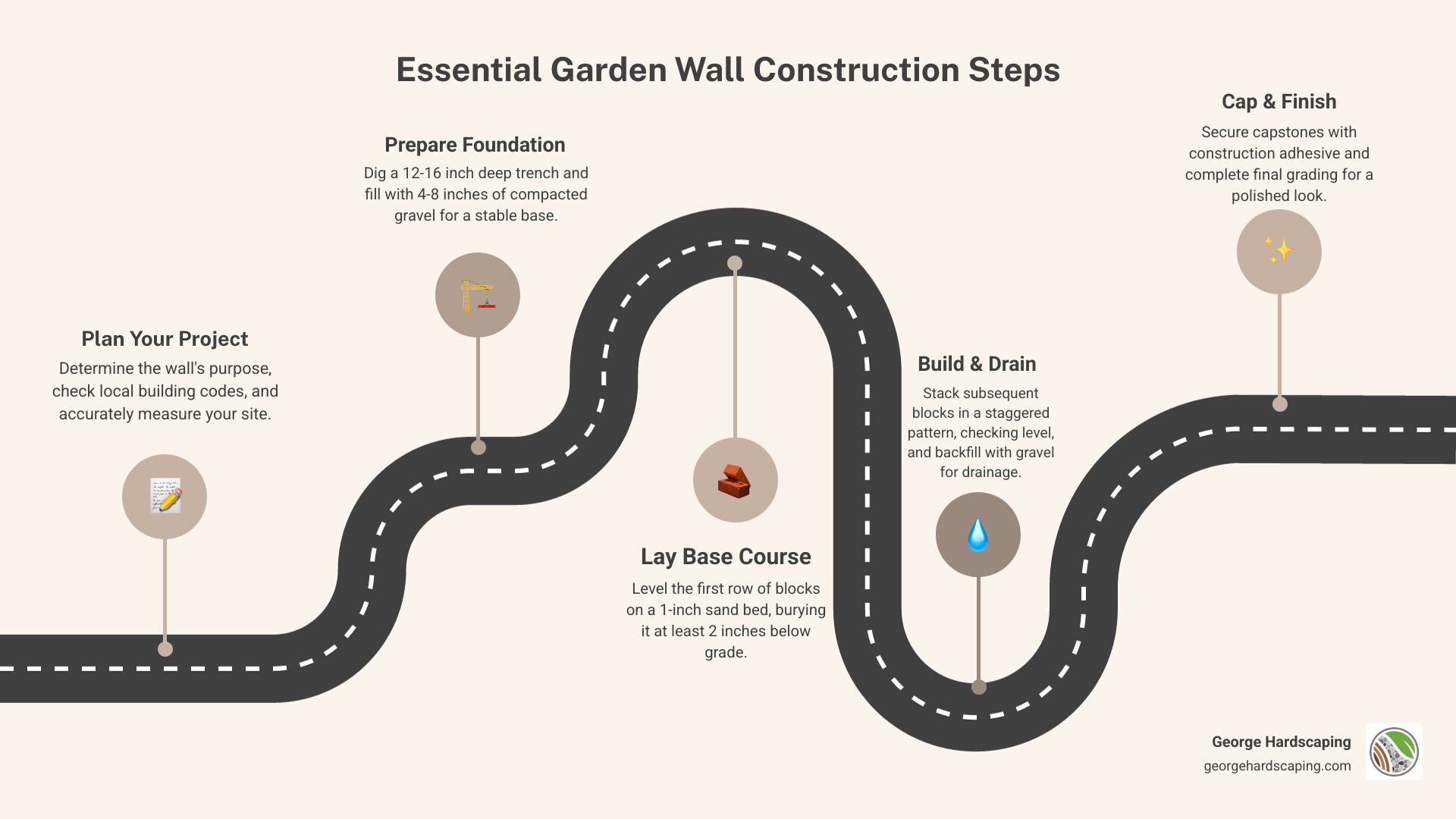
Step 1: Base Preparation and Foundation
A wall is only as strong and stable as its foundation. This is the most labor-intensive part of the project, but skimping here is the number one cause of wall failure. A solid base prevents settling and resists frost heave.
1) Mark the Layout: Use wooden stakes and a tightly pulled string line to mark the exact location of the front face of your wall. For curved walls, a flexible garden hose or marking paint works well to establish a smooth, flowing line.
2) Excavate the Trench: Dig a trench that is deep enough to accommodate the gravel base plus at least half the height of your first block. A good rule of thumb is a trench depth of at least 12–16 inches and a width of about twice the block’s front-to-back dimension. You must remove all topsoil, grass, and organic matter until you reach firm, undisturbed subsoil.
3) Prepare the Subgrade: Once excavated, ensure the bottom of the trench is firm. If you find soft spots, dig them out and fill them with more gravel. It’s also wise to slightly slope the subgrade away from the wall alignment to encourage water to move away from the base.
4) Compact the Subgrade: Using a hand tamper for small projects or a rented plate compactor for larger walls, compact the entire bottom of the trench until it is firm and unyielding. This prevents the subsoil from settling under the weight of the wall.
5) Add and Compact the Base Material: Place your base material—typically 3/4-inch angular crushed stone—into the trench. Do this in 2–3 inch layers (called “lifts”). After adding each lift, moisten it slightly and compact it thoroughly with multiple passes of the compactor. Repeat this process until you have a dense, stable base of at least 4–8 inches. For critical walls in cold climates, this base may need to be thicker; verify requirements with your building department or the ICC code portal. For guidance on compaction standards, professionals often reference density testing like ASTM D698 (Standard Proctor) on ASTM International.
6) Level the Base: Using a 4-foot level and a long, straight 2×4, check that the compacted gravel base is perfectly level both front-to-back and along its entire length. Add or remove small amounts of gravel to correct any high or low spots. Getting this perfect is critical.
Pro tip: In areas with heavy clay soil or poor drainage, first lay down a layer of geotextile separator fabric in the trench before adding the gravel base. This prevents the clay particles from migrating up into the gravel over time and compromising its drainage capacity.
Step 2: Laying the First (Base) Course
The base course is the single most important course of the entire wall. Its perfection determines the outcome of the rest of the project. Take your time here.
1) Create a Leveling Pad: Spread a thin layer, no more than 1 inch thick, of coarse sand or stone screenings over the compacted gravel base. Use a trowel or screed board to get this pad perfectly smooth and level. This layer is for fine-tuning the level of the blocks, not for structural support.
2) Set the First Block: Place your first block on the leveling pad. Using your torpedo level, check that it is level front-to-back and side-to-side. Gently tap it into place with a rubber mallet or dead blow hammer to set it firmly. Re-check the level after every adjustment.
3) Continue the Course: Place the next block tightly against the first. Check it for level and ensure it is flush with the first block. Continue this process for the entire length of the wall, using a string line stretched across the front of the blocks as a guide for alignment. Use your 4-foot level across multiple blocks to ensure consistency.
4) Bury the Base Course: For maximum stability and to resist sliding, the first course of blocks must be partially or fully buried. The finished ground level in front of the wall should be at least 2 inches above the top of this first course.
Step 3: Building Subsequent Courses
With the base course perfectly set, building the remaining courses is faster but still requires attention to detail.
1) Stagger the Joints: Start the second course with a half-block to create a “running bond” pattern. This ensures that the vertical joints are staggered, which is essential for distributing loads and tying the wall together into a single, strong unit.
- Maintain Setback: Most interlocking blocks have a rear lip or pin system that automatically creates the correct setback, or batter. This slight lean into the retained soil is a key design feature for stability. Ensure this mechanism engages properly on every block.
3) Keep It Clean and Level: Before placing each block, sweep the top of the course below to remove any dirt, gravel, or debris. Even a small pebble can throw off the level of the entire wall. Periodically check for level and plumb (vertical alignment) as you build.
4) Cut Blocks as Needed: For ends of walls, corners, or curves, you will need to cut blocks. A masonry saw with a diamond blade provides the cleanest, safest, and most accurate cuts. Always wear proper eye and hearing protection when cutting masonry.
Step 4: Ensuring Proper Drainage and Stability
Water is the primary enemy of any retaining wall. Managing it effectively with a proper drainage system is non-negotiable for any wall holding back soil.
1) Backfill with Clean Gravel: As you build each course, place 3/4-inch clean, angular stone (not pea gravel) in the space behind the wall. This drainage zone should be a minimum of 12 inches thick and extend from the base to just below the capstones.
2) Install a Drain Pipe: For all retaining applications, place a 4-inch perforated drain pipe at the base of the gravel zone, directly behind the wall. The pipe should have holes facing down (unless the manufacturer specifies otherwise) and must be sloped (about 1/8 inch per foot) to a daylight outlet or a dry well, allowing water to drain away freely. A properly installed retaining wall drainage system is the key to longevity.
3) Use Filter Fabric: Place a sheet of non-woven geotextile fabric to separate the native soil from your gravel backfill zone. This acts as a filter, preventing soil particles from washing into the gravel and clogging the drainage system over time. Wrap the fabric over the top of the gravel before adding the final layer of topsoil.
4) Compact in Lifts: Lightly compact the gravel backfill in 6–8 inch lifts as you build. When backfilling with soil behind the gravel zone, also compact it in lifts. Avoid using heavy compaction equipment directly behind the wall, as it can push the wall out of alignment.
Step 5: Capping and Finishing Your Garden Wall
The capstones provide a polished, finished look and also serve to protect the core of the wall from water infiltration.
1) Dry-Fit First: Lay out all your capstones on top of the wall without adhesive first. This allows you to plan for any necessary cuts and ensure a consistent overhang and tight joints.
2) Apply Construction Adhesive: On a clean, dry top course, apply two generous beads of exterior-grade masonry adhesive. Follow the adhesive manufacturer’s instructions for temperature and cure time.
3) Set the Capstones: Carefully place the capstones onto the adhesive, pressing down firmly. A slight overhang of about 1/2 to 1 inch on the front creates a crisp shadow line. Check for level and consistent alignment as you go.
4) Final Grading and Site Cleanup: Grade the soil away from the wall on both sides to ensure surface water flows away and doesn’t pool. Seed or mulch any disturbed areas to prevent erosion and give your project a finished look.
For more complex projects—such as taller walls, tiered layouts, or walls supporting heavy surcharges—professional installation is the best way to ensure a safe and durable result. Explore our expert retaining wall construction and custom stone retaining walls services for engineered solutions.
Strong CTA: Want your wall built right the first time—with a proper base, flawless drainage, and expert detailing? Book your on-site consultation today: Request an estimate.
Advanced Techniques and Best Practices
For projects that go beyond a simple, short, straight wall, advanced techniques are required to ensure a safe, stable, and long-lasting result. Building on slopes, incorporating tight curves, or integrating features like stairs requires a deeper understanding of structural forces. While many garden walls are excellent DIY projects, knowing these methods helps you identify when the complexity of your project warrants calling in professionals for complex retaining wall construction.
Building on Sloped Terrain
A common mistake is trying to build a wall with a sloped foundation that follows the grade of the hill. This creates an unstable, amateurish-looking wall. The correct method is to create a stepped foundation. Each individual section of the foundation base must be perfectly level, but each subsequent section is “stepped down” in increments. This creates a staircase effect in the foundation that follows the hill’s contour while ensuring every single block in every course remains perfectly level. The height of each step down should correspond to the height of one full block. This maintains structural integrity and results in a professional, clean appearance.
Incorporating Curves and Tight Radii
Gentle, sweeping curves can add a beautiful, natural flow to a landscape and can often reduce the need for structural corners. Most standard SRW blocks can be used to create gentle curves by simply angling them slightly. For tighter radii, however, you will need to use special tapered blocks designed for this purpose or make precise cuts to standard blocks. Lay out your curve with a garden hose or marking paint, then dry-fit a few courses to confirm the look and the block fit. For very tight curves, you may need to make wedge-shaped cuts on the back of the blocks with a masonry saw to allow them to fit together tightly while maintaining the running bond pattern.
When to Use Geogrid Reinforcement
Geogrid is a high-strength polymer mesh that acts as a crucial reinforcement for retaining walls. It dramatically increases a wall’s stability by extending back into the soil and creating a composite, unified mass of soil and wall block. The friction between the soil and the grid creates a strong, stable block that the wall can leverage to resist pressure.
Geogrid is almost always required for:
- Walls over 3 to 4 feet high (check manufacturer specs and local codes).
- Walls built on or with poor soils (expansive clays, loose sands) where even shorter walls might need reinforcement.
- Walls supporting heavy surcharges, which include any extra weight behind the wall, such as driveways, patios, steep slopes, fences, or nearby building foundations.
Installation basics:
- Geogrid is laid horizontally on top of a block course and extends back into the retained soil. The length of the grid and the spacing between layers (e.g., every two courses) are determined by an engineer or the block manufacturer based on wall height, loads, and soil type.
- The grid must be laid flat and taut, with no wrinkles. The backfill soil placed on top of it must be carefully compacted to ensure proper friction.
For a deep technical background on reinforced soil structures, the Federal Highway Administration’s geotechnical resources are an industry standard: FHWA Geotechnical Engineering.
Tiered Walls and Drainage Coordination
If you need to retain a very tall slope, a single massive wall is often not the best solution. A more stable and aesthetically pleasing approach is to create terraced or tiered walls. This involves building two or more shorter walls separated by a level or gently sloped terrace. A critical rule of thumb is that the horizontal distance between the walls should be at least twice the height of the lower wall. This prevents the upper wall from imposing a surcharge load on the lower one. Each tier must have its own independent drainage system to prevent the upper wall from draining onto and overloading the one below.
Integrating Features: Stairs, Lighting, and More
A wall doesn’t have to be just a wall. It can be a dynamic part of your landscape design.
- Stairs: Integrating stairs into a retaining wall is a common and functional addition. This requires careful planning to ensure the stair structure is properly supported and does not compromise the integrity of the wall. The wall sections on either side of the stairs act as wing walls and must be built with the same structural integrity as the main wall.
- Lighting: Low-voltage landscape lighting can be easily incorporated into a wall during construction. Wires can be run behind or through the blocks, and fixtures can be installed under capstones or on the face of the wall to create beautiful downlighting effects for safety and ambiance.
- Seating: A wall around a patio or fire pit can be built to a comfortable seating height (typically 18-20 inches) and capped with a smooth, wide capstone to create durable, built-in seating.
Common Mistakes and How to Avoid Them
- Inadequate Foundation: Building on topsoil or with a thin, poorly compacted base is the #1 cause of wall failure. Always excavate to firm subsoil and build a thick, level, and well-compacted gravel base.
- Forgetting or Improperly Installing Drainage: Without a path for water to escape, hydrostatic pressure will build up and push a wall over. For any retaining wall, a gravel backfill zone and a perforated drain pipe are not optional.
- Unlevel Base Course: An unlevel first course guarantees a crooked, unstable wall. Spend whatever time is necessary to get this course perfect.
- Aligning Vertical Joints: Never stack blocks directly on top of each other (a stack bond). Always stagger joints in a running bond pattern to distribute stress and lock the wall together.
- Exceeding Unreinforced Height Limits: Never ignore the manufacturer’s specifications for maximum height without engineered reinforcement. It’s a gamble you will eventually lose.
Already have a problem wall that’s bulging or leaning? We can evaluate the causes and recommend solutions. See our guide to the cost of repairing retaining walls.
Frequently Asked Questions about Garden Walls
Homeowners often have similar questions when considering garden wall construction. Here are concise, expert answers to the most common queries we hear from our clients in Essex County and across the North Shore.
How high can I build a garden wall without a permit?
This varies by municipality, but a general rule of thumb is that retaining walls over 3 to 4 feet in height (measured from the bottom of the foundation to the top of the wall) and non-retaining (decorative) walls over 4 feet require a building permit. Some towns have stricter rules, especially for walls near property lines or those supporting driveways (surcharges). Many jurisdictions reference the International Code Council’s model codes; you can check your local ordinances or browse the ICC code portal. When in doubt, a quick call to your local building department is the best course of action.
What is the best base for a garden wall?
The gold standard for a durable wall foundation consists of several components. It starts with excavating to firm, undisturbed subsoil. On top of that, you need a minimum of 4–8 inches of compacted, 3/4-inch angular crushed stone (not rounded river rock, which can shift). This stone base provides a stable platform and excellent drainage. Finally, a 1-inch layer of coarse sand or screenings on top of the compacted gravel creates a fine leveling bed to set the first course of blocks perfectly.
Can I build a garden wall directly on soil?
Absolutely not. Topsoil is rich in organic matter, which decomposes and compresses over time. It also holds moisture and is highly susceptible to movement during freeze–thaw cycles. Building on topsoil will cause your wall to settle unevenly, tilt, and ultimately fail. You must always excavate all topsoil and build on a compacted gravel base over firm subsoil.
Do I need geogrid for a short wall?
It depends on the conditions. While walls under 4 feet often don’t require it, geogrid may still be necessary if you have poor soils (like expansive clay), if the wall is retaining a steep slope, or if there’s a surcharge (like a driveway, patio, or even a fence) located close to the top of the wall. Always follow the block manufacturer’s guidance and consider consulting engineering resources like the FHWA’s geotechnical references for complex situations: FHWA Geotechnical Engineering.
How do I handle water behind the wall?
For any wall retaining soil, a comprehensive drainage system is critical. This includes a 12-inch-thick column of clean, 3/4-inch gravel directly behind the wall, a 4-inch perforated drain pipe at the base of the gravel sloped to a daylight outlet, and a layer of geotextile fabric separating the native soil from the gravel to prevent clogging. See our detailed guide on creating a retaining wall drainage system. For broader stormwater concepts, the EPA’s resources at epa.gov are very helpful.
What’s the difference between garden walls and landscape retaining walls?
A garden wall is often decorative, short, and freestanding, primarily used to define spaces like flower beds. A landscape retaining wall is an engineered structure specifically designed to hold back soil and resist lateral earth pressure. If your wall is holding back a slope of any significance, it should be treated as a retaining wall, with all the necessary considerations for foundation, drainage, and potential reinforcement. Learn more about the specifics of landscape retaining walls.
Can I attach a fence to the top of my retaining wall?
This is a common request but requires careful planning. A fence acts like a sail, catching wind and transferring significant lateral force into the top of the wall, a load the wall may not be designed for. Special connectors and, in many cases, additional engineering and reinforcement are required to do this safely. It is not recommended for most standard SRW installations without professional design.
What kind of maintenance do garden walls require?
A well-built wall is very low-maintenance. The primary task is to periodically check that the drainage outlets are clear of leaves and debris to ensure water can flow freely. You should also inspect the wall annually for any signs of bulging, cracking, or shifting, which could indicate an underlying problem with drainage or the foundation.
How much does a retaining wall cost?
Cost is highly variable and depends on factors like wall height, length, site accessibility, material choice, and site conditions (soil type, drainage needs, etc.). Structural walls with extensive excavation, geogrid reinforcement, and complex drainage systems will cost significantly more than a simple decorative garden wall. If you’re considering a repair or rebuild, our overview of the cost of repairing retaining walls can provide a starting point, but a detailed quote requires an on-site consultation.
Any reputable places to learn more?
For solid, vendor-neutral guidance, university extension programs and government agencies are excellent resources. The University of Minnesota Extension, Oregon State University’s retaining wall guide, and the FHWA’s Geotechnical Engineering site are all highly recommended.
Can you handle the permitting and engineering process?
Yes. For projects that require it, we coordinate with local building officials, provide the necessary engineered plans, and build everything to meet or exceed manufacturer and engineering specifications. We manage the entire process, from our initial retaining wall design consultation to final inspection.
Conclusion: Your Partner for Expert Garden Wall Construction
Garden wall construction is a truly transformative project, capable of adding immense beauty, structure, and functionality to your outdoor living space. As we’ve covered in this guide, long-term success hinges on a handful of non-negotiable fundamentals: a rock-solid, compacted foundation to prevent settling; a comprehensive drainage system to manage water pressure; a perfectly level base course to ensure stability; the correct use of setback and staggered joints; and using the right materials and reinforcement for the specific demands of your site. A well-built wall is more than just a landscape feature; it’s a long-term investment that pays dividends for decades in performance, safety, and enhanced curb appeal.
While shorter, decorative garden walls can be incredibly rewarding DIY projects for the dedicated homeowner, structural retaining walls over 3–4 feet high, or those on challenging sites, represent a significant step up in complexity. They demand a professional understanding of soil mechanics, hydrostatic pressure, reinforcement techniques, stormwater management, and local building codes. This expertise is precisely what separates a wall that will endure for generations from one that bulges, cracks, or fails prematurely, becoming a costly and dangerous liability.
At George Hardscaping, we specialize in building beautiful, durable landscape retaining walls and a full range of complementary masonry features. Proudly serving communities across Essex County and the North Shore—including Beverly, Danvers, Marblehead, North Reading, and Stoneham—our team possesses the critical local knowledge and hands-on experience to handle any project, from a simple garden border to a complex, multi-tiered, engineered retaining system. We combine modern, engineering-backed construction methods with timeless craftsmanship to ensure your wall is not only attractive but also fundamentally, structurally sound.
Strong CTA: Ready to secure your slope, frame your patio, or create new usable space with an expertly built wall? Let’s get your project on the schedule and built to last. Request an estimate.
Prefer to explore your options first? We invite you to review our retaining wall design process and see how different material choices—from versatile SRW blocks to classic natural stone—can shape your project’s final look, performance, and budget. When you’re ready to move forward, our team will be here to guide you every step of the way, from concept to completion.