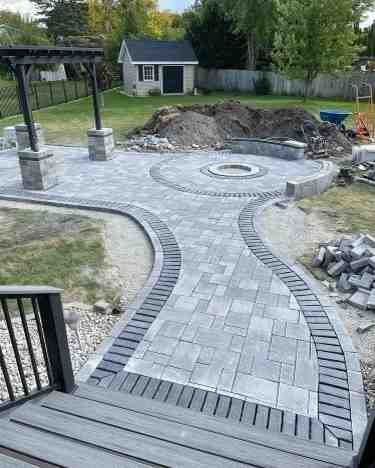
Gas fire pit installation near me: 2025’s Best Guide
Your Guide to a Perfect Backyard Glow-Up
Gas fire pit installation near me is a top search for homeowners looking to lift their outdoor spaces into year-round gathering spots. If you’re looking to hire a professional installer in Essex County, MA, or the North Shore, this guide covers everything you need to know.
Quick Answer: Finding the Best Gas Fire Pit Installers
- Verify licensing and insurance – Essential for safety and liability protection.
- Check dual expertise – Look for contractors skilled in both gas fitting and masonry/hardscaping.
- Review their portfolio – Ask to see completed fire pit projects similar to your vision.
- Confirm permit handling – Professional installers manage all permits and inspections.
- Get detailed estimates – Request written quotes with a full breakdown of labor, materials, and timelines.
- Ask about warranties – Quality installers stand behind their workmanship.
Imagine a cool autumn evening in Essex County, your backyard alive with warmth and laughter around a beautiful gas fire pit. No smoke, no hauling wood, no messy cleanup—just the push of a button for instant ambiance. Gas fire pits are the leading trend in outdoor living, prized for their convenience, clean burn, and controllable flame.
However, a gas fire pit is only as good as its installation. A poor installation is more than an eyesore; it’s a serious safety hazard. Gas leaks, code violations, and structural failures can turn your dream feature into a nightmare. Choosing the right installer is the most critical decision you’ll make.
This guide will walk you through selecting the best gas fire pit installers in your area, from the questions you must ask to the red flags you must avoid. Whether you’re considering a simple propane unit or a custom-built natural gas feature integrated with outdoor fire pits and patios, we’ll help you make an informed choice.
Average installation costs range from $500 to $12,000+, depending on the project’s complexity. These are general internet-sourced ranges, and we’ll break down the cost factors later so you can budget effectively. Let’s ensure you don’t get burned by choosing the wrong installer.
Why Choose a Gas Fire Pit? The Sizzle Without the Smoke
There’s a primal comfort in gathering around a fire, but traditional wood-burning pits come with significant drawbacks. Gas fire pits offer all the charm without the hassle, which is why they have become the most popular choice for outdoor fire features. They have revolutionized how homeowners in Essex County enjoy their backyards, turning them into year-round entertainment hubs.
The most immediate benefit is the clean-burning fuel. Say goodbye to smoke billowing in your face, flying embers threatening your deck, and the lingering campfire smell on your clothes and furniture. Gas fire pits burn cleanly, producing a beautiful flame without the messy byproducts of wood. This means you and your guests can relax without constantly shifting chairs to avoid a cloud of smoke, and your neighbors will appreciate the lack of drift.
Next is the convenience of instant ignition. Instead of struggling with damp wood and kindling, you simply turn a knob or push a button. Within seconds, you have a gorgeous, dancing flame. Adjusting the heat is just as easy, and when you’re ready to go inside, you just turn it off. There’s no waiting for embers to die down or dousing the pit with water.
This convenience is matched by the low maintenance requirements. A wood-burning pit involves sourcing and storing wood, hauling logs, and cleaning out ash and soot. With a gas fire pit, your entire maintenance routine consists of an occasional cleaning of the burner and fire media. No ash bucket, no woodpile, no scrubbing smoke stains.
Beyond practicality, a professionally installed gas fire pit significantly improves your property value. Outdoor living features are a top priority for homebuyers, and a well-designed fire pit serves as an instant focal point that extends your home’s usable square footage. It creates an inviting outdoor gathering space where memories are made, extending your outdoor season from cool spring evenings well into the crisp days of fall.
When you’re ready to explore the possibilities, our outdoor fire pits page showcases a variety of designs. A search for gas fire pit installation near me is the first step toward a solution that delivers the ambiance you crave with the convenience modern life demands.
Understanding Your Fuel Options: Propane vs. Natural Gas
Before designing your fire pit, you must make a fundamental choice: propane or natural gas? This decision impacts installation complexity, long-term costs, and overall convenience. Both options provide a clean, smoke-free flame, but they cater to different needs and budgets. Understanding their differences is key to making the right choice for your home. Our expertise also extends to gas outdoor fireplaces, which share many of these same fuel considerations.
Propane Fire Pits: The Portable Powerhouse
Propane offers best portability and flexibility. Most propane fire pits are self-contained units that run on standard 20lb tanks, similar to a BBQ grill. This allows you to move the fire pit around your patio or yard as needed, which is ideal for renters or those who enjoy rearranging their outdoor layout. For basic portable units, installation is simple: connect the tank, check for leaks, and you’re ready to go. No permits or professional gas fitters are required.
The main drawback is the visible propane tank, but many clever concealment options exist, such as decorative covers that double as side tables. The other consideration is managing refills. A 20lb tank provides roughly 2-3 hours of burn time on high, so you’ll need to keep spare tanks or plan for regular trips to a refill station. While the upfront cost is generally lower, the long-term fuel cost can be higher than natural gas.
Natural Gas Fire Pits: The Convenient Connection
Natural gas provides a continuous fuel source by tapping directly into your home’s existing gas supply. This means no tanks to swap, no refills to manage, and no risk of running out of fuel in the middle of a party. For those who plan to use their fire pit frequently, this convenience is a game-changer. Additionally, the long-term operating costs are lower, as natural gas is typically cheaper per unit than propane.
The trade-off is a more complex and costly installation. A permanent gas line must be run from your home to the fire pit’s location, which involves trenching, installing piping, and meeting strict local codes. This work requires a licensed professional gas fitter—it is absolutely not a DIY project. Because of this, a natural gas fire pit is a permanent fixture in your landscape. The higher initial investment reflects the specialized labor and materials needed for a safe and legal installation, similar to the process for how to build an outdoor gas fireplace.
Comparing Propane vs. Natural Gas Fire Pits
| Feature | Propane Fire Pits | Natural Gas Fire Pits |
|---|---|---|
| Installation Complexity | Relatively simple (tank connection) | Complex (requires gas line installation) |
| Upfront Cost | Generally lower | Higher (due to gas line work) |
| Long-Term Fuel Cost | Higher (tank refills, fluctuating prices) | Lower (continuous supply, often cheaper per unit) |
| Convenience | Requires tank refills/swaps | Unlimited fuel, no refills needed |
| Portability | High (can be moved) | Low (permanent fixture) |
| Maintenance | Tank management, occasional burner cleaning | Occasional burner cleaning, annual gas line inspection |
The Installation Process: From Backyard Dream to Reality
Changing your backyard with a gas fire pit involves more than just placing a unit on your patio. It’s a process that demands careful planning, precise execution, and a steadfast commitment to safety. When you search for gas fire pit installation near me, you’re seeking a partner to bring your vision to life while adhering to the highest standards. For a deeper look into the planning and construction process, our Outdoor Fire Pit Builders Ultimate Guide offers comprehensive insights.
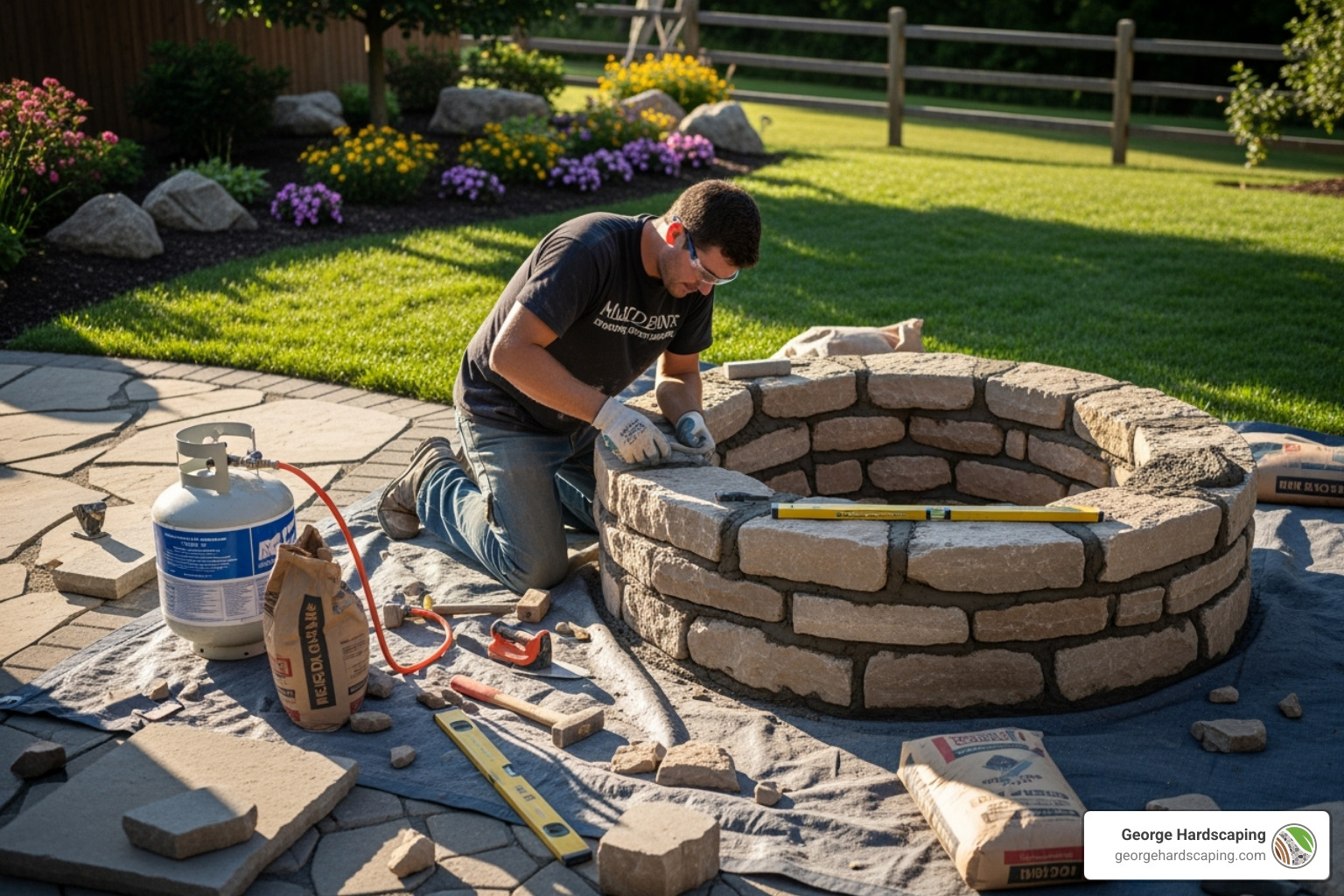
Alt text: Professional hardscaper building a custom stone gas fire pit enclosure with tools and safety gear.
Metadata: gas fire pit installation, stone enclosure, professional hardscaper, safety, George Hardscaping
Step 1: Choosing the Perfect Location
Selecting the right spot is critical for safety and functionality. Safety is always the top priority. Local building codes in Essex County typically require a gas fire pit to be 10 to 20 feet away from your home, deck, fences, or any combustible materials. Overhead clearance from tree branches is also crucial. We also analyze wind patterns to ensure heat and flame are directed away from seating areas and your home. Finally, we consider traffic flow and how the fire pit will integrate with your existing patio, walkways, and other features like an outdoor kitchen and fireplace to create a cohesive and inviting space.
Step 2: DIY vs. Hiring a Professional for Gas Fire Pit Installation Near Me
While some home projects are great for DIY enthusiasts, gas fire pit installation requires careful consideration. A simple, self-contained portable propane unit can often be a DIY job. The setup typically involves connecting a pre-assembled unit to a propane tank and performing a basic leak check.
However, we draw a non-negotiable line at natural gas line work. This is not a DIY project under any circumstances. Improperly installed gas lines can lead to leaks, explosions, and other life-threatening hazards. It requires specialized tools, knowledge of gas pressure, and adherence to strict codes that only a licensed professional possesses. Professional installation from a team with dual expertise in gas fitting and hardscaping, like George Hardscaping, ensures your project is both safe and beautiful. This combination of technical skill and aesthetic craftsmanship is what makes a custom fire pit installation a true success.
Step 3: A Professional’s Installation Checklist
A professional installation follows a meticulous process to ensure a flawless and safe result. Each step builds upon the last, from foundation to final flame.
- Site Preparation: The ground is leveled and compacted to create a stable, solid foundation that prevents shifting or cracking over time.
- Structure Construction: For custom builds, we construct the fire pit enclosure using your chosen materials, such as natural stone or pavers. This structure houses the components, ensures proper ventilation, and creates the visual centerpiece.
- Gas Line Installation: For natural gas, a licensed gas fitter trenches and installs the gas line from your home’s supply, ensuring the pipe is correctly sized and all connections meet local codes.
- Burner & Ignition Installation: The burner, pan, and ignition system (whether manual or electronic) are carefully installed and secured within the structure.
- Fire Media Placement: Your chosen fire media, like lava rock or fire glass, is added. This diffuses the flame for a more natural look and helps radiate heat evenly.
- Final Testing & Safety Checks: Every connection is leak-tested with specialized equipment. We test the ignition, check flame height and color, and verify all controls function perfectly. Our commitment to superior custom fire pits designs means we don’t consider the job done until it’s proven to be 100% safe and functional.
Budgeting for Your Backyard Oasis: Gas Fire Pit Installation Costs
Understanding the potential investment is a critical step in planning your dream backyard. The cost of a gas fire pit can vary significantly, from a simple pre-fabricated unit to a fully custom, built-in masterpiece. To help you plan, let’s break down the typical expenses. For more design inspiration, explore our ideas for patio and fireplaces.
(Disclaimer: The figures below are general industry averages from various internet sources and are not specific quotes from George Hardscaping. Actual costs will vary based on location, materials, and project complexity.)
Breaking Down the Expenses
The total cost is a sum of several key components:
- Fire Pit Appliance (Burner/Pan/Ignition): $300 – $3,000+. Basic manual systems are on the lower end, while high-end electronic ignition systems cost more.
- Professional Installation Labor: $200 – $900 for basic setups. For custom masonry builds, labor can range from $2,000 to $7,000+, reflecting the craftsmanship involved.
- Natural Gas Line Installation: $500 – $2,000+. This cost, handled by a licensed gas fitter, can be higher for long or complex runs.
- Custom Masonry Enclosure: $2,000 – $7,000+. The cost for stone, brick, or paver surrounds depends heavily on the materials and design intricacy.
- Fire Media (Lava Rock/Fire Glass): $50 – $400. This depends on the type and quantity needed.
- Permits and Inspection Fees: $50 – $500. These fees are charged by your local municipality to ensure code compliance.
In total, a basic installation may start around $1,000, while a custom natural gas fire pit can range from $8,000 to $20,000 or more.
Maximizing Your Investment
To ensure your fire pit provides lasting value, focus on quality and thoughtful design. First, choose durable, weather-resistant materials that can withstand New England’s climate. This is essential for longevity and reduces future repair costs.
Second, professional installation is an investment in safety and peace of mind. It prevents costly mistakes, ensures code compliance, and protects your property value. The most effective way to maximize value is by integrating your fire pit with other hardscaping features. A fire pit that is part of a cohesive design with patios, walkways, and seating walls creates a functional and beautiful outdoor room. This thoughtful approach, as seen in our backyard fire pit ideas, significantly boosts your property’s appeal and your enjoyment of it.
Finding the Best “Gas Fire Pit Installation Near Me”: A Vetting Guide
Choosing the right contractor is the most important decision you’ll make. You’re entrusting them with your family’s safety, your home’s value, and your backyard dream. A skilled professional ensures the work is done safely, meets all codes, and results in a beautiful feature that lasts for decades. This is especially true for complex projects like custom fireplaces installation.
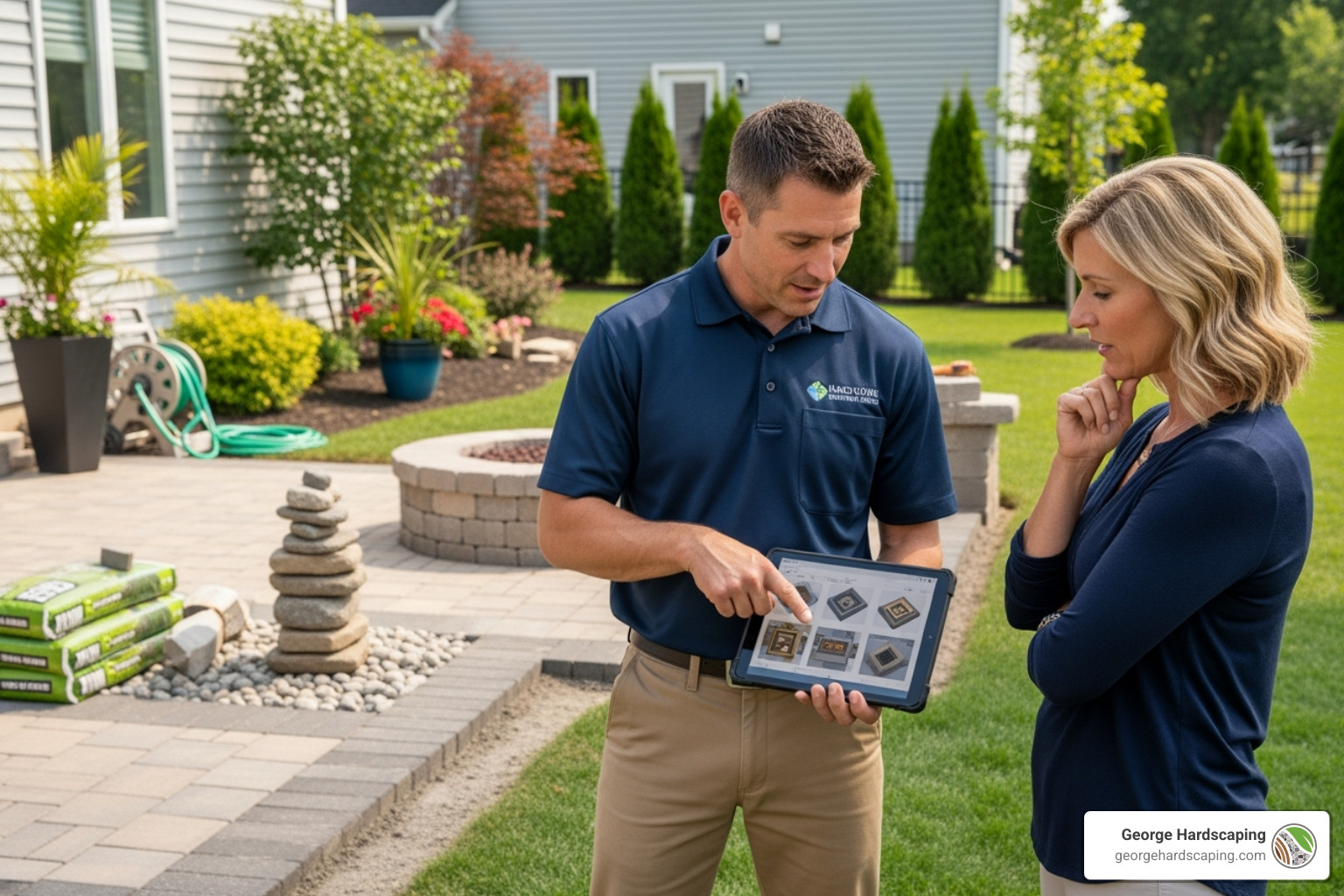
Alt text: George Hardscaping installer in uniform consulting with a homeowner about custom gas fire pit plans in their backyard.
Metadata: gas fire pit installer, homeowner consultation, backyard design, George Hardscaping, professional service
Where to Find Qualified Installers
Start your search for “gas fire pit installation near me” by asking for personal recommendations from friends and neighbors in the North Shore area. Local online community groups are also a great source for honest feedback. Crucially, look for a contractor with dual expertise in both masonry/hardscaping and gas fitting. A company that employs or partners with licensed gas fitters can manage the entire project seamlessly. Local experience is also key, as a contractor familiar with Essex County codes can steer the permitting process efficiently and avoid costly delays.
Key Questions to Ask Potential Gas Fire Pit Installers
Treat this process like a job interview. Here are the essential questions to ask:
- Are you licensed and insured? This is non-negotiable. Ask for proof of both general liability insurance and worker’s compensation.
- What is your experience with gas fire pits? You want a contractor who has installed many gas fire features, not one who is learning on your project.
- Can I see your portfolio and speak to references? A reputable installer will be proud to share photos and connect you with past clients.
- Do you handle all permits and inspections? A professional contractor should manage this entire process for you.
- What are your safety protocols for gas line work? They should confidently explain their leak testing procedures and other safety measures.
- Do you offer a warranty on your workmanship? A warranty demonstrates confidence in the quality of their work.
- Will I receive a detailed, written estimate? The quote should clearly itemize all costs for materials, labor, and permits, along with a project timeline.
Red Flags to Watch Out For
Trust your instincts. If something feels off, it probably is. Be wary of these warning signs:
- No license or insurance: An absolute dealbreaker.
- Vague or cash-only quotes: Professionals provide detailed, written estimates and accept standard forms of payment.
- High-pressure sales tactics: A quality contractor will give you time to make an informed decision.
- Inability to provide references: This suggests a lack of experience or a poor track record.
- Unfamiliarity with local codes: This is a sign of inexperience that can lead to failed inspections and rework.
Safety First: Essential Gas Fire Pit Guidelines
A gas fire pit should provide peace of mind along with warmth and ambiance. When it comes to gas appliances, safety is not optional—it’s the foundation of your entire project. Following some non-negotiable safety rules is essential to protect your family, home, and investment.
For comprehensive guidance on outdoor fire safety, the National Fire Protection Association (NFPA) grilling safety tips are an excellent resource. Additionally, the U.S. Consumer Product Safety Commission provides valuable information on fireplace and fire pit safety standards. Always adhere to your fire pit manufacturer’s instructions and local building codes, as these requirements exist for your protection.
Installation and Operation Safety
Even with a perfect professional installation, ongoing safety depends on proper use and maintenance. As a fire pit owner, these guidelines are your responsibility:
- Maintain Critical Clearance: Your fire pit needs breathing room. Keep it at least 10-20 feet away from your house, deck, fences, overhanging branches, and any other combustible materials. Check your local Essex County codes for specific setback requirements.
- Use a Proper Surface: The fire pit must sit on a stable, level, and non-combustible surface like a stone patio or concrete pad. For built-in units, proper ventilation within the enclosure is critical to prevent gas buildup.
- Perform Leak Testing: A licensed professional should perform a thorough leak test immediately after installation. Never assume connections are secure without a proper test.
- Never Leave a Lit Fire Unattended: An unsupervised flame is a risk. Make it a house rule to always have someone present when the fire pit is on.
- Keep Children and Pets at a Safe Distance: The heat can be intense. Establish a clear safety zone around the fire pit and ensure children and pets are always supervised when it’s in use.
- Use a Protective Cover: When not in use, a weather-resistant cover protects the burner, ignition system, and fire media from rain, debris, and ice. This simple step extends the life of your fire pit.
- Schedule Annual Professional Inspections: Just like your furnace, your gas fire pit benefits from an annual checkup by a qualified technician to ensure all components are working safely and efficiently.
Beyond the Flame: Maintenance and Improvements
Your gas fire pit is a valued feature of your home, and a little routine care will keep it performing beautifully for years. The good news is that maintenance is refreshingly simple compared to a wood-burning pit. Once you have the basics covered, you can start dreaming of ways to further improve your outdoor living space.
Keeping Your Fire Pit in Top Shape
Follow these simple maintenance rituals to ensure longevity and optimal performance:
- Clean the Burner and Media: Every few months, remove the fire glass or lava rock and clear any leaves, dust, or debris from the burner ports using a soft brush. This ensures an even, beautiful flame.
- Check Gas Connections: Visually inspect any visible gas lines for signs of wear or corrosion. If you ever smell gas or hear a hissing sound, shut off the gas supply immediately and call a licensed professional.
- Protect from the Elements: Use a high-quality, fitted cover to shield your fire pit from rain, snow, and UV rays. This prevents rust and keeps the components clean and ready for use.
- Troubleshoot Ignition Issues: If your fire pit won’t light, check the simple things first: Is the propane tank full? Is the gas valve open? Does the igniter battery need replacing? If a simple fix doesn’t work, it’s time to call for professional service.
- Get an Annual Inspection: A yearly service call from a gas technician is a smart investment. They can perform a thorough leak test, inspect all components, and catch potential issues before they become major problems.
Enhancing Your Outdoor Living Space
Your gas fire pit is the heart of your outdoor retreat, but it doesn’t have to be the only feature. Many homeowners start with a fire pit and then expand their vision. Consider integrating your fire pit with a beautiful new patio and custom-built seating walls to create a natural and defined gathering space.
For the ultimate backyard experience, you can add an outdoor kitchen and fireplace to create a complete entertainment zone. Creating a cohesive backyard retreat is about thoughtful integration. Every element, from the walkways to the landscape lighting, should work together to create a seamless outdoor room that becomes your favorite place to relax and entertain.
Conclusion: Light Up Your Nights with a Professional Installation
We’ve covered the journey of adding a gas fire pit to your home, and the main takeaway is clear: a gas fire pit is a phenomenal addition to any Essex County, MA backyard, but only when it’s installed correctly.
The benefits are undeniable—instant ignition, a clean burn with no smoke, and precise flame control. These are the features that make gas fire pits the centerpiece of modern outdoor living. However, the quality, safety, and longevity of your fire pit all hinge on one critical factor: the quality of the installation.
A beautiful design built with quality materials by a skilled craftsman is an investment that will pay dividends for decades. A rushed job by an unqualified contractor is a safety hazard and a waste of money. We’ve walked through choosing your fuel type, understanding the installation process, budgeting for your project, and vetting installers. The most important rule is to never cut corners on gas line work. The safety of your home and family is paramount.
A licensed gas fitter working with an experienced hardscaping team isn’t a luxury; it’s a necessity. The peace of mind that comes from knowing your fire pit was built to code, thoroughly tested, and designed to last is priceless.
For homeowners in Essex County, MA—from Beverly to Ipswich and across the North Shore—George Hardscaping provides the dual expertise needed for a stunning and safe result. We understand local codes, our New England climate, and how to create outdoor spaces that become the heart of the home. Your gas fire pit installation near me search ends with a team that prioritizes quality craftsmanship and your complete satisfaction.
Ready to transform your backyard into the ultimate retreat? Don’t let another season go by. Request an estimate from our team today and let’s build your dream fire pit together.
Explore our Custom Fire Pits Near Me page to see real examples of how George Hardscaping brings visions to life. Get inspired and start planning your own backyard glow-up.