
Stone Masonry Services: Top Benefits in 2024
Introduction
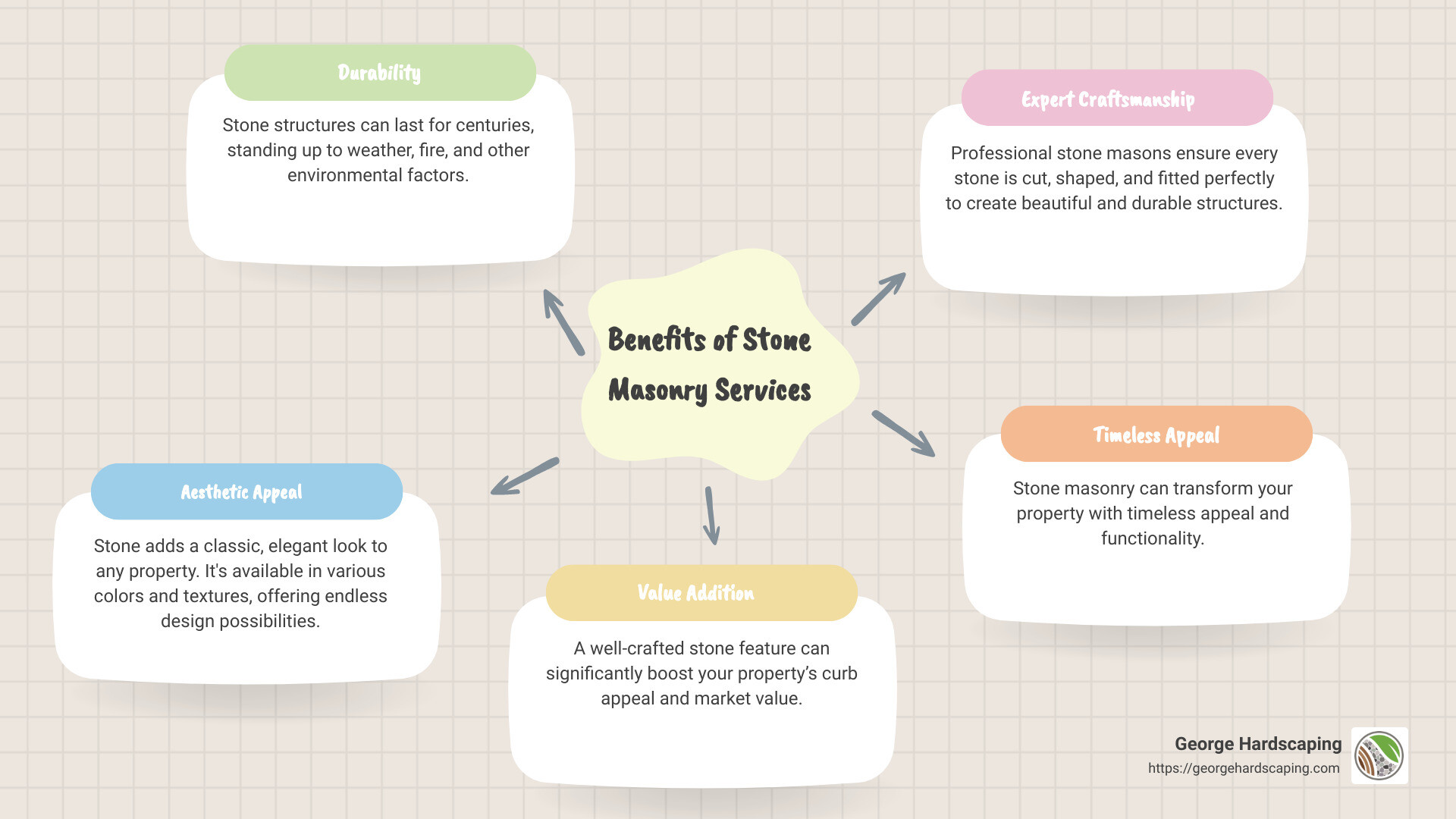
Stone masonry services are essential for creating beautiful and durable outdoor spaces. Whether you’re adding a charming stone walkway, an elegant patio, or a sturdy retaining wall, stone masonry can transform your property with timeless appeal and functionality. But why is stone masonry so important?
- Durability: Stone structures can last for centuries, standing up to weather, fire, and other environmental factors.
- Aesthetic Appeal: Stone adds a classic, elegant look to any property. It’s available in various colors and textures, offering endless design possibilities.
- Value Addition: A well-crafted stone feature can significantly boost your property’s curb appeal and market value.
Stone masonry isn’t just about placing rocks together; it requires expert craftsmanship and attention to detail. Professional stone masons, like those at George Hardscaping, ensure that every stone is cut, shaped, and fitted perfectly to create structures that are both beautiful and durable.
The Basics of Stone Masonry Services
Stone masonry services are a blend of art and science. Understanding the basics can help you appreciate the craftsmanship involved.
Materials
The choice of material is crucial. Here’s a quick overview of common stones used in masonry:
- Granite: Known for its durability and resistance to weathering. Ideal for high-traffic areas.
- Limestone: Offers a softer, more weathered look. Great for decorative elements.
- Marble: Adds a touch of elegance. Often used in high-end projects.
- Onyx: Used for its unique color patterns. Typically found in decorative features.
Each stone type has its unique properties, making it suitable for specific applications. For instance, limestone is often used in historic buildings due to its softer texture and ease of carving.
Techniques
Stone masonry involves various techniques, each suited to different types of projects:
- Rubble Masonry: Uses irregularly shaped stones fitted together without regular courses. Ideal for rustic, natural looks.
- Ashlar Masonry: Involves precisely cut stones laid in regular courses. Perfect for refined, decorative structures.
Different techniques require different skills. For example, ashlar masonry demands high precision and is often used in modern constructions, while rubble masonry is more forgiving and suited for rustic designs.
Tools
A mason’s toolkit is as important as their skill. Here are some essential tools:
- Chisels: For cutting and shaping stones.
- Hammers: Different types for various purposes, like splitting and shaping stones.
- Trowels: Used for applying mortar.
- Levels and Plumb Bobs: Ensure structures are level and plumb.
Each tool serves a specific function, making it easier to achieve the desired finish. For instance, a plumb bob ensures vertical accuracy, crucial for building stable walls.
Combining Materials, Techniques, and Tools
A successful stone masonry project seamlessly integrates materials, techniques, and tools. For example, constructing a granite patio would involve selecting durable granite, using ashlar masonry for a polished look, and employing chisels and hammers for precise cuts.
Professional masons, like those at George Hardscaping, master these elements to create stunning and durable structures. Their expertise ensures that each project not only meets but exceeds client expectations.
Next, let’s explore the different types of stone masonry projects you can undertake to enhance your property.
Types of Stone Masonry Projects
Stone masonry projects can transform any outdoor space into a functional and beautiful area. Here are some popular types of stone masonry projects:
Retaining Walls
Retaining walls are essential for managing slopes and preventing soil erosion. They can also create level spaces for gardens or patios. George Hardscaping’s expert masons use durable materials like granite and limestone to build retaining walls that are both functional and visually appealing.
For instance, a homeowner in Rockport, MA, had a steep backyard slope that was unusable. By installing a retaining wall, they not only stabilized the slope but also created a flat area perfect for a new garden.
Patios
A stone patio extends your living space outdoors, providing a perfect spot for relaxation or entertaining guests. George Hardscaping designs custom patios using materials like granite, limestone, and marble to match your home’s aesthetic.
One satisfied client in Beverly, MA, shared: “George and his team made our patio a show stopper! The stonework is immaculate, and we now have a beautiful space to host parties.”
Walkways
Stone walkways add charm and functionality to any landscape. Whether it’s a winding path through a garden or a direct walkway to your front door, stone pathways enhance the beauty of your property.
Using various colors, sizes, and shapes of stones, George Hardscaping creates walkways that are both safe and visually striking. A well-designed walkway not only guides visitors but also complements the overall landscape design.
Steps
Adding stone steps to your landscape can solve elevation changes and provide a safer, more attractive way to navigate your yard. George Hardscaping uses materials like brick and granite to construct steps that blend seamlessly with the surrounding environment.
For example, a client in Ridgefield, CT, had a sloping garden that was difficult to access. By installing stone steps, George Hardscaping made the area easily accessible and added a touch of elegance to the garden.
By understanding the different types of stone masonry projects, you can choose the one that best suits your needs and enhances your property. Next, we’ll discuss the benefits of hiring professional stone masonry services.
Benefits of Professional Stone Masonry Services
When it comes to stone masonry, hiring professionals can make all the difference. Here are some key benefits:
Durability
Stone masonry is renowned for its exceptional durability. Properly constructed stone structures can last for centuries. Natural stone resists weathering, fire, and other environmental factors admirably. For instance, a well-built stone wall in New York can withstand harsh winters and maintain its integrity for decades. This longevity means fewer repairs and replacements, saving you money in the long run.
Aesthetics
Stone masonry adds a timeless and magnificent appeal to any property. Whether it’s a stone patio, walkway, or retaining wall, the natural beauty of stone can transform your outdoor space. For example, a homeowner in Westchester County, NY, opted for a stone fireplace that became the focal point of their backyard. The unique textures and colors of natural stone create a stunning visual impact that artificial materials often can’t match.
Value Addition
Investing in professional stone masonry services can significantly increase your property value. Quality stonework is a desirable feature for potential buyers, making your home more attractive on the market. A client in Putnam County, NY, saw a noticeable uptick in their property’s value after installing a stone facade. The initial investment in stone masonry pays off by enhancing curb appeal and functionality, making it a wise financial decision.
With these benefits in mind, it’s clear that professional stone masonry services offer durability, aesthetic appeal, and value addition to your property. Next, let’s explore how to choose the right stone for your project.
Choosing the Right Stone for Your Project
Selecting the right stone for your project is crucial for both aesthetics and functionality. Different types of stone offer unique benefits and suit various applications. Let’s take a closer look at four popular options: granite, limestone, marble, and onyx.
Granite
Granite is one of the most durable and versatile stones available. Composed mainly of quartz, feldspar, and mica, it is an igneous rock that withstands extreme weather conditions and heavy use.
- Durability: Granite is highly resistant to scratches, stains, and heat, making it ideal for outdoor kitchens, patios, and high-traffic areas.
- Aesthetic Appeal: It comes in a variety of colors and patterns, providing a timeless look that can complement any design.
- Case Study: A homeowner in Westchester County opted for a granite walkway and reported zero maintenance issues even after five years.
Limestone
Limestone is a sedimentary rock primarily composed of calcium carbonate. It has a softer texture compared to granite but offers a classic and elegant look.
- Flexibility: Limestone can be easily carved and shaped, making it perfect for detailed architectural elements like columns and statues.
- Breathability: It allows moisture to escape, making it suitable for historic restorations and older buildings.
- Example: In Bedford, NY, a historic home used limestone for its facade to maintain architectural authenticity while improving durability.
Marble
Marble is a metamorphic rock formed from limestone subjected to heat and pressure. Known for its luxurious appearance, marble is often used in high-end projects.
- Elegance: With its unique veining and smooth finish, marble adds a touch of sophistication to any space.
- Heat Resistance: Marble remains cool, making it a popular choice for fireplace surrounds and indoor flooring.
- Real-world Application: A client in Chappaqua, NY, transformed their living room with a marble fireplace surround, adding both elegance and functionality.
Onyx
Onyx is a type of calcite crystal formed in caves. It is less common but offers a striking and unique appearance.
- Visual Impact: Onyx is translucent and can be backlit for a dramatic effect, ideal for feature walls and artistic installations.
- Softness: It is softer than other stones, making it more suited for decorative elements rather than high-traffic areas.
- Example: In a high-end restaurant in New Jersey, backlit onyx panels were used to create a stunning bar area, impressing patrons and enhancing the ambiance.
Choosing the right stone depends on your specific needs and the aesthetic you aim to achieve. Whether it’s the durability of granite, the classic appeal of limestone, the elegance of marble, or the unique beauty of onyx, understanding the properties of each stone will help you make an informed decision for your project. Next, we’ll delve into stone masonry maintenance and care to ensure your investment stands the test of time.
Stone Masonry Maintenance and Care
Maintaining and caring for your stone masonry is essential to ensure its longevity and beauty. Let’s explore the key aspects: sealing, cleaning, and repair.
Sealing
Sealing your stone masonry is crucial for protecting it from stains, moisture, and environmental elements. Sealing helps to:
- Prevent water damage: Sealed stone is less likely to absorb water, which can cause expansion and cracking.
- Protect against stains: A good sealant will protect your stone from spills and stains, making it easier to clean.
- Enhance appearance: Sealed stones often look richer and more vibrant.
Professional masons recommend sealing your stone every 1-3 years, depending on the type of stone and exposure to elements. Consult with your mason to choose the right sealant for your specific stone type.
Cleaning
Regular cleaning is essential to maintain the aesthetic appeal of your stone masonry. Here are some tips:
- Use mild detergents: Avoid harsh chemicals that can damage the stone. A mixture of water and mild soap is usually sufficient.
- Soft brushes: Use a soft brush or cloth to scrub the surface gently. Avoid wire brushes which can scratch the stone.
- Rinse thoroughly: Ensure all soap residues are washed away to prevent any buildup.
For tougher stains, consider professional cleaning services to avoid damaging the stone. George Hardscaping offers expert cleaning services tailored to different stone types.
Repair
Over time, even the best-maintained stonework may require repairs. Common issues include:
- Cracked or chipped stones: These can often be replaced individually without disturbing the surrounding structure.
- Damaged mortar joints: Tuckpointing, the process of repairing mortar joints, can restore the integrity and appearance of your masonry. According to HomeAdvisor, tuckpointing can cost between $5 and $25 per square foot.
- Surface erosion: This can be addressed through resurfacing techniques to restore the stone’s original look.
For any significant repairs, it’s best to consult with a professional mason to ensure proper techniques and materials are used.
Next, we’ll explore the costs associated with stone masonry to help you budget for your project.
Cost Considerations in Stone Masonry
When planning a stone masonry project, understanding the costs involved is crucial. Let’s break down the main cost factors: installation costs, maintenance expenses, and long-term savings.
Installation Costs
Initial investment in stone masonry can vary widely depending on the type of stone and the complexity of the project. For instance, natural stone tends to be more expensive than manufactured alternatives. However, its durability and timeless appeal often justify the higher price.
- Material Costs: High-quality stones like granite or marble will be more expensive than limestone or cultured stone.
- Labor Costs: Skilled labor is essential for stone masonry. The cost can range significantly based on the project’s complexity and the mason’s expertise.
- Project Size: Larger projects like extensive patios or retaining walls will naturally cost more than smaller ones like walkways or steps.
Maintenance Expenses
Maintaining stone masonry is crucial to prolong its lifespan and keep it looking its best. Here are some common maintenance tasks and their costs:
- Cleaning: Regular cleaning is essential to prevent dirt and grime buildup. This can usually be done with a pressure washer or specialized stone cleaners.
- Sealing: Sealing your stonework protects it from stains and moisture. According to Boundless Roofing & Chimney, sealing is highly recommended for veneer stonework.
- Repairs: Over time, stones or mortar joints may need repair. Tuckpointing, for example, can cost between $5 and $25 per square foot, as noted by HomeAdvisor.
Long-term Savings
While the upfront costs of stone masonry can be high, the long-term savings are significant. Here’s why:
- Durability: Properly constructed stone structures can last for centuries, resisting weathering, fire, and other environmental factors admirably. This means fewer replacements and repairs over time.
- Low Maintenance: Unlike wood or metal, stone requires minimal maintenance. This reduces ongoing expenses and hassle.
- Increased Property Value: Quality stone masonry can enhance your property’s aesthetic and market value. Potential buyers often appreciate the timeless beauty and durability of stone, making it a worthwhile investment.
By understanding these cost considerations, you can better plan and budget for your stone masonry project. Next, we’ll delve into the specific stone masonry services offered by George Hardscaping.
Stone Masonry Services by George Hardscaping
George Hardscaping proudly serves Essex County, MA, offering top-notch stone masonry services that transform outdoor spaces into stunning, functional areas. Our team specializes in creating elegant patios and walkways that blend seamlessly with your landscape and home architecture. Let’s explore some of our key services:
Patios
Imagine stepping out into a beautifully crafted stone patio, perfect for family gatherings or quiet evenings. At George Hardscaping, we design and build patios that are both durable and aesthetically pleasing.
Patio Types:
– Natural Stone Patios: Using stones like granite or limestone, we create a timeless and sturdy outdoor space.
– Brick Patios: For a classic look, brick patios offer both charm and durability.
– Concrete Patios: Customizable and versatile, concrete patios can be designed to mimic various stone patterns.
Our patios are built to withstand the harsh New England weather, ensuring you have a beautiful outdoor space for years to come.
Walkways
A well-designed walkway not only guides your guests but also enhances the beauty of your landscape. George Hardscaping specializes in creating walkways that are both functional and visually appealing.
Walkway Options:
– Stone Walkways: Using natural materials like flagstone or bluestone, we craft walkways that blend effortlessly with your garden or yard.
– Brick Walkways: Durable and elegant, brick walkways add a touch of tradition and warmth to your property.
– Paver Walkways: Available in various colors and shapes, paver walkways offer flexibility in design and are easy to maintain.
Our walkways are designed to be safe and durable, providing a seamless connection between different areas of your property.
Serving Essex County, MA
George Hardscaping is a trusted name in Essex County, MA, known for delivering high-quality stone masonry services. We take pride in our craftsmanship and attention to detail, ensuring every project meets our clients’ expectations.
Whether you’re looking to enhance your outdoor living space with a new patio or create a charming walkway, our team at George Hardscaping is here to help. Contact us today to discuss your project and get a free estimate.
Next, let’s address some frequently asked questions about stone masonry services.
Frequently Asked Questions about Stone Masonry Services
What is the best time of year to undertake stone masonry projects?
Spring and fall are generally the best times for stone masonry projects. The moderate temperatures and low humidity during these seasons create optimal conditions for working with stone and mortar.
Why? High temperatures can cause mortar to dry too quickly, while freezing conditions can prevent it from setting properly. However, indoor projects can be undertaken year-round.
Pro Tip: While spring and fall are ideal, our experienced team at George Hardscaping can handle projects in other seasons with the right precautions.
How do I choose between lime mortar and cement mortar?
Choosing between lime mortar and cement mortar depends on several factors:
- Type of Structure: Lime mortar is flexible and breathable, making it suitable for historic preservation and softer stones. Cement mortar is stronger and more durable, ideal for modern construction and load-bearing applications.
- Environmental Conditions: Lime mortar performs well in damp conditions due to its breathability. Cement mortar is better for areas requiring high strength and durability.
- Historical Authenticity: For older buildings, lime mortar maintains the structure’s historical integrity.
Example: If you’re working on a historic building, lime mortar is the way to go. For a new retaining wall, cement mortar is likely more appropriate.
What are the differences between rubble masonry and ashlar masonry?
Rubble masonry and ashlar masonry are two distinct styles of stone masonry:
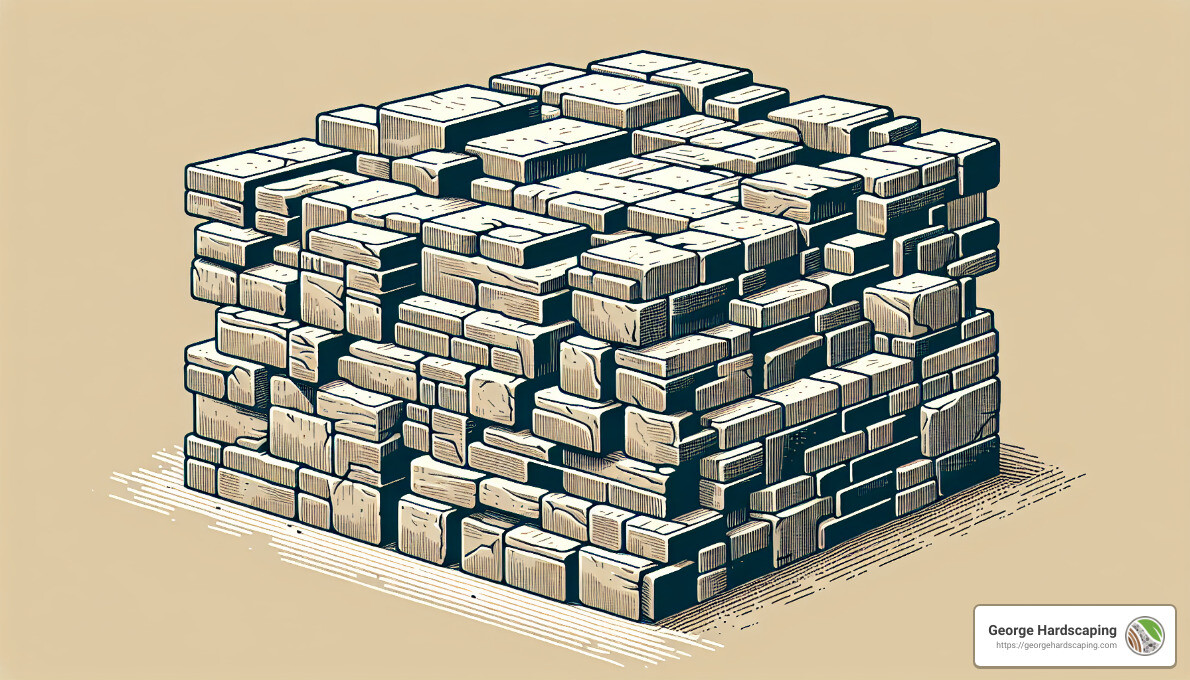
- Rubble Masonry: This involves using irregularly shaped stones fitted together without regular courses. It’s often used in rough construction and provides a rustic look.

- Ashlar Masonry: This features precisely cut and squared stones laid in regular courses with finely tooled joints. It’s typically used in more refined and decorative structures.
Key Differences:
– Appearance: Rubble masonry looks rough and natural. Ashlar masonry appears smooth and uniform.
– Usage: Rubble is common in rural and rustic settings. Ashlar is often found in formal and decorative applications.
Understanding these differences can help you choose the right style for your project, whether you’re aiming for a rustic or polished look.
Conclusion
At George Hardscaping, we believe in enhancing outdoor spaces through the timeless art of stone masonry. Our stone masonry services are designed to transform your property into a beautiful and functional space. Whether it’s a captivating patio, a durable retaining wall, or a charming walkway, our skilled masons bring your vision to life with precision and care.
Commitment to Craftsmanship
Our commitment to craftsmanship sets us apart. We use only the highest quality materials and the latest techniques to ensure that every project not only meets but exceeds your expectations. Our team of experienced artisans takes pride in their work, paying close attention to every detail to deliver stunning results that stand the test of time.
Ready to elevate your outdoor space with our expert stone masonry services? Contact George Hardscaping today to get started on your next project. Let’s create something beautiful together!
