
Stairs and Walkways: Top 10 Proven Tips for 2024 Success
Mastering the Basics: Enhancing Your Property with Stairs and Walkways
Stairs and walkways play a crucial role in outdoor living spaces, boosting property value and enhancing aesthetic appeal. Whether connecting different areas of your yard or providing safe access points, these features are often overlooked yet essential elements of your landscape.
Here are quick tips to get the most out of your stairs and walkways:
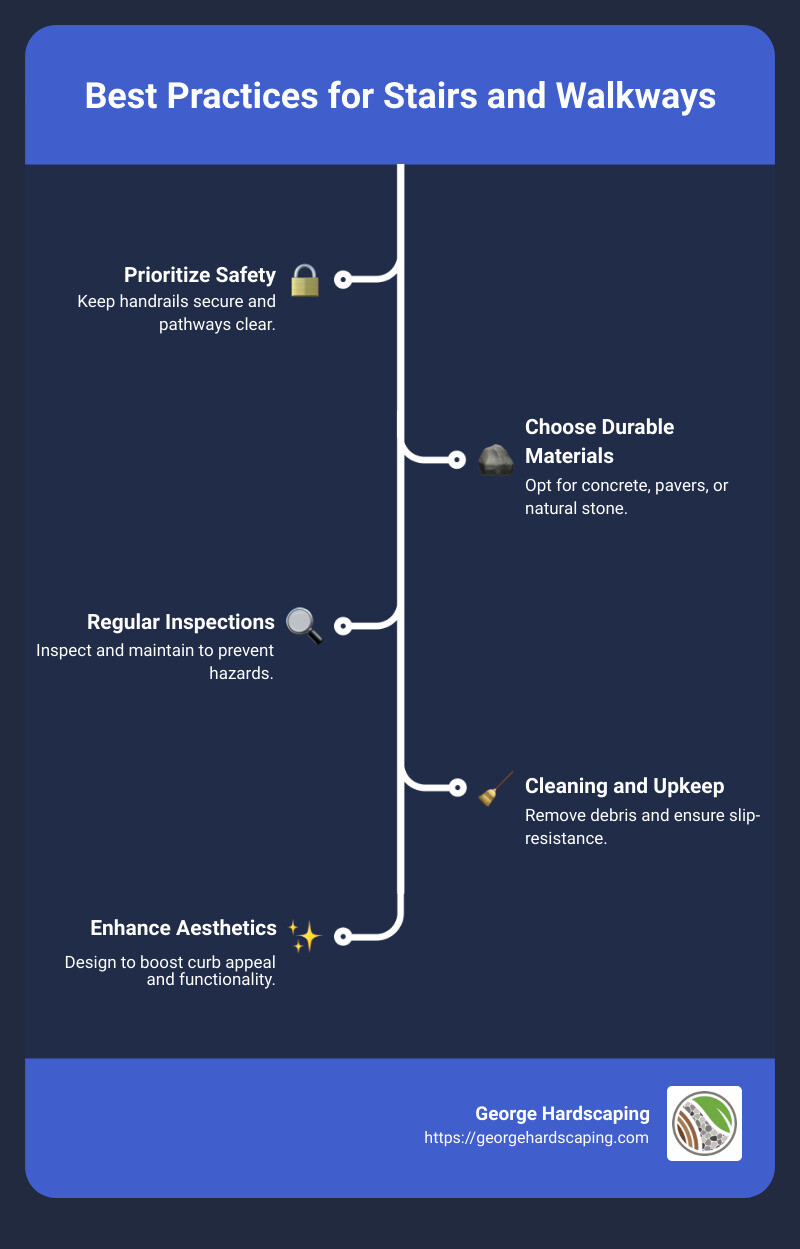
- Prioritize Safety: Keep handrails secure and pathways clear.
- Choose Durable Materials: Opt for concrete, pavers, or natural stone.
- Maintain Regularly: Inspect and clean to prevent hazards.
Outdoor spaces are extensions of our homes, where families create memories, entertain guests, and unwind. Properly designed and maintained stairs and walkways not only make these areas more functional but also increase property value by enhancing curb appeal and usability. Imagine your guests stepping onto a beautifully crafted stone walkway or climbing neat, well-lit stairs—these features can make all the difference.
In the following sections, we’ll dig into best practices, design tips, and maintenance strategies to help you make informed decisions about these critical elements of your outdoor space.
Stairs and walkways vocabulary:
– bluestone stairs and walkway
– how to repair brick walkway and stairs
Understanding Stairs and Walkways
What are Outdoor Stairs Called?
When it comes to outdoor stairs, the term “perron” is often used. A perron typically refers to a grand, exterior staircase that leads to the main entrance of a building. It’s a term that adds a touch of elegance and historical significance to any outdoor space.
Stairwell vs. Staircase
Understanding the difference between a stairwell and a staircase is crucial for both safety and functionality.
- Stairwell: This is an enclosed space within a building that contains a staircase. It often includes walls, ceilings, and sometimes doors. Stairwells are designed to provide safe, vertical travel between floors and are essential in emergency evacuations.
- Staircase: A staircase is the actual set of steps and supporting structure that allows people to move between different levels. It can be open or enclosed and is often a central feature in homes and commercial buildings.
Technical Terms for Stairs
Knowing the technical terms for stairs can help you communicate your needs more effectively with contractors and designers.
- Stairway: This is the general term for a set of stairs, including all its components like steps, handrails, and landings.
- Stairwell: As mentioned, this is the vertical shaft or compartment in which the stairway is located.
- Step: A step is a single unit of a staircase, consisting of a tread and a riser.
- Tread: The tread is the horizontal part of the step where you place your foot. The depth of the tread is important for safety and comfort.
- Riser: The riser is the vertical part between each tread. It determines the height of each step.
Architecture, Engineering, Materials
The architecture and engineering of stairs and walkways are critical for both safety and aesthetics.
- Architecture: The design should complement the overall style of your home and landscape. Whether you opt for a modern look with sleek lines or a rustic feel with natural stone, the architecture sets the tone.
- Engineering: Proper engineering ensures that your stairs and walkways are safe and durable. This includes calculations for load-bearing capacity, proper drainage to prevent water accumulation, and adherence to building codes.
- Materials: The choice of materials can significantly impact the durability and aesthetic appeal. Concrete is a popular choice for its strength and versatility, while pavers offer a range of colors and patterns. Natural stone provides a timeless look but may require more maintenance.
Safety and Functionality
Safety and functionality should always be top priorities in the design and installation of stairs and walkways.
- Safety: Ensure that all stairs have secure handrails and that walkways are free of tripping hazards. Highlight elevation changes with contrasting colors or textures to alert users.
- Functionality: Design your stairs and walkways to be practical for everyday use. This includes considering the width of the path, the height of the risers, and the depth of the treads. Proper lighting is also essential for safe navigation, especially at night.
Understanding these fundamental aspects will help you make informed decisions, ensuring that your outdoor spaces are both beautiful and functional. Next, we’ll explore the best materials for durability and aesthetics, and why proper installation is key to longevity and safety.
Designing Effective Stairs and Walkways
Best Materials for Durability and Aesthetics
Choosing the right materials for stairs and walkways is crucial for ensuring both durability and aesthetic appeal. Here are some of the best options:
- Concrete: Concrete is a favorite for its strength and versatility. It can be molded into various shapes and textures, making it suitable for any design style. However, it requires periodic sealing to prevent cracking and staining.
- Wood: Wood offers a warm, natural look but needs regular maintenance to prevent rot and warping. It’s best used in areas where moisture is not a significant concern.
- Pavers: Pavers are exceptionally durable and come in a wide range of colors, shapes, and sizes. They are easy to maintain and can be replaced individually if damaged. Pavers also offer better slip resistance compared to smooth concrete, making them a safer option during winter months.
Importance of Proper Installation
Proper installation is essential for the safety, longevity, and compliance of stairs and walkways.
- Safety: Incorrect installation can lead to serious safety hazards. For instance, loose handrails or uneven treads can cause falls. Always ensure that handrails are securely fastened and that steps are even.
- Longevity: Quality workmanship directly impacts the lifespan of your stairs and walkways. Poor installation can lead to premature wear and tear, requiring costly repairs or replacements. For example, a well-installed concrete walkway can last anywhere from 25 to 50 years.
- Compliance: Adhering to local building codes and regulations is crucial. This ensures that your project is legally compliant and safe for use. Professional contractors are familiar with these codes and can handle necessary permits and inspections.
Safety and Functionality
Safety and functionality should always be top priorities when designing and installing stairs and walkways.
- Handrails and Guardrails: Handrails are essential for stairs with four or more steps. They should be 30 to 34 inches from the top of the stair tread. Guardrails should be installed on open sides to prevent falls.
- Visibility: Elevation changes in walkways should be highlighted to alert users. This can be done using contrasting colors or textures.
- Accessibility: Ensure that your walkways are wide enough for easy navigation and that they are free of tripping hazards. Proper lighting is also essential for safe use at night.
By focusing on these elements, you can create stairs and walkways that are not only beautiful but also safe and functional.
Next, we will discuss maintenance tips to keep your stairs and walkways in top condition.
Maintenance Tips for Stairs and Walkways
Regular Inspection and Repair
Regular inspection and timely repairs are crucial for maintaining the safety, longevity, and aesthetics of your stairs and walkways.
- Handrails: Ensure that handrails are securely fastened and not loose. According to safety guidelines, handrails should be provided for stairs with four or more steps and should be 30 to 34 inches from the top of the stair tread. If you notice any wobbling or damage, report it immediately or fix it yourself.
- Treads and Surfaces: Check the treads and surfaces for any signs of wear and tear. Cracks, uneven surfaces, and loose steps can be hazardous. Highlight any elevation changes to alert users to potential tripping hazards.
- Immediate Action: Stairway hazards or slippery walkways can appear overnight. Always take immediate action to remedy any problems when you see them.
Cleaning and Upkeep
Keeping your stairs and walkways clean and free of obstructions is essential for both safety and aesthetic appeal.
- Debris Removal: Regularly remove debris such as leaves, dirt, and litter from walkways and stairs. This not only keeps the area looking clean but also prevents slip hazards.
- Slip-Resistance: Ensure that walkways are free of potentially slippery substances like ice, snow, water, oil, or grease. In winter, take small steps on icy walkways and use handholds to stabilize yourself. Applying anti-slip treatments or mats can also help improve traction.
- Good Housekeeping: Keep passageways free of tools, equipment, and other materials. Always practice good housekeeping in these non-production areas to prevent tripping hazards.
By following these maintenance tips, you can ensure that your stairs and walkways remain safe, durable, and visually appealing. Regular inspections and prompt cleaning are simple yet effective ways to extend the life of these essential features in your outdoor spaces.
Safety Features for Stairs and Walkways
Ensuring the safety of stairs and walkways in your outdoor spaces is crucial for both prevention and compliance. Let’s dig into key safety features, including handrails, guardrails, visibility, and accessibility.
Handrails and Guardrails
Handrails and guardrails are essential for preventing accidents on stairs and liftd walkways. They provide support and stability, reducing the risk of falls.
Specifications:
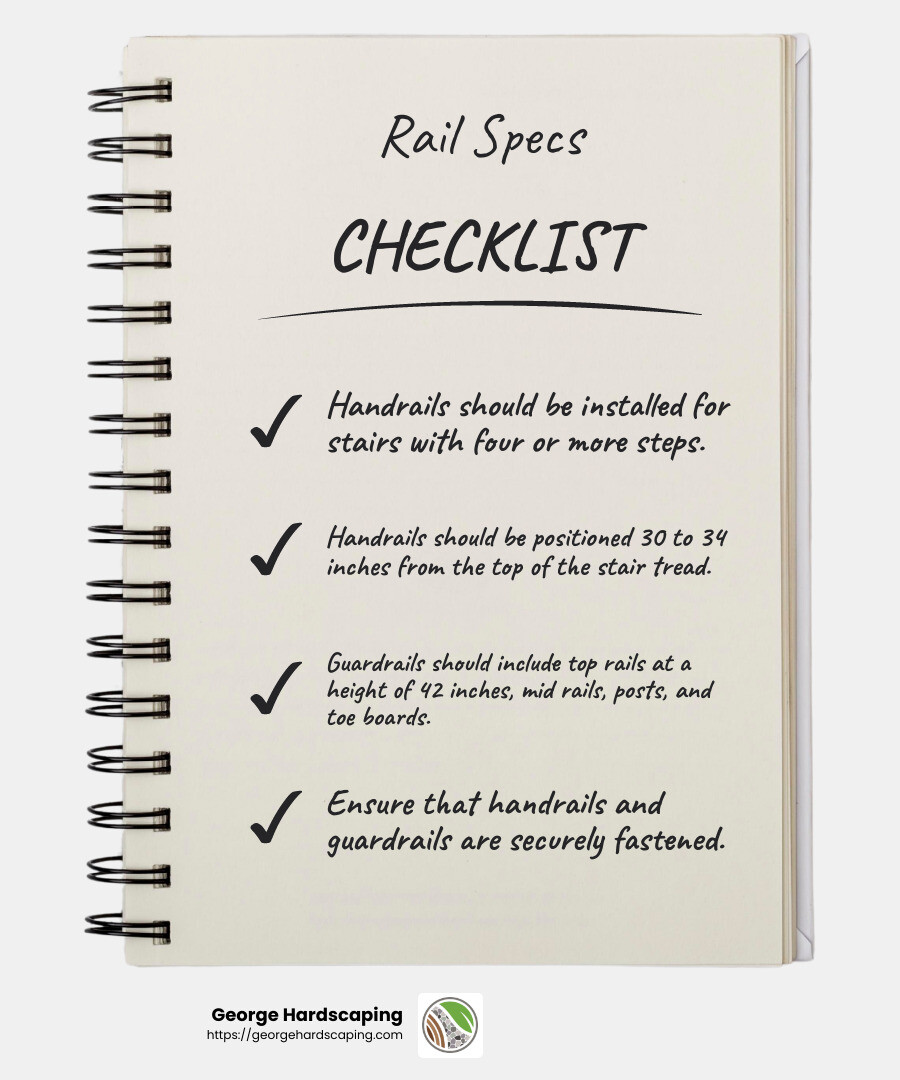
– Handrails: According to safety standards, handrails should be installed for stairs with four or more steps. They should be positioned 30 to 34 inches from the top of the stair tread.
– Guardrails: For liftd walkways and mezzanines, guardrails are necessary. These should include top rails at a height of 42 inches, mid rails, posts, and toe boards.
Installation:
– Ensure that handrails and guardrails are securely fastened. Loose or wobbly handrails should be repaired immediately. Don’t wait for someone else to report or fix it—take action yourself or notify your supervisor.
– For mezzanines or liftd areas, ensure that the space has proper access, such as a full stairway or ladder, and is equipped with perimeter railings. It’s also wise to have an engineer assess the load capacity of these areas.
Visibility and Accessibility
Visibility and accessibility are vital for ensuring that stairs and walkways are safe for everyone, including those unfamiliar with the area or those with disabilities.
Lighting:
– Proper lighting is crucial for visibility. Install adequate lighting along walkways and staircases to ensure they are well-lit during the night or in low-light conditions.
– Consider motion-sensor lights for added convenience and energy efficiency.
Markings:
– Highlight elevation changes in walkways with bright, contrasting colors to alert users to potential hazards. This can prevent trips and falls, especially for those who are not familiar with the area.
– Use anti-slip tape or paint on the edges of steps to improve traction and visibility.
Signage:
– Install clear signage to direct people to the safest routes and to warn of any potential hazards. For instance, signs indicating “Wet Floor” or “Caution: Steps” can be very helpful.
– Use approved cord covers for any electrical cords or hoses that must cross walkways. Additionally, set up caution signs or flags to alert individuals to these temporary obstructions.
By incorporating these safety features into your stairs and walkways, you can significantly reduce the risk of accidents and ensure compliance with safety standards. Proper installation, regular inspections, and clear visibility measures are key to maintaining a safe and accessible environment for everyone.
Frequently Asked Questions about Stairs and Walkways
What is the Difference Between Stairs and Steps?
Stairs usually refer to a series of steps leading from one level to another, often within a building or structure. They include multiple components like treads (the part you step on), risers (the vertical part between treads), and sometimes landings.
Steps, on the other hand, are individual units that make up a staircase. They can also be found in isolation, such as a single step leading to a doorway.
How to Ensure Stair Safety in High Traffic Areas?
Materials:
– Concrete Pavers: Durable and slip-resistant, making them ideal for areas with heavy foot traffic.
– Natural Stone: Offers a solid and long-lasting surface but can be more expensive.
– Wood: Aesthetic but requires regular maintenance to prevent slipping and damage.
Maintenance:
– Regular Inspections: Check handrails, treads, and surfaces for any wear or damage. Loose handrails should be fixed immediately.
– Debris Removal: Keep stairs and walkways clear of debris, water, ice, and other slippery substances. Use anti-slip tape or paint for added safety.
– Highlight Changes: Mark elevation changes and edges of steps with bright, contrasting colors to alert users.
Cost-Effective Solutions for Sidewalks and Walkways?
Concrete Costs:
– Basic Concrete: Costs range from $4 to $15 per square foot, depending on the finish and complexity.
– Stamped Concrete: More expensive but offers aesthetic appeal. Costs can range from $8 to $30 per square foot.
Alternatives:
– Gravel: Affordable and easy to install, but not ideal for high-traffic areas.
– Pavers: Cost-effective and easy to repair or replace. They offer durability and a wide range of design options.
– Asphalt: Less expensive than concrete but requires more maintenance.
By choosing the right materials and maintaining them properly, you can ensure safe, durable, and cost-effective stairs and walkways.
Conclusion
At George Hardscaping, we understand the importance of beautifully designed and durable stairs and walkways. Our custom solutions are tailored to meet the unique needs of homeowners in Essex County, MA, and the North Shore.
George Hardscaping: Your Partner in Excellence
With years of experience and a commitment to quality, George Hardscaping is your go-to expert for all your hardscaping needs. Our team works closely with you from the initial consultation to the final installation, ensuring that every detail aligns with your vision. Whether you’re looking to improve your outdoor living space or increase your property’s value, we’ve got you covered.
Custom Solutions for Every Home
We offer a wide range of materials and styles to suit any taste and budget. From natural stone to concrete pavers, our selections are chosen for their durability and aesthetic appeal. Our design and construction services include:
- Walkways: Create a seamless connection between different areas of your property with visually appealing and durable walkways.
- Stairs: Improve your home’s curb appeal and safety with bespoke steps and brick stairs designed to withstand heavy traffic and weather elements.
- Patios, Retaining Walls, and More: Improve your outdoor space with our comprehensive hardscaping services.
Serving Essex County with Pride
Our reputation for excellence is built on the satisfaction of our clients. We pride ourselves on delivering superior hardscaping services that not only meet but exceed your expectations. Don’t just take our word for it—join the many satisfied homeowners who have trusted George Hardscaping for their custom walkway and stair needs.
Ready to transform your outdoor space? Contact us today for a free consultation and take the first step toward creating the outdoor living experience you’ve always dreamed of.
For more information or to initiate your project, request an estimate online. Transform your outdoor space with our expert walkway and stairs installation services in North Shore and Essex County, MA.
Explore our services and start your journey with George Hardscaping today.
