Your Foundation for a Flawless Project
When you search for masonry and concrete contractors near me, you’re not just looking for someone to lay bricks or pour concrete; you’re seeking a skilled artisan to build a lasting and beautiful extension of your home. Choosing the right professional is the single most important factor that determines whether your project becomes a cherished feature for decades or a source of costly repairs within a few years. This is particularly true for homeowners in Essex County and across the North Shore of Massachusetts, where the demanding coastal weather—from harsh, freezing winters to humid, salt-laden summer air—puts materials and workmanship to the ultimate test.
Navigating the process of finding a quality contractor can be fraught with challenges. Homeowners often report frustrations with vague estimates that balloon over time, poor communication that leaves them in the dark, and, worst of all, subpar results that crack, shift, or crumble prematurely. This comprehensive guide is designed to empower you. We will walk you through every critical step of the hiring process, from understanding the full spectrum of services offered to meticulously vetting candidates, decoding project costs, and knowing what to expect from start to finish.
Quick Guide to Finding the Right Contractor:
- Verify Credentials: Don’t just take their word for it. Ensure they are fully licensed to operate in Massachusetts, carry general liability and worker’s compensation insurance, and are bonded. This protects you from liability and financial loss.
- Review Experience: Look for a contractor with a deep portfolio and a proven history of completing projects similar in scope and style to yours. A patio specialist may not be the best choice for a complex chimney rebuild.
- Check References: A confident contractor will gladly provide references. Contact past clients to ask about their experience with communication, timeliness, and the durability of the work. Supplement this with verified online reviews.
- Compare Quotes: Solicit at least 3-5 detailed, written estimates. This allows you to compare not just the final price, but the scope of work, materials specified, and projected timeline.
- Examine Portfolios: A picture is worth a thousand words. Scrutinize their completed work galleries to assess the quality of their craftsmanship, the precision of their lines, and the creativity of their designs.
- Understand the Contract: A professional contract is your greatest protection. Insist on a written agreement that explicitly details all project specifications, a clear cost breakdown, and firm timelines before any work begins.
Whether you are envisioning a brand-new paver patio for summer gatherings, require a sturdy retaining wall to tame a difficult slope, or dream of a custom firepit as the centerpiece of your backyard, partnering with the right contractor is paramount. Let’s build your project on a solid foundation of knowledge and confidence.
Simple guide to masonry and concrete contractors near me:
1. Defining the Craft: What Services Do Masonry and Concrete Contractors Offer?
When you begin your search for masonry and concrete contractors near me, you are tapping into a trade that blends artistry with engineering. These professionals are masters of using durable, timeless materials like brick, natural stone, and concrete to construct, repair, and enhance structures. At its core, masonry is the craft of laying individual units (such as bricks, blocks, or stones) and binding them with mortar.
Concrete work, on the other hand, typically involves mixing cement, sand, aggregate, and water to create a liquid slurry that is poured into forms and cures into a solid, monolithic structure. In the world of residential hardscaping, especially for outdoor living projects in Essex County, MA, these two disciplines frequently overlap and complement each other.
Common Masonry and Concrete Projects
Qualified contractors offer a wide range of services for both new construction and essential repairs, catering to residential and commercial clients alike. Here’s a more detailed look at some of the most common projects we are called upon to build and restore:
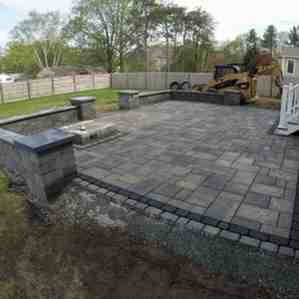
- Patios and Pool Decks: We design and install beautiful, resilient surfaces that form the heart of your outdoor entertainment and relaxation areas. Our team excels at creating stunning patio and deck designs using a variety of materials, including interlocking concrete pavers, elegant natural stone like bluestone or granite, or versatile poured and stamped concrete.
- Walkways and Stairs: A well-built walkway does more than connect two points; it guides visitors, enhances curb appeal, and ensures safe passage. We construct safe, inviting, and aesthetically pleasing paths and steps that complement your home’s architecture. Explore our portfolio of durable and elegant walkways.
- Retaining Walls: These structures are critical for managing sloped properties, preventing soil erosion, and creating usable, level tiers in your landscape. A properly engineered retaining wall is a perfect marriage of physics and artistry. We build functional retaining wall solutions designed to withstand immense pressure and the test of time.
- Driveways: Move beyond basic asphalt with a paver driveway that offers superior durability and unmatched curb appeal. A properly installed paver system flexes with the ground’s movement, resisting the cracking common with other surfaces. Learn more about our expert paver driveway installation services.
- Foundations and Parging: We handle critical foundation repairs to maintain your home’s structural integrity. This includes applying parging—a thin, protective layer of cement mortar—over foundation walls to improve their appearance, seal small voids, and provide a barrier against weather.
- Chimney Repair and Rebuilds: Our harsh New England climate is notoriously tough on chimneys. We perform crucial repairs like tuckpointing (the meticulous process of removing and replacing deteriorated mortar joints) and, when necessary, complete chimney rebuilds to ensure safety, prevent water leaks, and restore structural soundness.
- Custom Outdoor Firepits: A firepit or outdoor fireplace instantly becomes the social hub of any backyard. We design and construct custom-built outdoor firepits that are tailored to your space and style, providing a perfect gathering spot for cool evenings.
When Do You Need a Repair?
Ignoring what seems like a minor issue can quickly escalate into a major, expensive problem. It’s crucial to call a professional for an assessment if you observe any of the following warning signs:
- Visible Cracks: While hairline cracks in concrete can be normal, large, expanding, or stair-step cracks in brickwork or foundations can signal significant structural movement or stress.
- Crumbling Mortar (Spalling): If the mortar between your bricks or stones is turning to powder or flaking away, it means moisture has penetrated and is breaking down the binding agent. This compromises the entire structure’s integrity.
- White Powdery Residue (Efflorescence): This chalky, crystalline deposit on the surface of masonry is caused by water-soluble salts being drawn out of the material as water evaporates. It’s a clear sign that water is migrating through your masonry, which can lead to spalling during freeze-thaw cycles.
- Water Damage: Pooling water near your foundation, damp spots on interior basement walls, or a musty smell can indicate that your masonry is failing to repel water or that the surrounding grade and drainage systems are inadequate.
- Uneven or Sinking Surfaces: A patio, walkway, or step that has sunk or become uneven is not just an eyesore but a serious tripping hazard. This almost always points to a failure in the underlying base preparation.
- Foundation Issues: Be alert for secondary signs like interior doors that stick, windows that are difficult to open, or new gaps appearing between walls and ceilings. These can be symptoms of foundation settlement that requires immediate expert evaluation.
- Loose Bricks or Stones: If you can physically wiggle or remove a brick or stone with your hands, the mortar has completely failed. This is a critical safety issue that needs immediate attention to prevent a potential collapse.
If you’re seeing any of these troubling signs, don’t wait for the problem to worsen. Contact a professional for a thorough inspection and a clear plan for remediation.
2. How to Find the Best Masonry and Concrete Contractors Near Me
Finding the right masonry and concrete contractors near me is less about luck and more about a systematic process of due diligence. Taking the time to thoroughly vet potential candidates is the best way to protect your financial investment, ensure a smooth project experience, and guarantee a final product that meets your expectations for quality and durability.
The Vetting Checklist: 10 Questions to Ask
Before you even think about signing a contract, arm yourself with these essential questions. The quality of the answers will reveal a great deal about a contractor’s professionalism, experience, and reliability.
- Experience and Specialization: “How many years have you been in business, and what percentage of your work is residential projects like mine?” A long history is good, but specialized experience in the specific type of work you need (e.g., natural stone patios, chimney repair) is even better.
- Licensing and Insurance: “Are you licensed and insured to work in Massachusetts? Can you provide a copy of your license and certificates of insurance?” This is non-negotiable. A professional will readily provide their MA Construction Supervisor License (CSL) or Home Improvement Contractor (HIC) registration number, which you can verify on the official Mass.gov website. They must also carry both general liability insurance (to cover property damage) and worker’s compensation insurance (to cover injuries on site).
- Past Client References: “Could you provide me with references from 2-3 recent clients in Essex County whose projects were similar to mine?” Speaking directly with past customers is invaluable. Ask them about the contractor’s communication, cleanliness, adherence to the budget and timeline, and how the work has held up over time.
- Project Portfolio: “Can I see a portfolio of your completed work?” A robust project gallery is a testament to their craftsmanship. Look for clean lines, consistent mortar joints, and creative solutions. Pay attention to details that demonstrate a high level of skill.
- Written Contract: “Will you provide a detailed, itemized contract before any work begins?” A handshake deal is a recipe for disaster. A comprehensive written contract that outlines the full scope, materials, timeline, and total cost is your most important legal protection.
- Payment Schedule: “What is your payment schedule?” A standard, professional schedule involves a reasonable deposit (typically 10-30%), progress payments tied to specific project milestones (e.g., completion of demolition, completion of base preparation), and a final payment only after you have done a final walkthrough and are 100% satisfied.
- Project Management: “Who will be my primary point of contact, and will there be a dedicated project manager or foreman on-site daily?” Clear communication is key. You need to know who to call with questions and who is responsible for overseeing the quality of the work each day.
- Subcontractors: “Do you use subcontractors for any part of the project? If so, are they also fully licensed and insured?” It’s common for contractors to use subcontractors for specialized tasks (like electrical for lighting). You have the right to know who is working on your property and to ensure they meet the same professional standards.
- Warranty: “What kind of warranty do you offer on your workmanship and the materials?” A reputable contractor will stand behind their work. Ask for a written warranty that clearly states what is covered (e.g., sinking pavers, cracked mortar joints) and for how long. Understand the difference between the contractor’s workmanship warranty and the manufacturer’s material warranty.
- Change Orders: “How do you handle changes or unforeseen issues?” Changes happen. A professional will have a clear process for documenting any deviation from the original plan in a written “change order,” which includes the new work, the associated costs, and any adjustment to the timeline. This must be approved by you before the new work begins, preventing surprise charges on the final bill.
Understanding Certifications and Awards
While not a substitute for the vetting questions above, certifications and awards serve as strong indicators of a contractor’s dedication to their craft and commitment to ongoing education.
- What They Signify: Certifications demonstrate that a contractor has undergone and passed specialized training in specific installation methods or materials. Awards from industry organizations or local publications recognize superior craftsmanship and customer service.
- Trade Associations: Membership in respected groups like the Mason Contractors Association of America (MCAA) or the National Concrete Masonry Association (NCMA) suggests a commitment to industry best practices, safety standards, and continuing education. For more information on the trade, you can visit the Bureau of Labor Statistics website.
- Manufacturer Certifications: Many top-tier material manufacturers (like Techo-Bloc or Unilock for pavers) offer certification programs to contractors who master their specific installation requirements. Hiring a certified installer can be crucial for ensuring your material warranty remains valid.
- Local Recognition: Pay close attention to contractors who consistently earn high ratings and positive reviews on reputable platforms. A long-term track record of customer satisfaction in your local area—from Beverly to Danvers to Ipswich—is often the most reliable indicator of all.
3. Decoding the Dollars: What Influences Project Costs?
Understanding the various factors that contribute to the final price is essential for creating a realistic budget and for accurately comparing quotes from different masonry and concrete contractors near me. The cost for your hardscaping project in Essex County, MA, is not an arbitrary number; it’s a calculation based on several key variables. A transparent contractor will be happy to explain how these elements apply to your specific project.
Budgeting and Cost Factors
Here are the primary components that will influence the overall cost of your masonry or concrete project:
- Labor Costs: This is almost always the largest portion of the project budget. It doesn’t just cover the hourly wages for the skilled masons and their crew; it also includes costs for worker’s compensation insurance, liability insurance, and general overhead. The complexity of the job is a major driver here. For example, a simple poured concrete slab requires fewer labor hours than a complex, multi-level stone patio with intricate cuts and patterns.
- Material Quality and Type: The materials you choose will have a significant impact on the budget. There is a wide cost spectrum, from basic poured concrete at the lower end to high-end, imported natural stone at the upper end. For instance, concrete pavers are generally more affordable than natural bluestone or granite. Decorative elements, such as contrasting borders, inlays, or specialty finishes, will also add to the material cost. Sourcing from a quality local supplier is crucial to ensure the materials selected are appropriate for our region’s freeze-thaw cycles.
- Project Size and Complexity: This is a straightforward factor: a larger project requires more materials and more labor hours, thus costing more. Complexity, however, is a more nuanced factor. A project with curves, multiple levels, integrated steps, seating walls, or other custom features will require more time for layout, cutting, and installation than a simple square or rectangular design.
- Site Accessibility and Preparation: What is the current state of the project area? If the site is on a steep slope, difficult to access with machinery, or requires extensive demolition of an old structure, costs will increase. Site preparation is critical and can involve significant work, including excavation to the proper depth, grading to ensure correct drainage away from your home, and the installation and compaction of a proper aggregate base.
- Permit Fees: Depending on the scope and scale of your project (e.g., a large retaining wall or a structure close to property lines), a building permit may be required by your local town or city. While the homeowner is technically responsible for the permit, the contractor typically handles the application process. The associated fees are then passed on to the homeowner.
Understanding a Quote from Masonry and Concrete Contractors Near Me
A professional quote is much more than just a single price at the bottom of a page. A detailed, transparent quote is a sign of a trustworthy contractor. Here’s what you should look for:
- Itemized Breakdown: The estimate should clearly separate the costs for labor, materials (listing the specific type and quantity), equipment rental, debris disposal, and permit fees. This level of detail is essential for making an apples-to-apples comparison between different bids.
- Clear Scope of Work: The quote should describe in detail exactly what work will be performed, including site preparation specifics like the depth of the excavation and the thickness of the base material.
- Clear Payment Terms: The payment schedule should be explicitly stated, with amounts and due dates tied to specific project milestones.
- Contingency Planning: While a contractor’s quote should be firm, it’s a wise practice for homeowners to set aside a personal contingency fund of 10-15% of the total project cost. This fund can cover any unforeseen issues that may arise, such as discovering very poor soil that requires extra excavation and fill, or deciding to add a feature mid-project.
- Multiple Quotes: Always obtain at least three detailed quotes from reputable contractors. This gives you a clear sense of the current market rate for your type of project. Be extremely wary of any bid that is drastically lower than the others. This can be a red flag for an inexperienced contractor, someone who uses subpar materials, is uninsured, or plans to cut corners on critical steps like base preparation.
- No Hidden Costs: A professional contractor will be upfront about potential extra costs. For example, they might note that the quote does not include the cost of repairing sprinkler lines if they are damaged during excavation, or the cost of loam and seed to repair lawn damage around the work site.
4. From Concept to Completion: The Typical Project Process
A reputable masonry and concrete contractor operates with a structured, transparent process that guides you from the initial idea to the final, finished product. Understanding this lifecycle helps you know what to expect at each stage and ensures there are no surprises along the way. Here’s a general overview of the typical project workflow:
- Initial Consultation: This is the starting point where you meet with the contractor (often at your property) to discuss your vision, functional needs, aesthetic preferences, and budget. It’s a collaborative session to explore possibilities and establish the project’s core goals.
- Site Assessment and Measurement: The contractor will conduct a thorough evaluation of the proposed project area. This involves taking precise measurements, assessing the terrain’s slope and grade, identifying potential drainage issues, locating underground utilities, and determining accessibility for machinery and materials. This step is critical for accurate planning and pricing.
- Design and Material Selection: This is often the most exciting phase for the homeowner. You’ll work with the contractor to refine the design concepts, perhaps reviewing sketches or 3D renderings. You will also make final decisions on materials, selecting the specific type, color, and texture of the bricks, stones, or pavers. This phase is crucial for projects like patio design and installation or creating custom walkways and stairs.
- Formal Quote and Contract: Based on the detailed site assessment and your material choices, the contractor will provide a formal, itemized quote. Once you approve the quote, they will draw up a comprehensive contract that documents every aspect of the project. Review this document carefully before signing.
- Permit Acquisition: If the project requires a permit from your local municipality, the contractor will typically manage the application process on your behalf, ensuring all plans comply with local building codes.
- Site Preparation: This is the foundational work that ensures the longevity of your project. The crew will clear the site, perform any necessary demolition, and begin excavation. For projects like patios and walkways, this involves digging out soil to a specific depth and then building up and compacting a multi-layered aggregate base. This base is vital for providing drainage and preventing the surface from sinking or heaving over time.
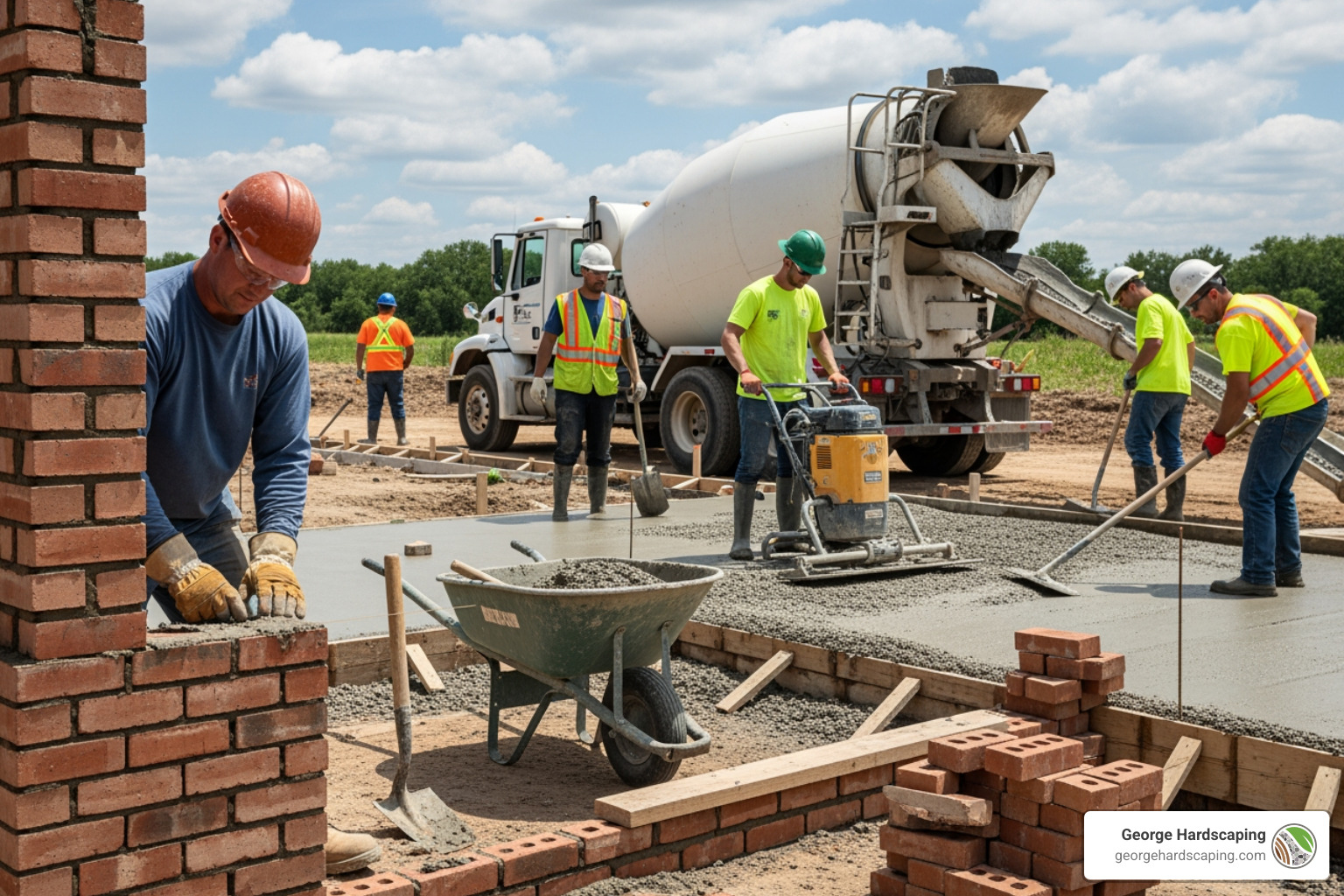
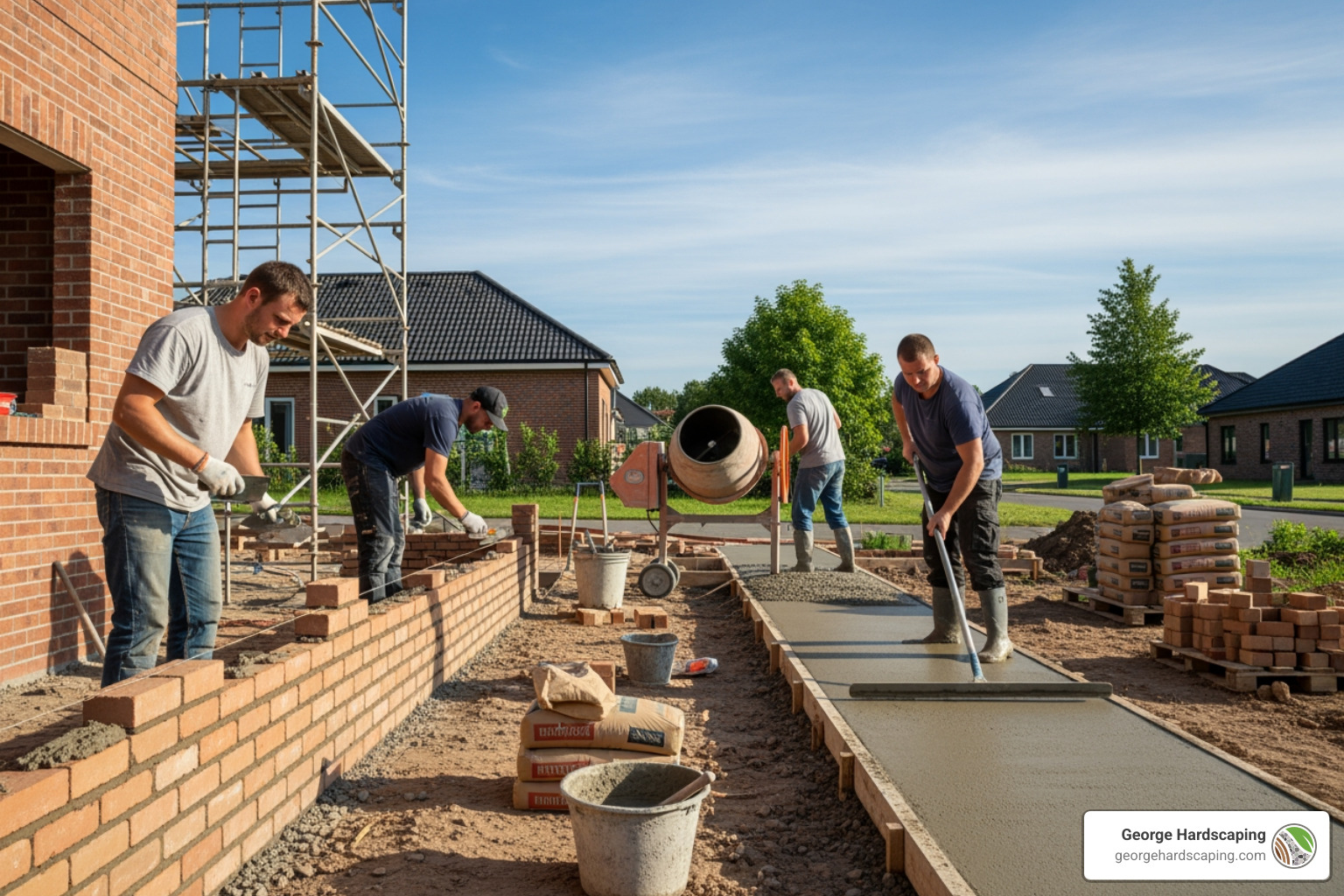
- Installation and Construction: With the base perfectly prepared, the skilled masons begin the installation. For a paver project, this means laying the stones, making precise cuts, and installing edge restraints. For concrete work, it involves setting forms, pouring the concrete, and finishing the surface. This phase requires immense precision and attention to detail, especially for a high-traffic surface like a driveway paver installation.
- Curing and Finishing: Poured concrete doesn’t just “dry”; it undergoes a chemical reaction called curing to reach its full design strength, which can take several days or even weeks. For paver projects, this stage involves sweeping polymeric sand into the joints and compacting it to lock the pavers together. Other finishing touches, like applying a protective sealant, are also completed.
- Site Cleanup: A hallmark of a professional crew is leaving the job site cleaner than they found it. They will remove all construction debris, tools, and excess materials, and perform a final sweep-up of the area.
- Final Walkthrough: Before the final payment is due, you will walk through the completed project with the contractor or project manager. This is your opportunity to inspect every detail and ensure the work meets or exceeds your expectations and the terms of the contract. Once you are completely satisfied, the project is officially complete.
Frequently Asked Questions about Hiring Masonry Contractors
Here are detailed answers to some of the most common questions homeowners have when they start looking for masonry and concrete contractors near me.
What are the benefits of hiring a professional vs. DIY?
While the idea of a DIY project can be tempting for saving money, for masonry and concrete work, the risks often far outweigh the potential rewards. Hiring a professional offers significant, tangible advantages, especially for structural or large-scale projects like landscape retaining walls or custom outdoor firepits.
- Expertise and Skill: A professional understands the science behind the materials. They know the proper aggregate base required for our local soils, the correct mortar mixture for our climate, and the complex drainage principles needed to ensure a project lasts. This knowledge prevents costly failures like sinking patios and cracking walls.
- Safety and Liability: Masonry work involves heavy materials, powerful equipment, and potential excavation hazards. A licensed and insured contractor is trained in safety protocols and, crucially, carries the necessary insurance. This protects you, the homeowner, from devastating financial liability in the event of an accident or injury on your property.
- Proper Tools and Equipment: Professionals have invested tens of thousands of dollars in specialized equipment, from heavy-duty plate compactors and demolition hammers to precision wet saws and laser levels. Having the right tool for the job ensures efficiency, precision, and a higher-quality result that is nearly impossible to achieve with rental equipment.
- Time Savings and Efficiency: A professional crew can often complete a project in a fraction of the time it would take a DIYer. What might take you multiple weekends or even an entire summer, a skilled team can finish in a matter of days, minimizing disruption to your home and life.
- Durability and Increased Property Value: A professionally installed hardscape is an investment. When done correctly, a new patio or a set of durable walkways is built to last for decades and can significantly increase your property’s resale value. A poorly executed DIY project can actually detract from your home’s value.
How can I ensure the quality and longevity of my new masonry or concrete?
The durability of your project is a partnership between the contractor’s installation quality and your ongoing maintenance. Here’s how to ensure it lasts:
- Proper Material Selection: Work with your contractor to choose high-quality materials specifically designed to withstand the New England climate, particularly the relentless freeze-thaw cycles.
- Correct Installation: This is the single most critical factor. A skilled contractor ensures every step is done right: deep enough excavation, proper sub-base and base compaction, adequate drainage, and correct finishing techniques. This is where professionals earn their money.
- Sealing and Waterproofing: For many surfaces, applying a high-quality sealant every few years provides a protective barrier against moisture penetration, staining from leaves or spills, and damage from de-icing salts.
- Regular Maintenance: A simple seasonal care routine goes a long way. Gently clean surfaces with a hose and a stiff brush to prevent the buildup of dirt, moss, and mildew. Promptly remove organic debris like wet leaves, which can cause staining.
- Prompt Repairs: At the first sign of a small crack or a crumbling mortar joint, get it repaired. Addressing minor issues quickly prevents water from getting in and causing much larger, more expensive problems down the road.
What should be included in a written contract?
A comprehensive contract is your best friend. It eliminates ambiguity and protects both you and the contractor. Insist that your contract includes the following details:
- Full Scope of Work: A complete, step-by-step description of all tasks to be performed, from demolition and excavation to installation and cleanup. It should include project dimensions and methods.
- Itemized Cost Breakdown: A detailed list of all costs, separating labor, materials, equipment rental, permit fees, and any other charges.
- Material Specifications: The exact type, brand, color, and grade of all materials to be used (e.g., “Techo-Bloc Blu 60 pavers in Shale Grey”).
- Project Timeline: A clear start date and a projected completion date, along with any key milestones.
- Payment Schedule: A clear breakdown of when payments are due, explicitly tied to the completion of specific project phases.
- Change Order Process: A clause that defines the formal, written procedure for handling any changes to the original plan, ensuring you must approve any additional costs before work proceeds.
- Warranty Information: A detailed explanation of the contractor’s workmanship warranty—what it covers and for how long.
- Insurance and Licensing: The contractor’s license number and a statement confirming they carry general liability and worker’s compensation insurance. You should also ask for the certificate of insurance itself.
- Lien Waivers: A clause stating that the contractor will provide you with lien waivers from themselves, their subcontractors, and major material suppliers upon final payment. This protects you from a third party putting a lien on your property if the contractor fails to pay them.
Conclusion: Building with Confidence in Essex County
Choosing the right masonry and concrete contractors near me is far more than a simple hiring decision; it’s a crucial investment in your home’s beauty, functionality, and long-term value. For homeowners throughout Essex County and the North Shore, MA—from Marblehead to Newburyport—selecting a contractor who possesses deep, localized expertise is not just a benefit, it’s a necessity. An expert who understands our specific soil conditions, drainage challenges, and the relentless impact of our coastal climate is essential for building outdoor solutions that are not only beautiful but also exceptionally durable.
This guide has equipped you with a robust framework for navigating the entire process with confidence. You now have the tools to define your project, ask the tough vetting questions, decode the complexities of project costs, and understand the step-by-step journey from concept to completion. The success of your project, whether it’s creating elegant patios and pool decks for family enjoyment or engineering critical landscape retaining walls, hinges on finding a true partner—a contractor who delivers superior skill, unwavering integrity, and consistently clear communication.
For homeowners in Essex County and the surrounding areas who are looking for a trusted, local expert, George Hardscaping is proud to offer a full suite of professional hardscaping and masonry services. Our foundation is built on a commitment to meticulous craftsmanship and absolute customer satisfaction. We don’t just build hardscapes; we build lasting relationships and ensure that your investment enhances your home and lifestyle for many years to come.
Are you ready to transform your outdoor space from a mere idea into a stunning reality? Don’t leave your project to chance or settle for anything less than the best.
Request your free, no-obligation estimate today and partner with a team of skilled professionals dedicated to bringing your vision to life with quality and precision.