
Landscape Steps: Top 6 Inspiring Ideas for 2025
Landscape steps are more than just a functional necessity—they are a way to lift your yard’s charm and utility. Whether you’re looking to add a touch of elegance or simply connect different levels of your property, the right steps can transform any outdoor space. Here’s what you need to know:
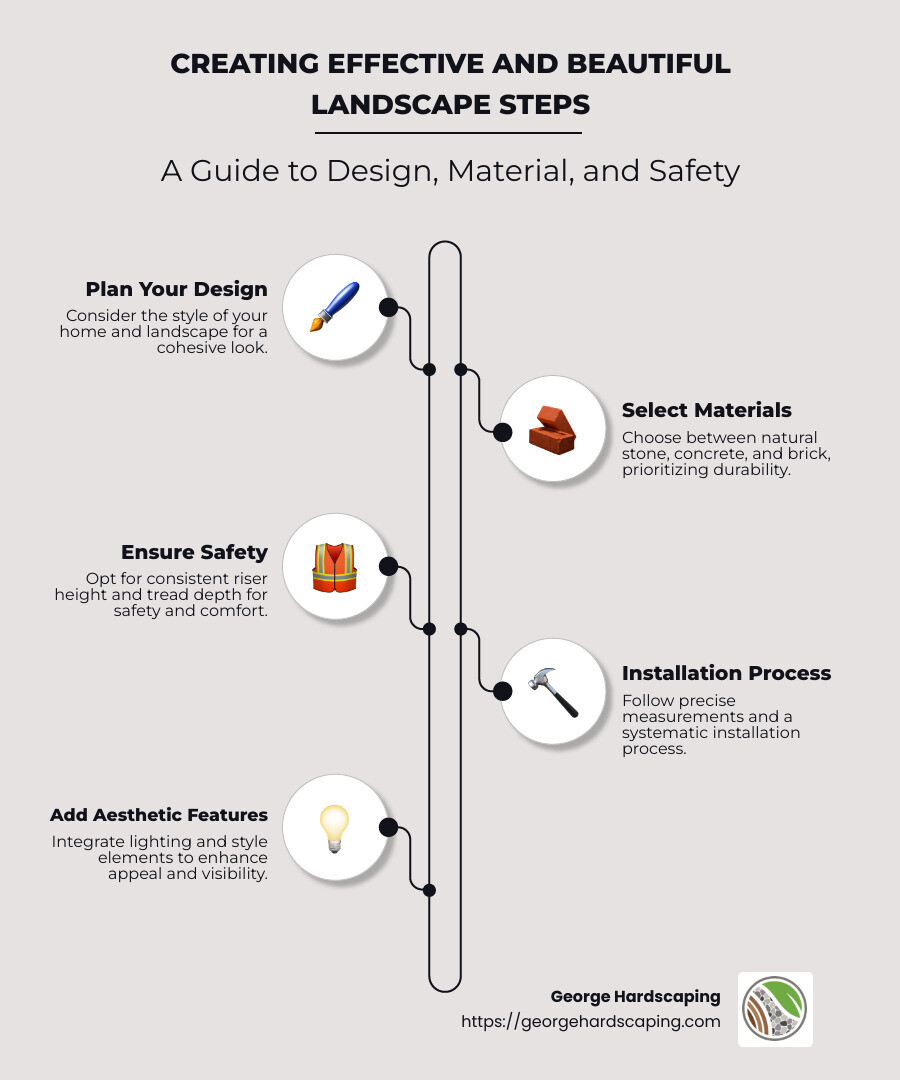
- Design Process: Start by considering the style of your home and landscape. The design should be cohesive and reflect the overall aesthetic you desire.
- Material Selection: Choose between natural stone, concrete, and brick. Each has its own appeal and durability.
- Safety and Functionality: Ensure the steps are well-sized for safety and comfortable use. Opt for a consistent riser height and tread depth.
Creating landscape steps involves more than just choosing a material and a look. It requires careful planning to blend functionality with aesthetics. A well-designed set of steps not only provides access but also improves the beauty and value of your property.
For those seeking reliable craftsmanship in Essex County, MA, George Hardscaping offers expertise in crafting steps and stairs that seamlessly integrate into your outdoor space.
Landscape steps terms explained:
– how to build stone steps
– how to lay stone steps on slope
– bluestone steps
Types of Landscape Steps
When it comes to landscape steps, selecting the right type is crucial for both functionality and aesthetics. Let’s explore the different options available, focusing on wood steps, stone steps, and natural stone.
Wood Steps
Wood steps are an excellent choice for those looking to create a warm and natural feel in their garden. Wood steps are often more affordable than stone, making them a popular choice for budget-conscious homeowners.
- Durability: While wood can be susceptible to weathering, choosing a tough wood like locust or oak can improve longevity. With proper treatment, wood steps can withstand the elements and remain beautiful for years.
- Design Flexibility: Wood steps can be customized in size and shape, allowing them to fit seamlessly into any landscape design. They can also be stained or painted to match the surrounding environment.
Stone Steps
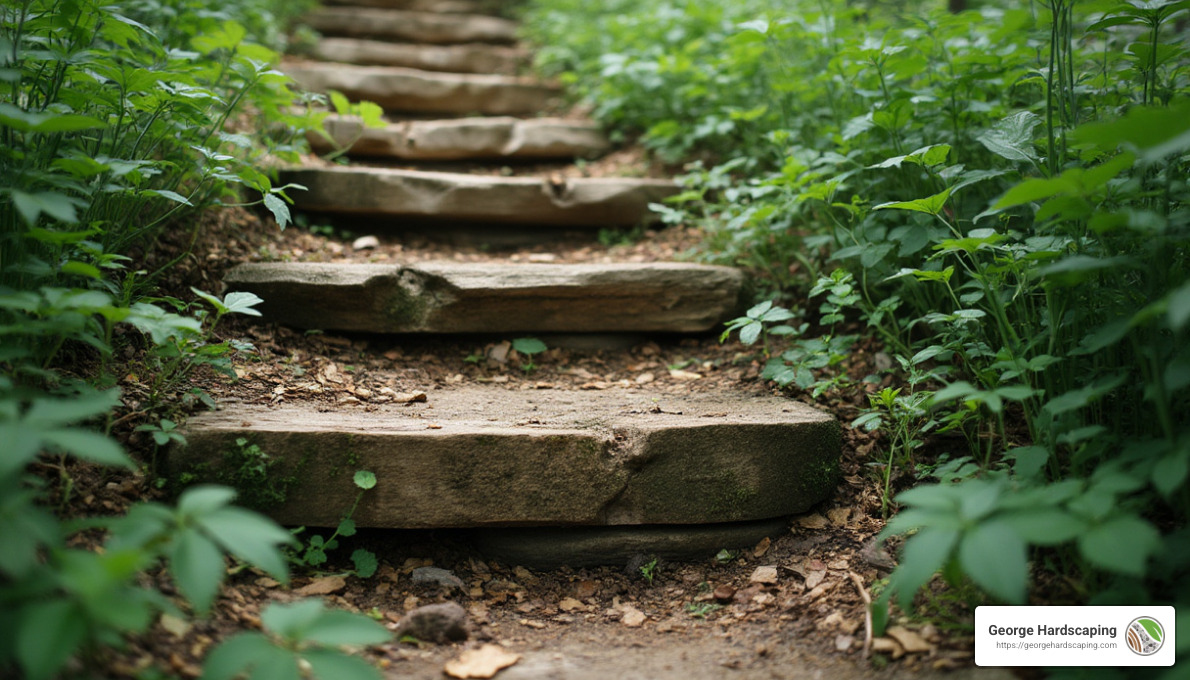
Stone steps offer a timeless elegance and are known for their strength and durability. They are ideal for creating a more formal or rustic look, depending on the type of stone used.
- Installation: Stone steps require careful planning and professional installation to ensure stability. Each stone must be precisely placed to prevent shifting over time.
- Visual Appeal: Stone steps can be paired with creeping plants like thyme or seasonal bulbs for added beauty and integration with the landscape. As noted in one case study, “Debbie’s stone path was planted with creeping thyme and seasonal bulbs, creating a lovely path” (/infographic.png).
Natural Stone
Natural stone steps are carved from single pieces of stone, offering a sense of permanence and luxury. They are a favorite among designers for their organic appearance and durability.
- Strength: Natural stone is incredibly strong and can withstand heavy foot traffic and harsh weather conditions. Unlike other materials, natural stone looks as though it has been part of the landscape for centuries.
- Variety: Available in a range of colors and textures, natural stone can complement any landscape design. It provides a distinctive finishing touch that improves property value and aesthetic appeal.

Choosing the right type of steps for your landscape involves considering both the practical and visual aspects. Whether you opt for the warmth of wood, the elegance of stone, or the enduring beauty of natural stone, each option offers unique benefits that can transform your outdoor space.
In the next section, we will explore the step-by-step process of building landscape steps, ensuring your project is both beautiful and functional.
How to Build Landscape Steps
Building landscape steps is a rewarding project that can transform your outdoor space. Here’s a simple guide on how to approach this task, focusing on measurements, materials, and the installation process.
Measurements
Accurate measurements are crucial for a successful step installation. Start by determining the rise and run for each step. The rise is the height of each step, and the run is the depth.
- Standard Dimensions: Typically, a comfortable rise is about 6 inches, and the run is around 12 inches. However, adjust these dimensions based on the slope and your preferences.
- Slope Consideration: Use a zip level or similar tool to measure the slope. This will help you calculate the number of steps needed and ensure they are evenly spaced.
Materials
Choosing the right materials can make or break your project. Consider durability, aesthetics, and budget.
- Wood: Opt for durable woods like locust or oak. These are resistant to weathering and provide a natural look.
- Stone: For a classic appeal, stone is a great choice. Stones like limestone or granite offer durability and a timeless appearance. Each stone can weigh up to 100 lbs, so plan for delivery and handling.
- Natural Stone: These are cut from solid stone blocks and offer a luxurious and permanent look. They come in various colors and textures to match your landscape.
Installation Process
The installation process involves careful planning and execution to ensure the steps are stable and long-lasting.
- Prepare the Site: Start by clearing the area where the steps will go. Excavate to create a level base for each step.
- Lay the Base: Use an aggregate base to provide stability. This helps prevent shifting over time.
- Position the Steps: Place each step, starting from the bottom and working your way up. For wood steps, secure them with rebars to hold them in place. For stone steps, ensure each piece is anchored by the edge of the stone above it.
- Check for Stability: After placing each step, check that it is level and secure. Adjust as necessary to maintain a safe and comfortable walking surface.
- Finishing Touches: Consider adding plants like creeping thyme or seasonal bulbs around the steps for added beauty.
Building landscape steps requires careful planning and execution, but with the right approach, you can create a stunning feature that improves your yard’s functionality and appeal.
Next, we’ll look into important design considerations to ensure your steps are not only beautiful but also safe and functional.
Design Considerations for Landscape Steps
When designing landscape steps, there are several key factors to ensure they are safe, stylish, and functional. Let’s explore these elements in detail.
Safety
Safety should always be a top priority when designing steps. Proper sizing is crucial to prevent accidents. A comfortable rise for each step is typically between 4 to 7 inches, with a tread depth of about 12 inches. Consistency is key; each step should have the same rise and tread to avoid trips and falls.
- Width: Wider steps are more welcoming and safer as they allow for side-by-side walking. They also provide space for decorative elements, like container gardens.
- Railings: Consider adding railings, especially on steeper slopes, to provide support and stability for users.
Style
The style of your landscape steps should complement your home and garden. Steps can be a statement piece or blend seamlessly into the surroundings.
- Materials: Choose materials that match or improve your landscape. Natural stone, like limestone or granite, offers a timeless look, while wood can provide a rustic charm.
- Shape: Steps can be straight or curved. Curved steps add a dynamic flow and can guide visitors naturally through your garden.
Functionality
Steps should not only look good but also serve a purpose in your landscape.
- Access: Ensure steps provide easy access to different parts of your yard. They can lead to a patio, garden, or even a hidden nook for relaxation.
- Durability: Select materials that withstand the local climate. In Massachusetts, for example, freeze-thaw cycles can affect materials, so choose ones that are durable and weather-resistant.
Lighting
Lighting is an essential consideration for both safety and aesthetics. It ensures your steps are usable at night and adds ambiance to your outdoor space.
- Low-Voltage Lighting: Install low-voltage lights along the steps’ edges or under the treads. This subtle lighting can highlight the path and prevent accidents.
- Solar Lights: For an eco-friendly option, consider solar-powered lights. They are easy to install and cost-effective, using the sun’s energy to illuminate your steps.
Designing landscape steps with these considerations in mind will create a beautiful, safe, and functional feature in your yard. Next, we’ll explore cost-effective solutions for building these steps, ensuring you get the best value for your investment.
Cost-Effective Solutions for Landscape Steps
Creating beautiful landscape steps doesn’t have to break the bank. Let’s explore some budget-friendly options that still deliver great results.
Railway Sleepers
Railway sleepers are a fantastic choice for cost-effective landscape steps. These sturdy, reclaimed wood beams are not only budget-friendly but also add a rustic charm to your garden.
- Durability: Originally designed to withstand the weight of trains, railway sleepers are incredibly durable. They can handle foot traffic and the elements with ease.
- Natural Look: Their weathered appearance gives a natural, earthy feel, perfect for blending into a garden setting.
- DIY-Friendly: Installing railway sleeper steps can be a DIY project. With the right tools and some basic skills, you can build steps that are both functional and attractive.
Budget-Friendly Materials
Aside from railway sleepers, there are other materials that won’t strain your wallet.
- Concrete Blocks: These are cheap and versatile. They can be stacked to create a solid foundation for steps and can be finished with a variety of surface treatments to match your aesthetic.
- Gravel and Timber: Using gravel for treads and timber for risers can create a simple yet effective step design. This combination is easy to install and maintain.
- Pavers: Available in various shapes and colors, pavers provide a polished look without a hefty price tag. They are easy to lay and can be arranged in creative patterns.
DIY Options
Taking the DIY route can significantly reduce costs. Here are some tips to help you succeed:
- Plan and Measure: Before you start, measure the area carefully. Ensure your steps have consistent rise and tread dimensions to maintain safety and comfort.
- Gather Tools and Materials: Make a list of necessary tools and materials. Renting tools can save money if you don’t plan to use them frequently.
- Step-by-Step Guide: Follow a detailed guide or tutorial. Many resources are available online to help you with each stage of the project.
- Seek Help if Needed: Don’t hesitate to ask for help from friends or family. Extra hands can make the work faster and more enjoyable.
By choosing cost-effective materials and considering DIY approaches, you can create beautiful landscape steps that improve your yard without overspending. Next, we’ll tackle some frequently asked questions about landscape steps to provide further clarity and guidance.
Frequently Asked Questions about Landscape Steps
What are the steps for landscaping?
Creating landscape steps involves a few key phases to ensure a successful project:
- Consultation: Begin by discussing your vision with a professional. This helps align your ideas with practical solutions.
- Planning: Develop a detailed plan that includes measurements, materials, and a timeline. This step is crucial to avoid unexpected surprises.
- Design: Choose a style that complements your home and garden. Consider factors like safety, functionality, and aesthetics.
- Construction: With a solid plan in place, start building. Whether you DIY or hire professionals, ensure the steps are sturdy and well-constructed.
- Maintenance: Regular upkeep is essential to keep your steps looking good and functioning well. Check for wear and tear, especially after harsh weather.
What is the cheapest way to build garden steps?
For budget-conscious homeowners, there are cost-saving options:
- Railway Sleepers: These reclaimed wood beams offer durability and a natural look. They’re a popular choice for DIY enthusiasts.
- Gravel and Timber: This combination is economical and easy to install. It provides a rustic charm while keeping costs low.
- Concrete Blocks: Affordable and versatile, concrete blocks can be used to build sturdy steps. They can be painted or finished to suit your style.
What are the dimensions for outdoor steps?
Getting the dimensions right is essential for comfort and safety:
- Rise: The vertical height of each step, typically between 4 to 7 inches. Consistent rise is crucial to prevent tripping.
- Tread: The horizontal depth of each step, usually around 12 inches. This allows for a comfortable footing.
- Comfort: A well-balanced rise and tread ensure ease of use. Wider steps can also add a welcoming feel and allow for additional features like container gardens.
By understanding these dimensions and incorporating them into your design, you can create landscape steps that are both functional and inviting.
Conclusion
At George Hardscaping, we pride ourselves on delivering exceptional quality and craftsmanship in every project we undertake. Based in Essex County, MA, we specialize in creating landscape steps that improve both the beauty and functionality of your outdoor spaces. Our team is dedicated to changing your vision into reality, ensuring that each step not only meets but exceeds your expectations.
Our commitment to quality is evident in the materials we choose and the techniques we employ. We understand that landscape steps are not just functional elements; they are an integral part of your home’s aesthetic. Whether you’re looking for the timeless elegance of natural stone or the modern appeal of concrete, our experts are here to guide you through every step of the process.
Craftsmanship is at the heart of what we do. Our skilled team brings years of experience to every project, paying attention to the smallest details to ensure durability and beauty. We believe in creating outdoor spaces that you will love for years to come.
Serving the North Shore, including towns like Beverly, Gloucester, and Salem, we are proud to be a trusted partner for homeowners across the region. If you’re considering a landscaping project, we invite you to explore our steps and brick stairs services and see how we can help you create the perfect outdoor oasis.
Thank you for considering George Hardscaping. We look forward to working with you to bring your landscape dreams to life.
