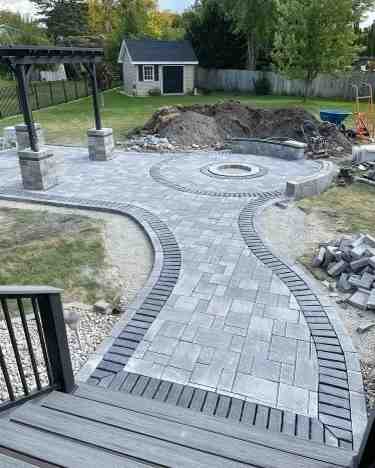
Why Landscape Masonry Transforms Your Outdoor Living Space

Landscape Masonry is the enduring art of building beautiful, durable outdoor structures using timeless materials like natural stone, classic brick, and modern concrete. It is the specialized craft behind stunning patios, inviting walkways, robust retaining walls, and cozy fire pits—the essential hardscape features that form the structural backbone of a functional and truly inviting outdoor living space. For homeowners across the North Shore, from Beverly to Marblehead, professional masonry is what elevates a simple backyard into a seamless extension of the home.
Quick Definition:
- What it is: The skilled construction of permanent, non-living outdoor structures by laying individual units of stone, brick, or concrete blocks.
- What it includes: Patios, walkways, retaining walls, freestanding walls, steps, outdoor kitchens, and custom fire features.
- Key distinction: It represents the non-living, structural elements (hardscape) that provide form and function, as opposed to the living, horticultural elements like plants and trees (softscape).
- Purpose: To create functional, defined spaces for living and entertaining, manage challenging terrain, prevent soil erosion, improve drainage, and significantly enhance a property’s aesthetic appeal and value.
In any Essex County, MA neighborhood, the properties that command attention and exude curb appeal almost invariably share one common feature: thoughtfully designed and expertly executed landscape masonry. It anchors the landscape, creating clear, purposeful outdoor rooms that invite activity and relaxation. This is the fundamental difference between a yard with scattered furniture and a true outdoor living space; between a problematic, sloped lawn and a gorgeous terraced garden.
Landscape masonry is where practical function meets enduring art. It solves tangible problems like water drainage and soil erosion while adding a sense of character, history, and permanence that plants alone cannot provide. While the softscape elements change with the seasons, masonry provides the steadfast structure that makes your outdoor space usable, safe, and beautiful year-round.
This comprehensive guide will cover everything you need to know about landscape masonry, from the diverse materials used to the common projects that can completely transform your property. Whether you are envisioning a simple stone walkway to your front door or an entire multi-level outdoor living area, understanding these core principles will empower you to make informed decisions that add lasting beauty and value to your home.
What is Landscape Masonry? The Art of Building Your Outdoors
Landscape Masonry is the time-honored craft of constructing permanent, non-living features within an outdoor environment using durable, earthen materials like natural stone, brick, and concrete. It is an ancient practice, with roots stretching back millennia, that masterfully blends structural engineering with artistic design. This discipline allows a skilled mason to build everything from a structurally sound retaining wall holding back tons of earth to a beautiful, intricately patterned stone patio for hosting family gatherings.
This highly skilled work involves a deep understanding of materials, meticulous site preparation, and the expert laying of each individual unit to create structures that not only enhance your property’s beauty and usability but also withstand the tests of time and weather.
While the terms are often used interchangeably in casual conversation, it is helpful for homeowners to understand the key distinctions between landscaping, hardscaping, and masonry.
The Core Difference: Hardscape vs. Softscape
Every successful landscape design is built upon two main components that must work in harmony:
- Hardscape encompasses all the structural, non-living elements in your yard. These are the “bones” of the landscape, providing permanent form, defining spaces, and enabling function. As detailed in the widely accepted definition of hardscape, this includes any constructed feature like a patio, walkway, wall, or driveway. The majority of hardscaping projects in Essex County, MA, involve creating patios, walkways, steps, and retaining walls from stone, brick, or concrete pavers.
- Softscape is comprised of all the living, horticultural elements: the plants, soil, trees, shrubs, and flowers. These elements bring color, texture, and life to the landscape, but they are dynamic, changing with the seasons and requiring ongoing care like watering, pruning, and fertilizing.
A truly exceptional landscape design creates a seamless and harmonious balance between these two components. The hardscape provides the permanent structure and year-round interest, while the softscape softens the edges, adds natural beauty, and brings the garden to life.
Where Masonry Fits into Your Landscape
Masonry is a highly specialized and skilled craft that falls under the broader category of hardscaping. While all landscape masonry is a form of hardscaping, not all hardscaping involves masonry.
- Masonry specifically involves the art of building structures by laying individual units (such as bricks, blocks, or stones) and, in many cases, binding them together with mortar. This process demands a high level of precision, technical knowledge, and artistry to create features that are both beautiful and structurally sound for decades. From a classic brick walkway laid in a herringbone pattern to a complex natural stone retaining wall built to follow the contours of the land, masonry is about permanence and craftsmanship. George Hardscaping offers comprehensive hardscaping and masonry services that expertly blend this artistry with robust function, adding enduring character and value to your home.
The Building Blocks: Primary Materials in Landscape Masonry
The choice of material is one of the most critical decisions in any Landscape Masonry project, as it dictates the aesthetic, durability, maintenance requirements, and overall budget of your outdoor features. For homeowners in Essex County, MA, selecting the right material means balancing the desire for a certain look with the practical need for a structure that can withstand harsh coastal winters, freeze-thaw cycles, and heavy use. A thoughtful selection process transforms an idea into a long-lasting, beautiful reality.
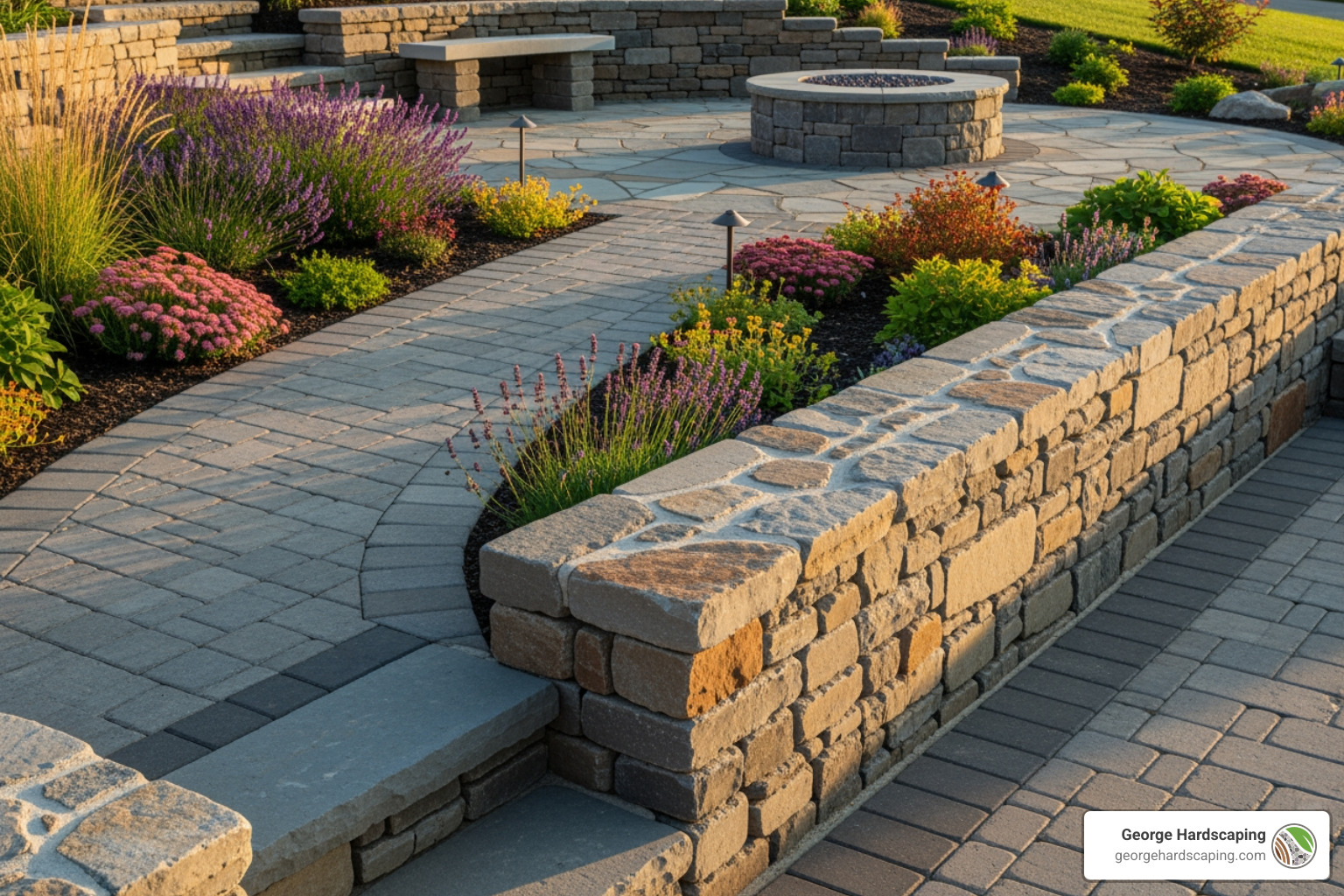
Natural Stone: Timeless Elegance and Unmatched Durability
Natural stone is prized for its unparalleled durability and unique, one-of-a-kind aesthetic. Each piece is a product of nature, with its own distinct color, veining, and texture, ensuring that no two projects are ever exactly alike. It blends seamlessly with the natural environment, creating a timeless, organic appearance that only improves with age. Its inherent strength makes it durable enough for heavy traffic and harsh weather, making it an excellent long-term investment. You can see stunning examples of how different stones are used in real-world applications in the George Hardscaping project gallery.
Popular types for the North Shore include:
- Flagstone: These flat, irregular-shaped stones (like slate or quartzite) create beautifully organic-looking patios and meandering garden paths.
- Bluestone: A dense, fine-grained sandstone, bluestone offers a classic, elegant look for patios, walkways, and stair treads. It is available in uniform thermal-cut squares or irregular natural-cleft shapes. Some installations may benefit from periodic sealing to maintain color and resist staining.
- Granite: As one of the hardest and most durable stones available, granite is exceptionally resistant to weathering, staining, and abrasion. It is an ideal choice for high-traffic steps, driveway edging (cobblestones), and outdoor kitchen countertops.
- Fieldstone: Harvested from fields or sourced from quarries, fieldstone has a rustic, weathered appearance that is perfectly suited to New England’s architectural style. It is a top choice for building traditional retaining walls and garden walls.
Manufactured Materials: Versatility, Precision, and Value
Manufactured materials, primarily concrete-based products, offer incredible versatility and precision. They are engineered for consistent quality, uniform sizing, and a vast array of colors and styles, often at a more accessible price point than premium natural stone. These materials must meet rigorous quality standards, such as those set by ASTM International, ensuring reliable performance.
Common types include:
- Concrete Pavers: Highly versatile and durable, pavers are available in countless styles, from those that mimic the look of natural stone or classic brick to modern, large-format slabs. Their interlocking design creates a flexible yet stable surface that can withstand freeze-thaw cycles without cracking. A major advantage is that individual pavers can be replaced if one becomes damaged or stained.
- Brick: A classic, timeless choice that brings warmth and a traditional look to any property. Clay brick is exceptionally durable and low-maintenance, making it perfect for walkways, patios, and decorative borders in many residential settings.
- Manufactured Stone Veneer: This is a lightweight, concrete-based product molded and colored to accurately replicate the look of natural stone. Because it is not a full-thickness stone, it is a cost-effective solution for vertical applications like cladding on outdoor kitchen islands, seating walls, and fireplace surrounds.
Choosing the Right Material for Your Project
Selecting the ideal material involves carefully weighing several critical factors:
- Durability & Use: High-traffic areas like primary walkways and driveways demand highly durable options like granite or high-density concrete pavers. A poolside patio requires a material that is slip-resistant and stays relatively cool in the sun.
- Maintenance: Consider your tolerance for upkeep. Most concrete pavers and granite are very low-maintenance, while some porous natural stones like bluestone may require occasional sealing to prevent staining.
- Aesthetics: The material should complement your home’s architectural style and the overall design of your landscape. A rustic fieldstone wall might perfectly suit a colonial home, while sleek porcelain pavers would fit a modern design.
- Budget: Natural stone typically has a higher upfront material and labor cost. Manufactured pavers and veneers often provide a more budget-conscious choice without sacrificing style or performance.
A detailed consultation with an experienced masonry contractor is invaluable. They can help you navigate these choices, matching material performance and appearance to your specific needs so your project delivers lasting beauty and functionality for decades to come.
Common Landscape Masonry Projects: From Function to Focal Point
In recent years, homeowners have increasingly recognized their outdoor spaces as valuable extensions of their homes. Investing in these exteriors not only improves property value but also dramatically enhances quality of life. Landscape Masonry is the pivotal element in this transformation, creating functional, beautiful destinations that invite you to live, relax, and entertain outdoors.
Patios and Pool Decks: The Heart of Outdoor Living
Well-designed patios and pool decks serve as the primary gathering spaces in many Essex County homes, acting as the heart of outdoor entertainment and relaxation.
- Patios: A professionally designed patio is far more than just a slab of stone; it is an outdoor room that extends your living space. It can be a dining area for summer barbecues, a tranquil lounge for morning coffee, or a central hub for family gatherings. Materials like natural bluestone offer a sophisticated, elegant feel, while concrete pavers provide nearly limitless custom design options with various colors, shapes, and patterns. George Hardscaping specializes in custom patio design and installation tailored to a wide range of lifestyles and architectural styles.
- Pool Decks: The masonry surrounding your pool is critical for both safety and aesthetics. The right material provides a durable, slip-resistant surface that can withstand constant water exposure and pool chemicals. Options such as textured concrete pavers or tumbled travertine stone can create a safe, comfortable, and resort-like setting that elevates the entire pool area. George Hardscaping offers durable and stylish pool deck installation designed specifically for North Shore properties.
Walkways, Steps, and Driveways: Guiding the Journey
Landscape Masonry creates the pathways that guide the journey through your outdoor space. These elements create a sense of flow, provide safe and comfortable access, and make a powerful first impression that boosts curb appeal.
- Walkways and Steps: A well-crafted walkway, whether it’s a formal brick path to the front door or a meandering flagstone path through a garden, creates a welcoming experience and protects your lawn. George Hardscaping designs elegant walkways and stairs using durable materials like brick, natural stone, or pavers. For properties with changes in elevation, professionally built sturdy brick steps and stairs are essential for providing safe and visually appealing transitions between different levels of your yard.
- Driveways: Replacing a cracked asphalt driveway with masonry can dramatically improve your home’s curb appeal and perceived value. George Hardscaping can enhance your curb appeal with a paver driveway using high-strength concrete pavers or natural stone cobblestones for a high-end appearance and superior long-term durability that asphalt can’t match.
Retaining and Seating Walls: Structure and Style
Walls are key components of landscape masonry, solving practical topographical challenges while adding immense aesthetic value, dimension, and structure to the landscape.
- Retaining Walls: These engineered structures are essential for managing soil and water on sloped properties. They prevent erosion, manage runoff, and create usable level areas for patios, lawns, or gardens. Professional landscape retaining walls can transform a steep, unusable hillside into a series of beautiful, functional terraces. For any wall over a few feet high, proper engineering is critical, as explained in the National Concrete Masonry Association’s best practices for retaining wall design, which covers drainage, base preparation, and structural reinforcement.
- Seating Walls: Often integrated into the edge of a patio or terrace, low-profile seating walls provide permanent, built-in seating that maximizes usable space and creates an inviting, communal gathering area around a fire pit or dining space.
Outdoor Kitchens and Fire Features: Extending the Seasons
Outdoor kitchens and fire features are the ultimate lifestyle enhancement, extending the comforts of your home into the landscape and making your yard more usable across multiple seasons.
- Outdoor Kitchens: A well-planned outdoor kitchen, built with a durable masonry base and topped with stone counters, can expand your entertaining options exponentially. These can range from a simple built-in grill station to a fully equipped kitchen with a sink, refrigerator, and storage.
- Fire Features: From cozy custom outdoor firepits for roasting marshmallows to grand stone fireplaces that act as a dramatic focal point, these elements create warmth, light, and an irresistible ambiance for cool New England evenings. A thoughtfully placed fire feature often becomes the most popular spot in the yard for family and friends to gather.
The Lasting Impact of Professional Landscape Masonry
Investing in professional Landscape Masonry is a significant, long-term decision that dramatically improves your property’s value, functionality, and overall appeal. It is the process that transforms a simple, underutilized yard into a series of inviting and purposeful outdoor rooms, defined by the enduring, elegant presence of stone and brick. The benefits of this investment extend far beyond the initial installation, providing returns for decades to come.
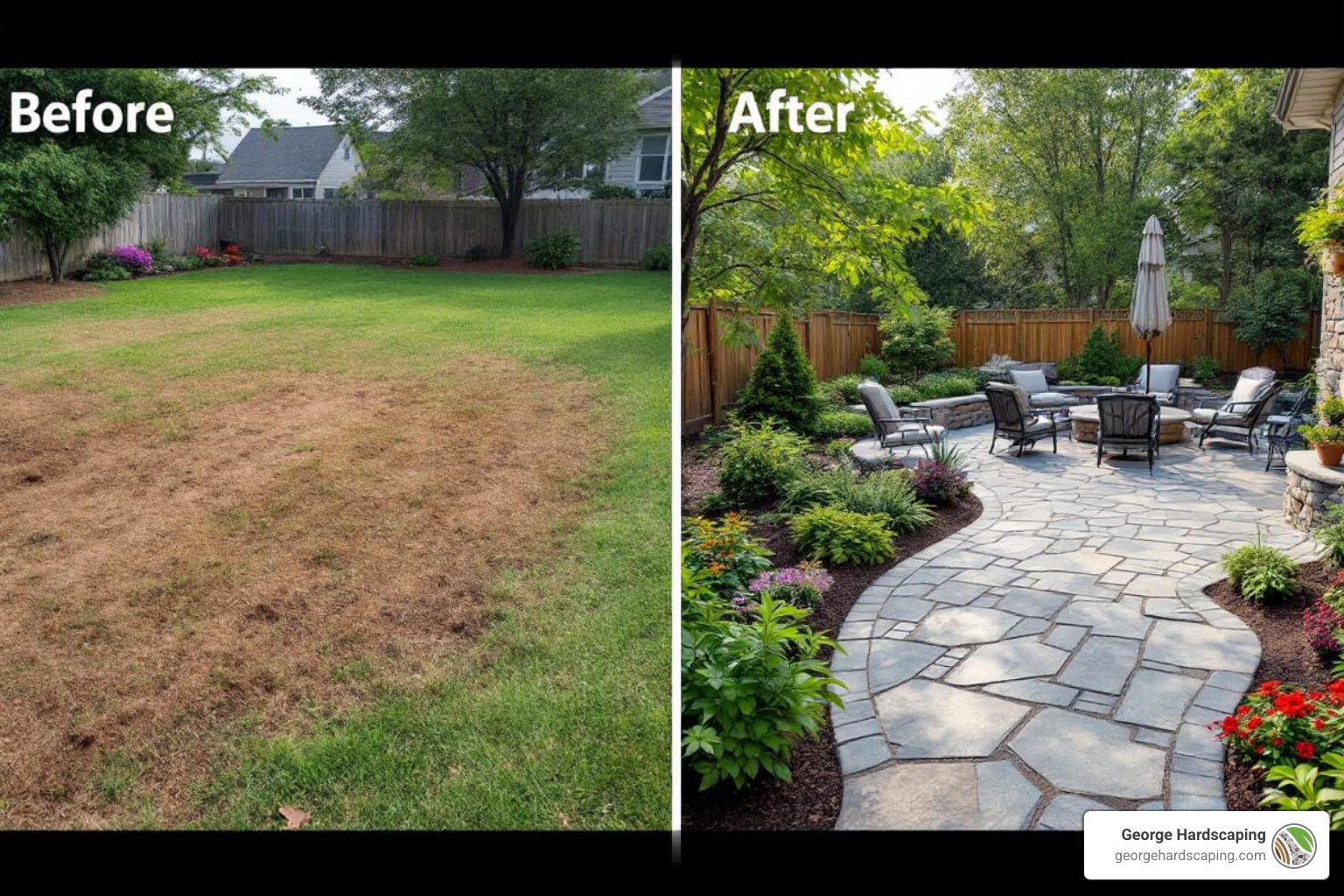
How Landscape Masonry Improves Property Value and Usability
Well-executed Landscape Masonry offers a powerful range of tangible benefits that homeowners can see and feel:
- Increased Home Value: High-quality outdoor living spaces are highly desirable features for potential buyers and can support a strong return on investment (ROI). While specific returns vary, home improvement resources like Remodeling Magazine’s Cost vs. Value report consistently show that well-designed outdoor projects, such as patios and decks, positively influence resale value.
- Enhanced Curb Appeal: The impact is immediate. A beautiful stone walkway, expertly crafted granite steps, or a stately paver driveway instantly elevates your home’s appearance from the street, creating a powerful and welcoming first impression.
- Creation of Functional Zones: Masonry elements are masters of definition. A low seating wall can separate a dining patio from a play area, while a series of terraced walls can create distinct garden beds. This zoning helps you use every part of your property with intention.
- Improved Everyday Usability: Practical improvements make a huge difference. Level patios provide a stable surface for furniture, safe walkways create mud-free paths, and built-in seating makes your outdoor spaces more comfortable, encouraging you and your family to spend more time outside.
The Critical Benefits of Hiring an Expert Masonry Contractor
While the appeal of do-it-yourself projects is understandable, the technical complexity and physical demands of Landscape Masonry make professional expertise essential for a lasting, high-quality result. Hiring an experienced and reputable contractor like George Hardscaping is the best way to protect your investment and ensure a successful outcome.
- Deep Expertise and Craftsmanship: Professional crews bring years of design experience, an intimate knowledge of how different materials perform in the New England climate, and a commitment to consistent, high-quality craftsmanship on every project.
- Guaranteed Structural Integrity: The longevity of any masonry project depends on what’s underneath. Professionals understand the critical importance of proper site preparation, deep base construction with correct compaction, and proven building techniques that prevent settling, cracking, and failure over time.
- Advanced Drainage Solutions: Improper water management is the number one enemy of hardscaping. Professionals incorporate thoughtful grading and drainage solutions (like French drains or permeable bases) to direct water away from your home’s foundation and prevent damage to your masonry features. This proactive approach is a cornerstone of sustainable design, as emphasized by organizations like the American Society of Landscape Architects.
- Efficiency and Project Management: A professional contractor manages all aspects of the job, from material procurement and scheduling to coordinating with other trades, ensuring the project runs smoothly and is completed on time and on budget.
- Local Knowledge and Compliance: An experienced local contractor is familiar with the specific building codes, permit requirements, and zoning regulations across Essex County, ensuring your project is fully compliant and avoiding costly delays or violations.
Creative Landscape Masonry Designs
Landscape Masonry provides a rich palette for crafting truly unique outdoor spaces. An expert mason can go beyond the basics to incorporate custom details:
- Mixing Materials: Create visual interest by combining materials, such as a bluestone patio framed with a decorative brick or granite cobblestone border.
- Multi-Level Patios: On sloped properties, a series of interconnected, multi-level patios can create distinct ‘rooms’ for dining, cooking, or relaxing by a fire pit, all linked by elegant masonry steps.
- Integrated Features: Custom elements can elevate a design from good to great. Consider a stone fountain for calming sound, decorative paver inlays to create a ‘rug’ effect, or built-in planters within a retaining wall.
- Architectural Details: Subtle touches make a big impact. Details like bullnose coping on stair treads and seating walls for a smooth, rounded edge, or graceful curves in a walkway, add a level of finish that signals superior craftsmanship.
Exploring a portfolio of completed work, such as the George Hardscaping project gallery, is an excellent way to gather ideas and see how different materials and layouts look in real North Shore landscapes.
Frequently Asked Questions about Landscape Masonry
Here are detailed answers to some of the most common questions that homeowners in Essex County, MA, have when considering a Landscape Masonry project for their property.
How long do landscape masonry projects last?
Exceptional longevity is one of the primary advantages of investing in professional Landscape Masonry. When properly designed and installed by skilled professionals, these structures are built to last for many decades, often outliving many other components of a home.
- Natural Stone: High-density materials like granite and properly installed fieldstone can remain structurally sound for a lifetime. When set on a suitable, well-drained base, many natural stone installations can last 50-100 years or more with minimal maintenance.
- Concrete Pavers: High-quality paver systems from reputable manufacturers are engineered for extreme durability and are designed to offer multi-decade performance. Most top-tier manufacturers offer lifetime warranties on the structural integrity of their products, and a professionally installed paver patio or walkway can easily last 30-50 years or longer.
- Brick: Traditional clay brick has a proven track record spanning centuries. When properly laid on a stable base with correct jointing, brick masonry is known for its incredible longevity and can easily last 75-100 years.
The absolute key to this longevity is the quality of the installation, particularly the base preparation and drainage. A deep, compacted base prevents shifting and settling, while proper grading and drainage prevent water damage from freeze-thaw cycles. Regular maintenance, such as cleaning, re-sanding paver joints every few years, or sealing porous stones where appropriate, will also preserve the appearance and performance of your masonry features.
Is landscape masonry expensive?
The cost of Landscape Masonry can vary widely, so it is most helpful to view it as a long-term capital improvement for your property rather than a short-term expense. The price is a reflection of the skill, labor, and high-quality materials required for a permanent installation.
Key factors that influence the final price include:
- Material Choice: Natural stone generally has a higher material and installation cost than manufactured pavers. For example, a premium bluestone patio might range from $30-$45+ per square foot installed, whereas a high-quality paver patio might be in the $25-$35 per square foot range.
- Project Complexity: A simple, rectangular patio on a flat site will cost less than a complex, multi-level patio with curves, intricate patterns, and integrated seating walls. Complexity can increase labor time by 20-50%.
- Site Conditions & Preparation: The amount of work required to prepare the site is a major factor. Significant excavation, extensive grading for drainage, the need for a large retaining wall, or difficult site access for machinery can add 15-30% or more to the total project cost.
- Skilled Labor: Labor is a significant component of the cost, typically accounting for 40-60% of the total investment. This reflects the expertise, precision, and physical work required from a team of skilled masons to ensure the project is built to last.
While the initial investment can be substantial, the vast majority of homeowners find that the daily enjoyment, enhanced curb appeal, and proven increase in property value make it a worthwhile endeavor. Well-designed hardscaping projects often provide a strong return on investment at resale.
How does the New England climate affect landscape masonry?
The New England climate, with its significant temperature swings and freeze-thaw cycles, is a major consideration for any Landscape Masonry project. Water penetrates cracks and porous materials, freezes, expands, and can cause significant damage if the installation is not done correctly. A professional mason in Essex County will:
- Build a Deeper Base: The gravel base beneath a patio or walkway must be deep enough (typically 6-12 inches, depending on soil conditions) to remain stable and provide excellent drainage, preventing frost heaves.
- Use Climate-Appropriate Materials: Not all materials are suitable. Professionals will recommend high-density, low-absorption materials like granite, quality concrete pavers, or dense bluestone that can resist water penetration and spalling (flaking).
- Incorporate Proper Drainage: This is non-negotiable. Every project must be graded to slope away from the home’s foundation, and features like retaining walls must have integrated drainage systems (e.g., weep holes, gravel backfill, and drain pipes) to relieve hydrostatic pressure.
- Utilize Flexible Joints: For paver installations, using polymeric sand in the joints creates a firm yet flexible bond that can accommodate slight movements during freeze-thaw cycles without cracking, unlike a rigid mortar bed.
Do I need a permit for a landscape masonry project?
Permit requirements for Landscape Masonry vary by town in Essex County, MA (e.g., regulations in Beverly may differ from those in Ipswich or Newburyport). It is crucial to confirm local requirements before beginning work.
Permits are commonly required for:
- Retaining Walls over a certain height, which is often 4 feet. Any wall taller than this typically requires an engineered plan.
- Patios and Driveways that cover a significant area, as many towns have regulations regarding the percentage of a property that can be covered by impervious surfaces.
- Structures like large outdoor fireplaces or kitchens, especially if they involve gas lines, plumbing, or electrical work.
- Any work near wetlands, coastal banks, or other resource areas, which have strict regulations.
A knowledgeable, insured local contractor will be familiar with these regulations. They can advise you on when a permit is necessary and can often assist in managing the application process, ensuring your project is fully compliant with all local codes and environmental protections.
Conclusion: Building Your Dream Outdoor Space with Confidence
As this guide has demonstrated, Landscape Masonry is far more than simply arranging bricks and stones; it is the foundational craft for creating outdoor living areas that are as practical and durable as they are beautiful. From the welcoming curve of a walkway and the solid feel of granite steps to the expansive elegance of a new patio, these structures work in concert to form a cohesive, functional environment that you and your family can enjoy through every New England season.
We have explored how landscape masonry provides the permanent, structural ‘bones’ of your yard as a specialized discipline within hardscaping. We have delved into the unique strengths of both timeless natural stone and versatile manufactured materials, and we have detailed the wide range of projects that can fundamentally improve your property. The results are tangible: enhanced curb appeal, dramatically improved usability, a potential increase in home value, and, most importantly, outdoor spaces that encourage you to spend more quality time outside.
The long-term success and beauty of any Landscape Masonry project hinge on three critical pillars: a thoughtful and creative design, the selection of appropriate, high-quality materials, and meticulous, expert craftsmanship during installation. For homeowners throughout Essex County and the North Shore, George Hardscaping is committed to delivering excellence across all three of these areas. With years of dedicated experience serving communities from Beverly to Newburyport, our team possesses an intimate understanding of the unique challenges and architectural styles of North Shore properties.
Ready to transform your outdoor space? If you are ready to stop dreaming and start planning a new patio, walkway, retaining wall, set of steps, or custom fire pit, there is no better time to take the first step. Request a free, no-obligation estimate today to discuss your ideas with a local masonry professional. Defining your goals and exploring design options now will help you move efficiently from concept to a beautifully finished outdoor space.
Well-planned landscape masonry is an investment in your home, your lifestyle, and the lasting character of your property. The commitment you make today in quality design and construction will continue to pay dividends for years to come through increased property value and countless hours of priceless outdoor enjoyment.
Don’t wait another season to create the outdoor living space you have always envisioned. Contact George Hardscaping today to schedule your consultation and take the first step toward transforming your property with professional, enduring landscape masonry. Your dream outdoor space is closer than you think.