
Hardscaping Contractor: Top 5 Expert Tips for Success
Looking for a hardscaping contractor? The right choice can improve your home and make outdoor living more enjoyable. Here’s what you need to know:
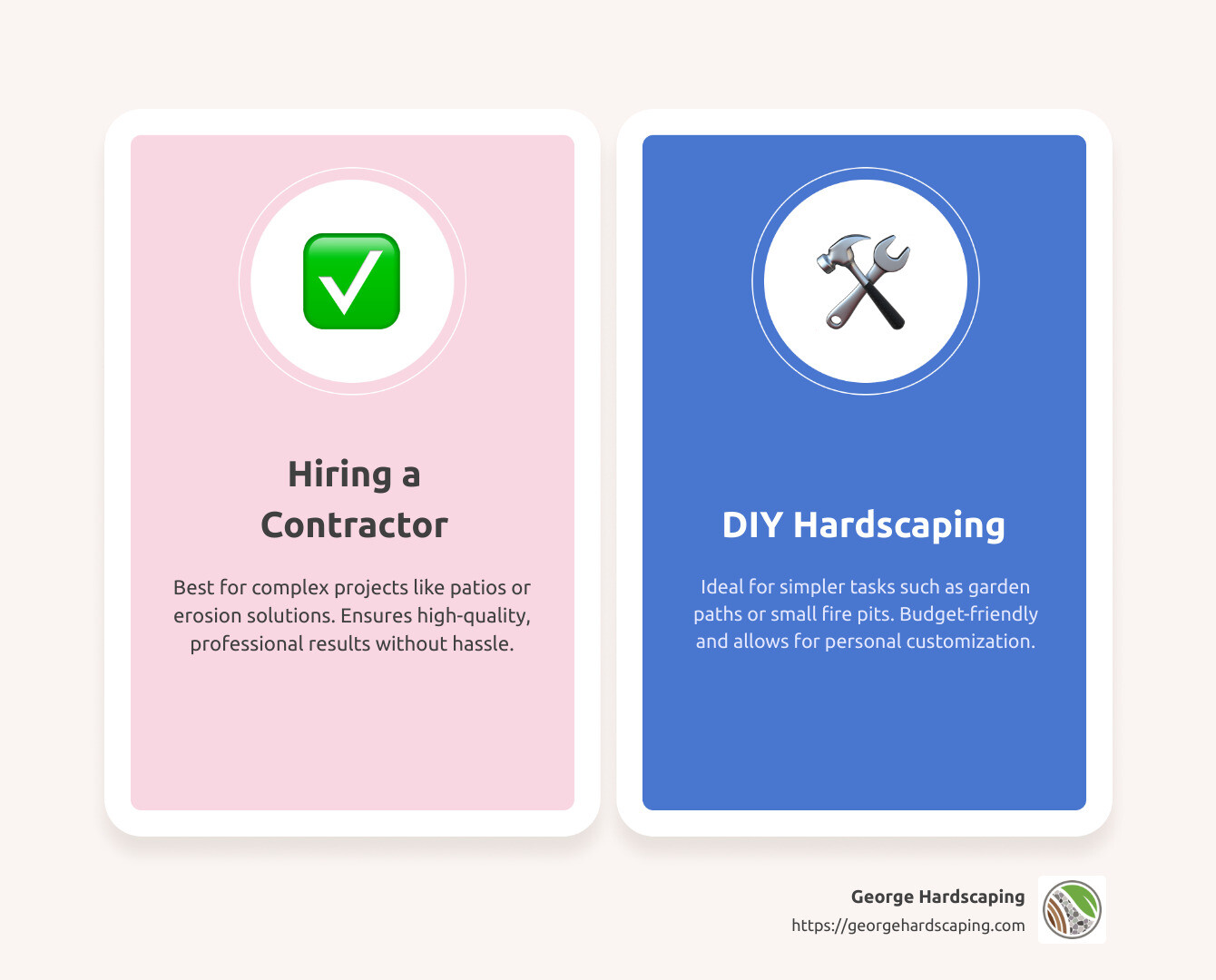
- When to hire: For complex projects like building patios or dealing with erosion.
- When to DIY: For simpler tasks such as garden paths or small fire pits.
Imagine stepping into your backyard and feeling like you’ve entered a private oasis. A well-executed outdoor space not only boosts your property’s aesthetic but also its functionality. Hardscaping involves adding features to your landscape with materials like stone, brick, or wood. These elements, such as patios and pathways, seamlessly blend aesthetics with practicality, making your home more inviting and valuable.
Making the right decision between hiring professionals or doing it yourself hinges on a few key factors. If you’re looking for change and drought erosion solutions, partnering with experts ensures you get high-quality results without the hassle. On the other hand, DIY projects offer a budget-friendly path if you’re focused on simpler improvements.
Ready to explore? Dive deeper to see whether hiring a contractor or rolling up your sleeves aligns best with your vision.
Understanding Hardscaping
Hardscaping is all about enhancing your outdoor space with durable materials like stone, brick, and wood. Unlike softscaping, which involves plants and soil, hardscaping focuses on permanent features that provide structure and function to your landscape.
Hardscaping Materials
Choosing the right materials is crucial. Here are some popular options:
- Concrete: Affordable and versatile, concrete can be molded into various shapes and styles. It’s ideal for patios and walkways.
- Natural Rock: Offers a rustic look and is perfect for features like retaining walls. It’s available in different styles like flagstone or river rock.
- Wood: Great for decks and pergolas. Always opt for pressure-treated wood to withstand the elements.
- Paving Stones: Available in multiple colors and designs, paving stones can add a unique flair to your paths and patios.
Hardscape Designs
Design is where creativity meets practicality. A well-thought-out design can transform your yard into a functional and beautiful space. Consider these elements:
- Patios: Extend your living space outdoors. Use materials that complement your home’s style for a cohesive look.
- Walkways: Connect different areas of your yard. Curved paths can add a sense of mystery and exploration.
- Retaining Walls: Not only do they prevent soil erosion, but they also create distinct garden areas or seating spaces.
Outdoor Features
Incorporating outdoor features can lift your landscape. Here are a few ideas:
- Water Features: Ponds and fountains add tranquility and attract wildlife.
- Fire Pits: Perfect for gatherings, they offer warmth and a focal point for your outdoor space.
- Outdoor Kitchens: Ideal for those who love entertaining. They can range from simple grill setups to fully equipped kitchens.
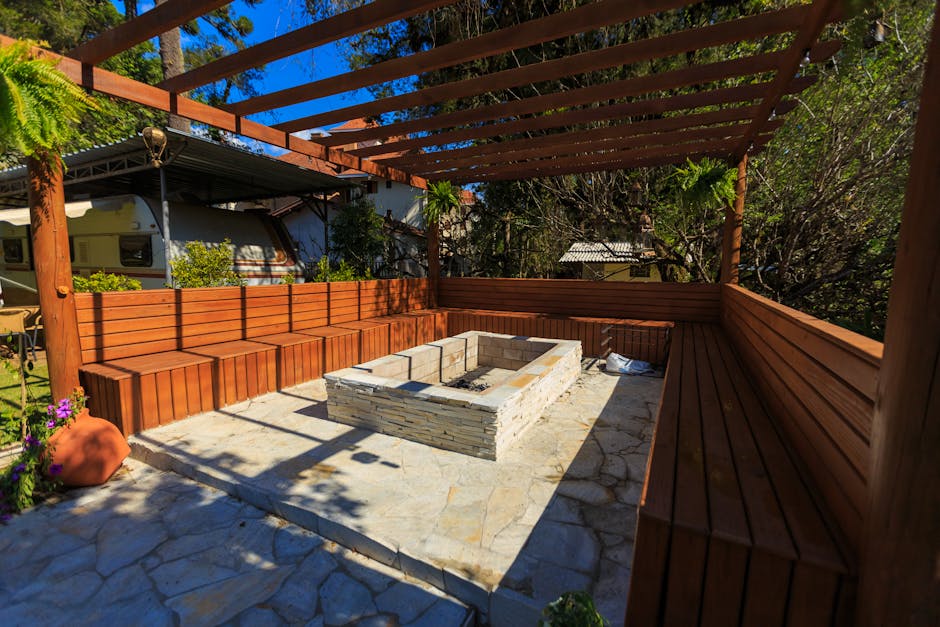
By understanding the materials and design elements involved in hardscaping, you can make informed decisions that improve both the beauty and functionality of your outdoor space. Whether you choose to hire a professional or tackle a project yourself, the right hardscape can transform your yard into a personal paradise.
When to Hire a Hardscaping Contractor
Deciding between hiring a hardscaping contractor and tackling a project yourself can be tricky. Here’s when you should consider bringing in the pros:
Professional Expertise
Hiring a professional ensures that your project benefits from their expertise and experience. Contractors have a deep understanding of materials, design principles, and local regulations. They can recommend the best materials, like natural rock or paving stones, to suit your style and budget. Plus, they know how to avoid common pitfalls, ensuring your project stands the test of time.
Example: Edwin Peake’s expertise in creating vibrant gardens demonstrates the value of professional knowledge. His understanding of plant behavior and landscape aesthetics can be likened to the skill set a hardscaping contractor brings to structural projects.
Time Efficiency
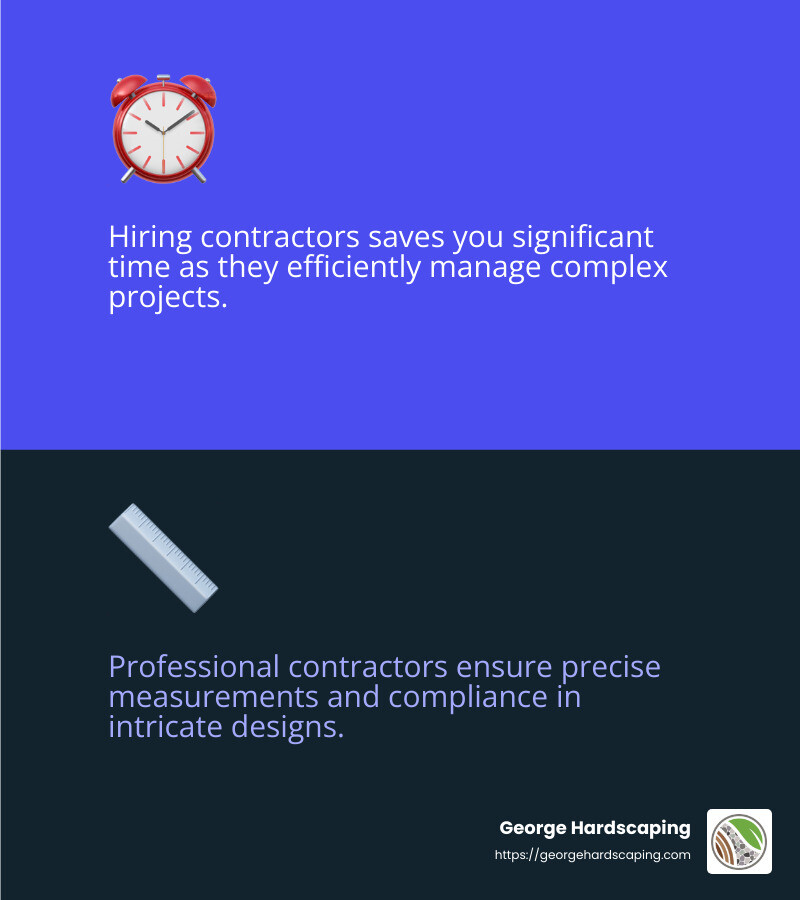
Time is a precious commodity. Complex projects can be time-consuming and challenging. A contractor can manage the entire process efficiently, from planning to execution. This allows you to focus on other priorities while your outdoor space transforms.
Fact: Managing a construction project can be complex and time-consuming. A reliable contractor will handle all aspects of project management, ensuring completion on time and within budget.
Complex Projects
Certain projects require specialized skills and equipment. Retaining walls, custom fire pits, and outdoor kitchens are examples where professional help is invaluable. These projects often involve intricate designs, precise measurements, and compliance with local building codes. A contractor can steer these complexities, ensuring your project is both beautiful and safe.
Story: A homeowner in Philadelphia wanted a multi-tier garden with a koi pond and sitting area. The project involved significant excavation and stonework. Hiring a contractor not only ensured the design was executed flawlessly but also saved the homeowner from potential costly mistakes.
By hiring a hardscaping contractor, you’re investing in the success and durability of your project. Their expertise, efficiency, and ability to handle complex tasks can turn your vision into reality, adding value and enjoyment to your outdoor space.
DIY Hardscaping: What You Can Do Yourself
Not every hardscaping project requires a professional touch. With some planning and effort, you can tackle simpler projects yourself. Here’s how:
Simple Projects
There are several hardscaping tasks that are perfect for DIY enthusiasts. Pathways, garden edges, and small patios are great starting points. These projects typically involve straightforward steps and don’t require heavy machinery or specialized skills.
Example: Installing a basic stone pathway can improve your garden’s look and feel. By using paving stones or natural rock, you can create a charming path that leads through your garden or yard with minimal tools and effort.
Budget-Friendly Options
DIY hardscaping is often more affordable than hiring a contractor. By taking on projects yourself, you save on labor costs. Materials like pea gravel, concrete pavers, and pressure-treated wood are cost-effective and widely available.
Tip: To keep costs down, consider using recycled materials. Old bricks or stones can be repurposed into beautiful garden borders or stepping stones.
Personal Taste
Doing it yourself allows you to infuse your personal style into your outdoor space. You have complete control over the design, materials, and colors. This means you can experiment and create a space that truly reflects your taste.
Story: A homeowner in West Philly transformed their backyard by installing a patio using reclaimed bricks. The project not only saved money but also added a unique, rustic charm to their outdoor area.
DIY hardscaping can be a rewarding endeavor, allowing you to create an outdoor space that’s both beautiful and personal. With the right materials and a bit of creativity, you can achieve stunning results without breaking the bank.
Key Hardscaping Projects and Considerations
When diving into hardscaping, it’s important to know which projects might need a hardscaping contractor and which ones you might tackle yourself. Here are some key projects to consider:
Patios
A patio is a versatile outdoor space that can serve as a dining area, a place to relax, or a spot for entertaining guests. While small patios can be DIY projects, larger or more complex designs often require professional expertise. Paving stones and natural rock are popular choices for patios, offering durability and aesthetic appeal. As noted, the shift from traditional concrete to more decorative materials can significantly improve your outdoor space.
Walkways
Walkways connect different areas of your yard and can be both functional and decorative. Simple paths made with paving stones or pea gravel can be a weekend project. However, intricate designs or paths on uneven terrain might be best left to professionals. Walkways not only improve accessibility but also add structure to your landscape, guiding visitors through your garden’s best features.
Retaining Walls
Retaining walls are essential for managing slopes and preventing erosion. They also create usable space in hilly areas. While small walls under 3 feet can sometimes be DIY projects, anything taller or holding significant soil weight should involve a contractor. Materials like concrete blocks or natural stone are commonly used for their strength and longevity.
Steps
Steps provide safe and easy access to different levels of your landscape. Designing steps requires careful planning to ensure safety and comfort. This often involves precise measurements and the use of durable materials like brick or stone. For complex or high-traffic areas, hiring a contractor ensures that the steps are both functional and visually appealing.
Custom Firepits
A custom firepit adds warmth and ambiance to your outdoor space, perfect for gathering with friends and family. While a basic firepit can be a DIY project, custom designs often require professional installation to ensure safety and compliance with local regulations. Natural rock and pavers are popular choices for creating a stylish and durable firepit area.
Each of these projects offers unique benefits and challenges. Whether you decide to DIY or hire a professional, understanding the scope and requirements of your hardscaping plans will help you create a stunning outdoor space.
Frequently Asked Questions about Hardscaping Contractors
What is included in hardscaping?
Hardscaping encompasses a variety of non-living elements that improve outdoor spaces. These include patios, walkways, retaining walls, and water features. Each element serves a different purpose:
- Patios: These are outdoor living spaces made from materials like paving stones or natural rock. They provide an area for dining, relaxation, or entertainment.
- Walkways: These pathways improve accessibility and guide visitors through your garden. They can be constructed from materials like paving stones or pea gravel for a simple yet effective design.
- Retaining Walls: Essential for managing slopes and preventing soil erosion, retaining walls can be built using concrete blocks or natural stone for durability.
- Water Features: Elements like ponds and fountains improve the ambiance of your garden, adding a soothing, natural element to your landscape.
How much value does hardscaping add?
Investing in hardscaping can significantly boost your property’s value. According to industry experts, well-designed outdoor spaces can increase home value by as much as 20%. Features like patios and retaining walls not only improve the aesthetic appeal but also provide functional benefits, making your home more attractive to potential buyers. Moreover, hardscaping requires less maintenance than traditional landscaping, which can be a selling point for prospective homeowners looking for low-maintenance options.
What is the least expensive hardscape?
When considering budget-friendly hardscaping options, materials like concrete, pea gravel, and pavers stand out.
- Concrete: Often used for patios and walkways, concrete is durable and cost-effective. It offers a clean, modern look and can be improved with decorative finishes.
- Pea Gravel: This is an affordable option for walkways and patios. It’s easy to install and provides a rustic charm to any garden setting.
- Pavers: Available in various shapes and colors, pavers are a versatile and economical choice for patios and walkways. They offer a more decorative option than concrete while still being budget-friendly.
Choosing the right material depends on your budget, design preferences, and the specific requirements of your outdoor space.
Conclusion
When it comes to changing your outdoor space with quality and precision, George Hardscaping stands out as a premier hardscaping contractor in Essex County, MA. We specialize in crafting beautiful and functional outdoor features like patios, walkways, retaining walls, steps, and custom firepits. Our commitment to quality craftsmanship ensures that each project we undertake not only improves the aesthetic appeal of your home but also adds lasting value.
At George Hardscaping, we believe that the exterior of your home should be as inviting and well-designed as the interior. Our team of experts brings years of experience and a passion for excellence to every project, ensuring your outdoor space is both stunning and practical. Whether you’re looking to create a cozy patio for family gatherings or a dramatic walkway that guides visitors through your garden, we have the skills and materials to bring your vision to life.
Serving the North Shore with dedication and care, we strive to make your outdoor space dreams a reality. Our focus on using high-quality materials and innovative design techniques means your hardscape will not only look great but will also withstand the test of time.
If you’re ready to improve your outdoor living area with the expertise of a trusted hardscaping contractor, contact us today to discuss your project. Let George Hardscaping help you create an outdoor space that you’ll love for years to come.
