Brick Step Repair Near Me: Top 5 Expert Tips 2024
When your brick steps start showing signs of damage, searching for “brick step repair near me“ becomes a priority. Repairing brick steps is essential for several reasons, and finding a trustworthy expert is crucial.
Quick Guide to Brick Step Repair:
1. Prevent further damage
2. Enhance curb appeal
3. Ensure safety
4. Increase property value
Damaged brick steps can affect the overall aesthetics of your property and pose safety risks. Loose or cracked bricks can lead to accidents, while water seepage can cause further structural damage.
Addressing these issues promptly not only keeps your home looking great but also maintains its safety and integrity.
Understanding Brick Step Damage and Repair Needs
When it comes to brick step repair, understanding the types of damage and signs of wear is crucial. Here’s what you need to know:
Types of Damage
- Cracks in Bricks: Cracks can be caused by various factors, including minor shifting in the foundation, weathering, or even vehicle damage. These cracks can range from hairline fractures to large splits.
- Damaged Mortar: Mortar can deteriorate over time due to weather exposure, poor construction, or previous repairs that didn’t last. This can lead to loose bricks and potential safety hazards.
- Water Damage: Water can seep into the bricks and mortar, causing mold, grime, and even freeze/thaw damage known as “spalling.” This can weaken the structure over time.
- Structural Shifts: Major foundation problems can cause significant shifts in your brick steps, leading to uneven surfaces and increased cracking.
Signs of Wear
- Visible Cracks: Look for any visible cracks in the bricks or mortar. Even small cracks can expand over time.
- Loose Bricks: If you notice any bricks that are loose or protruding, it’s a clear sign that the mortar has deteriorated.
- Discoloration: Water damage often shows up as dark spots or streaks on the bricks and mortar.
- Uneven Steps: Uneven or sloping steps can indicate underlying structural issues that need immediate attention.
When to Repair
- Immediate Safety Risks: If your brick steps are posing an immediate safety risk, such as loose bricks that could cause tripping, repair should be done as soon as possible.
- Water Damage Signs: Addressing water damage early can prevent more extensive and costly repairs down the line.
- Visible Wear and Tear: Regular inspections can help you catch signs of wear and tear early. If you notice any of the signs mentioned above, it’s time to consider repairs.
- Before Selling Your Home: Repairing brick steps can increase your property value and curb appeal, making your home more attractive to potential buyers.
By staying vigilant and addressing issues promptly, you can maintain the beauty and safety of your brick steps for years to come. For expert help, consider reaching out to professionals like George Hardscaping who specialize in brick step repair.
Cost of Brick Step Repair Near Me
When searching for brick step repair, understanding the costs involved is crucial. The price of repairing brick steps can vary widely based on several factors. Here’s a breakdown of what you can expect.
Average Costs
On average, repairing brick steps can cost between $500 and $10,000. The wide range is due to the scope and complexity of the repair work needed.
- Minor Repairs: Simple repointing or fixing a few loose bricks might cost around $500 to $1,500.
- Moderate Repairs: More extensive work, such as replacing several bricks and repairing mortar joints, can range from $1,500 to $4,000.
- Major Repairs: Complete overhauls, including resetting steps, waterproofing, and significant structural work, can run $5,000 to $10,000 or more.
Factors Affecting Cost
- Extent of Damage: The more extensive the damage, the higher the repair cost. Minor cracks are cheaper to fix than significant structural issues.
- Materials Used: The type of bricks and mortar used can influence the price. High-quality materials will cost more but offer better durability.
- Labor Costs: Labor rates vary by location and the contractor’s expertise. Masons typically charge more than general contractors due to their specialized skills.
- Accessibility: If the steps are hard to reach or require special equipment to repair, this can increase the cost.
- Additional Services: Services like waterproofing, power washing, and haul-away of debris can add to the overall cost.
Cost Comparison
To give you a better idea, here’s a comparison of different repair costs:
| Repair Type | Average Cost |
|---|---|
| Repointing | $7.70 – $11.34/sq ft |
| Replacing Bricks | $8 – $30/sq ft |
| Waterproofing | $500 – $1,500 |
| Complete Overhaul | $5,000 – $10,000 |
For more detailed insights into the cost of brick step repair, consider reaching out to professionals who can assess your specific situation and provide a tailored estimate.
How to Choose the Right Brick Step Repair Service
Finding the right expert for your brick step repair near me can make all the difference in the quality and longevity of the repair. Here are some key factors to consider:
Credentials
First and foremost, check the credentials of any service provider you’re considering. A reputable company will be licensed and insured, which protects you from liability in case of accidents. Additionally, look for certifications from recognized industry organizations. These credentials show that the company adheres to high standards of quality and safety.
Experience
Experience is crucial when it comes to brick step repair. An experienced mason will have encountered a variety of issues and will know the best techniques to fix them. For example, George Hardscaping boasts generations of masonry experience, ensuring high-quality and lasting repairs.
Customer Reviews
Customer reviews provide valuable insights into the reliability and quality of a service provider. Look for reviews on multiple platforms to get a well-rounded view of the company’s reputation. Positive feedback from previous clients can give you confidence in your choice.
Local Expertise
Local expertise is another important factor. A local company will be familiar with the specific challenges and requirements of your area. For instance, George Hardscaping specializes in the North Shore and Essex County, MA, providing tailored solutions that take local weather and soil conditions into account.
Hiring a local expert like George Hardscaping ensures that you get the best value for your money. They have the experience and local knowledge to provide accurate quotes and high-quality repairs.
Summary
When choosing a brick step repair near me service, consider their credentials, experience, customer reviews, and local expertise. Doing so will help ensure that you get a high-quality, long-lasting repair that enhances the safety and appearance of your home.
For more detailed insights into the cost of brick step repair, consider reaching out to professionals who can assess your specific situation and provide a tailored estimate.
Step-by-Step Guide to Brick Step Repair
Assessing the Damage
Before diving into repairs, it’s crucial to evaluate the extent of the damage. Start by inspecting the brick steps thoroughly. Look for signs of wear such as cracks, loose bricks, or crumbling mortar.
Pro Tip: Take photos of the damage to compare before and after repairs.
Preparing for Repair
Tools Needed:
– Safety goggles
– Gloves
– Trowel
– Chisel
– Hammer
– Mixing bucket
– Mortar mix
– Brick saw (if replacing whole bricks)
– Brush
Safety Measures:
– Wear safety goggles and gloves to protect yourself from debris.
– Ensure the area is clear of obstructions to avoid tripping hazards.
The Repair Process
Removing Damaged Bricks:
1. Use a chisel and hammer to carefully remove the damaged bricks.
2. Chip away old mortar from the surrounding bricks and the gap where the brick was removed.
Mixing Mortar:
1. Follow the instructions on the mortar mix packaging.
2. In a mixing bucket, combine the mortar mix with water until it reaches a thick, peanut butter-like consistency.
Replacing Bricks:
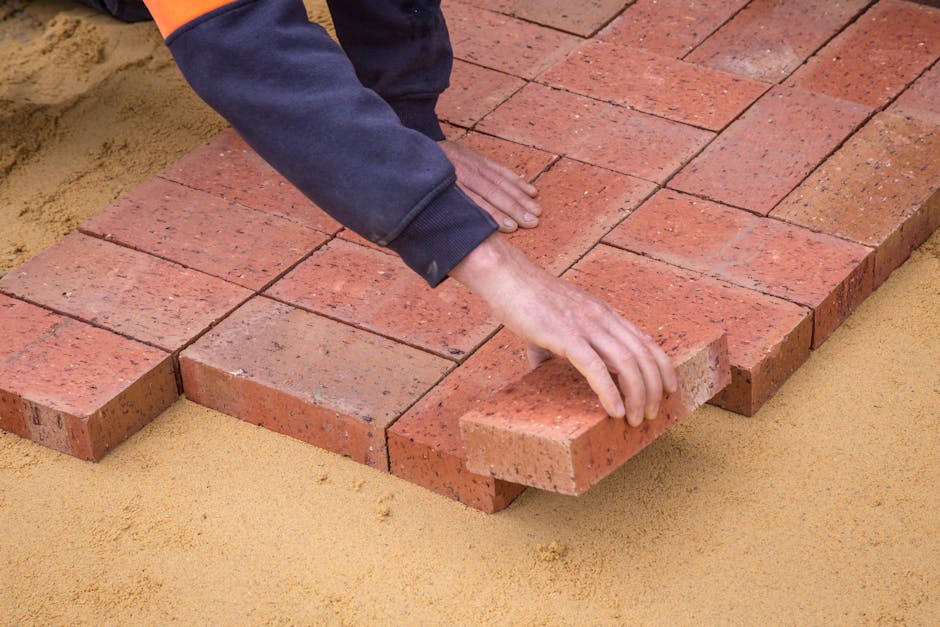
1. Apply a layer of mortar to the bottom of the gap where the brick was removed.
2. Place the new brick into the gap, pressing it firmly into the mortar.
3. Fill the gaps around the brick with more mortar, using the trowel to smooth it out and ensure it’s level with the surrounding bricks.
4. Use a brush to clean off any excess mortar from the surface of the bricks.
Curing:
1. Allow the mortar to cure as per the manufacturer’s instructions. This usually takes 24-48 hours.
2. Keep the repaired area moist by lightly misting it with water during the curing process to prevent the mortar from drying too quickly and cracking.
By following these steps, you can ensure a durable and aesthetically pleasing repair. If the damage is extensive or you’re unsure about any part of the process, consider hiring a professional for the best results.
DIY vs. Professional Brick Step Repair
When it comes to brick step repair near me, you might wonder whether to tackle the job yourself or hire a professional. Both options have their pros and cons, and your choice will depend on the extent of the damage and your comfort level with DIY projects.
Benefits of Professional Repair
Expertise and Experience: Professionals bring years of experience and specialized skills. They can quickly identify underlying issues that may not be obvious to an untrained eye. For example, a mason can spot mortar deterioration that could lead to future problems if not addressed.
Quality Materials: Professionals have access to high-quality materials that are often not available to the general public. They know which type of mortar and bricks will best match your existing structure, ensuring a seamless repair.
Time and Efficiency: Hiring a professional saves you time. A task that might take you several weekends to complete can be done in a few days by a skilled mason. Plus, they have all the necessary tools and equipment, so you won’t need to make multiple trips to the hardware store.
Warranty and Guarantees: Many professionals offer warranties on their work. For instance, a commenter on Reddit mentioned a contractor who provides a 3-year warranty on labor and materials, along with free yearly check-ups. This gives you peace of mind knowing that your repair is covered if anything goes wrong.
When to Hire a Professional
Extensive Damage: If your brick steps have severe cracks, loose bricks, or structural issues, it’s best to call a professional. Extensive damage often requires specialized tools and techniques to repair safely and effectively.
Safety Concerns: Working with bricks and mortar can be hazardous. If your steps are high or the damage is near electrical or plumbing lines, hire a professional to avoid accidents and ensure the job is done safely.
Aesthetic Considerations: For a polished, professional look, especially if the brick steps are a prominent feature of your home, hiring a mason is the best choice. They can ensure the new mortar matches the old, and the bricks are laid evenly.
DIY Tips
If you decide to go the DIY route, here are some tips to help you succeed:
Start Small: Begin with minor repairs like filling small cracks or replacing a single brick. This will help you gain confidence and experience before tackling larger projects.
Gather the Right Tools: You’ll need a trowel, masonry brush, chisel, hammer, and a mixing bucket. Make sure to have all tools on hand before starting the project.
Use Quality Materials: Invest in good quality mortar mix and bricks that match your existing steps. This will ensure durability and a better aesthetic match.
Follow Safety Precautions: Wear gloves, safety goggles, and a dust mask. Make sure to work in a well-ventilated area to avoid inhaling dust and fumes.
Take Your Time: Don’t rush the process. Carefully remove damaged bricks and clean the area thoroughly before applying new mortar. Proper preparation is key to a successful repair.
Learn from Experts: Watch tutorial videos or read detailed guides. There are many resources available that can walk you through each step of the process.
By weighing the benefits of professional repair against the DIY approach, you can make an informed decision that best suits your needs and skills. Whether you choose to hire a professional or do it yourself, proper care and attention to detail will ensure your brick steps remain safe and attractive for years to come.
Frequently Asked Questions about Brick Step Repair
How much does it cost to repair brick steps?
The cost to repair brick steps can vary widely. On average, you can expect to pay between $4,500 and $10,000 for professional repair services, depending on the extent of the damage and the specific work needed. Factors that influence the cost include:
- Extent of Damage: Minor cracks and repointing are less expensive compared to major structural repairs.
- Materials Used: High-quality bricks and mortar can increase costs.
- Labor Costs: Experienced masons might charge more, but their work is often more durable.
A user on Reddit mentioned receiving a quote for $4,500 from a contractor, which included power washing, grinding out damaged mortar, resetting bricks, and waterproofing. Always get multiple quotes and ensure the contractor is qualified.
How do you repair exterior brick?
Repairing exterior brick involves several key steps:
- Inspection: Check for cracks, loose bricks, and deteriorating mortar.
- Preparation: Clean the area and remove any damaged bricks or mortar using a chisel and hammer.
- Mixing Mortar: Prepare the mortar mix according to the manufacturer’s instructions.
- Replacing Bricks: Insert new bricks or reset the old ones, ensuring they are level and properly aligned.
- Pointing: Fill the joints with mortar using a pointing trowel, making sure the mortar is compact and smooth.
- Curing: Allow the mortar to cure for the recommended time, usually a few days.
For a detailed guide, you can refer to resources like George Hardscaping, which offer step-by-step instructions and professional tips.
How do you fix mortar on brick stairs?
Fixing mortar on brick stairs, known as repointing, is crucial for maintaining structural integrity. Here’s how you can do it:
- Remove Old Mortar: Use a chisel and hammer to carefully remove the damaged mortar from the joints.
- Clean the Joints: Brush out any debris and dust to ensure a clean surface.
- Mix New Mortar: Prepare a fresh batch of mortar. It’s essential to match the color and texture of the existing mortar.
- Apply New Mortar: Using a pointing trowel, fill the cleaned joints with the new mortar. Press firmly to eliminate air pockets.
- Smooth the Joints: Shape the mortar joints to match the existing ones, ensuring a uniform appearance.
- Cure the Mortar: Allow the new mortar to cure properly, protecting it from extreme weather conditions during this period.
Proper repointing can significantly extend the life of your brick stairs. For more comprehensive instructions, check out expert advice from The Brick Doctor.
By understanding these FAQs, you can better navigate the process of finding the right brick step repair near me and ensure your steps are restored to their former glory.
Conclusion
Repairing brick steps is not just about fixing what’s broken. It’s about ensuring safety, enhancing curb appeal, and prolonging the life of your property.
Longevity of Repair
Properly repaired brick steps can last for decades. Quality workmanship and materials are key. As we mentioned, a job done right can withstand the test of time, saving you money in the long run. Addressing minor issues early can prevent major repairs later.
Enhancing Curb Appeal
Brick steps are often the first thing people notice about your home. Well-maintained steps can significantly boost your home’s curb appeal. Whether you’re planning to sell or just want to impress your guests, a neat and sturdy entrance makes a lasting impression.
George Hardscaping
At George Hardscaping, we bring generations of masonry expertise to every project. Our team uses a blend of traditional and modern techniques to ensure your brick steps are both beautiful and durable. We take pride in our craftsmanship and are committed to delivering top-notch service.
For a detailed consultation and to see how we can help with your brick step repair, visit our Steps and Brick Stairs page.
Let’s make your steps safe and stunning!